Long before a harness is fitted or a precision obedience command is issued, a quiet, high-stakes transformation is already underway. To the casual observer, a young puppy is simply a bundle of playful energy, exploring the world with clumsy curiosity. Behind the scenes, however, canine developmental behaviorists and specialized training organizations recognize a much more urgent reality: the first 90 days of a puppy’s life represent a foundational window that dictates lifelong behavior, emotional resilience, and professional viability.
For organizations dedicated to breeding and training elite assistance animals, such as Dogs Inc, this initial timeframe is treated as a critical chapter in a multi-year journey. Through a carefully orchestrated matrix of socialization, structural discipline, and community-driven volunteerism, future guide and service dogs are guided through formative neurological and emotional milestones. This comprehensive report explores the science of early canine development, the mechanics of the critical socialization period, the indispensable role of volunteer puppy raisers, and the long-term impact of micro-experiences on dogs destined to change human lives.
Detailed Chronology: The Blueprint of Early Canine Development
The maturation of a canine neonate follows a precise biological and psychological trajectory. Understanding how a puppy absorbs and interprets its environment requires looking closely at how the brain develops during the opening weeks of life.
Weeks 1 to 3: The Neonatal and Transitional Phases
During the first three weeks, a puppy’s world is largely sensory-limited. Born blind and deaf, neonates rely almost entirely on tactile warmth, scent, and the instinctual drive to nurse. Learning during this phase is rudimentary, centered primarily around the mother and littermates.
As the eyes and ears open around the two-to-three-week mark, the transitional phase begins. Puppies take their first wobbly steps, begin to process ambient sounds, and start interacting with their littermates in rudimentary play. While formal training is impossible at this stage, the brain is beginning to wire itself for sensory processing.
Weeks 4 to 8: The Emergence of Social Awareness and Peer Dynamics
By week four, the canine brain accelerates its capacity to absorb information. This is when peer-to-peer socialization becomes paramount. Interacting with littermates teaches young dogs fundamental emotional regulation, such as bite inhibition—learning that biting too hard halts a game.
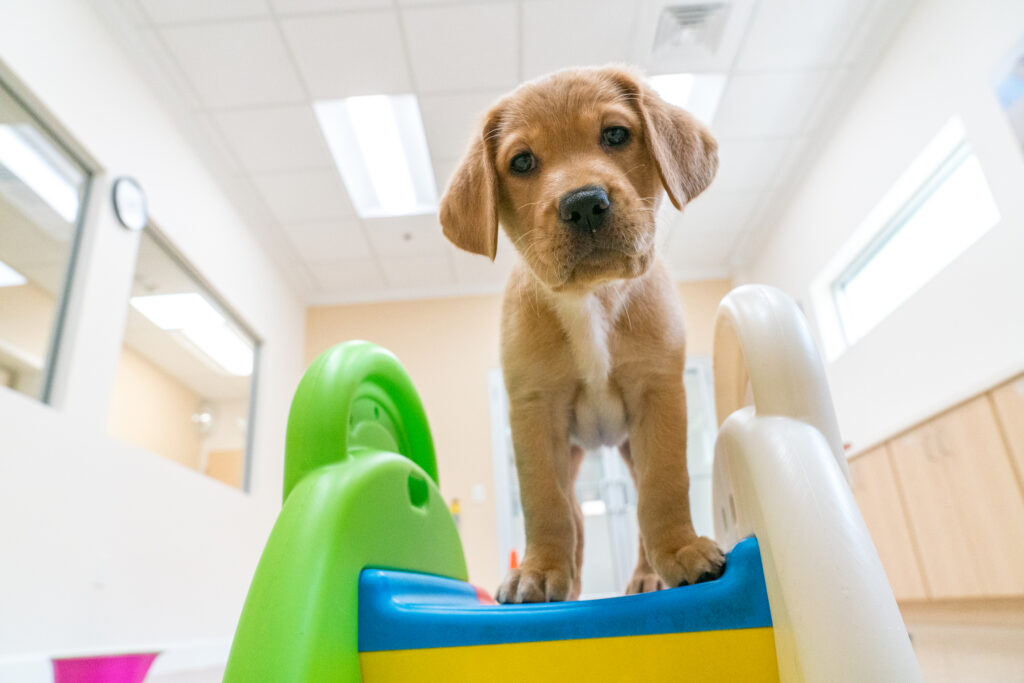
Caregivers and breeders introduce rudimentary routines during this window, including early handling, introduction to soft sounds, and varied textures underfoot. These subtle exposures plant the seeds of curiosity, shifting the puppy’s baseline emotional response from fear-based avoidance to confident exploration.
Weeks 8 to 12+ (The Critical Socialization Window): The Crucible of Adaptability
The period stretching from eight weeks through the first three months of life is universally recognized by animal behaviorists as the critical socialization window. During this phase, puppies are biologically primed to accept novel stimuli—ranging from unfamiliar human faces and bustling traffic sounds to strange floor surfaces and veterinary clinics—as normal, non-threatening parts of their environment.
If a puppy is isolated or experiences chronic trauma during this specific window, the neurological impact can be profound and permanent, often manifesting as chronic anxiety, fear-aggression, or an inability to adapt to novel environments. Conversely, positive, structured exposure during these pivotal days builds a cognitive buffer. This "emotional resilience" allows the dog to encounter unexpected stressors later in life—such as a sudden loud noise on a crowded city street—and recover quickly without panicking.
Supporting Context & Metrics: The Science Behind Service Dog Preparation
While pet dogs benefit immensely from early socialization, the stakes are exponentially higher for guide and service dogs. A standard domestic pet requires good manners and adaptability within a family home; a service dog must navigate complex public infrastructure, maintain laser focus amidst heavy distractions, and make independent, calm decisions to protect or assist an individual with physical or visual disabilities.
The Anatomy of a Working Dog Foundation
To prepare a puppy for this level of responsibility, organizations like Dogs Inc utilize specialized protocols that extend far beyond basic obedience. The curriculum focuses on three core pillars:
Environmental Desensitization: Gradual, positive exposure to high-stimulus environments. Puppies are systematically introduced to elevators, slick floors, automated sliding doors, loud ventilation systems, and public transit.
Emotional Neutrality: Training dogs not to react defensively or excitedly to sudden disruptions. Whether it is a dropped plate in a restaurant or a skateboard rolling past on the sidewalk, the goal is a calm, neutral acknowledgment of the stimulus.
Structured Independence: Encouraging problem-solving and confidence so the dog can think for itself when executing tasks, rather than relying entirely on human micro-management.
The Role of the Community Matrix
Achieving these developmental milestones cannot be accomplished in an isolated kennel environment. It requires an extensive, coordinated community effort. At the heart of this system are volunteer puppy raisers, puppy sitters, area coordinators, and network mentors.
A single volunteer does not carry the burden alone. The network operates as an ecosystem:
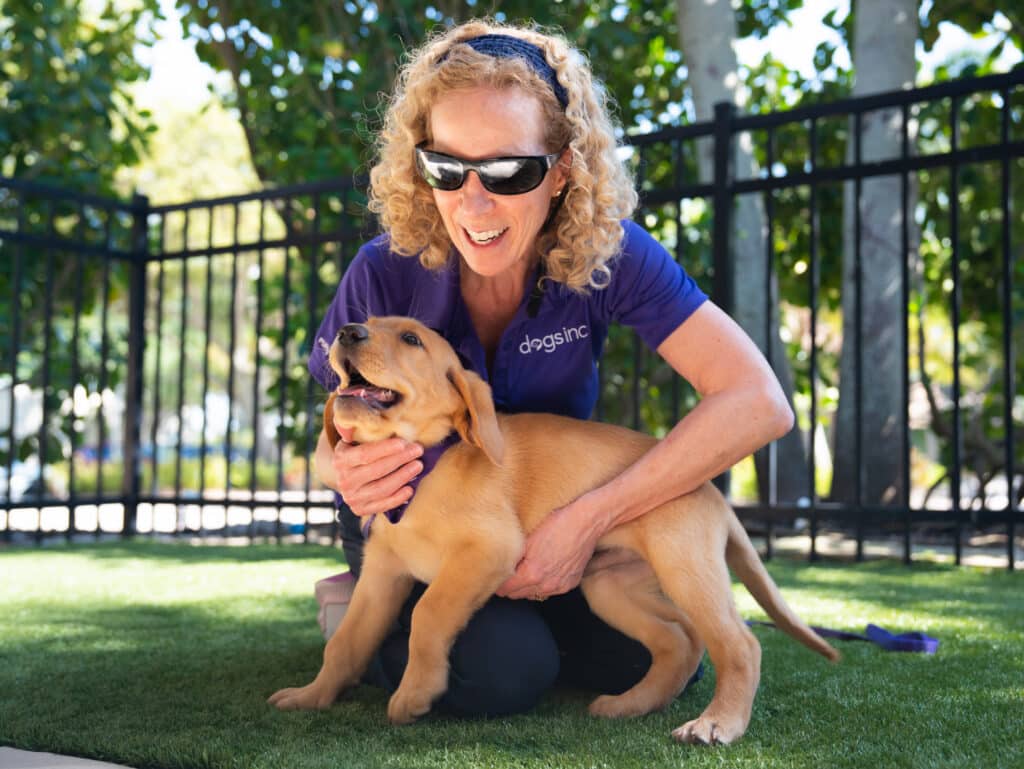
Puppy Raisers integrate the young dog into everyday life, taking them to workplaces, grocery stores, and family gatherings.
Puppy Sitters step in to provide temporary care, ensuring the puppy remains flexible and adaptable to different handlers and home environments.
Area Coordinators offer professional guidance, troubleshooting behavioral hurdles, and hosting structured socialization classes to ensure consistency across the board.
Official Perspectives and Professional Insights
The philosophy underpinning early puppy development is rooted in decades of veterinary behavioral science and institutional experience. Experts emphasize that the secret to raising a rock-solid service dog lies not in harsh corrections or premature advanced training, but in patience, consistency, and positive reinforcement.
"People often look at a three-month-old puppy and see a blank slate, but neurobiologically, that slate is already being written upon with invisible ink," notes a senior canine development specialist. "Every sound they hear, every person they meet, and every time they successfully navigate a strange environment without fear, they are laying down neural pathways for courage. For a future guide dog, that courage is the bedrock of their entire career."
Another core tenet shared by professional trainers is the dismissal of perfectionism during the first 90 days.
"Our primary metric of success isn’t whether a ten-week-old puppy can execute a flawless heel," explains a Dogs Inc program coordinator. "The true metric is emotional recovery. When something startles them, do they bounce back in three seconds and look to their handler with curiosity, or do they shut down? Building that bounce-back ability is the true goal of puppy raising."
Future Outlook: Empowering the Next Generation of Handlers
As the demand for qualified guide and service dogs continues to rise globally, the methodologies surrounding early puppy development are becoming increasingly sophisticated. Organizations are placing greater emphasis on data-driven behavioral tracking during the first 90 days, utilizing standardized assessments to match individual puppy temperaments with specific career paths—whether that is traditional guide work, facility support, or complex mobility assistance.
Furthermore, the lessons learned within professional puppy-raising programs offer invaluable takeaways for everyday pet owners. The core principles—early positive socialization, structured routines (including crate training and predictable feeding schedules), patience, and gradual environmental exposure—are universally applicable. By demystifying the science of the first 90 days, everyday dog owners can help bridge the gap between reactive pet ownership and proactive, confidence-building leadership.
Continuing the Journey
The journey from a curious newborn pup to a life-changing service animal is long, demanding, and profoundly rewarding. It relies on the dedication of everyday people willing to open their homes and hearts to a future partner.
For those inspired to make a tangible difference, opportunities abound. Whether by stepping forward to become a volunteer puppy raiser, supporting a specialized puppy development fund, or simply following the progress of a young pup embarking on its training journey, public involvement remains the lifeblood of assistance dog organizations.
To learn more about how Dogs Inc is shaping the future of guide and service dogs—one carefully curated experience at a time—prospective volunteers and supporters can explore their comprehensive programs and discover how small, everyday moments lay the groundwork for extraordinary achievements.