
Executive Overview
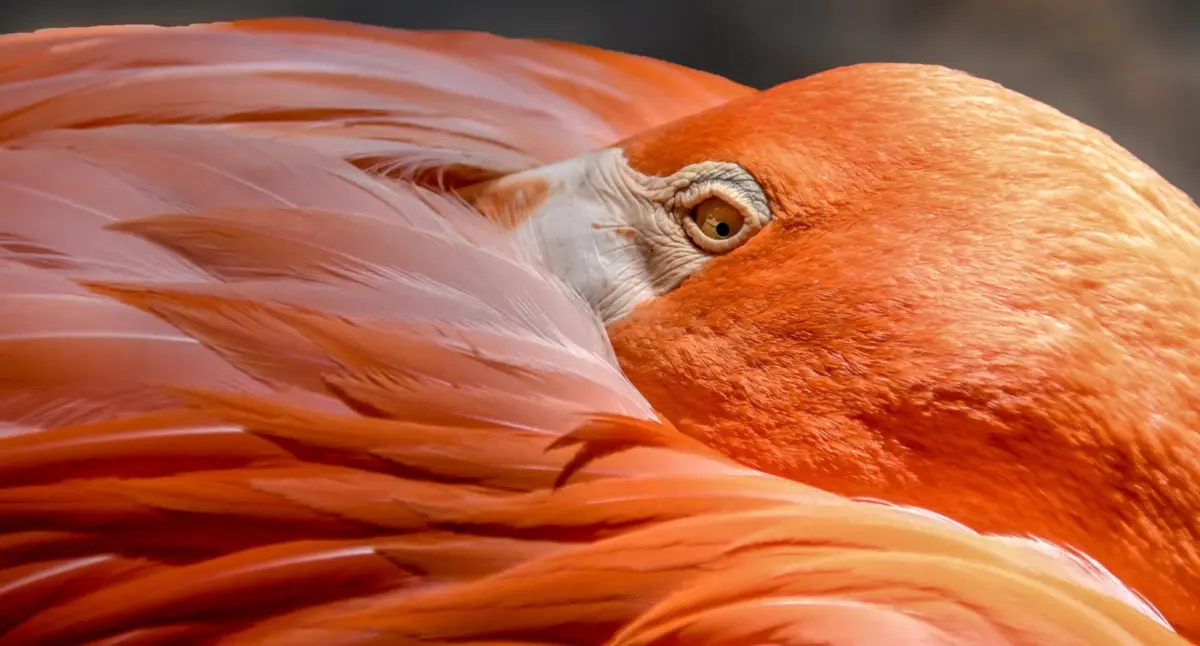
For generations, the silhouette of the American Flamingo (Phoenicopterus ruber) has served as the unofficial emblem of South Florida. Cast in garish pink plastic and planted firmly in suburban lawns, or emblazoned on vintage postcards, motel signage, and neon art, the bird has long stood as shorthand for the region’s eccentric tropical identity. Yet, for decades, this vibrant imagery was a bittersweet reminder of an absence. Once native and abundant across the southern tip of the Florida peninsula, the wild flamingo was hunted to near-extinction by the early 20th century, its brilliant plumage harvested for the fashion trade and its habitats swallowed by rapid, unchecked coastal development.
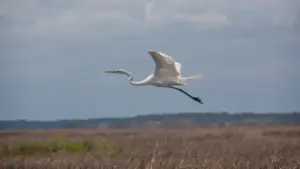
Today, the region is witnessing a stunning ecological plot twist. The flashes of brilliant pink are no longer confined to front lawns or captive zoo enclosures; they are appearing in the wild, wading through the brackish shallows of Florida Bay and the vast expanses of the Everglades. Recognizing this remarkable comeback, Miami-Dade County has officially designated the American Flamingo as its official county bird.
This administrative decision is far more than a clever nod to local pop culture. It represents a profound ecological milestone, serving as a living testament to the efficacy of decades of painstaking conservation work, scientific monitoring, and the ongoing, multi-billion-dollar restoration of the greater Everglades ecosystem. As water flows are slowly reconnected across the historic "River of Grass," the return of the flamingo signals that nature, when given a fighting chance and scientific stewardship, possesses an astonishing capacity for recovery.
However, conservationists and policymakers emphasize that this milestone is not the finish line. The flamingo’s resurgence is a "report card" from the environment—a visible indicator that while recent conservation investments are yielding results, the monumental task of ecosystem restoration remains incomplete. This article explores the history of the American Flamingo in Florida, the science behind its dramatic return, the vital role of long-term ecological monitoring, and the urgent imperative to secure the future of South Florida’s irreplaceable natural heritage.
Detailed Chronology: From Abundance to Extinction and Back
To understand the weight of Miami-Dade County’s new designation, one must look backward through the sweeping lens of Florida’s ecological history. Long before the arrival of European settlers, the American Flamingo was a permanent, dynamic fixture of the South Florida landscape. Historical accounts and archaeological records indicate that massive flocks once blanketed the shallow marine environments of the Florida Keys, Florida Bay, and the coastal margins of the Everglades.
The Era of Exploitation
The downfall of the native Florida flamingo population began in earnest during the late 1800s and early 1900s. Driven by a global fashion craze that prized exotic bird plumes for women’s hats and apparel, market hunters descended upon South Florida’s remote wetlands. Flamingos, with their striking pink feathers and predictable flocking behaviors, were prime targets. By the early decades of the 20th century, commercial hunting, coupled with egg collecting and the capture of live birds for burgeoning tourist attractions, had effectively wiped out the resident breeding population.
For decades, ornithologists considered the American Flamingo to be an extirpated species in Florida. While vagrant birds from Caribbean populations—principally from Cuba, the Yucatan Peninsula, and the Bahamas—would occasionally wander across the straits during severe tropical storms, a self-sustaining local population seemed lost to history. The birds that remained in the public consciousness were strictly captive colonies, most famously the flock introduced to Hialeah Park in the 1930s, which became a beloved local landmark but remained disconnected from the wild ecosystem.
The Turning Point: Everglades Restoration
The modern chapter of the flamingo’s story is inextricably linked to the grand experiment of Everglades restoration. For most of the 20th century, the "River of Grass" was systematically fractured. Canals, levees, and flood control structures were engineered to drain the wetlands, divert freshwater away from the coast, and channel it into the Atlantic Ocean and the Gulf of Mexico to accommodate sprawling agricultural and urban developments.
This hydrological starvation devastated the ecosystem. Estuaries turned hypersaline, wading bird populations plummeted by up to 90%, and the shallow habitats required by species like the American Flamingo vanished or degraded.
The turning point arrived with the realization that South Florida’s human population, economy, and unique biodiversity could not survive without a functioning Everglades. In 2000, Congress authorized the Comprehensive Everglades Restoration Plan (CERP)—the largest environmental restoration project in human history. Over the ensuing decades, billions of dollars have been directed toward removing structural barriers, filling drainage canals, and restoring natural water flows southward.
As freshwater began to trickle back into parched marshes and mix with the tidal waters of Florida Bay, the ecological health of the region began to rebound. Submerged aquatic vegetation returned, fish and crustacean populations swelled, and—crucially—the food web re-established itself. It was within this recovering landscape that wild flamingos began to reappear in unprecedented numbers and for extended durations, transforming from rare, wind-blown vagrants into regular residents of the shallow bays.
Supporting Context & Metrics: Birds as Ecological "Report Cards"
In the realm of conservation science, certain species are designated as bioindicators or ecological "report cards." Because they sit high on the food web and have specific habitat requirements, their presence, absence, or reproductive success can tell scientists volumes about the overall health of an ecosystem.
Decades of Data: The Audubon Research Station
The return of the American Flamingo has not been tracked merely through casual backyard sightings or social media snapshots; it is supported by rigorous, decades-long scientific data collection.
For more than a century, the National Audubon Society has maintained a vigilant watch over the Everglades. At Audubon’s legendary Everglades Research Station, situated deep within the wilderness of Florida Bay, scientists have spent generations monitoring wading birds. This initiative has yielded one of the longest-running, continuous ecological datasets in North America.
These researchers track nesting success, foraging patterns, population fluctuations, and species distribution across a shifting landscape. When water management policies succeed in delivering the right amount of freshwater at the right time of year, wading birds respond with robust nesting events and thriving populations. Conversely, when bureaucratic delays, droughts, or artificial water retention starve the marshes, the birds immediately register the distress.
+-----------------------------------------------------------------+
       THE ECOLOGICAL FEEDBACK LOOP IN SOUTH FLORIDA
+-----------------------------------------------------------------+

  [ Hydrological Restoration ]  -->  Restored Water Flow & Salinity
               │
               ▼
  [ Thriving Wetlands ]         -->  Abundant Fish & Crustacean Prey
               │
               ▼
  [ Bioindicator Return ]       -->  Flamingos & Wading Birds Thrive
               │
               ▼
  [ Economic & Social Health ]  -->  Clean Water & Sustainable Tourism
+-----------------------------------------------------------------+
The recent influx of American Flamingos serves as a living validation of these long-term datasets. Scientists analyzing historical weather patterns, banding data, and modern telemetry have confirmed that many of the flamingos frequenting South Florida today are not merely temporary escapees or storm-tossed wanderers, but part of a rebounding regional population that is finding sufficient food and undisturbed habitat to remain year-round.
The Broader Economic and Environmental Stakes
The health of the Everglades is far from an isolated conservation abstract. It is the literal foundation of South Florida’s socioeconomic survival.
- Drinking Water: The Biscayne Aquifer, which provides fresh drinking water to millions of residents in Miami-Dade, Broward, and Palm Beach counties, is directly recharged by the waters of the Everglades.
- Economic Resilience: South Florida’s multi-billion-dollar tourism, real estate, and commercial fishing industries depend heavily on a clean, stable, and visually appealing natural environment.
- Storm Buffering: Restored wetlands and mangrove forests act as natural speed bumps against storm surges and sea-level rise, protecting coastal communities from the worst impacts of extreme weather events.
When a charismatic species like the American Flamingo reclaims its historical range, it reminds the public that environmental investments pay tangible dividends. The bird’s pink feathers are, in essence, a visible receipt for decades of public funding and scientific dedication.
Official Statements and Expert Perspectives
The designation of the American Flamingo as Miami-Dade County’s official bird has reverberated across conservation circles, drawing commentary from leading environmental advocates and policy experts who view the moment as both a celebration and a call to action.
Julie Wraithmell, Executive Director of Audubon Florida, offers a nuanced perspective on the emotional and practical dimensions of species designation. Known for her tireless advocacy on behalf of Florida’s native wildlife, Wraithmell points out that while selecting a favorite bird can be an exercise in joyful appreciation, the true value lies in translating that affection into conservation policy.
"Asking us at Audubon Florida to choose our favorite species for state or county birds is too much like choosing amongst our children—it’s too hard!" explains Wraithmell.
However, she emphasizes that each iconic Florida bird serves as an ambassador for a specific, threatened habitat type that requires human stewardship to survive:
- The American Flamingo: A powerful ambassador for wetlands conservation and the ongoing restoration of the Everglades. Its presence proves that large-scale ecological repair works.
- The Florida Scrub-Jay: An endemic species that reminds the public of the urgent need to protect the increasingly rare, fire-dependent oak scrub habitats found along Florida’s ancient sand ridges.
- The Northern Mockingbird (Florida’s former state bird): An urban-adaptable songbird that encourages everyday residents to embrace native plants in their residential landscaping, thereby supporting local insect populations and urban biodiversity.
According to Wraithmell and other conservation leaders, the Miami-Dade County commission’s vote to crown the flamingo is a masterclass in civic engagement. By binding local identity to a wild, migratory native species, the county has institutionalized a daily reminder of the natural world just beyond the concrete jungle.
Local municipal leaders who backed the initiative echoed these sentiments, noting that the flamingo bridges the gap between South Florida’s kitschy mid-century pop-culture history and its modern identity as a center for cutting-edge environmental restoration and climate resilience.
Future Outlook: Finishing the Job in the Everglades
While the sight of American Flamingos wading through the sun-drenched shallows of Florida Bay is an undeniable cause for celebration, conservationists are quick to issue a cautionary note: the work is far from finished.
The Comprehensive Everglades Restoration Plan (CERP) is a marathon, not a sprint. Designed as a multi-decadal framework spanning more than 30 years and involving dozens of major civil works projects—including the construction of massive above-ground water storage reservoirs, stormwater treatment areas, and subterranean aquifer storage systems—CERP has achieved significant milestones, yet several critical components remain incomplete.
Challenges Ahead
- Hydrological Bottlenecks: Portions of the central and southern Everglades still suffer from artificially restricted water deliveries due to competing demands for flood control and urban water supply.
- Climate Change and Sea-Level Rise: As warming temperatures accelerate sea-level rise, coastal marshes face the threat of saltwater intrusion, which can outpace the natural accretion rates of wetland soils if freshwater flows are insufficient to push back the tides.
- Habitat Fragmentation: Continued urban expansion around the periphery of the Everglades places constant pressure on transitional lands, limiting the migratory pathways and foraging ranges of native wildlife.
The Imperative for Sustained Investment
To ensure that the American Flamingo remains a permanent fixture of the South Florida landscape rather than a fleeting visitor, public support and political will must remain steadfast. Sustained federal and state appropriations are critical to keeping shovel-ready restoration projects on schedule.
Furthermore, public engagement must transcend symbolic gestures. Residents and visitors alike are encouraged to participate in citizen science initiatives, support local land acquisition programs like Florida Forever, and advocate for water management policies that prioritize ecological health over short-term political expediency.
Conclusion
The official coronation of the American Flamingo as Miami-Dade County’s bird is a rare and joyful convergence of culture, history, and science. It honors a species that was nearly erased from the Florida landscape by human folly, only to claw its way back through a combination of biological resilience and human-led environmental healing.
The flamingo has always belonged in South Florida. Its return across the horizon of the Florida Bay is a living, breathing metric of success—a pink beacon signaling that the Everglades, despite decades of abuse and neglect, can heal when we restore its lifeblood of fresh water.
As these brilliant flocks continue to reclaim their ancestral home, they offer both a profound reward for past conservation efforts and a stern challenge for the future. They remind us that nature’s recovery is possible, but it requires eternal vigilance, rigorous science, and unyielding financial commitment. Thanks to the ongoing renaissance of the Everglades, it is beginning to look remarkably like South Florida belongs to the flamingo once again—and in that reclamation, we find renewed hope for the entire natural world.