Date: August 19, 2026 Organization: Alley Cat Allies Author: Special Investigative & Editorial Desk
Executive Overview
The ongoing battle for animal welfare intersects with municipal politics, natural disaster recovery, and the relentless demands of peak kitten season. In late August 2026, animal advocacy organizations find themselves addressing multiple critical fronts simultaneously. From fighting regressive legislative proposals in Ripon, California, to delivering lifesaving disaster relief in San Juan, Puerto Rico, the landscape of feline protection requires an agile, evidence-based, and compassionate response.
At the center of these efforts is Alley Cat Allies, a leading national organization spearheading legislative pushback against counterproductive feeding bans, executing high-stakes emergency relief missions, and facilitating individual animal rescues. This report provides a comprehensive examination of current advocacy initiatives, regional challenges, and inspiring recovery stories that underscore the absolute necessity of humane, science-backed animal welfare policies.
Detailed Chronology of Recent Events
The landscape of community cat advocacy is shaped by rapid developments on both local and international stages. The past several weeks have seen a surge in legislative activity, emergency responses, and heartening success stories.
Early Summer 2026: The Rescue and Recovery of Woody
The timeline of individual feline rescue operations highlights the stark realities faced by young kittens entering the shelter system during peak breeding season. In the spring of 2026, a tiny, vulnerable kitten named Woody was separated from his mother and impounded as a single intake at a municipal animal shelter. For unweaned or young, single kittens, entering a high-stress shelter environment without maternal support is frequently a life-threatening situation.
Woody quickly contracted a severe upper respiratory infection (URI)—a common and potentially fatal condition among shelter-bound felines. Recognizing the urgency of his condition, Alley Cat Allies intervened, pulling Woody from the under-resourced facility and fully funding his emergency veterinary care. Following intensive medical treatment and dedicated foster rehabilitation, Woody completed his recovery. By August 2026, his trajectory had completely transformed: Woody was successfully adopted into a permanent, loving home with his new family, Stephanie and Adam, where he now spends his days playing with his favorite blue fish toy and sleeping soundly at the foot of the bed.
Mid-August 2026: The Ripon Feeding Ban Controversy
In Ripon, California, municipal officials advanced a controversial legislative proposal targeting community cat caregivers. The proposed ordinance seeks to penalize residents who feed outdoor, unowned cats, attaching a punitive $100 fine to the act of providing basic sustenance.
In response, animal welfare organizations swiftly mobilized. Alley Cat Allies formally registered its opposition, reaching out directly to the City of Ripon to denounce the measure as both cruel and fundamentally ineffective. Rather than punitive fines, advocates are actively pushing for the adoption of Trap-Neuter-Return (TNR) protocols as the only humane and empirically proven method for stabilizing outdoor cat populations.
Ongoing: San Juan Water Crisis Response
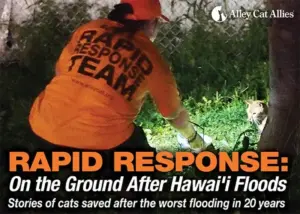
Simultaneously, the humanitarian wing of feline rescue operations has remained anchored in Puerto Rico. The San Juan Cat Protection Team, operated by Alley Cat Allies, has maintained a continuous physical presence on the ground to combat an escalating local water crisis. Deploying emergency supplies, the response team has distributed cases of clean drinking water and nutritious wet food directly to community cat caregivers throughout the city. Crucially, these critical resources are supplied entirely free of charge, easing the financial and logistical burdens on local residents who prioritize the welfare of their neighborhood animals even amidst infrastructural hardships.
To understand the intense opposition to Ripon’s proposed ordinance, one must examine the broader sociological and ecological data surrounding community cats and municipal animal control policies.
The Fallacy of Feeding Bans
For decades, cash-strapped or misinformed local governments have attempted to reduce outdoor cat populations by banning citizens from feeding them. The underlying—yet entirely flawed—logic assumes that if a food source is removed, the cats will simply vanish or disperse.
Extensive field research and wildlife management studies demonstrate precisely the opposite outcome:
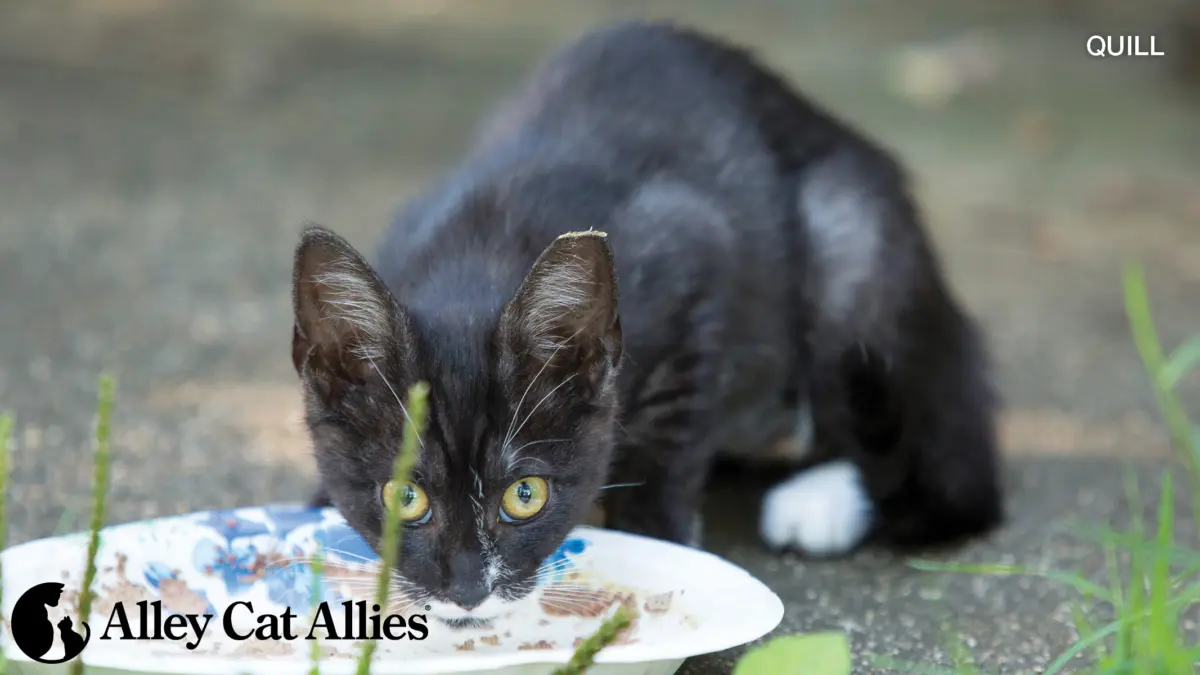
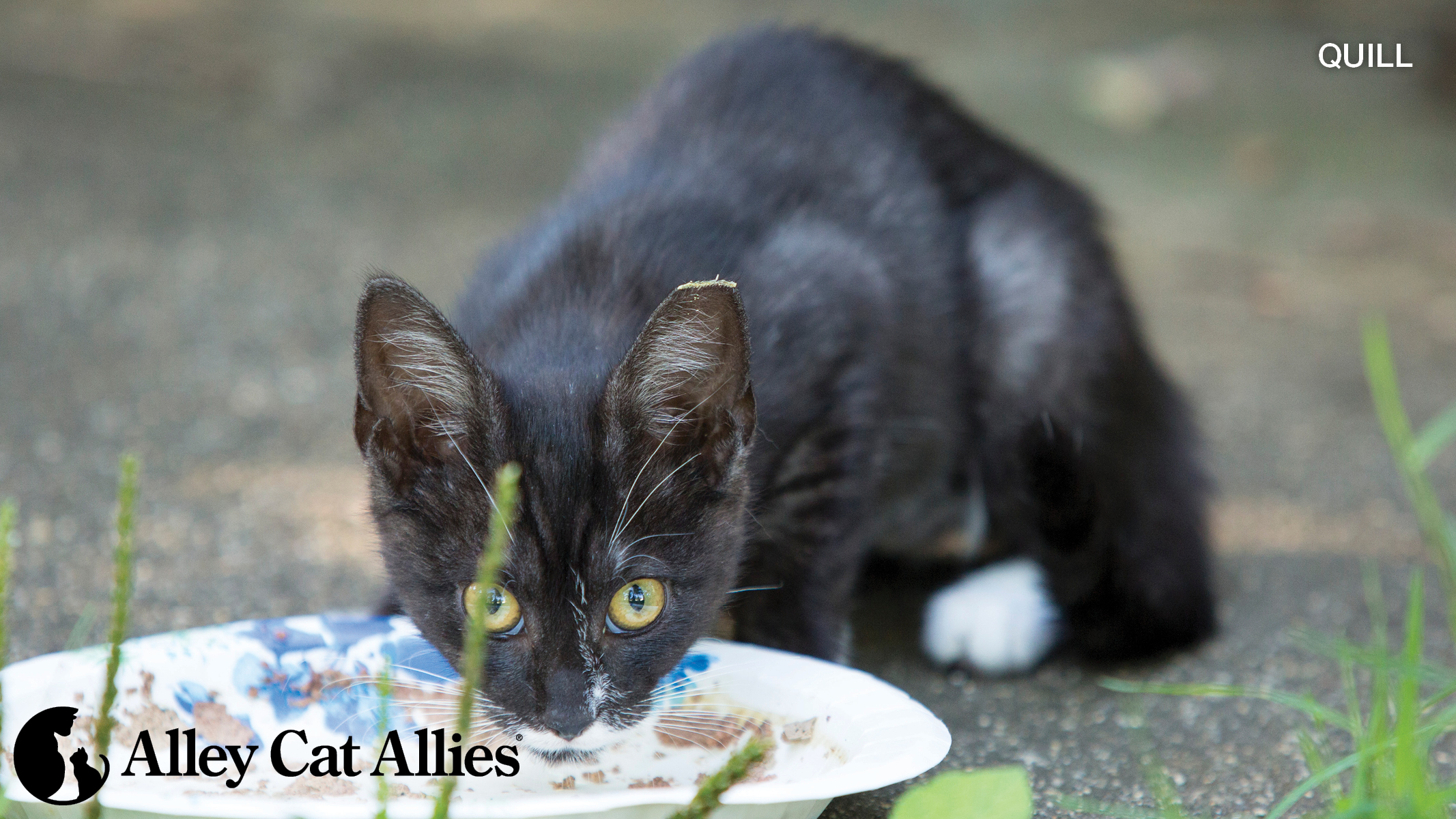
Dispersion, Not Reduction: When a food source is eliminated, cats do not disappear; instead, they range further afield in search of sustenance, increasing their visibility, wandering into roadways, and expanding their territorial footprints.
The Vacuum Effect: Removing or starving out an existing colony of sterilized or semi-socialized cats does not solve the underlying ecological equation. Unaltered cats from surrounding areas quickly move in to exploit the newly available resources, leading to a rapid rebound in population density—a phenomenon known to animal behaviorists as the "vacuum effect."
Public Health and Welfare Complications: Punishing caregivers drives feeding practices underground. When people are forced to feed cats covertly out of fear of $100 fines, monitoring colony health, trapping cats for spay/neuter surgeries, and providing medical intervention become nearly impossible.
The Proven Efficacy of Trap-Neuter-Return (TNR)
The scientific consensus within modern animal sheltering overwhelmingly favors Trap-Neuter-Return. Under a TNR program, community cats are humanely trapped, evaluated by a veterinarian, spayed or neutered, vaccinated against rabies, ear-tipped for easy visual identification, and returned to their outdoor homes.
Population Stabilization: TNR immediately halts the reproductive cycle, leading to a natural, gradual decline in colony populations over time.
Elimination of Nuisance Behaviors: Spaying and neutering drastically reduces or eliminates hallmark nuisance behaviors associated with unsterilized cats, such as yowling, roaming, and territorial spraying.
Cost-Effectiveness: Municipalities that embrace TNR routinely report significant reductions in animal control expenditures and shelter intake numbers, freeing up municipal resources for other critical community needs.
Official Statements and Advocacy Positions
Major animal welfare organizations have unified behind clear, uncompromising policy stances regarding municipal overreach, disaster intervention, and public education.
Alley Cat Allies on Ripon’s Proposed Ordinance
In an official statement regarding the situation in Ripon, California, Alley Cat Allies articulated the core philosophy guiding their opposition:
"Alley Cat Allies strongly opposes a feeding ban targeting community cats in Ripon, California. If the ordinance passes, community cat caregivers could be issued a $100 fine just for providing care. We have reached out to the City of Ripon to offer our support for a better way forward: Trap-Neuter-Return (TNR). Feeding bans do not work. TNR is the only humane and effective approach to stabilizing community cat populations. That’s what Ripon officials, and officials worldwide, need to know."
Honoring the Human-Animal Bond in San Juan
Reflecting on the ongoing water crisis relief mission in Puerto Rico, field coordinators emphasized the profound resilience and compassion of local residents:
"Along the way, we’re meeting incredible and dedicated Puerto Ricans who in many ways put the well-being of their cats above their own. Cats are truly members of the community in San Juan, and we are honored to support that community when it’s most needed."
Combating Bias and Superstition
Beyond legislative battles and physical rescues, advocacy groups continue to prioritize education regarding marginalized demographics within the feline population—specifically, black cats. Highlighting the objectives behind initiatives like Black Cat Appreciation Day, representatives noted:
"The best way to help black cats is the same way we help every cat: advocacy to end policies that would harm or kill them and education to cut through the superstition and bias that underpins these policies."
Future Outlook: Challenges and Next Steps
As the animal welfare community looks toward the remainder of 2026 and into the future, several critical priorities emerge for policymakers, rescue organizations, and everyday advocates.
1. Reforming Municipal Ordinances Nationwide
The legislative threat in Ripon is emblematic of a broader national struggle. Animal advocates must continue to educate local lawmakers on the failures of punitive legislation. The overarching objective for the coming years is the widespread codification of ordinances that officially recognize and protect TNR programs, shielding compassionate caregivers from criminalization and financial penalties.
2. Expanding Disaster Preparedness and Relief Networks
Climate-related infrastructural failures, extreme weather events, and socioeconomic crises—such as the water shortages witnessed in San Juan—demonstrate the urgent necessity of robust animal disaster relief infrastructure. National organizations are increasingly investing in mobile response units and pre-positioned supply caches to ensure that companion animals and community cats are never left behind during emergencies.
3. Mitigating the Pressures of Peak Kitten Season
With kitten season continuing to strain the resources of shelters and veterinary clinics across the United States, direct-care initiatives remain essential. The recent intake of a mother cat and her four male kittens—all currently being treated for upper respiratory infections and ocular issues under the sponsorship of Alley Cat Allies—serves as a reminder of the intensive medical overhead required to save vulnerable litters. Expanding foster networks and low-cost veterinary access will remain paramount to reducing juvenile mortality rates in the shelter system.
4. Cultivating Grassroots Engagement
Ultimately, the success of modern feline advocacy rests upon public awareness and direct participation. Whether through signing petitions against regressive feeding bans, donating to disaster response funds, or adopting rescued animals like Woody, public engagement remains the single most powerful catalyst for systemic change.
To read the full legislative letters submitted to local governments or to support ongoing emergency rescue and disaster response initiatives, visit alleycat.org/Letters and alleycat.org/donate.