
Executive Overview
In a monumental leap forward for agricultural science and the global livestock industry, researchers at the University of Adelaide’s Davies Livestock Research Centre (DLRC) have successfully unveiled the most comprehensive and detailed cattle genome ever assembled. Published in the prestigious journal Nature Communications, this groundbreaking scientific achievement offers an unprecedented look into the genetic architecture of cattle, with a primary focus on the world-renowned Wagyu breed.
The newly assembled genome is an astonishing 16 percent longer than the previously accepted standard reference genome, uncovering hundreds of previously unknown genes and shedding light on complex structural genetic variations that have long eluded scientists. This high-resolution genetic map provides a crucial missing link in bovine biology, offering breeders a powerful, precision-driven roadmap to enhance beef marbling, boost herd fertility, and bolster disease resistance.
Beyond its immediate implications for luxury beef production, this breakthrough carries immense economic significance. As the global beef market contends with rising consumer demands and shifting environmental pressures, the ability to selectively breed cattle with pinpoint accuracy promises to maximize profitability and operational efficiency. Developed in close collaboration with the United States Department of Agriculture (USDA), this milestone not only reinforces Australia’s position at the forefront of agricultural biotechnology but also establishes a new global benchmark for livestock genomics.
Detailed Chronology: Unlocking the Blueprint of Bovine Excellence
The path to decoding the most complex livestock genomes in history is the result of years of meticulous international scientific collaboration, advanced computational biology, and innovative methodology.
The Genesis of the Project
The research initiative began as an ambitious effort to address the limitations of existing cattle reference genomes, which often lacked the resolution needed to capture the true genetic complexity of specialized breeds like Wagyu. Traditional genome assemblies frequently left gaps in repetitive regions or failed to accurately map structural variations, leaving breeders in the dark regarding the precise genetic drivers of prized traits such as intramuscular fat deposition, commonly known as marbling.
To overcome these hurdles, the research team—spearheaded by scientists at the DLRC in partnership with the USDA—leveraged cutting-edge sequencing technologies. Central to their success was the utilization of the pioneering "trio binning" method. Previously established through joint efforts between the University of Adelaide and the USDA and also published in Nature Communications, this technique allows researchers to accurately separate and assemble maternal and paternal chromosomes, preventing the algorithmic errors that typically plague complex genome sequencing.
Decoding the X Chromosome and Autosomes
During the course of the study, the research team achieved critical milestones in chromosomal mapping. Most notably, they successfully assembled the first complete cattle X chromosome alongside four autosomes to absolute perfection.
"In this study, we successfully assembled the first complete cattle X chromosome and four autosomes," noted Dr. Lloyd Low, a senior author of the study and researcher at the DLRC. "However, assembling the remaining chromosomes to the same level of completeness remains an aim for future work."
By achieving this near-complete state, the team was able to extend the length of the cattle genome reference by 16 percent. This expansion uncovered hundreds of novel genes and exposed a vast array of structural genetic variants that were invisible under older sequencing frameworks. According to the research team, these structural variants represent a goldmine of untapped genetic potential, offering answers to long-standing questions regarding how subtle DNA rearrangements translate into physical superiority in livestock.
Supporting Context & Metrics: Economic Power and Genetic Diversity
While the scientific implications of a longer, more accurate genome are profound, the real-world applications of this discovery are deeply rooted in the economics of the global beef trade and the preservation of genetic health within livestock populations.
The Economics of Elite Beef Production
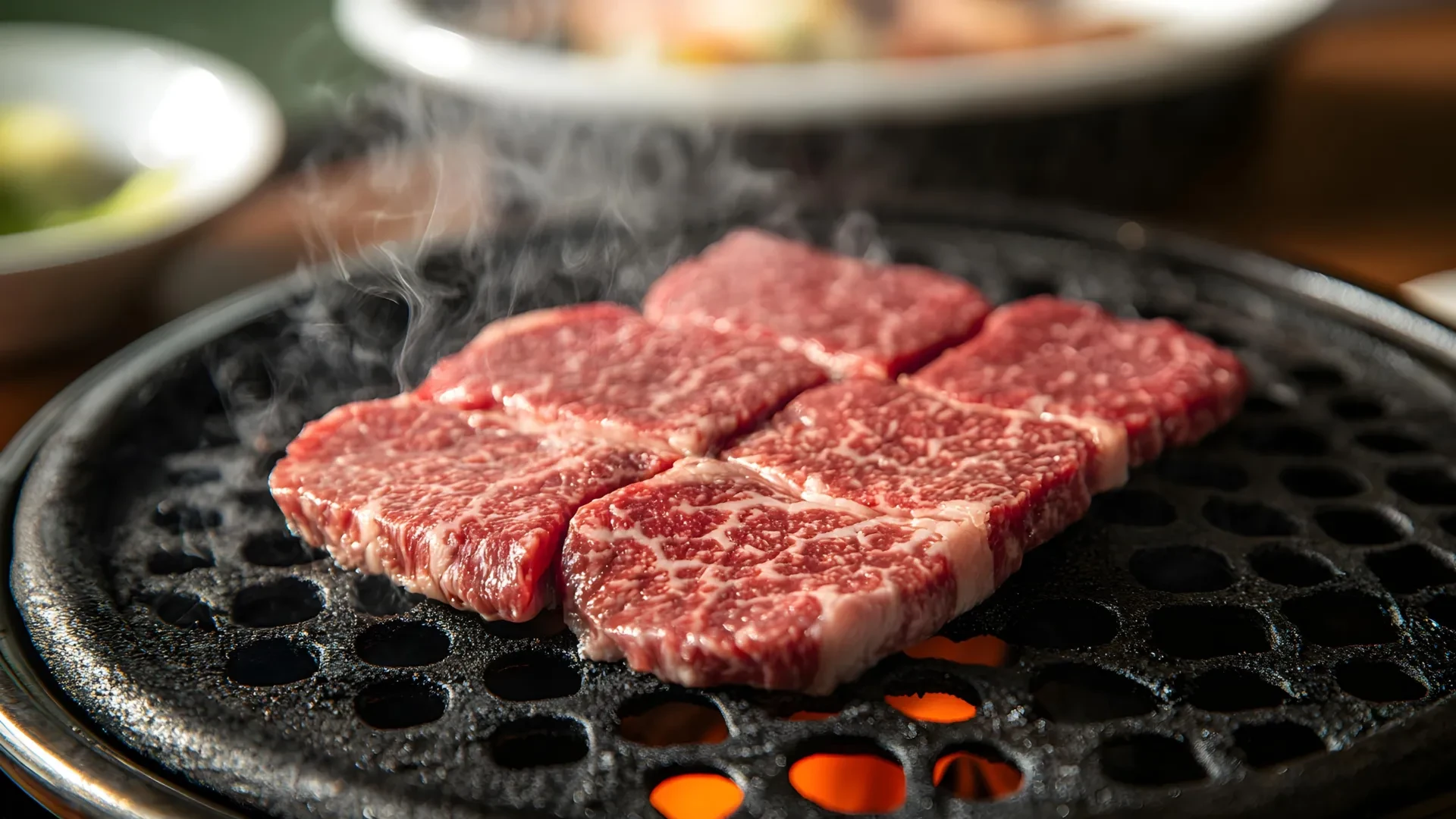
Wagyu beef is globally celebrated for its exceptional tenderness, rich flavor, and signature marbling—qualities that command premium prices in international markets. However, breeding cattle that consistently express these elite traits has historically been a slow, probabilistic endeavor.
The newly unveiled genome changes this dynamic by transforming breeding from an art into an exact science. By identifying the specific genetic variants responsible for marbling and other profit-driving characteristics, the DLRC’s research provides the beef industry with an unprecedented selection tool.
This technological leap arrives at a critical juncture for the agricultural sector. Australia’s beef industry, a major player on the world stage, continues to exhibit robust financial and production growth. Official sector metrics underscore the immense scale of the industry:
- Quarterly Production: Australian beef production reached an impressive 706,296 tonnes in the quarter ending June 2025.
- Slaughter Value: The gross value of cattle and calves slaughtered totaled a staggering $4.9 billion during the assessment period.
- Export Valuations: Recent export data highlights that key international segments of the industry are now valued well in excess of $1 billion, reinforcing the vital need for continuous productivity and quality enhancements driven by scientific innovation.
Uncovering Hidden Genetic Diversity
One of the most surprising revelations of the study was the discovery of extensive genetic variation within the Wagyu breed itself. To the untrained eye, elite livestock breeds often appear genetically homogeneous due to strict lineage management and selective breeding practices. However, the high-resolution genome revealed a different reality.
"These structural variants are an untapped genetic resource and some of them may be key to some of the prized traits of cattle," explained Dr. Callum MacPhillamy, a co-lead author of the study from CSIRO. "Moreover, they highlight the hidden diversity present within a seemingly homogeneous breed."
This hidden diversity is a double-edged sword: while it provides breeders with a wider pool of beneficial genetic traits to harness, it also underscores the complexity of managing livestock genetics without inadvertently selecting for hidden vulnerabilities. The new reference genome equips producers with the analytical clarity required to navigate this complexity safely.
Official Statements: Perspectives from the Research Frontline
The magnitude of the Davies Livestock Research Centre’s breakthrough has drawn widespread acclaim from the scientific community, highlighting the collaborative effort required to achieve such a monumental milestone.
Dr. Lloyd Low emphasized the sheer scale of the achievement, pointing out how the new reference redefines our understanding of bovine biology. "We have presented a near complete cattle genome that is 16 percent longer than the current reference genome," Dr. Low stated, emphasizing the meticulous nature of the assembly process.
Echoing these sentiments, study co-lead author Paulene Pineda from the University of Adelaide highlighted the direct impact on the industry’s most prized animal asset. "This new Wagyu genome provides a much more complete and accurate view of the genetic blueprint behind one of the world’s most prized beef breeds," Pineda remarked.
Professor Wayne Pitchford, Director of the DLRC and co-author of the study, underscored the commercial utility of the research for producers worldwide. "The Wagyu genome provides a foundational genetic resource to identify variants responsible for marbling and other traits affecting profit," Professor Pitchford noted, tying scientific discovery directly to commercial viability.
Furthermore, the benefits of the research extend far beyond the niche luxury markets of Wagyu beef. Associate Professor Cynthia Bottema, a co-author from the DLRC, pointed out that the genomic blueprint serves as a universal tool for cattle producers across all breeds. "Our new cattle genome means breeders now have a better tool that will allow for greater precision when identifying and selecting for traits like marbling, fertility and disease resistance—not only in Wagyu, but other cattle breeds as well," she explained.
The foundational strength of the international partnership was also a central theme among the researchers. Reflecting on the long-standing alliance with American institutions, Dr. Low noted: "Work completed jointly by the University of Adelaide and the USDA has led to the assembly of some of the world’s most complete livestock genomes. Together, we pioneered the trio binning method for genome assembly."
Future Outlook: The Road to Pangenomics
Despite the historic nature of this achievement, the team at the University of Adelaide’s Davies Livestock Research Centre views this breakthrough not as a finish line, but as the foundation for the next era of agricultural genomics.
Completing the Chromosomal Map
While the successful assembly of the complete X chromosome and four autosomes represents a massive technical victory, a significant portion of the bovine genome remains to be mapped to the exact same standard of absolute completeness. Future research phases will focus heavily on resolving the remaining complex, repetitive chromosomal regions that have historically resisted high-resolution sequencing. By applying advanced long-read sequencing technologies and refined computational algorithms, the researchers aim to deliver a truly flawless, gap-free bovine reference genome.
The Horizon of Pangenomics
Looking even further ahead, the DLRC has set its sights on a revolutionary concept: the construction of a comprehensive pangenome graph.
Instead of relying on a single linear reference genome—which inherently fails to capture the full spectrum of genetic variation present across different global populations—a pangenome integrates high-quality genomes from multiple diverse cattle breeds and lineages.
"Our next goal is to combine the Wagyu assembly with other high-quality cattle genomes to build a pangenome graph that better represents the full spectrum of genetic diversity in the species," Dr. Low revealed.
This pangenomic approach will provide an infinitely richer, multi-dimensional database for agricultural scientists and commercial breeders alike. By mapping how genes vary not just within a single breed, but across the entire bovine species, researchers will be able to breed cattle that are not only optimized for exceptional meat quality and marbling, but also inherently resilient to the challenges of a changing climate, emerging diseases, and evolving global food security demands.
As this research continues to progress, the work being done at the University of Adelaide and its international laboratories firmly establishes that the future of livestock farming will be forged in the laboratory—securing a more prosperous, efficient, and sustainable future for the global beef industry.