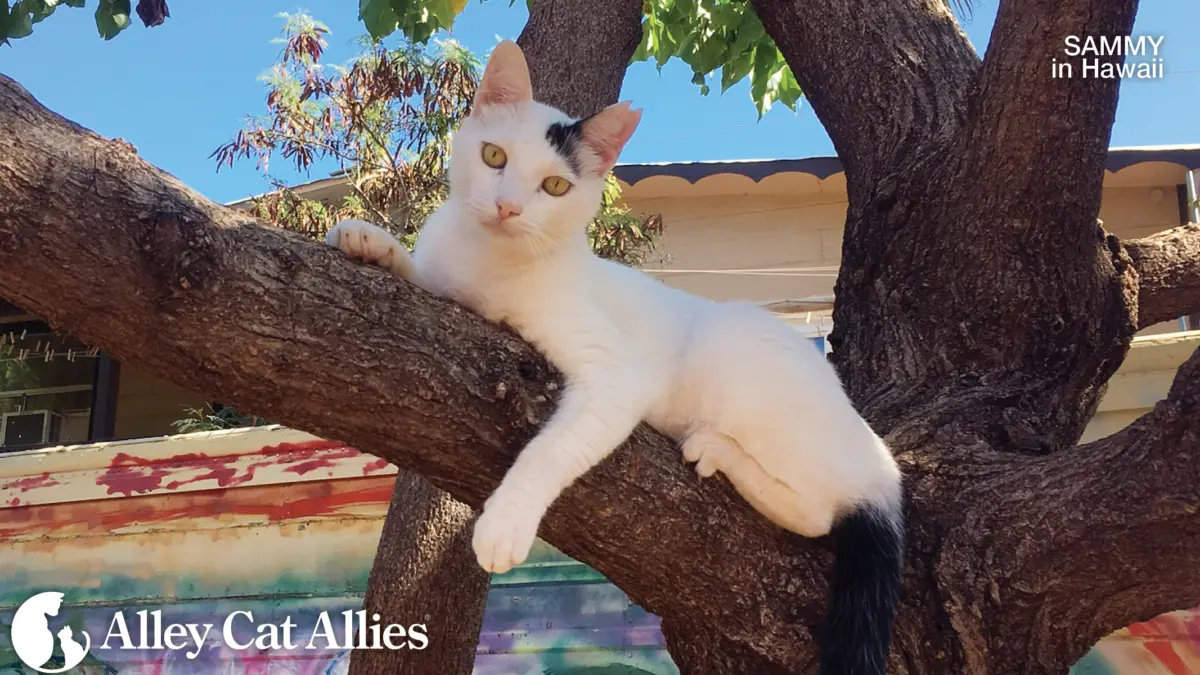

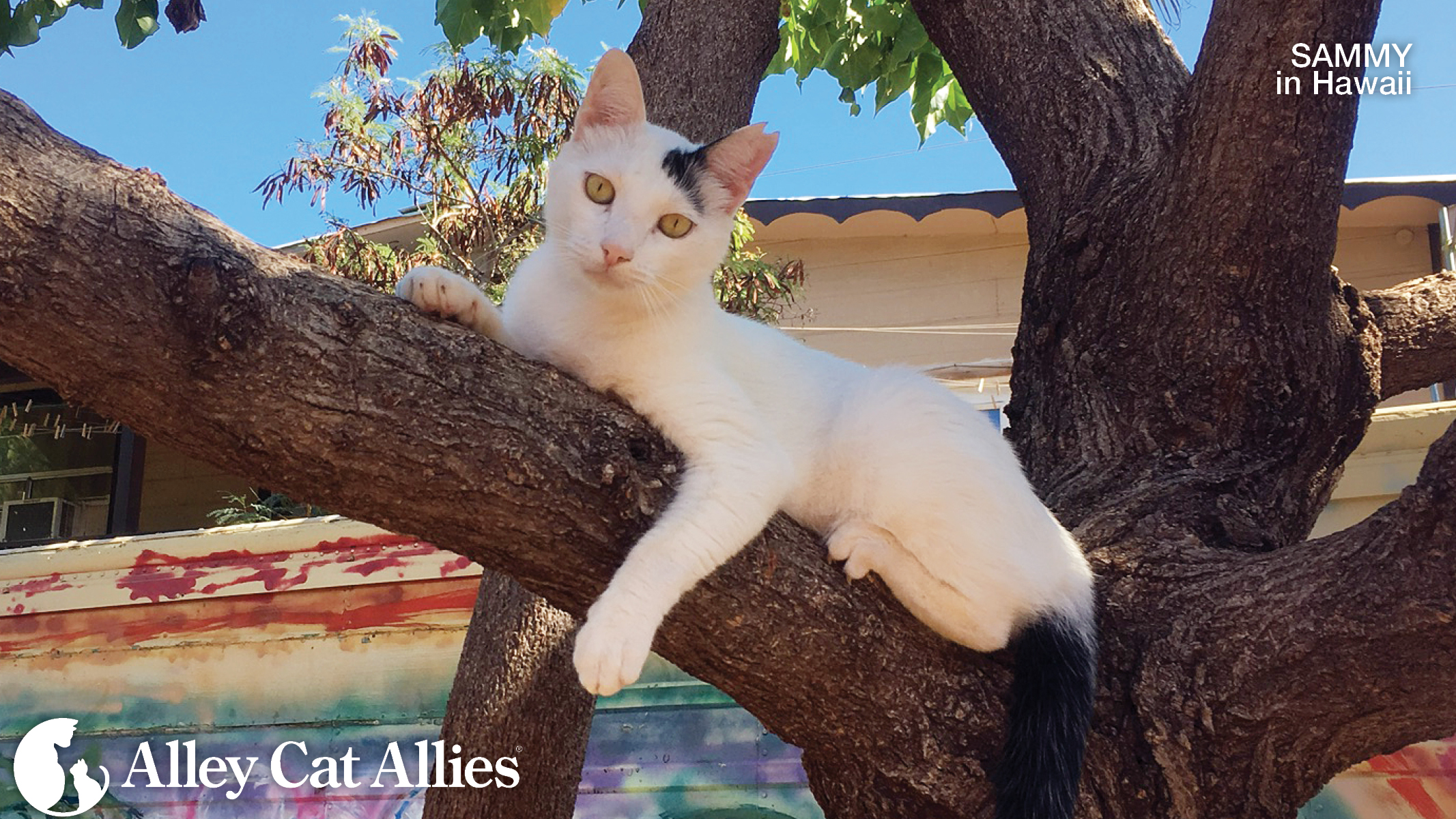
HONOLULU, Hawaii — August 26, 2026 — A high-stakes regulatory showdown is unfolding in the Hawaiian Islands, placing the protection of indigenous wildlife on a direct collision course with humane animal welfare practices. At the center of the controversy are proposed amendments to Hawaii Administrative Rule (HAR) Chapter 13-124, advanced by the Department of Land and Natural Resources (DLNR).
Critics, led by the international advocacy organization Alley Cat Allies, argue that the sweeping regulatory changes not only violate state law and exceed executive agency authority, but also institute a cruel, archaic preference for lethal pest control over proven, evidence-based management strategies like Trap-Neuter-Return (TNR). As public scrutiny intensifies, the outcome of this dispute could permanently alter how Hawaii manages its outdoor feline populations and approaches complex ecological conservation.
Executive Overview
The debate centers on the DLNR’s newly proposed framework for managing wildlife and domestic animals on state-managed lands. While state officials frame the measures as a necessary defense for Hawaii’s vulnerable native, threatened, and endangered species, animal welfare advocates view the rules as a sweeping overreach that criminalizes compassion.
The proposed amendments to HAR Chapter 13-124 would authorize the DLNR to impound or destroy domestic animals—including community cats—that are not crated, caged, contained, or leashed. Furthermore, the rules would effectively outlaw the feeding of outdoor cats on DLNR lands, a prohibition that would directly dismantle the infrastructure of TNR programs.
Alley Cat Allies, representing a global coalition of more than 1.8 million supporters and advocates, formally submitted scathing testimony opposing the amendments. The organization asserts that the rules are legally vulnerable on multiple fronts: they exceed the DLNR’s statutory authority, violate Hawaii’s animal cruelty statutes, suffer from unconstitutional vagueness, bypass the state legislature’s authority, and ignore the primary driver of biodiversity loss—human development and habitat destruction.
Detailed Chronology of the Dispute
To understand the gravity of the current regulatory push, it is necessary to examine the timeline of wildlife management, legislative battles, and administrative policymaking in Hawaii.
- 1990: Alley Cat Allies is founded, pioneering the promotion of non-lethal, evidence-based community cat care, anchored by Trap-Neuter-Return (TNR), across the globe.
- Historical Context: For decades, Hawaii has grappled with fragile ecosystems featuring high rates of endemic species found nowhere else on Earth. Conservation efforts have frequently pitted wildlife advocates against animal welfare groups over the presence of free-roaming and community cats.
- 2022: The Hawaii State Legislature debates House Bill 1987 (HB 1987), a comprehensive measure attempting to address the intricate intersection of animal welfare and wildlife conservation on the islands. After significant debate regarding its complexity and social controversy, the legislature ultimately declines to pass the bill.
- August 2026: The DLNR pushes forward with proposed amendments to HAR Chapter 13-124, effectively attempting to implement through administrative rulemaking the exact types of restrictive, sweeping cat management policies that the elected legislature declined to codify in 2022.
- August 26, 2026: Alley Cat Allies actively participates in the remote public hearing on HAR 13-124 and formally releases its comprehensive opposition testimony, demanding the complete withdrawal of the proposed amendments.
Supporting Context & Metrics: The Flaws of Lethal Control and the Reality of Conservation
The debate in Hawaii touches upon fundamental questions of ecology, administrative law, and humane ethics. Proponents of the DLNR amendments often rely on the assumption that removing cats via lethal methods is the fastest route to protecting native bird populations. However, animal welfare scientists and independent conservation data point to a far more complex picture.
1. The Real Threat: Habitat Destruction and Human Development
While outdoor cats are frequently singled out in public debates, consensus among leading ecological organizations indicates that human activity is the primary culprit behind species extinction. The American Bird Conservancy explicitly notes on its official platform that "habitat loss is the single largest threat to birds."
Climate change, urbanization, commercial real estate development, and the introduction of invasive plant species degrade ecosystems far more aggressively than managed cat populations. Alley Cat Allies argues that framing cats as the singular villain allows policymakers to sidestep the difficult, expensive, and politically unpopular work of true habitat preservation.
2. Why Lethal Control Fails
Lethal removal—such as trapping and euthanizing community cats—has been proven time and again to be an ineffective long-term management strategy. Decades of wildlife biology data demonstrate the "vacuum effect": when a population of cats is removed from a specific area, surviving cats from surrounding regions quickly move in to take advantage of remaining food sources and shelter, or the remaining population experiences a rebound through accelerated breeding. Lethal control is a revolving door that fails to achieve permanent population reduction.
3. The Science of Trap-Neuter-Return (TNR)
In contrast, TNR is internationally recognized as the only humane and scientifically proven method to stabilize community cat populations. Under a TNR protocol:
- Cats are humanely trapped.
- They are sterilized (spayed or neutered) and vaccinated against rabies and other diseases.
- They receive medical evaluation and treatment for injuries or illnesses.
- Their left ear is tipped (eartipped) while under anesthesia as a universal sign that they are spayed/neutered and vaccinated.
- They are returned to their outdoor home, where they live out their natural lives without contributing to population growth.
Published scientific literature confirms that TNR ends the breeding cycle immediately, naturally reducing population numbers over time while eliminating nuisance behaviors associated with unsterilized cats, such as yowling, fighting, and territorial spraying. Furthermore, the mandatory vaccination component of TNR actively safeguards public health.
Legal Analysis and Official Arguments Against the Amendments
Alley Cat Allies’ formal opposition testimony outlines a multi-layered legal critique, asserting that the DLNR’s proposed rules cannot withstand judicial scrutiny.
Exceeding Agency Statutory Authority
Under Hawaii Revised Statute (HRS) § 195D-6, the DLNR is granted limited authority to adopt rules necessary to carry out Chapter 195D. However, the legislature explicitly defined the term "take" in HRS § 195D-2 to apply exclusively to endangered and threatened species, specifically excluding indigenous species.
The DLNR’s proposed amendments attempt to unilaterally broaden the definitions of "take," "harm," and "harass" to cover indigenous wildlife as well. Legal experts note that an administrative agency cannot expand the scope of a statute through rulemaking; doing so represents an unconstitutional usurpation of legislative power.
Conflict with State Animal Cruelty Laws
Administrative rules are strictly subordinate to state statutes. HRS § 711-1108.5 explicitly prohibits intentionally, knowingly, or recklessly causing an animal’s death, physical harm, or subjecting it to cruel neglect. By authorizing the DLNR to "impound or destroy" uncontained domestic animals and banning the provision of sustenance (feeding) on public lands, the proposed amendments would directly promote physical harm and cruel neglect, rendering the rule legally invalid.
Unconstitutional Vagueness and Arbitrary Enforcement
Due process principles require that administrative rules provide clear notice of prohibited conduct and enforce strict standards to prevent arbitrary or discriminatory application. The vague wording and undefined terms within the DLNR draft fail to meet constitutional thresholds, opening the door to erratic and subjective enforcement across different districts.
A Blanket, One-Size-Fits-All Approach
The proposed amendments impose a blanket ban across all DLNR-managed lands without requiring site-specific ecological assessments. Ecologically, not all state lands share the same topography, native species mix, or human-wildlife conflicts. Implementing a uniform prohibition without localized scientific justification violates sound resource management and administrative law.
Separation of Powers Violations
The failed passage of Hawaii House Bill 1987 in 2022 demonstrates that the state legislature carefully considered cat management policies and chose not to enact them. When the legislature explicitly declines to pass a law, an executive agency cannot bypass the democratic process to implement the exact same policy via administrative fiat.
Future Outlook: What Lies Ahead for Hawaii’s Communities and Cats
The public comment and opposition phase marks a critical turning point for the future of animal welfare in Hawaii. Alley Cat Allies has formally urged the DLNR to withdraw the proposed amendments in their entirety.
If the DLNR chooses to move forward despite mounting legal and public opposition, the rules are widely expected to face immediate challenges in the state courts. Animal advocates, local rescue organizations, and legal scholars are mobilizing to ensure that Hawaii’s regulatory bodies remain accountable to the rule of law and the principles of humane treatment.
Ultimately, animal welfare groups emphasize that conservation and compassion are not mutually exclusive. By abandoning ineffective lethal control methods and instead investing in collaborative, community-backed TNR initiatives—while refocusing conservation budgets on genuine environmental threats like human development—Hawaii can protect its fragile indigenous wildlife while honoring its ethical obligations to domestic animals and the citizens who care for them.
Join the Movement
Since 1990, Alley Cat Allies has led the global movement to protect and improve the lives of all cats. Today, more than 1.8 million supporters stand united in this mission, looking to the organization for leadership in humane, evidence-based programs.
To stay informed on the latest developments in Hawaii, learn how to take action, and support programs that defend cats and kittens, visit Alley Cat Allies. Together, we can build a world where every cat is valued, and every community possesses the policies and resources needed to protect them.