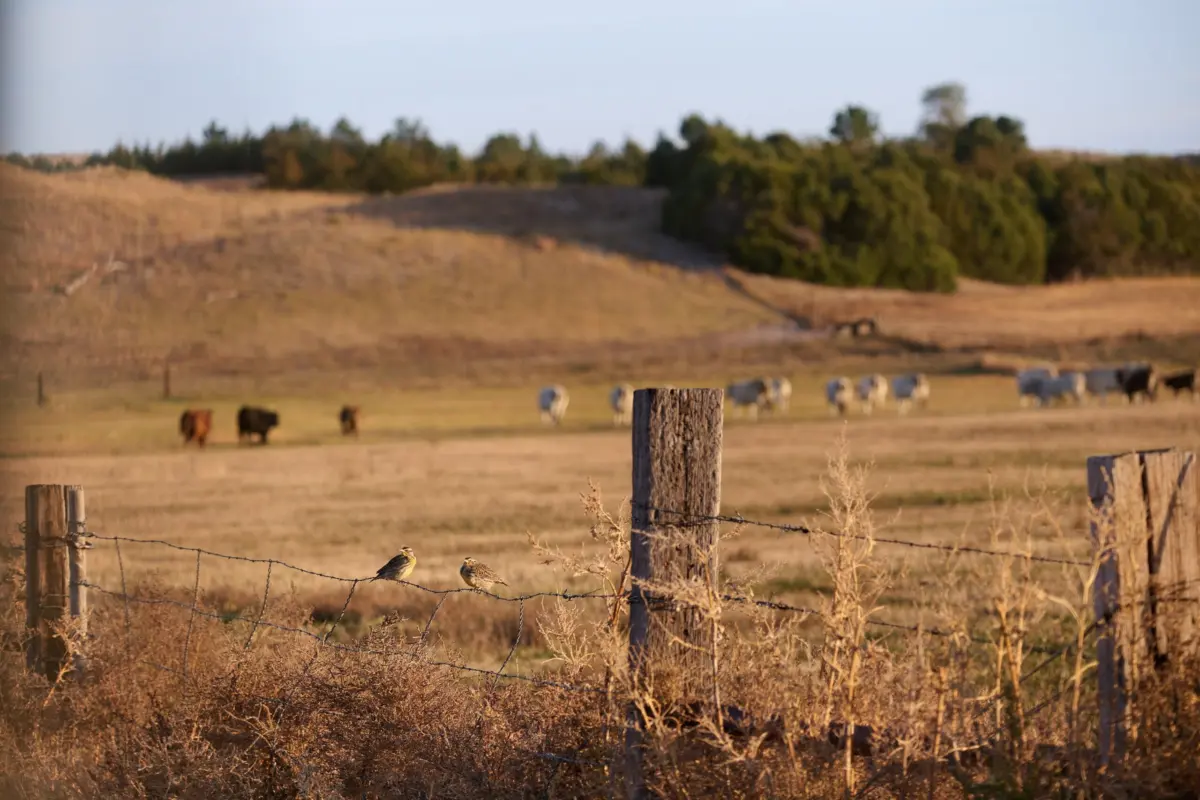

WASHINGTON, D.C. — In an era defined by intensifying climate pressures, mounting economic strains on rural communities, and the accelerating degradation of North America’s native ecosystems, federal lawmakers have introduced a pioneering legislative framework aimed at bridging the gap between agricultural productivity and environmental conservation.
The Rebuilding America’s National Cow Herd (RANCH) Act, introduced in the United States Senate by a bipartisan coalition led by Senators Mike Rounds (R-SD) and Amy Klobuchar (D-MN), arrives at a critical convergence point for the American heartland. For decades, the nation’s agricultural landscape has faced a dual crisis: the quiet, continuous disappearance of native grasslands—alongside the steepest population declines of any bird group in North America—and a profound contraction of the U.S. cattle inventory, which has recently plummeted to its smallest size in more than 70 years.
Designed to address these interconnected challenges, the RANCH Act would establish a dedicated, voluntary U.S. Department of Agriculture (USDA) program providing technical and financial assistance to agricultural producers. Specifically, the initiative encourages the conversion of marginally productive, erosion-prone cropland back into native grasses and perennial forage. By empowering farmers and ranchers to restore these working landscapes, the legislation seeks to stimulate rural economies, enhance soil health, safeguard vital water resources, and reestablish critical breeding and foraging grounds for plummeting grassland bird populations.
Backed by a broad coalition of major conservation organizations—including the National Audubon Society, the National Wildlife Federation, Pheasants Forever and Quail Forever, and the South Dakota Grassland Coalition—the RANCH Act represents a paradigm shift in how policymakers view the relationship between working lands and environmental stewardship. Rather than casting agriculture and conservation as competing interests, the proposed legislation champions a cooperative model where ecological health and economic profitability reinforce one another.
Executive Overview: A Dual Crisis on the American Plains
To fully grasp the significance of the RANCH Act, one must examine the profound economic and ecological pressures currently reshaping rural America. Over the past several decades, intensive farming practices, land-use conversions, and economic consolidation have systematically eroded the foundational ecosystems of the Great Plains and surrounding agricultural regions.
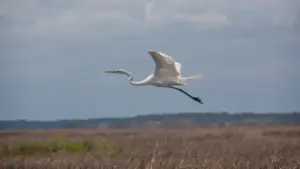
On the ecological front, North America’s grassland birds are experiencing an unprecedented demographic collapse. According to comprehensive avian monitoring data, grassland-dependent species have suffered steeper and more consistent population declines than any other avian guild on the continent. Birds such as the Western Meadowlark, Bobolink, Greater Prairie-Chicken, and various sparrows rely heavily on unbroken expanses of native prairie for nesting, rearing young, and foraging. As these landscapes are fragmented or plowed under for marginal crop production, these vulnerable species lose the essential habitats required for their survival.
Simultaneously, the foundational pillars of the nation’s livestock sector are under unprecedented stress. Driven by prolonged droughts, high feed costs, and generational transitions in farm ownership, the U.S. cattle herd has shrunk to its lowest inventory level in over seven decades. This historic contraction ripples across rural communities, threatening the viability of family-owned ranches, reducing processing efficiencies, and driving up beef prices for consumers nationwide.
The RANCH Act directly confronts this complex matrix of challenges by treating the root cause: the underutilization and degradation of marginal agricultural lands. By providing voluntary, incentive-based tools to transition low-yielding crop acreage into resilient perennial pastures, the legislation aims to achieve three vital outcomes simultaneously:
- Rebuilding the National Cow Herd: Expanding available grazing acreage to support herd growth and lower operational barriers for the next generation of livestock producers.
- Restoring Grassland Ecosystems: Reintroducing native grasses and forbs to reverse biodiversity loss and provide a lifeline for declining wildlife populations.
- Bolstering Working Lands Resilience: Enhancing long-term soil health, mitigating carbon loss, preventing topsoil erosion, and protecting regional water quality.
Detailed Chronology: From Grassroots Pilot to Capitol Hill
The introduction of the RANCH Act did not happen in a vacuum; rather, it is the legislative culmination of years of targeted on-the-ground experimentation, rigorous scientific observation, and collaborative community engagement.
The North Dakota Pilot: Proving the Concept
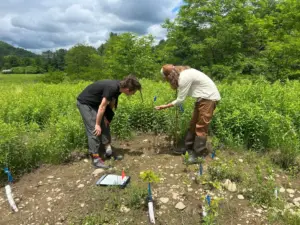
The conceptual foundation of the RANCH Act can be traced directly to the Conservation Forage Program (CFP), an innovative initiative pioneered by the National Audubon Society in North Dakota. Recognizing that traditional federal conservation programs often failed to address the economic realities of working farmers, Audubon launched the CFP as a voluntary cost-share model designed to help agricultural producers convert marginally productive cropland into native perennial grasses and forbs.
The pilot program was built on a simple yet powerful premise: land that produces meager, high-risk crop yields due to poor soil, steep slopes, or erratic moisture can often generate far greater long-term value when restored to native perennial forage. With more than 150 agricultural producers ultimately enrolling in the North Dakota pilot, the initiative yielded overwhelmingly positive results. Participating farmers and ranchers discovered that transitioning marginal acres into managed grazing land not only improved their operational bottom lines by diversifying forage options during drought years, but also instantly created prime nesting and foraging habitat for local wildlife.
Building Bipartisan Momentum
Encouraged by the tangible success of the North Dakota pilot and similar regional initiatives, conservation scientists and agricultural advocates began lobbying federal lawmakers to scale the model nationwide. They argued that a federal program modeled after the CFP could address systemic agricultural challenges on a continental scale.
This grassroots advocacy ultimately captured the attention of Capitol Hill policymakers acutely aware of the mounting strains on cattle producers in states like South Dakota and Minnesota. Working in close consultation with agricultural stakeholders, conservation organizations, and state-level resource coalitions, Senators Mike Rounds and Amy Klobuchar drafted the RANCH Act.
By forging a bipartisan alliance—bridging rural Republican representation with Midwestern Democratic leadership—the bill’s sponsors positioned the legislation to navigate the notoriously partisan waters of congressional agriculture debates. The formal introduction of the RANCH Act marks the opening salvo in a broader legislative campaign to ensure that the upcoming federal farm bill incorporates robust, voluntary, and incentive-based conservation mechanisms tailored specifically to the needs of livestock producers and grassland ecosystems.
Supporting Context, Scientific Metrics, and Environmental Impact
The urgency behind the RANCH Act is underscored by a robust body of environmental science and agricultural economics. Working lands comprise a staggering percentage of the North American landscape, making the management decisions of individual farmers and ranchers a primary determinant of continental biodiversity and watershed health.
Avian Sentinels of Ecological Health
Birds serve as sensitive biological indicators—or "sentinels"—of broader environmental conditions. The precipitous decline of grassland birds signals systemic degradation across the nation’s soil, water, and plant communities. When native prairies are converted to annual croplands, the complex web of life that depends on perennial root systems collapses.
Restoring native grasses through the RANCH Act will reintroduce structural diversity to agricultural landscapes. Perennial grasses possess deep, intricate root systems that anchor the soil, sponge up heavy rainfall, and sequester significant quantities of atmospheric carbon dioxide. For birds, these restored tracts provide safe nesting cover protected from the destructive timing of annual crop harvesting and tillage operations.
Soil Health, Hydrology, and Economic Viability
Beyond avian conservation, the ecological benefits of grassland restoration are far-reaching:
- Erosion Mitigation: Marginal croplands are frequently prone to severe wind and water erosion when left bare between growing seasons. Perennial grass cover acts as a permanent shield, drastically reducing topsoil loss.
- Water Quality Protection: Dense root structures and undisturbed soils filter agricultural runoff, trapping excess nutrients and preventing harmful agricultural chemicals from leaching into vital aquifers and regional watershed systems.
- Drought Resilience: Perennial pastures exhibit superior water-holding capacities compared to intensively tilled soils, helping ranching operations weather severe drought cycles with minimal disruption to forage availability.
From an economic perspective, the legislation offers a stabilizing force for family farms. Input costs for synthetic fertilizers, herbicides, and fuel have surged in recent years, squeezing profit margins on marginal crop acres. By shifting these high-risk, low-return fields into low-input grazing lands, producers can reduce their exposure to volatile commodity markets while unlocking new revenue streams through livestock production.
Voices from the Field: Perspectives from Producers and Partners
The RANCH Act has drawn widespread praise from a diverse coalition of agricultural producers, conservation groups, and regional stewardship initiatives, all of whom emphasize the practical, common-sense nature of the legislation.
Stewarding the Land: The Rancher’s Perspective
Dan Rasmussen, who—along with his wife, Dawn—manages and stewards the 33 Ranch near Belvidere, South Dakota, offers a firsthand account of the synergy between intensive land management and ecological health.
"I’m encouraged to see Congress listening to the voices of farmers and ranchers who work in grasslands every day," said Dan Rasmussen. "Strong grass-based agriculture depends on healthy, productive grasslands, and investments in voluntary grazing and conservation practices help keep ranching businesses profitable for the long term. Through our work with Audubon and other partners, we’ve seen firsthand that when we manage grasslands well, our cattle benefit, wildlife thrives, and water quality improves. That’s a win for ranchers, rural communities, and everyone who depends on these working lands."
Coalition and Organizational Endorsements
The legislation’s broad appeal is reflected in the enthusiastic backing of prominent agricultural and conservation organizations across the country:
-
Marshall Johnson, Chief Conservation Officer at the National Audubon Society:
"Voluntary, incentive-based conservation programs are vital for reversing the concerning drop in grassland birds and supporting our nation’s agricultural producers. We thank Sens. Rounds and Klobuchar for their bipartisan leadership in introducing the RANCH Act, which demonstrates how conservation and agricultural production can go hand in hand."
-
AJ Munger, South Dakota Grassland Coalition:
"The RANCH Act gives producers a voluntary, practical way to return marginal cropland to grass and get more cattle back on the landscape, supporting herd rebuilding, creating entry points for young ranchers, and improving the soil health and wildlife habitat that the Coalition has championed for years."
-
Laura Kahler, South Dakota Grassland Initiative:
"The RANCH Act is a commonsense tool that will help producers restore marginal cropland to resilient grassland, benefiting ranchers, rural communities, and the landscape alike."
-
Andrew Schmidt, Director of Government Affairs for Pheasants Forever and Quail Forever:
"The RANCH Act is a smart investment in America’s working lands at a critical time for farmers, ranchers, and rural communities. Giving producers the tools to convert marginal cropland to grazing land can help ranchers grow their operations, bring more grass back to the landscape, and increase the habitat that pheasants, quail, and other wildlife depend on."
-
Aviva Glaser, Associate Vice President of Agriculture and Grasslands Conservation for the National Wildlife Federation:
"Well-managed, restored grazing lands provide important habitat for wildlife while supporting ranchers, farmers, and rural economies… By restoring these lands for grazing, this bill can help rebuild the U.S. cow herd while delivering a win for wildlife, ranchers, and rural communities alike."
Future Outlook: Path Forward for the RANCH Act
As the RANCH Act makes its way through the legislative process, its proponents are gearing up for sustained advocacy to ensure its core provisions are integrated into broader federal agricultural policy. With the legislative framework already establishing a clear, voluntary, and incentive-based mechanism for land conversion, attention is now turning to coalition-building on Capitol Hill.
The involvement of influential groups such as the National Audubon Society, the National Wildlife Federation, Pheasants Forever, and state-level grassland coalitions ensures that the bill possesses robust grassroots backing. Furthermore, the explicit alignment between cattle industry needs and wildlife conservation provides a powerful bipartisan narrative that resonates across political divides.
Moving forward, the primary objective for lawmakers and advocacy partners will be educating congressional colleagues on the urgent economic and ecological vulnerabilities facing America’s grasslands and livestock sectors. If successfully enacted, the RANCH Act promises to serve as a transformative blueprint for the future of American agriculture—proving that economic vitality and environmental stewardship are not mutually exclusive, but rather twin pillars necessary for the preservation of the nation’s working lands for generations to come.