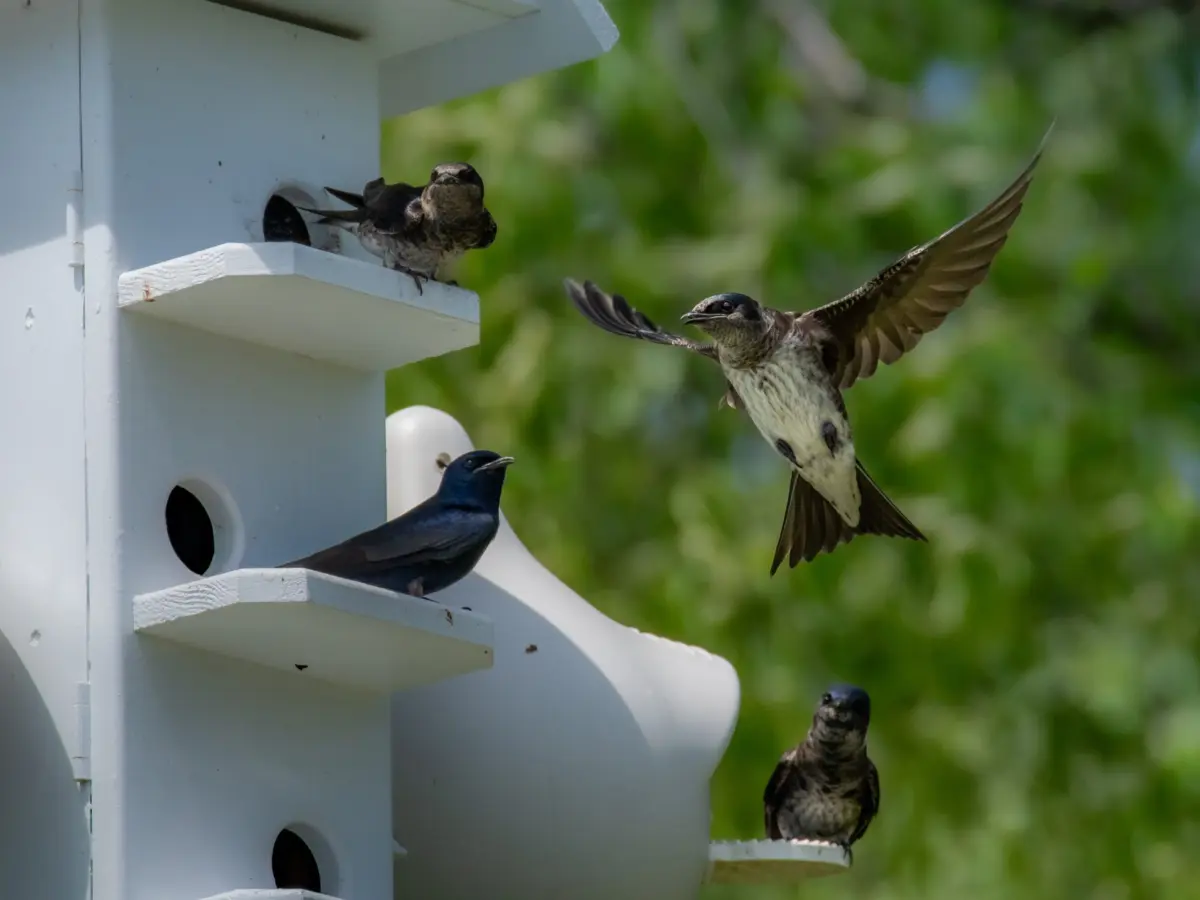

WASHINGTON — In a rare display of legislative bipartisanship on Capitol Hill, the U.S. House of Representatives passed a trio of vital, Audubon-backed conservation bills this week. This legislative package aims to fundamentally transform how the federal government invests in locally led bird conservation, aquatic ecosystem restoration, river and wetland rehabilitation, and coastal resilience.
The measures—which collectively target some of the nation’s most ecologically significant and economically vital watersheds—now advance to the U.S. Senate for consideration. Environmental advocates, lawmakers, and conservationists are mobilizing to urge swift upper-chamber action before the conclusion of the current congressional session.
Executive Overview: A Unified Legislative Push for Ecological Security
The passage of these three distinct yet interconnected bills underscores a growing bipartisan consensus in Washington: ecological health and community resilience are inextricably linked. As climate volatility increases the frequency of severe weather events, flooding, and severe droughts across the United States, policymakers are increasingly turning toward nature-based infrastructure solutions.
The legislative package focuses on:
- Natural and Nature-Based Infrastructure: Utilizing the U.S. Army Corps of Engineers to deploy natural barriers, wetland restorations, and living shorelines rather than relying solely on traditional "grey" infrastructure like concrete seawalls and levees.
- Geographic Scope: Targeting major American water basins and flyways, including the Florida Everglades, the Great Lakes, the Rio Grande, the Lower Mississippi River, the Great Salt Lake, and the Chesapeake Bay.
- Locally Led Conservation: Empowering state, local, and tribal stakeholders to spearhead conservation initiatives tailored to the unique biological and hydrological demands of their regions.
- Migratory Connectivity: Protecting and restoring the vast, interconnected network of habitats that migratory birds rely on for breeding, foraging, and resting throughout their annual cycles.
With the legislative baton now passed to the Senate, environmental stakeholders are pressing for expedited hearings and floor votes, hoping to secure presidential sign-off before the year concludes.
Detailed Chronology: How the Legislation Navigated the House
The successful floor votes represent the culmination of months of behind-the-scenes negotiations, committee markups, and advocacy campaigns led by conservation organizations, regional coalitions, and bipartisan congressional champions.
The Path to the Floor
The momentum leading up to this week’s votes began taking formal shape earlier in the legislative calendar, as committees of jurisdiction—principally the House Transportation and Infrastructure Committee and the House Natural Resources Committee—began drafting reauthorizations and project-specific authorizations.
During committee hearings, experts from the fields of hydrology, ornithology, and civil engineering testified on the cascading benefits of investing in watershed health. Data presented to lawmakers highlighted that every dollar invested in wetland and river restoration yields significant returns in avoided flood damages, improved water quality, and enhanced recreational economies.
The Core Legislative Components
The package centers around three primary legislative vehicles:
- The Water Resources Development Act (WRDA) of 2026 (H.R. 9497): As the primary legislative mechanism governing the civil works program of the U.S. Army Corps of Engineers, this bill was carefully sculpted to prioritize ecological restoration alongside traditional navigation and flood-risk management missions. It directs the Corps to systematically integrate nature-based solutions into project planning, significantly lowering the long-term maintenance costs of flood mitigation while simultaneously expanding vital habitats.
- The Chesapeake Bay WATERS Act (H.R. 6893): Focused on one of the world’s most productive and historically troubled estuaries, this bill secures the long-term reauthorization of foundational science, habitat restoration, water quality monitoring, and environmental education programs administered directly through the National Oceanic and Atmospheric Administration’s (NOAA) Chesapeake Bay Office.
The Floor Votes and Immediate Aftermath
Following days of debate and the consideration of various amendments aimed at fine-tuning project scopes, the measures secured robust bipartisan majorities. The cross-party support reflects the reality that environmental degradation and water scarcity transcend political boundaries, impacting rural agricultural districts and dense urban centers alike.
Supporting Context & Metrics: Why These Ecosystems Matter
To understand the profound significance of this legislative package, one must examine the scale of the ecological challenges facing the United States and the economic and biological stakes involved.
The North American Bird Crisis
North America has lost nearly 3 billion birds since 1970—a staggering 29% decline across nearly all biomes. This alarming trend is driven primarily by habitat loss, fragmentation, and climate change. Birds serve as quintessential bioindicators; their population health reflects the overall health of our air, water, and land.
Birds depend on a continuous, unbroken chain of habitats throughout their life cycles. A disruption in this chain—such as the draining of a critical migratory stopover wetland in the Great Salt Lake basin or the degradation of nesting grounds in the Everglades—can precipitate catastrophic population declines. The bills passed this week provide targeted funding and authorization to heal these critical nodes in the North American flyways.
Deep Dive into Target Watersheds
- The Everglades: Often referred to as the "River of Grass," the Greater Everglades ecosystem is vital for dozens of wading bird species, including the Wood Stork and Roseate Spoonbill. Restoration efforts authorized and supported through these legislative mechanisms help regulate freshwater flow, combat saltwater intrusion, and secure drinking water for millions of Floridians.
- The Great Lakes: Containing roughly 20% of the world’s fresh surface water, the Great Lakes basin supports a massive web of coastal wetlands, marshes, and river mouths. These areas are critical staging grounds for millions of waterfowl and migratory songbirds navigating the Atlantic and Mississippi flyways.
- The Rio Grande: Serving as a life-giving ribbon through arid landscapes, the Rio Grande corridor is an essential oasis for desert-dwelling and migratory avian species. Water management and restoration authorized under these bills help balance agricultural demands with critical environmental flows.
- The Lower Mississippi River: This massive alluvial valley functions as a hyper-critical bottleneck for North American migration. Restoring its batture lands, bottomland hardwood forests, and oxbow lakes provides essential foraging habitat for Neotropical migratory birds.
- The Great Salt Lake: Facing unprecedented ecological collapse due to water diversion and severe drought, the Great Salt Lake is a critical hemispheric reserve for millions of eared grebes, Wilson’s phalaropes, and American white pelicans. Federal support for its watershed is now viewed by scientists as an urgent national priority.
- The Chesapeake Bay: Spanning six states and the District of Columbia, the Chesapeake watershed is home to more than 3,600 species of plants and animals, including iconic populations of ospreys, bald eagles, and waterfowl. The Chesapeake Bay WATERS Act ensures that NOAA maintains the scientific and programmatic rigor necessary to guide ongoing recovery efforts.
Official Statements and Stakeholder Perspectives
The legislative breakthrough has drawn widespread praise from conservation leaders, who emphasize the collaborative nature of the drafting process and the urgency of finalizing the bills into law.
National Audubon Society’s Assessment
Felice Stadler, Vice President of Government Affairs at the National Audubon Society, issued a forceful endorsement of the legislative package immediately following the House votes:
"House passage of these bills demonstrates that lawmakers from both parties can find common ground around practical conservation solutions. Together, these measures give communities more tools to restore habitat, sustain healthy rivers and wetlands, and protect the watersheds that birds and people rely on. We thank the sponsors of the bills and House leaders for this bipartisan momentum and urge the Senate to act quickly so Congress can send these bills to the president’s desk before the end of the year."
Stadler’s remarks highlight the strategic shift toward pragmatic, localized, and nature-centric investments that yield mutual benefits for human infrastructure and wildlife conservation.
Congressional Intent and Bipartisan Resolve
Key sponsors and committee leaders on both sides of the aisle echoed these sentiments during floor debates. Proponents emphasized that investing in ecological resilience is not merely an environmental imperative, but an economic necessity. Coastal wetlands buffer storm surges, protecting multi-million-dollar coastal real estate and critical shipping lanes. Healthy rivers filter pollutants naturally, reducing municipal water treatment costs. Restored floodplains absorb excess rainwater, preventing catastrophic property damage in downstream communities.
Future Outlook: The Road Ahead in the Senate
As the legislative focus shifts from the House to the Senate, attention turns to committee calendars and floor scheduling. While the bills enjoyed comfortable bipartisan margins in the House, the Senate operates under different procedural rules, where individual senators can place holds on legislation or demand extensive floor time.
Strategic Priorities for the Senate
Conservation advocates and congressional allies are pursuing a multi-pronged strategy to ensure prompt passage in the upper chamber:
- Unanimous Consent and Packaging: Exploring opportunities to attach or integrate the provisions of these bills into larger, must-pass legislative vehicles, such as annual appropriations packages or broader infrastructure agreements, should standalone floor time prove scarce.
- Engaging Key Committees: Working closely with members of the Senate Environment and Public Works (EPW) Committee and the Senate Commerce, Science, and Transportation Committee to fast-track committee reviews and report the bills favorably to the full Senate.
- Demonstrating Local Economic Impact: Mobilizing local chambers of commerce, outdoor recreation businesses, hunting and fishing groups, and municipal leaders to communicate to senators that these conservation bills are, at their core, economic development and community protection measures.
A Defining Moment for American Conservation
Should the Senate act swiftly and send the legislation to the president’s desk before the conclusion of the congressional session, it will mark one of the most significant collective investments in America’s water resources and avian habitats in recent memory.
By tying federal engineering standards to ecological health, empowering local stewardship, and securing dedicated funding for flagship watersheds from the Everglades to the Chesapeake Bay, this legislative package establishes a robust, future-proof framework. It ensures that generations to come will inherit resilient communities, vibrant natural ecosystems, and thriving populations of the birds and wildlife that define the natural heritage of the United States.
For media inquiries and further information regarding the National Audubon Society’s legislative agenda, please contact Jason Howe at [email protected].