
By Veterinary Practice News Editorial Desk
Published in Practice Management & Culture
Executive Overview
The modern veterinary clinic operates at the intersection of high emotional stakes, demanding medical procedures, and profound human-animal bonds. In an industry where veterinary professionals increasingly face compassion fatigue, burnout, and verbal abuse from stressed pet owners, finding ways to foster a positive, collaborative environment is more critical than ever.
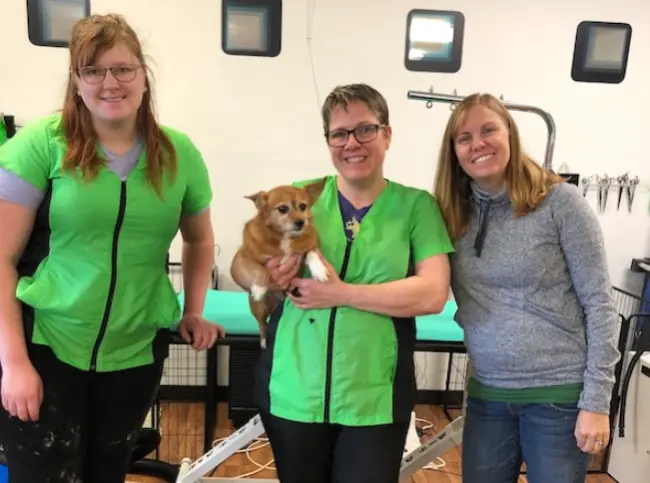
Enter the "Gold Star Client" program, alongside creative engagement strategies like themed pet photography and tech-enabled shelter fundraising. Conceptualized and implemented by Jill Brecklin, CVT, CVPM, these low-cost, high-impact initiatives demonstrate that cultural transformation within a veterinary hospital does not require a massive capital expenditure. Instead, it relies on intentional human connection, sincerity, and the deliberate reinforcement of positive behaviors.
This report examines how proactive veterinary practice management can reshape the clinic ecosystem. By exploring Brecklin’s methodologies, this piece details how simple touches—ranging from five-dollar bill credits for kindness to QR-code-enabled holiday giving trees—can elevate staff morale, enhance organic word-of-mouth marketing, and deepen community ties. Ultimately, these strategies prove that when veterinary teams actively celebrate kindness and community partnership, everyone—from the patient and client to the veterinary technician and veterinarian—benefits.
Detailed Chronology: The Genesis and Evolution of Clinic Culture Initiatives
Phase 1: Identifying the Problem and Creating the "Gold Star Client"
The genesis of the Gold Star Client program stemmed from a universal pain point in veterinary medicine: the disproportionate visibility of negative client interactions. While the vast majority of pet owners are deeply appreciative, veterinary teams tend to remember the high-stress, hostile encounters that drain their emotional reserves.
Recognizing this imbalance, Brecklin sought a mechanism to consciously redirect staff attention toward positive behaviors. The execution of the idea was deceptively simple:
- Identification: When a client in an exam room offered a genuine compliment to the staff, exhibited extraordinary friendliness, or handled receiving difficult medical news with grace and understanding, they were flagged by the team.
- Recognition: Staff members presented the individual with a physical "Gold Star Client" card. On the card, team members penned a personalized note explaining why the honor was bestowed, explicitly thanking the client for their kindness.
- Immediate Incentive: Accompanying the card was a tangible token of appreciation—a $5 credit applied directly to the client’s invoice for that day’s visit.
- Monthly Rewards: At the close of each month, practice management software was utilized to run a report of all recognized Gold Star Clients, entering them into a drawing to win a variety of curated prizes.
Phase 2: Scaling Engagement Through Themed Photography
Building on the psychological momentum of the Gold Star program, the clinic sought to dismantle the sterile, clinical atmosphere often associated with veterinary visits. Hospital visits can be terrifying for pets and anxiety-inducing for owners; transforming the physical and emotional space became the next logical step.
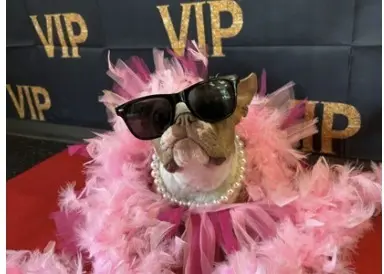
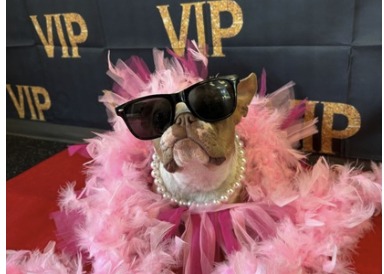
To achieve this, the practice introduced monthly photo themes. Rather than investing in expensive studio setups, the hospital curated small, rotating decorations and simple costume props aligned with seasonal or playful calendars.
- Internal Launch: To normalize the process and build momentum, the clinic initially featured employee pets on its social media channels, modeling participation.
- Client Integration: Front-desk and veterinary technician staff actively advertised ongoing themes, inviting clients to visit a designated photo area during their appointments.
- Omnichannel Sharing: Clients were encouraged to snap photos using their personal smartphones, while clinic staff captured professional-grade shots for the hospital’s digital platforms. This strategy generated an immediate wave of user-generated content, driving organic word-of-mouth marketing as clients shared the images across their personal social media profiles.
- Physical Showcase: To cement a sense of community within the brick-and-mortar location, the clinic established a dedicated monthly bulletin board in the lobby, turning the physical waiting room into a living gallery of local pets.
Phase 3: Institutionalizing Philanthropy via Tech-Enabled Giving Trees
The third pillar of Brecklin’s cultural framework focuses outward: building deep, sustainable partnerships with local rescue organizations and animal shelters. Recognizing that shelters perpetually operate under resource constraints, the clinic sought to bridge the gap between affluent, willing pet owners and rescue animals in dire need.
During the Christmas holiday season, the clinic replaced traditional lobby decorations with a "Giving Tree." Instead of standard ornaments, the tree featured paper cutouts displaying a rescue pet’s photograph, a concise biography detailing their personality and background, and a unique QR code.
Behind the scenes, foster families curated custom Amazon wish lists tailored to their specific foster pet’s nutritional, medical, and enrichment requirements. Clinic visitors could simply walk into the lobby, scan the QR code with their mobile devices, purchase the requested items, and have them shipped directly to the foster parent’s doorstep. This operational brilliance eliminated the need for the clinic to warehouse physical donations while offering clients an frictionless avenue for philanthropy.
Supporting Context & Metrics: The Economics of Appreciation
To evaluate the true value of these initiatives, practice managers must examine both qualitative culture shifts and quantitative metrics. In veterinary medicine, return on investment (ROI) is traditionally calculated through financial margins, inventory turnover, and transaction counts. However, cultural ROI—measured in staff retention, reduced turnover costs, and elevated client lifetime value—is equally vital to a hospital’s bottom line.
Financial and Operational Breakdown of the Gold Star Program
- Initial Capital Investment: A box of custom-designed Gold Star Client cards cost approximately $100.
- Direct Financial Impact: A $5 credit per recognized client. Assuming an average of 20 to 30 recognitions per month, the direct financial write-off amounted to $100 to $150 monthly—a negligible marketing and cultural expense for a mid-to-large-scale veterinary practice.
- Indirect Revenue Gains: Clients who felt acknowledged and valued exhibited higher compliance rates with treatment plans, demonstrated increased patience during wait times, and actively referred friends and family to the hospital.
- Staff Retention Metrics: While difficult to isolate entirely, minimizing toxic client interactions through proactive behavioral reinforcement directly correlates with reduced emotional burnout among veterinary technicians and receptionists, whose turnover rates nationally remain a critical industry challenge.
The Power of Frictionless Philanthropy: Giving Tree Metrics
The holiday Giving Tree pilot program underscored the psychological principle of reducing friction in charitable giving. By removing physical logistical barriers—such as lugging heavy bags of dog food or cans of cat food into an already busy veterinary clinic—participation skyrocketed.
- Scale of Impact: A single tree featuring just 25 rescue pets yielded multiple fulfilled orders per animal during its inaugural run.
- Shelter Visibility: The integration of photo days and QR-code trees positioned the veterinary clinic not merely as a transactional medical facility, but as a community hub dedicated to animal welfare.
Official Statements and Industry Insights
The philosophy underpinning these initiatives challenges traditional, rigid corporate paradigms in healthcare delivery. Industry experts and practice leaders increasingly recognize that patient and client experience is inextricably linked to employee well-being.
"Clients aren’t always expecting extravagance; they are looking for sincerity. This simple idea and process have created such a warm and welcoming feeling in our hospital, in addition to being a true representation of our focus on the human-animal bond."
— Jill Brecklin, CVT, CVPM
Brecklin’s insights reflect a broader movement within veterinary practice management. As corporate consolidation shifts the landscape of veterinary medicine, independent and progressive hospitals are finding that hyper-local, deeply human touches serve as their greatest competitive advantage against sterile, corporate-backed competitors.
Furthermore, community outreach initiatives—such as the clinic’s sponsorship of the annual Bella Ball, a winter gala founded by a client in memory of her dog to benefit local no-kill shelters—exemplify how veterinary hospitals can embed themselves into the cultural fabric of their neighborhoods. By covering everything from sponsorship booths ("Puppy Kisses and Cuddle Booth") to mobilizing staff attendance, the clinic reinforces that its mission extends far beyond the exam room walls.
Future Outlook: Scaling Culture in an Evolving Veterinary Landscape
As the veterinary industry looks toward the latter half of the decade, the integration of emotional intelligence into practice management will no longer be viewed as an optional luxury—it will be a prerequisite for organizational survival.
1. The Integration of Digital and Physical Touchpoints
Future iterations of programs like the Gold Star Client initiative will likely leverage integrated practice management software (PIMS) and mobile applications. Automated text-messaging platforms could notify clients of digital badges or account credits instantly upon receiving stellar feedback from clinical staff, closing the feedback loop in real-time.
2. Combating Compassion Fatigue Through Positivity Loops
The psychological phenomenon of the negativity bias dictates that human brains register negative stimuli more readily than positive ones. By systematically interrupting this cycle with intentional reward structures like Gold Star cards, clinics can artificially construct positive feedback loops. Longitudinal studies in organizational psychology suggest that teams operating within high-positivity frameworks demonstrate enhanced resilience when confronting high-acuity medical crises.
3. Deepening B2B and Non-Profit Synergies
The success of QR-code giving trees and community-sponsored events points toward a future where veterinary clinics operate as central command posts for local animal welfare networks. By leveraging digital supply chains (such as direct-to-foster Amazon and Chewy wish lists), clinics can scale their philanthropic output infinitely without straining physical storage capacities or overwhelming front-desk personnel.
Conclusion
Jill Brecklin’s blueprint for veterinary clinic culture transformation proves that monumental shifts do not require complex operational overhauls or prohibitive budgets. By anchoring practice management in sincerity, appreciation, and community engagement, veterinary hospitals can successfully combat burnout, elevate the client experience, and honor the sacred human-animal bond that drew veterinary professionals to the field in the first place. Whether through a five-dollar bill credit for a kind word, a monthly themed photo board, or a holiday tree saving rescue pets one QR code at a time, the future of veterinary medicine belongs to those who choose to lead with heart.