
Executive Overview
For pet owners, few experiences are as anxiety-inducing as watching a beloved animal companion deviate from their normal baseline behavior. Whether it is a subtle decrease in appetite, an unexplained increase in water consumption, or an uncharacteristic lethargy, these behavioral shifts often force owners into a stressful gray area of uncertainty. When a veterinarian subsequently recommends diagnostic blood work, pet parents are frequently left navigating a maze of medical jargon, wondering what the tests entail, why they are necessary, and how they fit into the broader financial and emotional landscape of pet care.
In modern veterinary hospitals, diagnostic blood work is far more than an administrative upsell or an exercise in excess caution. It is the cornerstone of proactive, evidence-based medicine. Because animals are instinctively driven to mask pain and vulnerability—an evolutionary survival mechanism designed to deter predators—symptoms often do not manifest outwardly until a disease process is dangerously advanced. Blood testing acts as a biological window, revealing the hidden interior mechanics of an animal’s body long before physical examinations can detect outward anomalies.
This comprehensive report explores the indispensable nature of veterinary blood work. By examining why laboratory diagnostics matter, what specific tests reveal, how they contrast with a "wait and watch" approach, and how pet owners can actively partner with veterinary professionals, this article provides an authoritative guide to navigating the complexities of modern animal healthcare.
Detailed Chronology: The Evolution of Diagnostic Decision-Making in Veterinary Care
To understand the value of contemporary veterinary diagnostics, it is helpful to trace the typical timeline of a clinical interaction when an owner brings a pet in for evaluation. This chronology highlights where and why blood work shifts the trajectory of care from reactive guesswork to precise intervention.
Phase 1: The Initial Observation and Physical Examination
The journey begins at home, where an owner notices a micro-shift in the pet’s routine—perhaps sleeping an extra two hours a day or leaving kibble in the bowl. Upon arrival at the veterinary hospital, the veterinarian conducts a comprehensive physical examination. This foundational step involves palpating the abdomen, listening to heart and lung sounds, evaluating hydration levels, checking mucous membranes, and assessing joint mobility.
While a physical exam is vital, it is fundamentally limited to what can be observed, felt, or heard on the exterior. A dog with compensated heart disease or a cat with stage-one kidney disease may present with a completely normal physical exam, appearing bright, alert, and responsive to the clinician’s touch.
Phase 2: The Diagnostic Fork in the Road
When outward symptoms are vague or absent despite underlying pathology, the veterinarian faces a crucial decision point: recommend baseline diagnostics (such as a complete blood count and chemistry panel) or adopt a conservative "wait and watch" posture.
Historically, veterinary medicine leaned heavily on symptomatic treatment—treating the vomiting or the lethargy without probing for the root cause. Today, advancements in clinical pathology have transformed veterinary hospitals into sophisticated diagnostic hubs. The introduction of in-house analyzers allows clinicians to run complex panels in minutes, while reference laboratories provide granular detail on hormonal assays, electrolyte imbalances, and specialized infectious disease markers.
Phase 3: Laboratory Processing and Interpretation
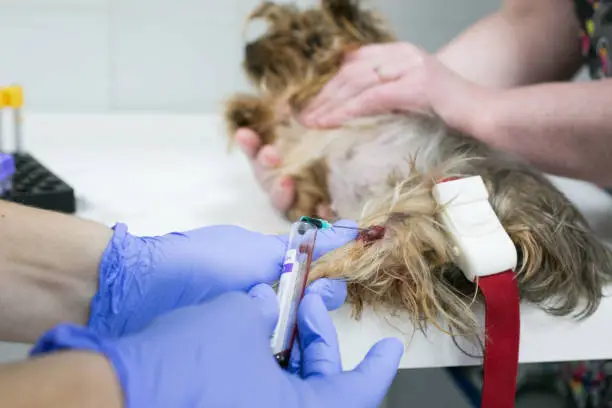
Once blood is drawn—typically from the jugular or saphenous vein—the sample undergoes rigorous analysis.
- The Complete Blood Count (CBC) evaluates cellular components, measuring red blood cells (oxygen delivery), white blood cells (immune response and infection defense), and platelets (clotting capability).
- The Serum Chemistry Panel assesses systemic organ function, analyzing enzymes and byproducts associated with the liver, kidneys, pancreas, and endocrine system, alongside electrolyte and blood sugar levels.
Phase 4: Integration and Treatment Planning
Armed with laboratory data, the veterinarian transitions from a differential diagnosis list to a definitive treatment roadmap. If blood work flags elevated kidney values (such as BUN and creatinine), the clinical team can pivot immediately to targeted renal support, subcutaneous fluids, and dietary modifications. If the results are entirely within normal limits, the veterinarian can safely rule out systemic disease, providing the owner with profound peace of mind and preventing the administration of unnecessary, potentially harmful medications.
Supporting Context & Metrics: The Hidden Toll of Delayed Diagnostics
The debate over whether to run diagnostic blood work is frequently anchored in financial concerns. Veterinary care represents a significant household expense, and added diagnostic line items can strain a family budget. However, analyzing the comparative metrics of proactive testing versus delayed intervention reveals a striking economic and physiological reality.
Comparative Clinical Approaches: Metrics and Outcomes
| Approach | Clinical Benefits | Inherent Risks & Long-Term Costs |
|---|---|---|
| Immediate Diagnostic Blood Work | • Early detection of subclinical disease • Precise baseline values for future comparisons • Mitigation of anesthesia and surgical risks • Elimination of trial-and-error treatments |
• Upfront financial investment • Transient stress to the animal during sample collection |
| The "Wait and Watch" Strategy | • Avoidance of immediate laboratory fees if the condition is transient and self-limiting | • Disease progression during the delay • Narrowed therapeutic window • Exponentially higher emergency intervention and hospitalization costs later |
| Symptom-Based Treatment (No Labs) | • Potential short-term palliation of surface symptoms in isolated cases | • Masking of underlying progressive disease • Inadvertent administration of nephrotoxic or hepatotoxic drugs to compromised organs • Prolonged suffering and diminished prognosis |
The Geriatric Imperative
Statistical data from veterinary epidemiological studies highlight the critical importance of diagnostic testing in aging populations. Pets are generally considered geriatric at seven years of age, though giant-breed dogs reach this milestone even earlier. Longitudinal veterinary data indicates that over 20% of senior pets appearing clinically healthy during a routine wellness exam possess underlying, subclinical abnormalities—such as early renal decline, subclinical diabetes, or endocrinopathies like Cushing’s disease—that are exclusively identifiable via routine blood panels.
When caught in these early stages, management is often straightforward and cost-effective, frequently relying on minor dietary adjustments or mild nutraceutical support. Conversely, when these same conditions are allowed to progress until overt clinical symptoms (such as severe weight loss, collapse, or uremic crisis) force emergency intervention, the cost of treatment—often requiring intensive care unit hospitalization, specialized medications, and continuous monitoring—can be multiples higher, with a significantly compromised long-term prognosis.
Official Statements and Veterinary Guidelines
Leading veterinary institutions and clinical pathology laboratories emphasize that diagnostic blood work should not be viewed as an optional luxury service, but rather as an essential component of comprehensive patient care.
Dr. Elizabeth A. Martinez, a specialist in veterinary clinical pathology, notes:
"Laboratory data acts as the translational bridge between what the animal cannot verbalize and what the clinician must comprehend. When we run a comprehensive metabolic and hematologic panel, we are listening to the quiet, systemic dialogue of organs under stress before they scream for help through overt organ failure."
Furthermore, academic veterinary centers have established rigorous guidelines for standardizing diagnostic approaches. Institutions such as Cornell University’s Animal Health Diagnostic Center and the Tufts University Clinical Pathology Laboratory emphasize that diagnostic panels must be tailored to the individual patient’s history, life stage, and clinical presentation.
According to veterinary testing guidelines published by academic reference centers:
- Pre-Anesthetic Testing: Baseline blood work is strongly recommended prior to any anesthetic event to evaluate drug metabolism pathways, ensuring that hepatic and renal clearance mechanisms are fully operational.
- Therapeutic Drug Monitoring: For pets requiring long-term administration of medications such as anticonvulsants, non-steroidal anti-inflammatory drugs (NSAIDs), or cardiac therapies, periodic blood panels are mandatory to prevent cumulative organ toxicity.
- Wellness Screening: For adult and senior companion animals, annual or biannual baseline wellness profiles establish a personalized physiological fingerprint, making subtle upward or downward deviations immediately apparent to the attending veterinarian.
Future Outlook: The Next Frontier in Veterinary Diagnostics
As veterinary medicine continues to evolve at a rapid pace, the landscape of diagnostic blood work is undergoing a technological renaissance. The future of clinical pathology promises even greater precision, speed, and predictive power for companion animals.
1. Artificial Intelligence and Machine Learning in Lab Interpretation
Modern reference laboratories are increasingly integrating artificial intelligence (AI) algorithms to analyze complex multi-parameter blood panels. These algorithms can cross-reference an individual patient’s results against massive global databases of veterinary outcomes, identifying subtle patterns of multi-organ interaction that even experienced human pathologists might overlook. This technological leap allows for hyper-early detection of complex syndromes, such as early-stage protein-losing nephropathies or subtle endocrine imbalances.
2. Point-of-Care Microfluidics and Biosensors
The timeline for obtaining critical diagnostic results is shrinking. Emerging point-of-care technologies utilize advanced microfluidic chips, enabling veterinary hospitals to run comprehensive panels from a single drop of capillary blood in under five minutes. This capability is revolutionary for emergency and critical care settings, where immediate identification of electrolyte shifts, blood gas abnormalities, or clotting disorders can mean the difference between life and death.
3. Liquid Biopsies and Predictive Biomarkers
Looking further ahead, the veterinary sector is adopting liquid biopsy technologies—originally developed for human oncology—to detect canine and feline cancers through simple blood draws long before tumors become visible via ultrasound or radiography. By analyzing circulating tumor DNA (ctDNA) and specific molecular biomarkers, future veterinary diagnostics will shift from merely diagnosing active disease to predicting oncological risk years before clinical onset.
Conclusion: Empowering the Pet Owner
Navigating the emotional and financial demands of pet parenthood requires a delicate balance of compassion, intuition, and practical decision-making. When a veterinarian recommends diagnostic blood work, it is entirely natural for an owner to pause, weigh the costs, and question the necessity of the procedure.
However, understanding the mechanics and profound clinical value of veterinary blood work reframes it from an added expense into an invaluable investment in your pet’s longevity and quality of life. Blood work removes the guesswork from veterinary medicine, illuminating the hidden biological narrative unfolding beneath your pet’s exterior.
When faced with a recommendation for diagnostic testing, pet owners are encouraged to engage in an open, collaborative dialogue with their veterinary care team by asking three fundamental questions:
- "What specific clinical question is this test designed to answer?"
- "How will these results directly alter or improve today’s treatment plan?"
- "What are the implications if we choose to delay this testing?"
By approaching veterinary diagnostics with informed curiosity and proactive intent, pet owners can ensure their animal companions receive the precise, compassionate, and evidence-based care they deserve—ensuring that when our pets cannot speak for themselves, their blood work speaks volumes.