
Executive Overview
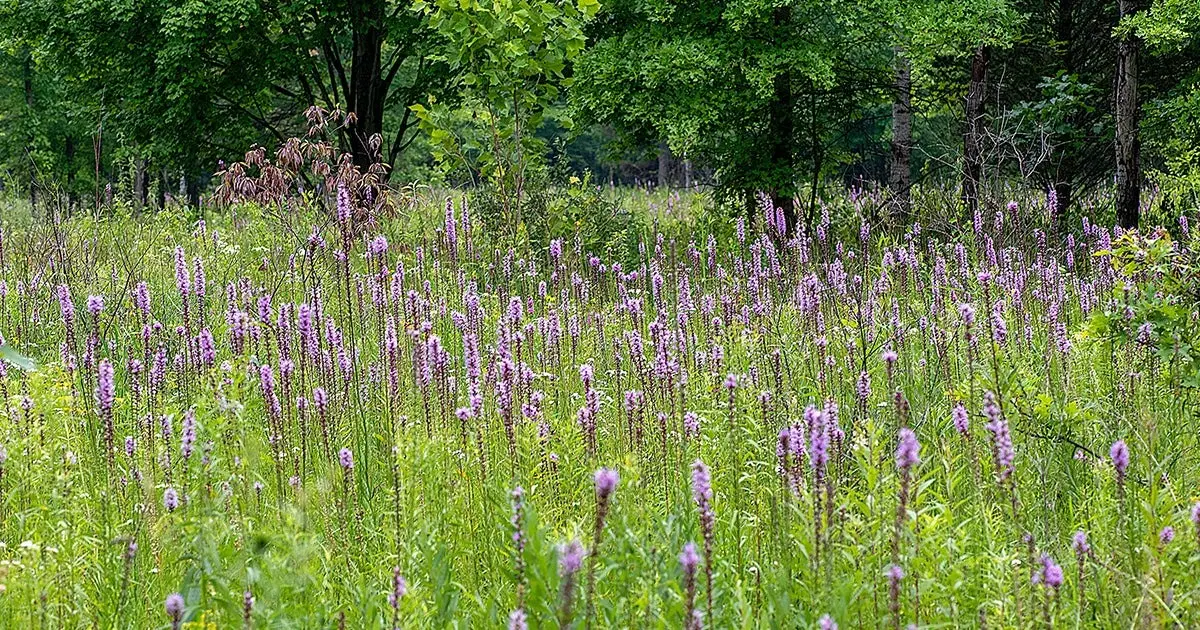
Just 15 miles southwest of downtown Detroit, nestled amid the bustling industrial corridors and endless suburban sprawl of Southeast Michigan, lies an ecological marvel that exists almost nowhere else on Earth. Here, in a sea of native grasses, goldenrods, asters, and blazing stars sway in the breeze. Bats, butterflies, and birds skim the humid air, while foxes rustle quietly through thick stands of big bluestem and Indian grass. This is Sibley Prairie, Michigan’s largest remaining lakeplain prairie—a fragile, irreplaceable vestige of the state’s natural history.
However, this ancient landscape is facing an existential crisis. A 440-acre property encompassing the vast majority of Sibley Prairie is currently owned by Fritz Enterprises, a regional scrap metal processing company. Following a scheduled auction last summer that threatened to parcel off and pave over the biodiverse acreage for commercial, industrial, or residential development, the Michigan Land Conservancy stepped in at the eleventh hour. Backed by a strategic lender, the organization secured a temporary purchase option.
Now, time is running out. A coalition of 13 environmental organizations, operating under the banner of the Save Sibley Prairie Coalition, has until December 11, 2026, to raise a staggering $6 million to officially purchase the land and remove it from the commercial real estate market. If they succeed, they will unlock a legacy of conservation that expands the protected footprint of the prairie to 675 acres, safeguarding an extraordinary sanctuary for rare plants, migratory birds, and endangered wildlife. If they fail, the bulldozers move in, and a globally rare ecosystem is lost forever.
Detailed Chronology: From Glacial Legacy to the Brink of the Auction Block
To understand the modern crisis facing Sibley Prairie, one must trace its origins back thousands of years. Lakeplain prairies are geological rarities native exclusively to the ancient lake basins of the Great Lakes coasts. Formed as glacial lakes retreated, these tallgrass prairies are defined by a unique hydrological rhythm: they flood extensively during the wet winter and spring months, and bake under the summer sun, creating conditions hostile to traditional forest growth but ideal for specialized, flood-tolerant prairie flora.
For millennia, Indigenous peoples served as the primary stewards of this dynamic landscape. Utilizing traditional ecological knowledge and controlled burns, they maintained the open nature of the grasslands, which historically drew megafauna such as bison.
When European settlers arrived, Michigan was far from a barren logging frontier; it featured sweeping expanses of native grasslands. Historically, approximately 160,000 acres of lakeplain prairie blanketed the region. As agriculture, industrialization, and urban expansion accelerated, those ecosystems were systematically drained, plowed, and paved. Today, fewer than 1,000 acres of lakeplain prairie remain in existence across the entire state.
For decades, the core of Sibley Prairie survived in the shadow of heavy industry, largely due to its ownership by Fritz Enterprises. While the scrap metal processor utilized portions of its holdings, the 440-acre parcel remained largely undisturbed, allowing nature to quietly reclaim and preserve the scarred landscape.
However, the fragile status quo shattered last summer when Fritz Enterprises scheduled the property for a commercial auction. The threat of immediate industrial and residential development galvanized local conservationists. Recognizing that an open-market auction could permanently seal the fate of Michigan’s premier lakeplain prairie, the Michigan Land Conservancy executed a high-stakes financial maneuver, securing a binding purchase option with the backing of an institutional lender. This emergency maneuver bought the coalition critical time, but it simultaneously started a relentless countdown to the December 2026 deadline.
Supporting Context & Metrics: Biodiversity, Environmental Justice, and the Nature Gap
The 440-acre Sibley Prairie parcel is much more than an expanse of grass; it is a biological powerhouse. Botanists have cataloged roughly 200 distinct plant species on the property. Beyond its floral diversity, the mosaic of woodlands, wetlands, oak savanna, and tallgrass prairie provides critical habitat for an array of rare, threatened, and endangered species in Michigan. These include the American bumblebee, Barn Owl, Blanding’s turtle, pickerel frogs, and northern flying squirrels.
A Lifeline for Disappearing Grassland Birds
Ornithologists emphasize that Sibley Prairie is an essential sanctuary for North American grassland birds, a group experiencing a catastrophic ecological collapse. According to Audubon data, grassland bird populations have plummeted by more than 40 percent over the past 50 years—a rate of decline far exceeding that of any other group of North American birds.
On the Sibley property, species such as Eastern Meadowlarks, Dickcissels, Upland Sandpipers, and Bobolinks find vital nesting grounds. Furthermore, the prairie’s strategic geographic location—situated just five miles from the Detroit River at the convergence of the Mississippi and Atlantic Flyways—transforms it into an indispensable rest stop for migratory birds. From Sandhill Cranes and Ruby-throated Hummingbirds to apex avian predators like Bald Eagles and Short-eared Owls, countless winged travelers rely on this green haven to refuel during their arduous journeys.
The Human Element and the Environmental Justice Crisis
The fight to save Sibley Prairie transcends biological conservation; it is deeply intertwined with human history and environmental justice. Following the displacement of Indigenous communities and the local eradication of bison (with Michigan’s last recorded wild bison reportedly shot on Sibley Prairie), the land found new caretakers during the Great Migration. While many Black Southerners moved to Detroit to work in the booming automotive industry, others sought out the affordable, wet prairieland to farm.
Today, this historical connection to the land underscores a modern crisis of access. Nearly 5 million people reside in Southeast Michigan, yet many face systemic barriers to green and natural spaces. In Detroit, where parkland accounts for a mere 6 percent of total city land—drastically below the 19 percent national average for major U.S. cities—nature deprivation is a acute urban reality.
This disparity reflects a broader national crisis. Studies from organizations like the Center for American Progress indicate that communities of color nationwide are three times as nature-deprived as white communities. Sibley Prairie offers a rare, transformative opportunity to rectify this imbalance, serving as a vast public natural resource right in the backyard of an urban population.
Official Statements and Perspectives from the Coalition
The Save Sibley Prairie Coalition is an unprecedented alliance of 13 diverse organizations, ranging from traditional land trusts to urban environmental justice groups and bird conservation chapters. The collective weight of their leadership highlights the universal importance of the campaign.
-
Jack Smiley, president of the Michigan Land Conservancy and a leader of the coalition, emphasizes the global stakes of the campaign:
"It’s not just an endangered Michigan resource… It’s a globally rare ecosystem."
-
Jill Lewis, executive director of the Southeast Michigan Land Conservancy (SMLC), points to the historical loss and future potential of the land:
"Before Europeans came, there were 160,000 acres of lakeplain prairie here. Now, there are fewer than 1,000. It’s an amazing natural and cultural resource for the state… It’s survived all these years, despite development around it. With some help, it can thrive, expand and become this beautiful destination down the road from Detroit."
-
Jim Bull, former president of the Detroit Bird Alliance (an Audubon chapter and coalition member), underscores the plight of avian species:
"There’s very little habitat left for them. Any piece that we can save is really important."
-
Antonio Cosme, co-founder of the Black to the Land Coalition—an organization dedicated to reconnecting people of color to the outdoors—focuses on community integration and cultural reclamation:
"Engaging local communities and helping them recognize the value of what’s left here is a really important part of this process."
Cosme envisions the future site hosting everything from family cookouts and 5K runs to school field trips, hiking clubs, and community science initiatives.
Future Outlook: The Path to 2026 and Beyond
The immediate hurdle facing the Save Sibley Prairie Coalition is financial. To secure the 440-acre property from Fritz Enterprises by December 11, 2026, the coalition must raise the full $6 million purchase price.
Progress has been steady, fueled by an outpouring of grassroots and institutional support. The campaign has already secured two substantial $1 million gifts, alongside more than $760,000 raised through smaller donations from individuals, corporations, and philanthropic foundations spanning 45 U.S. states, Canada, and beyond.
However, acquiring the land is only the first phase of the ambitious blueprint. Once the property is safely in conservation hands, coalition members estimate an additional $3.7 million will be required for comprehensive ecological restoration and long-term site management.
The Master Plan for Sibley Prairie
- Ecological Restoration: Funding will be deployed to hire dedicated stewardship staff, systematically eradicate aggressive invasive plant species, conduct ecological prescribed burns to mimic natural fire regimes, and execute native flora reintroductions.
- Infrastructure and Accessibility: Plans include the construction of low-impact walking trails, a dedicated parking lot, and public amenities designed to welcome visitors without disturbing sensitive breeding zones.
- Community and Educational Programming: Collaborations with local school districts and universities are slated to transform the prairie into a living laboratory for ecological research, student field studies, and outdoor recreation.
- Transit Integration: To ensure equitable access for Detroit residents who may lack personal transportation, the coalition is actively working with regional transit authorities to connect local bus lines and existing regional trail networks directly to the prairie.
- Permanent Stewardship: Long-term governance of the land will be assigned to a qualified nonprofit or municipal entity, with organizations like SMLC or the local Brownstown Township emerging as primary candidates for permanent ownership and ecological oversight.
As the December 2026 deadline draws closer, the campaign enters a critical window. While acknowledging the nail-biting nature of grassroots fundraising on this scale, coalition leaders remain steadfast. In a region historically defined by industrial output and concrete infrastructure, Sibley Prairie stands as a stubborn, beautiful reminder of what came before—and a blueprint for how Southeast Michigan can heal, protect, and democratize its natural heritage for generations to come.