
Executive Overview
In August 2026, the quiet city of Anderson, Indiana, became the epicenter of a catastrophic weather event that tested the limits of emergency preparedness, community resilience, and animal welfare infrastructure. For the staff and volunteers at The Animal Protection League (APL), a routine day of sheltering vulnerable pets transformed into a harrowing, high-stakes rescue operation. Relentless, historic rainfall swept across central Indiana, swelling the White River to staggering heights and shattering a crest record that had stood untouched since 1913.
As floodwaters surged toward the APL facility, approximately 300 dogs and cats found themselves in imminent peril. What followed was a race against time. Facing a mandatory evacuation order and rising tides that ultimately flooded the building with two feet of potentially contaminated water, the shelter was forced to initiate an immediate, all-hands-on-deck relocation of every single animal in its care.
This comprehensive report examines the anatomy of the crisis, chronicling the timeline of the disaster, the logistical hurdles of evacuating hundreds of traumatized animals, the crucial role played by regional rescue partners and everyday citizens, and the long road to recovery. Through investigative reporting, official metrics, and firsthand accounts, this feature explores how an extraordinary community mobilized to ensure that tragedy did not translate into a loss of life, ultimately redefining the shelter’s operations for the future.
Detailed Chronology of a Crisis: From Historic Rains to Emergency Evacuation
The disaster did not unfold in a single afternoon; it was the culmination of an escalating weather anomaly that overwhelmed central Indiana’s natural drainage systems and infrastructure.
August 11, 2026: The Deluge Begins
The crisis commenced with a series of aggressive, slow-moving thunderstorms that battered central Indiana beginning on August 11, 2026. While summer storms are common to the region, this weather system possessed a rare, stalled trajectory that dropped unprecedented volumes of water over a compressed geographical footprint. Within days, localized meteorological stations recorded rainfall totals exceeding a foot in several areas.
As the ground saturated and retention basins reached maximum capacity, attention turned rapidly to the White River in Anderson. The river, which snakes through the region and acts as a major watershed, began to rise at an alarming, exponential rate. By mid-week, local authorities realized the river was on a trajectory to surpass historical flood levels. The ultimate crest broke a benchmark set more than a century prior in 1913, turning familiar municipal landscapes into turbulent aquatic zones.
The Threat at APL’s Doorstep
The Animal Protection League facility sits in a precarious geographic location, directly adjacent to the city’s water pollution control plant. While this location is typical for municipal and regional utility planning, it proved disastrous during an overflow event of this magnitude.
As the White River breached its banks, runoff and backflow moved rapidly across the low-lying terrain surrounding the shelter. Staff members monitoring the weather watched in mounting disbelief as water began pooling against the exterior walls. Within hours, the situation escalated from a monitored weather threat to an active structural emergency.
The shelter’s director and operational team quickly recognized that staying put was no longer an option. Roughly two feet of turbid floodwater breached the facility, inundating hallways, storage rooms, and animal housing areas. Worse still, because of the facility’s proximity to the water pollution control plant, the encroaching water carried the high risk of raw sewage contamination. This toxic mixture meant that the water wasn’t just a physical barrier—it was a biological hazard that would require professional, industrial-grade remediation before any human or animal could safely return.
The Call to Action
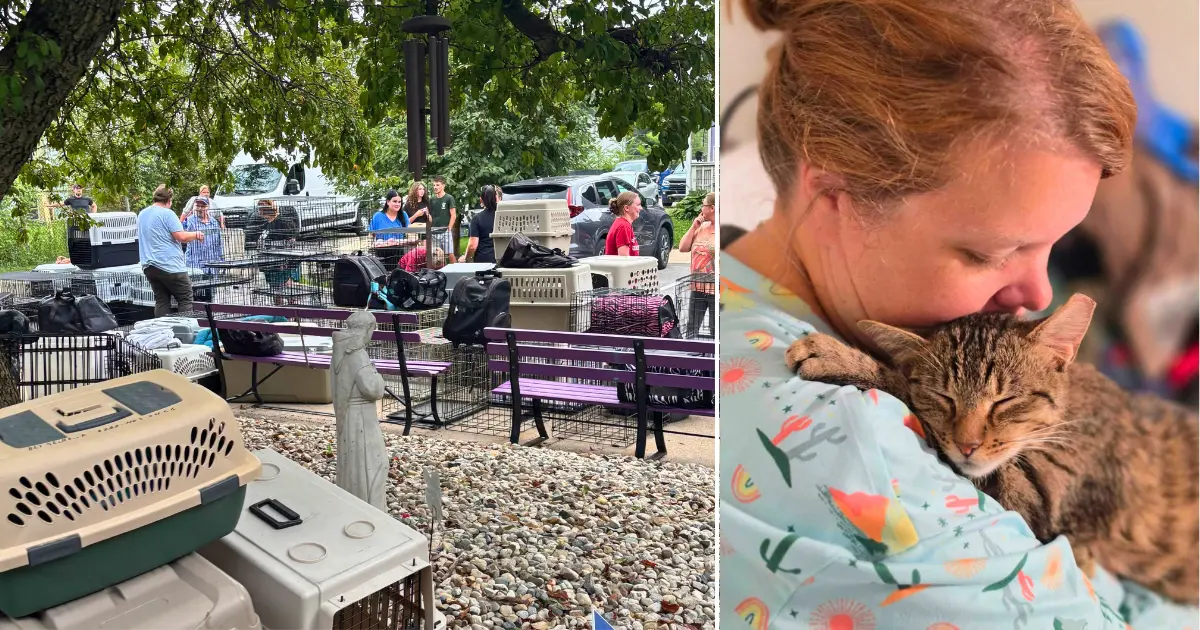
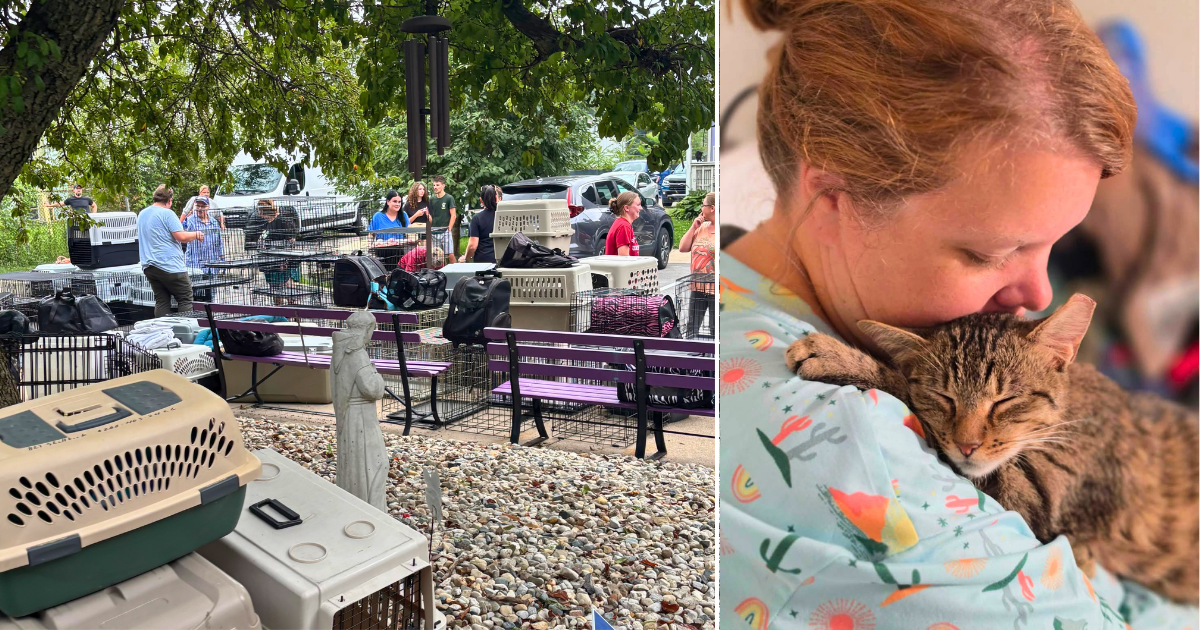
With the water continuing to creep upward, the APL team executed their emergency protocols, transitioning immediately from a caretaking facility to an evacuation command center. Realizing the immense scope of housing 300 displaced dogs and cats, staff issued urgent, public pleas across digital and traditional media channels.
The shelter’s demands were explicit and immediate: they needed crates, hard-plastic carriers, heavy-duty sandbags, immediate short-term foster homes, and logistical volunteers with high-clearance vehicles willing to brave the rising waters. The psychological pressure on the staff was immense; shelter environments are already high-stress hubs, but introducing the chaotic elements of a natural disaster compressed days of logistical planning into mere hours.
Supporting Context & Metrics: The Numbers Behind the Evacuation
To truly understand the magnitude of the APL rescue effort, one must examine the operational metrics and logistical realities of moving 300 displaced animals under emergency conditions.
- Total Animal Population Evacuated: ~300 dogs and cats.
- Flood Depth Inside Facility: Approximately 2 feet.
- Duration of Standing Water Inside Building: ~48 hours.
- Historical Benchmark Broken: The White River crest surpassed a record previously held since 1913.
- Rainfall Totals: Exceeded 12 inches (one foot) in localized areas of central Indiana.
- Primary Contaminant Risk: Industrial runoff and potential raw sewage infiltration from adjacent municipal water pollution control infrastructure.
The Logistical Nightmare of Mass Animal Displacement
Moving a single shelter pet safely requires medical clearances, behavioral assessments, designated transport, and proper housing. Multiplying that by 300 creates a logistical mountain that few organizations are equipped to scale without community intervention.
The dogs, requiring constant outdoor access, leash walks, and specialized behavioral management, were prioritized for immediate transfer to regional partner rescues and specialized foster networks that possessed dry, secure acreage.
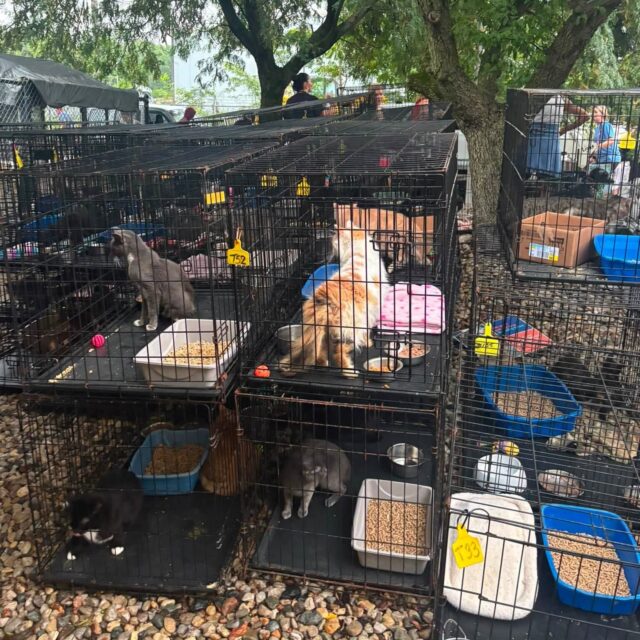
The cats presented a different, equally complex set of challenges. Felines are notoriously sensitive to environmental changes. The sudden loss of familiar sights, smells, routines, and caregivers can trigger severe immune suppression, refusal to eat, and extreme psychological distress. The APL team had to coordinate the division of the feline population into two separate temporary staging locations while frantically searching for a permanent, safe alternative space to house them during the months-long recovery period.
Official Statements and Community Mobilization
Amid the swirling waters and frantic administrative calls, a profound display of human empathy began to unfold outside the shelter’s doors. The response from the Anderson community and the broader Indiana rescue network served as a powerful reminder of the deep bonds between humans and animals.
The Power of Community Response
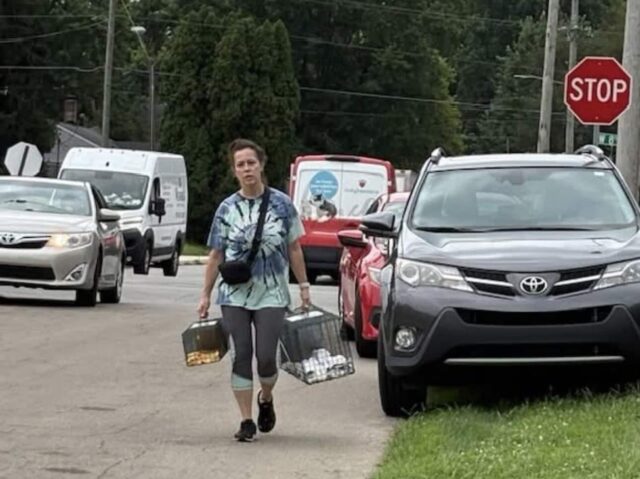
Within hours of the emergency broadcast, local residents, business owners, and volunteers began arriving at the APL facility, wading through ankle-deep water in some areas to reach the loading zones. People who had never previously stepped foot inside an animal shelter arrived with trucks, trailers, and personal vehicles, ready to load crates and transport scared animals to safety.
"Beautiful things come from tragedy," the APL director noted, reflecting on the collective response that materialized during humanity’s darkest hours against nature.
This sentiment was mirrored across every tier of the operation:
- Foster Families: Families stepped forward in unprecedented numbers, opening their living rooms, spare bedrooms, and bathrooms to house displaced pets at a moment’s notice. Many of these temporary foster placements ultimately blossomed into permanent adoptions, turning a climate disaster into a fresh start for dozens of animals.
- Rescue Partners: Surrounding humane societies and private rescue groups coordinated seamlessly with APL administrators, absorbing overflow populations when the shelter’s capacity reached absolute zero.
- Donors & Corporate Supporters: Organizations such as the iHeartCats Hero VIP Club mobilized their networks to deliver vital supplies, financial aid, and specialized cat care packages, ensuring that the financial burden of the crisis did not bankrupt the nonprofit’s operational budget.
Navigating Contamination and Structural Remediation
Once the waters finally receded after sitting stagnant for 48 hours, the physical reality of the damage came to light. The interior drywall, flooring systems, furniture, and electrical outlets in the lower levels were thoroughly compromised.
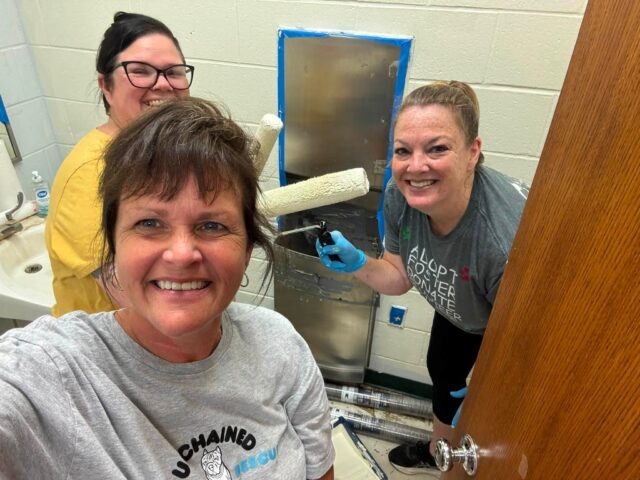
Professional remediation crews were brought in to assess the biohazard levels stemming from the sewage-contaminated floodwaters. The cleaning process required industrial stripping, commercial sanitization, and structural drying phases that stretched across multiple weeks. During this entire period, APL administrative staff did not pause their mission; instead, they set up remote desks, processed adoption applications from temporary administrative nodes, and continued coordinating veterinary care for animals scattered across dozens of foster homes.
Future Outlook: Rebuilding, Relocation, and Resilience
Disaster recovery for an animal shelter does not conclude when the rain stops and the sunshine returns. For APL, the flood served as a catalyst for strategic long-term pivots, forcing the organization to rethink how it houses its most sensitive populations.
A Safer, Better-Ventilated Space for Cats
Recognizing the structural vulnerabilities of the primary facility and the ongoing need to house cats in a healthier environment, APL leadership made the bold decision to pivot their operations. The organization secured and rented a dedicated, off-site location specifically for the shelter’s felines.
This new facility boasts significantly upgraded ventilation systems compared to the older main shelter building—a critical improvement that reduces airborne pathogen transmission and keeps respiratory infections at bay among stressed shelter cats. To furnish this new space, staff initiated a campaign to source modern cat condos, ensuring that every feline resident has a private, secure, and enriched vertical living space to call their own while awaiting permanent adoption.
Strengthening Infrastructure Against Future Disasters
As changing global climate patterns lead to more frequent and intense severe weather events, organizations like The Animal Protection League are forced to adapt. The experience of August 2026 has prompted administrative reviews regarding emergency asset positioning, elevated supply storage, rapid-deployment communication protocols, and enhanced disaster insurance coverage.
Furthermore, the bond forged between APL and its network of foster volunteers has created a permanent, highly resilient "shadow network." This decentralized army of animal caretakers means that should another emergency ever threaten the physical facility, the shelter no longer relies solely on brick-and-mortar walls to keep its animals safe; it can rely instantly on the homes of Anderson’s citizens.
A Lasting Debt of Gratitude
The story of APL’s 2026 flood is ultimately not a story about rising water, ruined drywall, or historical crests. It is a testament to what is possible when a community refuses to let the vulnerable be left behind.
From the volunteers who waded through hazardous waters to secure crates, to the foster families who opened their homes to frightened animals, to the dedicated staff who worked around the clock from makeshift desks, and to the vital financial backers—such as the iHeartCats Hero VIP Club members who funded critical care packages—the message is clear.
Recovery is an ongoing journey that continues through every sanitized room, every replaced veterinary supply, and every quiet moment spent reassuring a cat that the storm has finally passed. Together, this unified front ensured that when disaster struck Anderson, Indiana, APL’s animals were never forced to face the deluge alone.