
Executive Overview
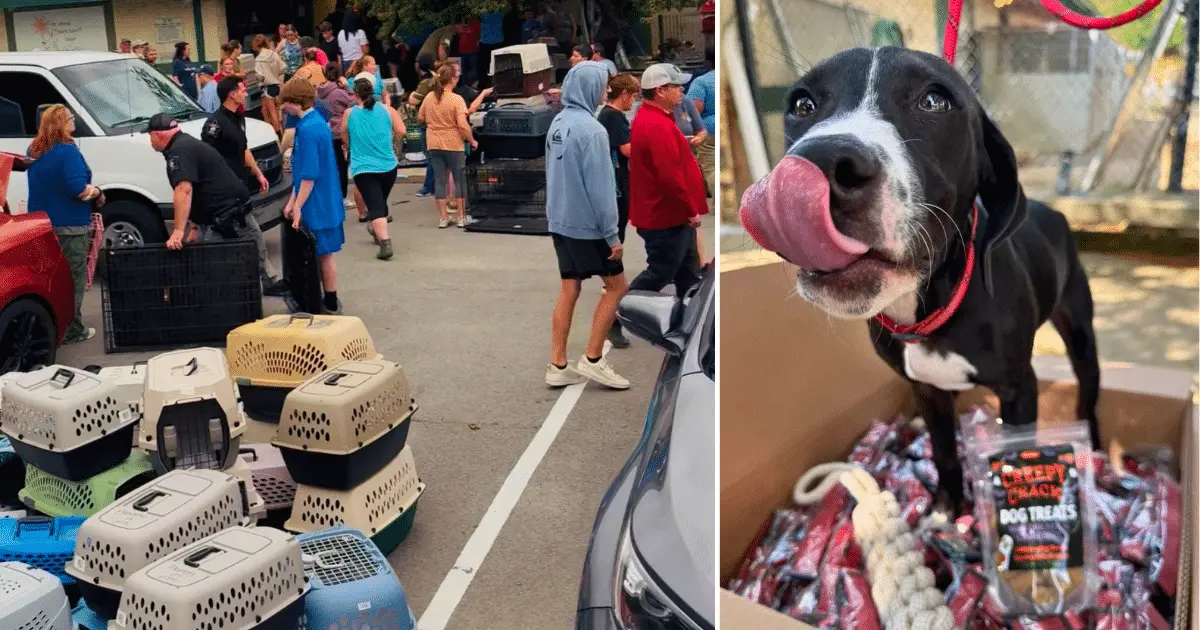
In mid-August 2026, a meteorological anomaly descended upon Central Indiana, unleashing a catastrophic deluge that pushed local infrastructure to its absolute limits. Among the most vulnerable entities caught in the path of the rising waters was the Animal Protection League (APL) in Anderson, Indiana. Caring for more than 300 animals—including a population of 101 dogs—the shelter suddenly found itself at the epicenter of a historic environmental crisis. What began as a precautionary measure rapidly escalated into a full-scale, race-against-time evacuation as the swollen White River breached its banks, threatening the lives of the animals and the staff dedicated to their care.
This investigative report reconstructs the harrowing week of the flood, examines the profound logistical triumphs of the subsequent evacuation, and analyzes the environmental and systemic challenges faced by animal welfare organizations operating in high-risk zones. It also highlights an unexpected silver lining: an emergency evacuation that transformed into an unprecedented, community-driven "clear the shelter" event, permanently altering the lives of hundreds of animals and redefining the relationship between a municipal shelter and the community it serves.
Detailed Chronology
+-----------------------------------------------------------------------------+
|                          CRISIS TIMELINE (2026)                             |
+-----------------------------------------------------------------------------+
|  Aug 11–14: Repeated severe thunderstorms; ground saturated.                |
|  Aug 15:    Water rises rapidly; White River crests, breaking 1913 record.  |
|             APL issues urgent plea for sandbags and crates.                 |
|  Aug 16:    Evacuation order executed; 300+ animals moved in hours.         |
|  Aug 17–18: Shelter submerged under 2 feet of contaminated water.           |
|  Sept 5:    Shelter census drops from 101 dogs to 23 due to adoptions.      |
+-----------------------------------------------------------------------------+
The Gathering Storm: August 11–14, 2026
The crisis began with a relentless series of convective weather systems that stalled over Central Indiana. Over a six-day period, meteorologists recorded unprecedented rainfall totals, with some localized areas receiving more than 12 inches of precipitation. The ground, already saturated from a wet summer, could no longer absorb the volume of water. Runoff poured into local tributaries, rapidly feeding the White River.
At the APL facility in Anderson, staff monitored the weather reports with growing apprehension. The shelter, located in a low-lying area near municipal utility facilities, has always been sensitive to heavy rainfall. However, the sheer volume of water accumulating in the drainage basins signaled that this was no ordinary summer storm.
The Pivot to Emergency Mobilization: August 15, 2026
By Saturday, August 15, the situation shifted from concerning to critical. Hydrological models indicated that the White River at Anderson was on track to crest at a historic high, ultimately surpassing the legendary flood stage record set more than a century earlier in 1913.
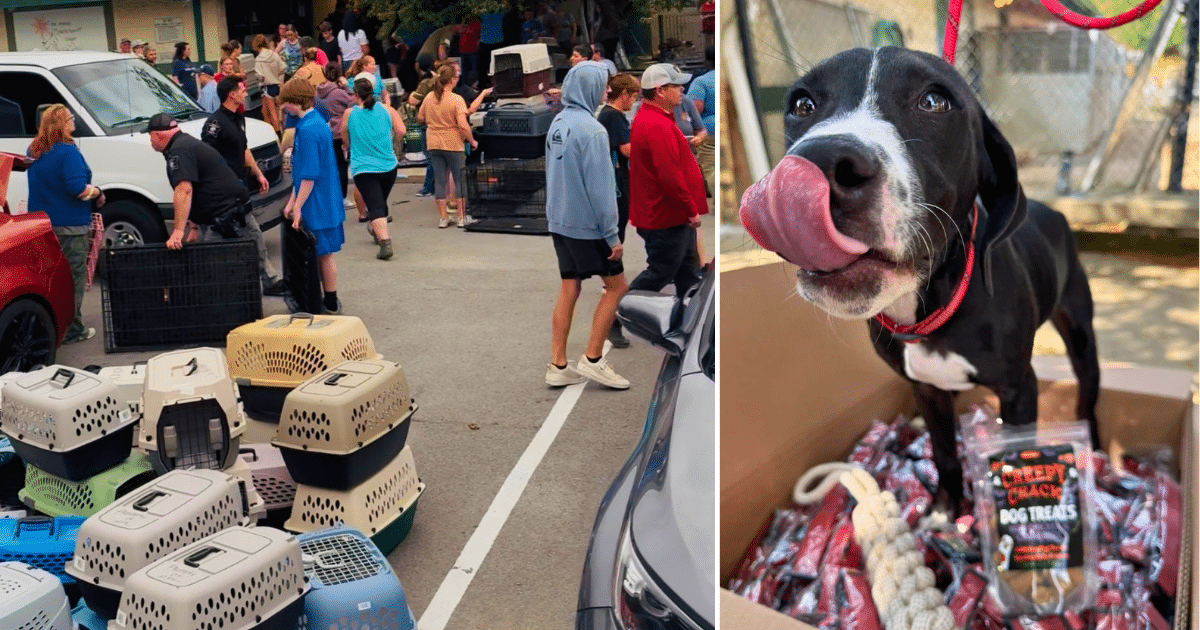
Recognizing the imminent danger, APL leadership issued an urgent, public appeal via social media and local news outlets. The shelter desperately needed sandbags to fortify its perimeter, crates and kennels to prepare for transport, and immediate temporary foster homes. The response from the Anderson community was instantaneous. Within hours, volunteers arrived at the shelter, sandbags in hand, ready to construct temporary barriers.
The Midnight Evacuation: August 16, 2026
By the evening of August 16, it was clear that defensive measures would not suffice. The floodwaters were rising too quickly, encroaching on the facility’s foundation. The order was given: the entire facility had to be completely evacuated immediately.
      [ APL Shelter: 300+ Animals ]
                   |
         +---------+---------+
         |                   |
  [ 101 Dogs ]        [ 200+ Other Pets ]
         |                   |
         +---------+---------+
                   |
                   v
  [ Emergency Transport Mobilization ]
         |
         +---> Local Fairground Barn (Temporary Hub)
         |
         +---> Middletown Animal Hospital (Boarding)
         |
         +---> Emergency Foster Homes (Community)
         |
         +---> Partner Rescue Facilities (Regional)
What followed was a masterclass in emergency logistics under extreme duress. Staff and volunteers established a temporary staging area at a local fairground barn. A fleet of private vehicles, cargo vans, and rescue transport units lined up in the dark. One by one, the 101 dogs and over 200 other animals—including cats, pocket pets, and medical-needs residents—were systematically cataloged, crated, and loaded into vehicles.
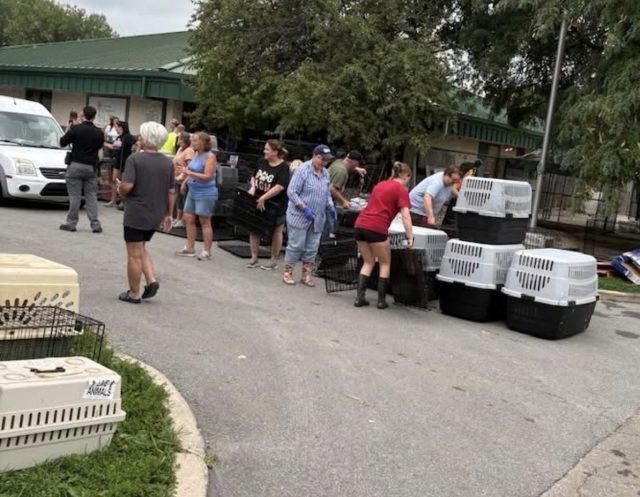
By the early hours of August 17, as the first waves of contaminated water began to seep through the doors of the facility, the building stood empty. Every single animal had been successfully relocated to a dry, secure, temporary placement.
Supporting Context & Metrics
The success of the APL evacuation is underscored by a series of remarkable metrics and complex environmental factors that demonstrate both the severity of the disaster and the scale of the community’s response.
The Environmental Hazard: Sewage and Contamination
The physical recovery of the shelter was severely complicated by its geography. The APL facility is situated adjacent to Anderson’s municipal water pollution control plant. When the White River crested and overwhelmed the local infrastructure, the floodwaters that inundated the shelter did not consist of simple rainwater.
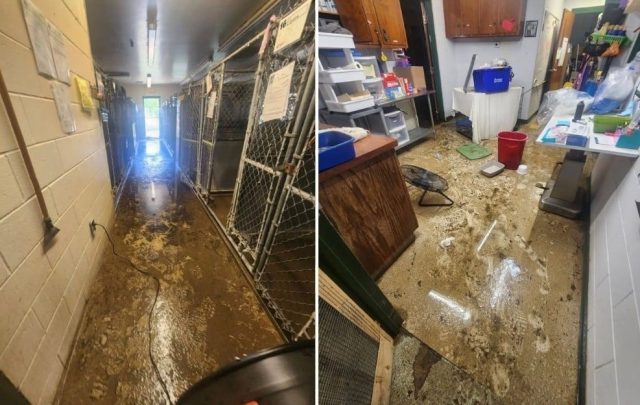
For approximately 48 hours, the interior of the shelter was submerged in roughly two feet of highly contaminated water, which officials had to treat as potentially carrying raw sewage and hazardous industrial runoff.
+-------------------------------------------------------------+
|               POST-FLOOD CONTAMINATION RISKS                |
+-------------------------------------------------------------+
| Biological Hazards:  E. coli, Salmonella, Leptospirosis     |
| Chemical Hazards:    Industrial runoff, municipal waste     |
| Structural Threats:  Black mold growth, drywall saturation   |
+-------------------------------------------------------------+
To combat this severe biohazard, APL could not simply mop up and move back in. They had to contract a specialized disaster restoration company. The remediation process required:
- Stripping contaminated drywall and insulation up to the four-foot mark.
- Disinfecting all concrete slabs with industrial-grade antimicrobial agents.
- Replacing saturated flooring, cabinetry, and administrative equipment.
- Rewiring damaged electrical outlets and replacing compromised HVAC ducts.
The "Crisis Adoption" Phenomenon
While the physical structure of the shelter suffered devastating damage, the animal population experienced an unprecedented, positive disruption. In the field of animal welfare, emergency evacuations often lead to temporary boarding bottlenecks. However, in Anderson, the emergency sparked a massive wave of community compassion that led to a permanent reduction in the shelter’s population.
Shelter Dog Census (August 16 vs. September 5, 2026)

August 16 (Pre-Evacuation):
================================================== 101 Dogs

September 5 (Post-Evacuation):
=========== 23 Dogs
This dramatic 77% reduction in the resident dog population was driven by three distinct pathways:
- Immediate Crisis Adoptions: Local residents who came to foster decided to fast-track the adoption process to relieve the shelter of long-term burdens.
- "Foster Fails": Families who took in dogs on the night of the flood under emergency circumstances bonded with the animals and chose to adopt them permanently.
- Partner Rescue Pulls: Regional animal welfare organizations, recognizing the crisis in Anderson, cleared their own kennel spaces to take in APL dogs, distributing the population across a broader geographical network.
Official Statements & Corporate Partnerships
The recovery of the Animal Protection League of Anderson is a testament to the power of collaborative rescue networks and the dedication of local leadership.

Leadership Perspectives
Reflecting on the grueling weeks of cleanup and relocation, the Director of the Animal Protection League offered a perspective that has become the organization’s rallying cry:
"Beautiful things come from tragedy. The flood caused fear, displacement, and extensive damage, but it also brought out an overwhelming wave of compassion. Hundreds of animals reached safety. Foster families stepped forward. Dogs found adoptive homes. Staff, volunteers, rescue partners, veterinary teams, donors, and neighbors worked side by side to help APL begin again."
Grassroots and Corporate Support Networks
The logistical feat of caring for hundreds of displaced animals across multiple temporary sites required a steady stream of supplies. With the main shelter contaminated, basic necessities like clean leashes, collars, food bowls, and enrichment toys were lost or inaccessible.
During this critical juncture, long-term partners like the iHeartDogs Hero VIP Club proved indispensable. Prior to the disaster, the club’s ongoing donations and care packages—filled with vital supplies such as slip leads, durable toys, and high-quality treats—had established a baseline of resource security for APL.
When the flood struck, these resources were mobilized to temporary holding sites, including the local fairground barn and Middletown Animal Hospital. Having pre-packaged, clean, and transportable pet supplies allowed volunteers to focus their efforts on hands-on care, animal socialization, and the execution of off-site adoption events.
Future Outlook & Institutional Resilience
As the Animal Protection League of Anderson looks to the future, the organization is focused on transitioning from emergency response to long-term structural resilience. The lessons learned from the historic 2026 flood are shaping both local operations and broader conversations within the national animal welfare sector.
               [ RESILIENCE ROADMAP ]
                         |
      +------------------+------------------+
      |                                     |
[ Infrastructure ]                    [ Operations ]
      |                                     |
      +---> Floodproofing walls             +---> Digital animal tracking
      +---> Elevated electrical outlets     +---> Pre-vetted foster networks
      +---> Relocating critical systems     +---> Decentralized supply hubs
Structural and Geographical Mitigation
Operating a shelter next to a water pollution control plant in an era of increasingly volatile weather patterns requires robust physical defenses. APL is currently exploring several mitigation strategies to safeguard its facility against future crests of the White River:
- Elevated Critical Systems: Moving electrical panels, HVAC units, and IT infrastructure well above the historic flood level.
- Water-Resistant Building Materials: Utilizing closed-cell spray foam insulation and concrete finishes that do not absorb moisture or harbor pathogens during a flood event.
- Improved Perimeter Drainage: Working with municipal engineers to enhance the drainage capacity around the shelter to divert industrial runoff away from the kennels.
The Legacy of Decentralized Sheltering
The success of the emergency evacuation has also prompted APL to reconsider its operational model. By demonstrating that more than 70% of their canine population could be rapidly housed in the community, the shelter has embraced a more decentralized, foster-centric approach to animal care.
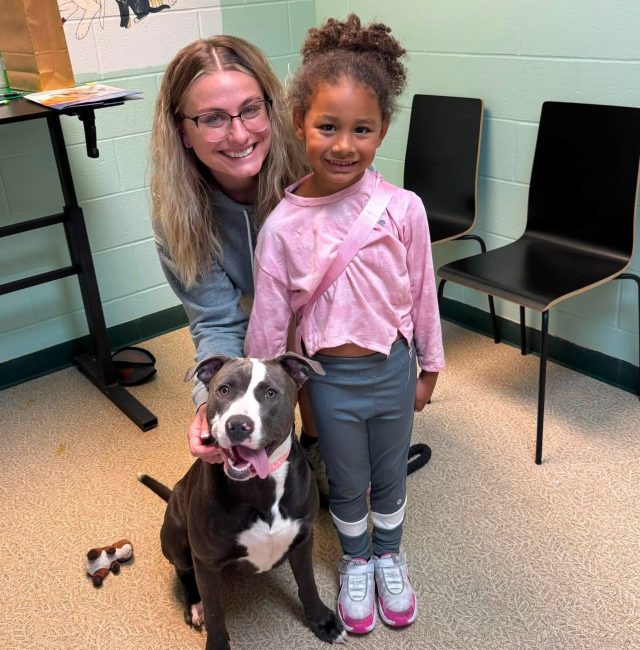
Rather than viewing the physical shelter as the sole repository for homeless pets, APL is investing in expanding its permanent foster network. This strategy not only improves the psychological well-being of the animals, who thrive in home environments rather than kennel runs, but also drastically reduces the overhead costs and physical footprint required of the central facility.
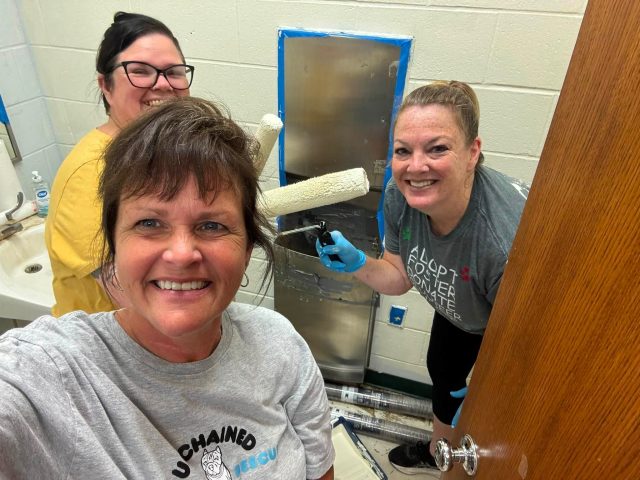
The historic flood of August 2026 began as a threat to the lives of hundreds of vulnerable animals in Anderson, Indiana. However, through the swift action of APL staff, the overwhelming mobilization of local volunteers, and the vital support of national donor networks, the disaster was transformed into a landmark achievement in rescue logistics. As the clean, repainted walls of the APL shelter dry and the remaining dogs return to a safer, modernized facility, the community of Anderson has proven that when the waters rise, their compassion rises even higher.