
Executive Overview
RUSH, COLO. — In an era defined by accelerating ecological fragmentation and the quiet unraveling of North America’s native landscapes, a sprawling expanse of eastern Colorado’s high plains is setting a powerful new benchmark for working lands. The National Audubon Society announced today that the historic Brett Gray Ranch has officially achieved Bird-Friendly Land Certification. This rigorous designation, conferred through the Audubon Conservation Ranching (ACR) program, recognizes private and public land stewards who manage working ranches not merely for livestock production, but as vital, functioning ecosystems capable of sustaining biodiversity, repairing degraded soils, and reversing the precipitous decline of grassland bird populations.
Spanning nearly 50,000 acres roughly an hour east of Colorado Springs, the Brett Gray Ranch represents a monumental addition to the conservation landscape. Owned by the Colorado State Land Board and expertly managed for the past 17 years by Louis Martin and his team at Round River Resource Management, LLC—in close collaboration with The Nature Conservancy—the property is a masterclass in holistic management. By marrying economic viability with ecological restoration, the ranch has demonstrated that profitable livestock production and robust wildlife conservation are not mutually exclusive, but rather mutually reinforcing.
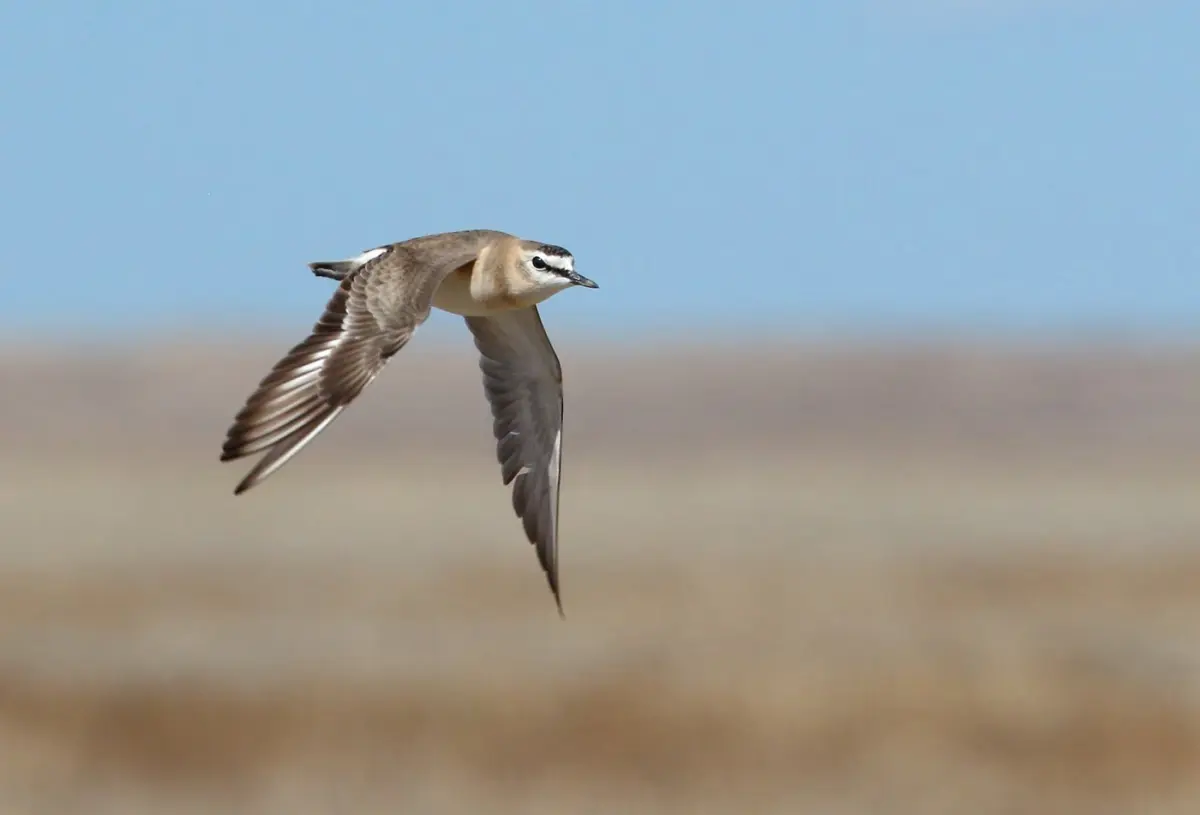
With this certification, Brett Gray Ranch joins an elite and rapidly expanding network of 16 certified ranches encompassing nearly 750,000 acres across Colorado, contributing to a national footprint that exceeds 4.5 million acres across more than 155 operations. For vulnerable avian species such as the Mountain Plover and the Chestnut-collared Longspur, this designation offers a renewed lease on survival. As consumers increasingly demand supply-chain transparency and environmental stewardship, the ranch’s alignment with the Audubon Certified Bird-Friendly seal bridges the gap between the open range and the conscious consumer, proving that every steak or bison cut can tell a story of landscape recovery.
Detailed Chronology & Stewardship Evolution
To understand the magnitude of the Brett Gray Ranch’s recent certification, one must look backward across nearly two decades of deliberate, science-driven landscape management. The transformation of this nearly 50,000-acre shortgrass sea did not happen overnight; it is the culmination of a seventeen-year partnership defined by patience, observation, and an unwavering commitment to regenerative agriculture.
[2009: Round River & TNC Take Stewardship]
       │
       ▼
[Infrastructure Overhaul: Water & Fencing]
       │
       ▼
[Implementation of Rotational Grazing]
       │
       ▼
[Ecological Recovery: Tallgrass Species Return]
       │
       ▼
[2026: Audubon Bird-Friendly Certification Achieved]
The Foundations of Management (2009–2015)
When Round River Resource Management, led by Louis Martin, assumed management responsibilities at Brett Gray Ranch alongside The Nature Conservancy, the property faced challenges common to much of the American West’s historical rangelands. Decades of traditional, continuous grazing had left certain zones overtaxed, while riparian corridors bore the brunt of concentrated livestock pressure during hot summer months.
Martin and his team initiated a multi-year infrastructure overhaul. Recognizing that livestock behavior is the primary tool for shaping grassland health, they set out to redesign how cattle moved across the landscape. This required substantial investments in water distribution networks and cross-fencing. By installing solar-powered wells and strategically placing stock tanks across miles of open prairie, the managers broke up vast, uniform pastures into smaller, manageable paddocks. This infrastructure made a planned rotational grazing system possible, replacing passive management with active, targeted herd impact.
The Turning Point: Healing the Land (2016–2022)
With the physical infrastructure in place, the ranch entered a transformative phase of ecological healing. The core philosophy of Round River Resource Management centers on mimicking the historical movements of vast bison herds that once roamed the Great Plains. By bunching cattle into tight herds and moving them rapidly through paddocks—allowing long, adequate periods of rest for the underlying vegetation—the management team jump-started the four fundamental ecosystem processes: the water cycle, mineral cycle, energy flow, and community dynamics.
During this period, the biological response of the land was profound. Litter accumulation—dead plant material that previously choked soil surfaces—was broken down by trampling hooves, acting as a natural mulch that captured precious precipitation and cycled vital nutrients back into the soil. Native warm-season grasses began to regain vigor, and botanists noted a surprising return of several tallgrass species historically native to the region, signaling a structural revitalization of the plant community. Furthermore, the careful management of riparian and wetland corridors allowed choked streamsides to stabilize, cooling water temperatures, reducing bank erosion, and creating dense, multi-layered vegetative cover for wildlife.
Verification and Certification (2023–2026)
As the ecological metrics of the ranch improved, the operation caught the attention of regional Audubon ecologists. Earning the Audubon Conservation Ranching certification is no small feat; it demands rigorous independent auditing to verify compliance with strict environmental standards. Auditors inspect everything from soil health indicators and bird habitat heterogeneity to animal welfare protocols.
Over a multi-year review process, Brett Gray Ranch proved that its management practices consistently fostered bird diversity and habitat health. The culmination of this journey arrived in September 2026, when the ranch officially secured its Bird-Friendly Land Certification, cementing its status as a crown jewel of eastern Colorado conservation.
Supporting Context & Metrics: The Crisis of the Grasslands
The urgency behind the Audubon Conservation Ranching program cannot be overstated. While forests and wetlands often dominate public conservation discourse, North America’s grasslands are quietly suffering the most catastrophic ecological collapse of any terrestrial biome on the continent.
+--------------------------------------------------------------------------+
|                 TERRESTRIAL BIOME POPULATION DECLINES                    |
|                (Estimated over the past 50 years)                        |
+--------------------------------------------------------------------------+
| Grassland Birds:    ████████████████████████████████████████  (Steepest) |
| Forest Birds:       ████████████████                           (Moderate) |
| Wetland Birds:      ████████████                               (Stable/Recovering)|
+--------------------------------------------------------------------------+
The Plight of Grassland Avians
Over the past half-century, grassland bird populations across North America have experienced the steepest, most relentless declines of any bird group. Species that once darkened the skies in unfathomable numbers—such as meadowlarks, longspurs, and various sparrows—have watched their homes vanish piece by piece.
This tragic trajectory is driven by a trinity of modern threats:
- Habitat Loss: The conversion of native prairie into row-crop agriculture.
- Woody Encroachment: The spread of invasive trees and shrubs (such as juniper and eastern redcedar) due to fire suppression, which breaks up open horizons and provides perches for avian predators.
- Chemical Use: The widespread application of pesticides and herbicides that decimate the insect populations upon which nesting grassland birds feed.
The Role of Shortgrass Prairies
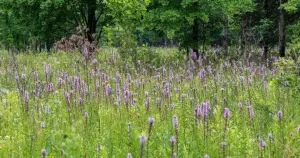
Colorado’s Shortgrass Prairie Region is a unique and fragile ecosystem. Unlike the tallgrass prairies of the Midwest, which receive ample rainfall, the shortgrass prairie is an arid, windswept expanse dominated by drought-resistant species like blue grama and buffalograss.
Despite the harsh climate, this region serves as an irreplaceable cradle for specialized avian wildlife. Species such as the Mountain Plover (Charadrius montanus) and the Chestnut-collared Longspur (Calcarius ornatus) require vast, open, uninterrupted horizons to nest and raise their young. They are profoundly sensitive to habitat fragmentation and woody encroachment. When oil and gas development, unmanaged grazing, or agricultural conversion chop up these sweeping vistas, these birds simply cannot adapt.
Metrics of Success: Scale and Impact
The Audubon Conservation Ranching program offers a scalable, market-based solution to this crisis. By leveraging consumer purchasing power, the program incentivizes landowners to maintain native grasslands rather than plow them under.
| Metric | Regional (Colorado) | National (US) |
|---|---|---|
| Certified Ranches | 16 Operations | 155+ Operations |
| Protected Acreage | ~750,000 Acres | 4.5 Million+ Acres |
| Primary Focus | Shortgrass & Mixed-Grass Prairie | Diverse Terrestrial Biomes |
| Verification Method | Independent Third-Party Audit | Independent Third-Party Audit |
At Brett Gray Ranch, these national and regional goals manifest in nearly 50,000 contiguous acres managed specifically to maintain the structural heterogeneity—a mosaic of short, medium, and tall vegetative heights—that different bird species require for nesting, foraging, and evading predators.
Official Statements & Industry Perspectives
The announcement of Brett Gray Ranch’s certification has drawn praise from conservation scientists, state land managers, and ranching leaders alike, highlighting the collaborative spirit required to achieve landscape-scale preservation.
Louis Martin, owner of Round River Resource Management, emphasized the philosophical alignment between economic success and ecological regeneration that guides daily operations at the ranch:
"By working with nature and the four ecosystem processes, we increase the diversity of both plant and animal species, improve the overall production of our natural resources, which results in an enhanced natural resource base that increases the profitability of our business and benefits both the ecosystem and society at large," stated Martin. His words capture the essence of regenerative ranching: viewing livestock not as industrial production units, but as instruments of ecological healing.
Louisa Kimmell, Range Ecologist for the Audubon Conservation Ranching program in Colorado, underscored the exceptional avian value of the property, pointing to empirical data gathered by citizen scientists and professional ornithologists:
"It is no accident that Brett Gray Ranch has one of the longest and most impressive bird species lists on eBird among ranches across the state," Kimmell remarked. "Their longtime commitment to holistic management, with particular attention to enhancing riparian habitat through controlled intensive grazing, has shaped the land into the bird diversity hotspot it is today."
Behind this partnership is also the foundational role of the Colorado State Land Board, which manages the property on behalf of public school trusts. By encouraging innovative, sustainable management leases, the Land Board ensures that public trust assets yield both financial returns for education and enduring ecological dividends for the citizens of Colorado. Furthermore, the long-standing involvement of The Nature Conservancy illustrates how non-governmental conservation organizations can amplify their impact by aligning with pragmatic, working-lands operators.
Future Outlook: The Intersection of Ranching and Conservation
As the Brett Gray Ranch embarks on this new chapter as a certified bird-friendly property, its trajectory points toward a broader paradigm shift in American agriculture. The traditional adversarial relationship between conservationists and ranchers—historically fractured by debates over land use, predators, and grazing rights—is rapidly being replaced by synergistic alliances.
The Power of Continuous Monitoring
Moving forward, Brett Gray Ranch will not rest on its laurels. Under the mandates of the Audubon Conservation Ranching program, the property will undergo continuous biological monitoring. Audubon ecologists will conduct annual avian surveys, tracking population trends, species richness, and habitat response over time. This data-driven approach ensures that management practices remain adaptive, responding dynamically to climatic shifts, drought cycles, and changing wildlife patterns.
Empowering the Conscious Consumer
One of the most powerful mechanisms of the ACR program is its market-facing component. When cattle raised on ranches like Brett Gray reach the market, consumers have the opportunity to vote with their wallets. Products bearing the Audubon Certified Bird-Friendly seal assure buyers that the meat they consume was produced on lands that actively sheltered meadowlarks, nurtured plovers, and restored subterranean soil microbiomes.
This direct connection transforms everyday consumers into active conservationists. As grocery shoppers increasingly prioritize sustainability, animal welfare, and carbon sequestration, certified ranching operations gain a distinct economic advantage, proving that ecological stewardship can enhance the bottom line.
A Blueprint for the American West
The success of Brett Gray Ranch serves as an inspiring blueprint for the entire American West. It demonstrates that working ranches can serve as the ultimate frontline defense against biodiversity loss. In a landscape threatened by climate volatility, urban sprawl, and ecological fragmentation, places like the Brett Gray Ranch offer a beacon of hope—proving that when humans align their economic systems with the rhythms of the natural world, both rural communities and wild bird populations can thrive for generations to come.
Program Contact Information
- Colorado Program Inquiries: Louisa Kimmell, Range Ecologist, Audubon Conservation Ranching | [email protected]
- National Program Inquiries: Audubon Conservation Ranching Team | [email protected]
- Official Website: www.audubon.org/ranching