
Executive Overview
The landscape of feline welfare in the United States is defined by a continuous, high-stakes battle against neglect, overpopulation, and severe medical emergencies. In the Alley Cat Action® 2026 Summer Newsletter, animal advocates are given an intimate look at the frontlines of this rescue ecosystem. This edition highlights not just the systemic challenges faced by shelters and grassroots organizations, but also the profound, individual triumphs of cats whose lives were saved by the collective generosity of donors and specialized intervention teams.
From severe facial trauma and developmental disorders to mass-rescue operations involving nearly a hundred animals, the stories featured in the summer publication encapsulate the core mission of organizations like Alley Cat Allies: to provide critical veterinary funding, champion compassionate care, and ensure that every cat—regardless of their physical condition or background—has an opportunity to live a healthy, safe, and fulfilling life.
This comprehensive report examines the individual rescue narratives of Neo, Cricket, and the feline family unit led by Strudel, contextualizing their journeys within the broader framework of modern animal rescue operations, veterinary advancements, and community-driven support systems.
Detailed Chronology & Individual Case Studies
The triumphs detailed in the 2026 Summer Newsletter are best understood through the specific, harrowing journeys of the animals involved. Each case represents a distinct facet of feline rescue, highlighting the complexities of medical treatment, rehabilitation, and the unyielding will to survive.
1. Neo: The Courageous Survivor of Severe Trauma
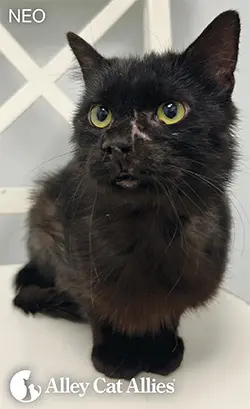
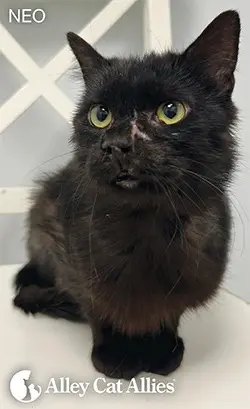
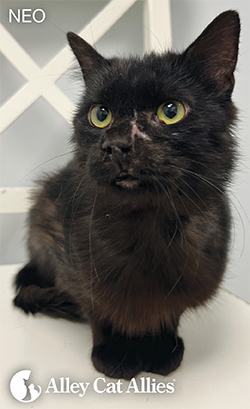
Neo, a sleek little black cat, entered the care of rescue workers carrying the physical and psychological toll of a harrowing past. His most prominent initial feature was a massive, disfiguring wound across his face—an injury that immediately signaled a history of violent encounters or severe accidents. However, as medical evaluations progressed, rescue workers quickly realized that the facial trauma was merely the surface-layer symptom of a much deeper medical crisis.
Upon intake, Neo was classified as severely underweight, profoundly malnourished, and battling multiple systemic illnesses. For a cat of his compromised body condition, the combination of starvation and infection is frequently fatal. Yet, Neo demonstrated an extraordinary fighting spirit from the moment he arrived at the clinic.

- Surgical Intervention: Veterinary teams immediately initiated a comprehensive stabilization protocol, followed by complex surgical procedures to clean, repair, and close the massive facial wound.
- Post-Operative Recovery: Over the course of several weeks, Neo required intensive nursing care, specialized nutritional support to reverse the effects of starvation, and targeted antibiotic regimens to clear his infections.
- The Transformation: True to his resilient nature, Neo responded exceptionally well to treatment. Today, the healed mark on his nose is no longer a symbol of trauma; rather, his caregivers proudly refer to it as a "badge of bravery and honor" that gives his face a distinguished, character-rich appearance.
2. Cricket and the Alabama Mass Rescue Operation
The scale of modern animal rescue is frequently underscored by large-scale hoarding or abandonment cases that overwhelm local municipal infrastructure. Such was the case in a recent crisis in Alabama, where an astonishing 91 cats and kittens were discovered living in cramped, deeply inadequate conditions on a single property. Recognizing that local shelters lacked the financial and medical resources to handle an influx of nearly a hundred animals simultaneously, Alley Cat Allies stepped in to directly subsidize and cover the comprehensive veterinary care required for the survivors.
While the majority of the 91 cats emerged from the property with surprisingly minor injuries and illnesses—a statistical miracle given the density of the living conditions—one special feline stood out immediately to the medical staff.
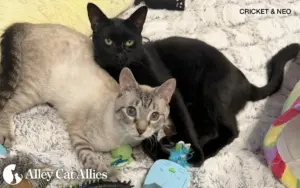
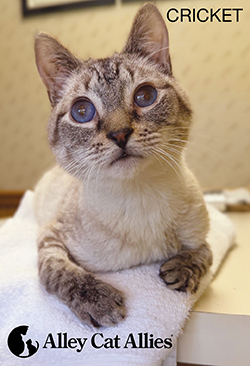
- The Diagnosis: Named Cricket, this one-year-old cat presented with visibly unusual front legs. Following professional orthopedic evaluations, Cricket received an official diagnosis of carpal laxity syndrome, a developmental and structural condition that severely impacts the stability of the wrist joints, making normal standing and walking difficult.
- Treatment and Rehabilitation: To combat carpal laxity, Cricket was placed on a specialized physical rehabilitation regimen, which includes the strategic use of medical splints to support and correct the alignment of his front legs as he grows.
- Personality and Resilience: Despite the anatomical challenges posed by his condition, Cricket’s spirit remains entirely unhindered. Described by his caregivers as an affectionate companion who constantly demands to be picked up and snuggled, Cricket is also known for tearing across rooms with high-energy bursts, proving that carpal laxity has done nothing to dampen his enthusiasm for life.
3. Strudel, Cherry, Berry, and Pebbles: A Family Saved
The cycle of feline reproduction in unmanaged populations frequently leads to overcrowded shelters where neonatal kittens and nursing mothers face extraordinarily high mortality rates due to a lack of specialized care. The rescue of Strudel and her kittens represents a textbook example of intervention that alters the trajectory of an entire family line.
- The Shelter Rescue: Strudel, a devoted mother cat, and her litter of three kittens—Cherry, Berry, and Pebbles—were pulled from a high-risk shelter environment where their survival was far from guaranteed. Without the financial safety net provided by donor-backed emergency medical funds, the family likely would have succumbed to the pressures of shelter overcrowding.
- Comprehensive Lifecycle Care: From their earliest days of infancy through their current developmental milestones, Strudel and her offspring have received continuous veterinary oversight, ensuring proper vaccinations, nutritional balance, and preventative care.
- Breaking the Cycle: As part of the rescue organization’s long-term commitment to population management and maternal health, Strudel is scheduled to be spayed. This crucial surgical procedure ensures that while this litter will be her last, she will live out her days free from the physical toll of repeated pregnancies. Meanwhile, her kittens—Cherry, Berry, and Pebbles—are afforded the luxury of a normal childhood, characterized by vigorous play, deep sleep, and safe environments.
Supporting Context & Metrics: The Architecture of Modern Rescue
Behind every individual success story like those of Neo, Cricket, and Strudel lies a sophisticated logistical and financial network. Animal rescue is no longer merely a matter of compassionate individuals taking stray animals into their homes; it is a data-driven, highly coordinated discipline that relies on specialized funding, emergency mobilization, and community education.
The Financial Realities of Emergency Veterinary Care
The sheer cost of treating 91 cats from an Alabama property seizure, performing complex facial reconstruction surgery on Neo, or providing ongoing orthopedic splinting and physical therapy for Cricket underscores the staggering financial demands placed on animal welfare organizations.
- Emergency Subsidies: National organizations act as financial shock absorbers for local, underfunded shelters. When mass crises occur, these subsidies prevent the rationing of care or the implementation of triage euthanasia due to budget constraints.
- Preventative vs. Reactive Spending: While emergency surgeries and trauma care command significant resources, organizations simultaneously invest heavily in preventative measures—such as Trap-Neuter-Return (TNR) programs and Spay/Neuter initiatives (highlighted by Strudel’s upcoming procedure)—which mathematically reduce long-term shelter intake numbers.
The Psychology of Feline Resilience
Veterinary behaviorists and medical researchers frequently note that cats possess an exceptional capacity for physical and psychological recovery from trauma.
- Nutritional Rehabilitation: Malnutrition, such as that suffered by Neo upon intake, causes systemic cellular damage. Modern veterinary medicine utilizes high-calorie, highly digestible critical-care diets to reverse muscle wasting and organ stress without overwhelming the patient’s compromised digestive tract.
- Orthopedic Adaptability: Conditions like Cricket’s carpal laxity demonstrate the incredible adaptability of young felines. With early intervention, proper bracing, and supportive care, many cats with developmental joint disorders learn to compensate effectively, leading long, mobile, and pain-free lives.
Official Statements and Organizational Philosophy
The overarching philosophy guiding these rescue efforts centers on the inherent value of every animal, regardless of physical appearance, age, or medical history.
Advocacy groups emphasize that conditions like Neo’s facial scar or Cricket’s wrist instability should not be viewed as deficits, but rather as testaments to survival. In the words of rescue coordinators working closely with these animals:
"We don’t look at a scarred face or a braced leg as something broken that needs hiding. We look at them as badges of honor. These cats have fought for their lives against incredible odds. Our responsibility is simply to match their relentless will to survive with the highest standard of medical science and compassionate care possible."
Furthermore, organizations stress the vital partnership between institutional rescuers and everyday donors. Campaigns like the Alley Cat Action® Summer Newsletter serve as a direct bridge between the operational realities on the ground and the public supporters who make financial allocations possible. Without this symbiotic relationship, mass interventions—such as the Alabama property rescue involving 91 cats—would simply be financially impossible for local entities to absorb.
Future Outlook: Challenges and Horizons in Feline Welfare
As the animal welfare community looks toward the remainder of 2026 and beyond, several critical trends and challenges continue to shape the landscape of rescue operations.
1. Scaling Up Community-Level Intervention
The Alabama property rescue is indicative of a broader, systemic issue: the proliferation of unmanaged multi-cat situations. Moving forward, rescue organizations are increasingly prioritizing proactive community outreach, working to identify at-risk properties and local colonies before they reach crisis proportions. This involves expanding educational initiatives regarding spay/neuter access and providing direct support to local caretakers.
2. Advancements in Veterinary Orthopedics and Trauma Care
As veterinary medicine continues to evolve, treatments for complex congenital and trauma-induced conditions—such as carpal laxity and severe facial tissue trauma—are becoming more refined and accessible. The success of therapies utilized for cats like Cricket highlights a future where even complex structural abnormalities can be managed non-invasively or with minimal surgical intervention, drastically improving adoptability and quality of life.
3. The Sustained Importance of Donor Networks
Economic fluctuations directly impact charitable giving, yet the demand for emergency animal rescue remains constant. Ensuring the long-term viability of organizations dedicated to feline welfare will depend heavily on expanding recurring donor bases and utilizing digital platforms to mobilize rapid-response funding when mass-rescue emergencies arise.
Conclusion
The stories of Neo, Cricket, Strudel, and her kittens are more than isolated anecdotes of survival; they are powerful reminders of what can be achieved when compassion meets action. Through the combined efforts of dedicated medical professionals, tireless rescue workers, and compassionate supporters, cats facing seemingly insurmountable odds are given a second chance at life. Their journeys—marked by scars, splints, and spirited play—stand as enduring proof that every cat’s life is worth fighting for.