
Executive Overview
For over a decade, the indoor agriculture sector has chased a compelling promise: the decoupling of food production from the unpredictability of climate, soil degradation, and seasonal cycles. Yet, despite billions in venture capital, glittering robotic facilities, and state-of-the-art LED lighting arrays, the industry has been plagued by high-profile bankruptcies, razor-thin margins, and scaling struggles.
According to vertical farming pioneer Oishii, the sector’s most critical bottleneck is not technological, but biological. While climate-control hardware, sensors, and automated gantries can be bought off the shelf and easily replicated, deep, longitudinal horticultural expertise cannot.
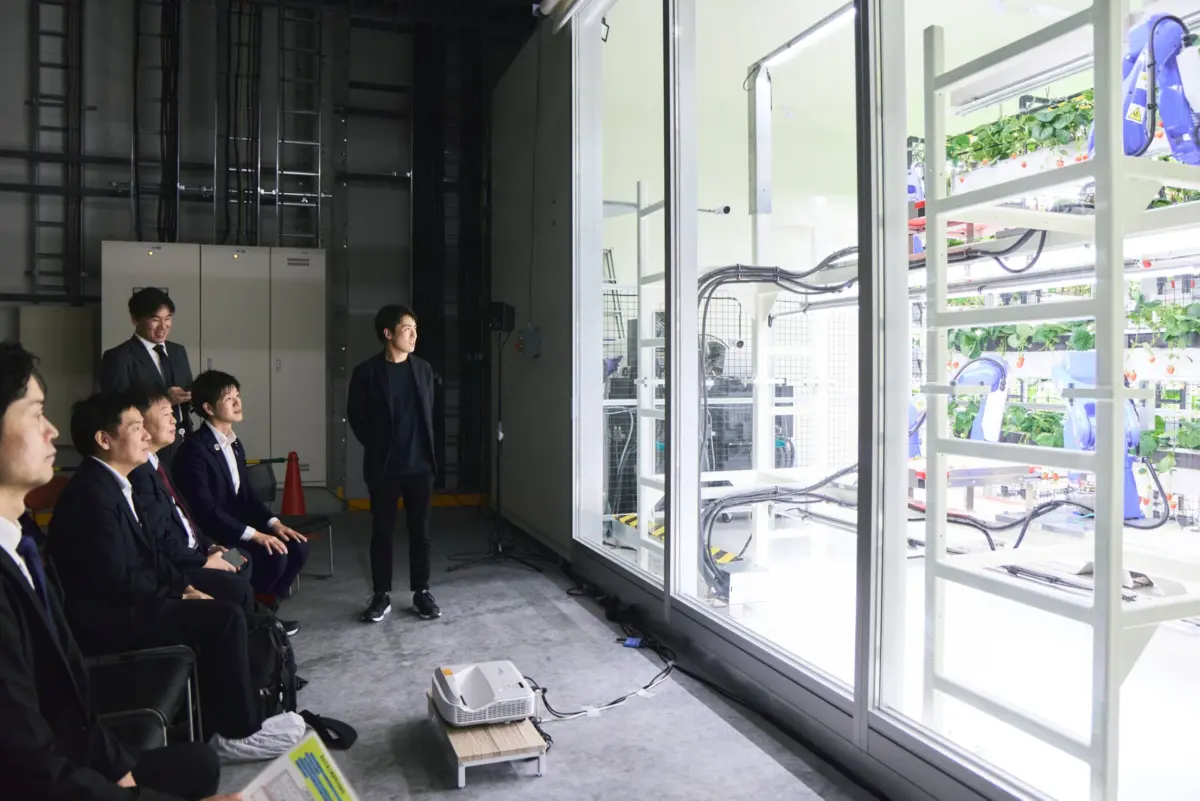
To bridge this critical gap, Oishii—best known for its ultra-premium, pesticide-free, non-GMO indoor strawberries—unveiled its state-of-the-art Open Innovation Center on August 5 in Hamura, Tokyo. Backed by a freshly minted $150 million Series C funding round secured in May 2026, this new research and development hub is designed to shift the paradigm of indoor agriculture. Instead of merely adapting modern technology to fit legacy crop varieties, Oishii aims to decode plant biology across every stage of a multi-year lifecycle, engineering bespoke fruit and vegetable varieties specifically optimized for vertical ecosystems.
This comprehensive report explores the strategic rationale behind Oishii’s new facility, examines the hurdles of indoor fruit cultivation, and analyzes how longitudinal horticultural data may dictate the next evolutionary phase of controlled-environment agriculture (CEA).
Detailed Chronology: The Evolution of Oishii’s R&D Strategy
The trajectory of Oishii has long been defined by patience, precision, and an unwillingness to cut corners in agricultural science. While many vertical farms initially focused on fast-growing leafy greens like kale, lettuce, and microgreens—crops with brief lifecycles that mask deep biological complexities—Oishii targeted one of the most notoriously finicky crops in traditional farming: strawberries.
The Foundation Years (2010s – 2024)
From its inception, Oishii recognized that mastering indoor agriculture required viewing the plant not merely as a mechanical output of light and water, but as a living organism navigating a complex, multi-year developmental journey. Strawberries present unique hurdles due to their intricate nutritional, environmental, and developmental shifts across different phases of maturity.
For more than ten years, the company’s agronomists and plant scientists systematically gathered data on how micro-fluctuations in humidity, spectrum-specific light recipes, root-zone nutrition, and air circulation influence sugar content, acidity, aroma, and yield. Because controlled environments eliminate external variables such as unseasonal rain, pest outbreaks, and heatwaves, Oishii discovered it could compress decades of traditional outdoor observation into a fraction of the time.
The Financial Catalyst: Series C Funding (May 2026)
The pursuit of biological mastery requires heavy capital expenditures. In May 2026, Oishii crossed a major milestone by securing the first close of a $150 million Series C funding round. In an economic climate where investors have grown deeply skeptical of vertical farming burn rates, Oishii’s premium-tier strategy—positioning its fruit as an elite culinary experience rather than a low-cost commodity—convinced backers of its viability.
This capital infusion served as the immediate springboard for global scaling, specifically fueling the establishment of advanced research infrastructure designed to push the boundaries of crop science.
The Landmark Launch: The Hamura Open Innovation Center (August 5, 2026)
Culminating years of stealth research and operational refinement, Oishii officially opened the doors to its Open Innovation Center in Hamura, Tokyo, on August 5, 2026.
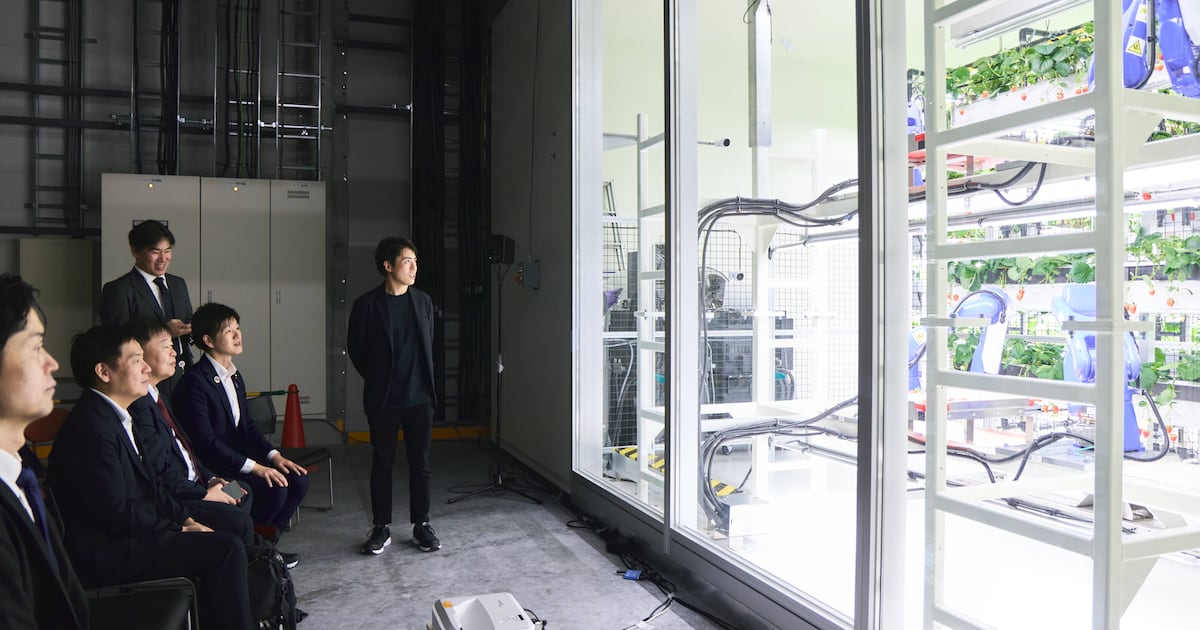
The facility is not merely a production site; it is a dedicated biological sandbox. Spanning scalable farming systems, productivity enhancements, sustainability metrics, flavor optimization, and cultivation technologies, the Hamura hub will double down on the company’s mission to decode plant biology. The center is engineered to handle hundreds of experiments annually, testing granular hypotheses about how precise environmental adjustments translate into superior sensory qualities.
Supporting Context & Metrics: Why Biology Trumps Hardware
To understand why the Hamura Open Innovation Center matters to the broader agtech landscape, one must examine the economic and operational realities of modern vertical farming.
The Commoditization of Hardware vs. The Scarcity of Biological IP
In the early days of the vertical farming boom, competitive advantage was frequently measured by engineering specifications: energy-efficient LEDs, advanced HVAC systems, and proprietary automated seeding and harvesting robots. However, as supply chains matured, these hardware components became largely commoditized. Today, a newly funded startup can purchase world-class climate-control systems off the shelf.
What cannot be easily purchased is longitudinal horticultural expertise. As John Reed, Chief of Strategy for Oishii, points out, knowing how to turn on a light and pump nutrient-rich water is very different from understanding how a crop behaves over its entire lifecycle in an artificial ecosystem.
[Traditional AgTech Focus]  ---> Hardware, Sensors, Automation (Easily Replicated)
[Oishii's Strategic Focus]   ---> Longitudinal Plant Biology & Proprietary Crop IP (Hard to Acquire)
Strawberries, in particular, highlight this divide. Outdoor strawberry farming relies heavily on specific regional climates, intensive chemical pesticide applications to combat fungal diseases like powdery mildew, and long-distance cold-chain transport that degrades flavor and nutritional value before the fruit hits supermarket shelves. Replicating this delicate fruit indoors requires understanding how its nutritional and environmental needs vary dramatically across different developmental phases.
Accelerating the Scientific Loop
Traditional outdoor agriculture is painfully slow for researchers. Because farmers are constrained by seasons, they generally get one—or at most two—growing cycles per year to test a hypothesis regarding soil amendments, nutrient ratios, or pest management strategies.
In contrast, Oishii’s advanced indoor environments allow for continuous, year-round experimentation. By initiating multiple experimental crop cycles every single month, the company compresses the trial-and-error cycle of plant science:
- Speed of Iteration: Hypotheses formulated in a Tokyo lab can be tested, measured, and evaluated in weeks rather than years.
- Data Density: High-resolution sensor networks capture millions of data points on transpiration rates, photosynthetic efficiency, and biomass accumulation.
- Predictive Modeling: Accumulated longitudinal data allows data scientists to build predictive algorithms that simulate how a plant will respond to environmental shifts long before harvest.
Official Statements and Industry Insights
The philosophy driving Oishii’s expansion is rooted in a sober assessment of where the vertical farming sector has stumbled in the past, and where it must go to achieve long-term profitability.
Reflecting on the state of the industry, John Reed, Chief of Strategy for Oishii, emphasized the critical need for a cultural and scientific pivot:
"The vertical farming sector is still developing the deep, long-term horticultural expertise needed to fully understand how crops behave across their entire lifecycle in controlled environments. Ultimately, we believe the sector needs deeper longitudinal horticultural expertise — an understanding not just of how to grow a plant, but how to optimise its biology over years and across every stage of its lifecycle."
Reed noted that while automated machinery and environmental sensors are vital tools, they are ultimately subordinate to biological understanding. The multi-year lifecycle of specialty crops like strawberries means that mistakes made during early vegetative stages can compromise fruit quality months down the line.
Addressing the unique advantages of indoor systems in overcoming these challenges, Reed elaborated:
"At Oishii, we’ve spent more than a decade studying these dynamics, and our indoor growing environment gives us a unique ability to accelerate that learning. We can conduct research year-round, with multiple experimental crop cycles beginning every month. This enables us to continuously test hypotheses, generate data and build expertise far faster than is possible with seasonal outdoor growing."
Furthermore, the Hamura Open Innovation Center represents a fundamental shift in how crops are chosen for indoor farming. Historically, indoor farmers have been forced to take commercial crop varieties bred for outdoor soil conditions—such as field strawberries or greenhouse tomatoes—and force them to grow under artificial lights and vertical racks.
Reed envisions a completely inverted model moving forward:
"Rather than adapting our technology to whatever varieties are available, we can increasingly develop plants with the traits our system values most—higher yield, better quality, greater consistency, and fruit that is easier for robots to harvest."
Future Outlook: Breeding the Crops of Tomorrow
The inauguration of the Hamura Open Innovation Center signals more than just an expansion of Oishii’s corporate footprint; it outlines a roadmap for the next generation of controlled-environment agriculture. As the facility scales its operations, several key strategic horizons emerge:
1. Moving Beyond Strawberries: Diversification into New Fruit and Vegetable Varieties
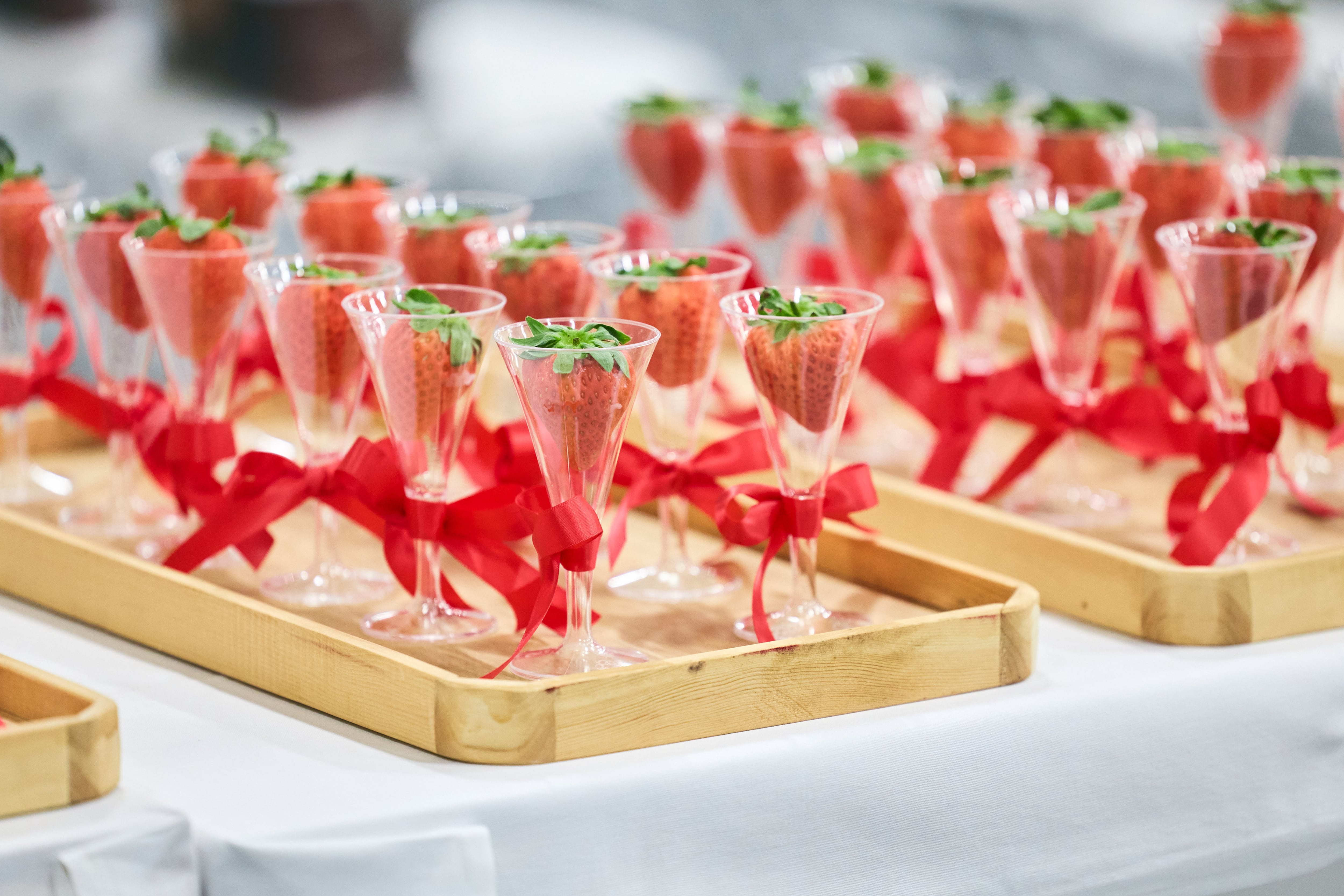
While Oishii’s brand equity is firmly anchored in its luxury Omakase and Kizuna strawberries, the company has made it clear that its platform is extensible. The Hamura center will explore cultivation technologies and flavor profiles for an array of new fruit and vegetable varieties. By applying the same rigorous, biology-first approach to other high-value, delicate crops, Oishii aims to disrupt additional agricultural categories currently reliant on fragile global supply chains.
2. Custom Breeding for Automation and Yield
The holy grail of indoor farming is full lights-out automation—facilities where planting, monitoring, pruning, and harvesting are executed entirely by robotic systems without human intervention. However, current crop geometries often make robotic harvesting difficult and prone to bruising.
By utilizing the Hamura hub’s breeding and genetic exploration capabilities, Oishii can selectively breed plants featuring predictable architectures: uniform fruit sizing, optimal stem lengths for robotic grippers, and predictable ripening schedules. This bridges the gap between mechanical engineering and plant biology.
3. Hyper-Targeted Sensory Optimization
Consumers purchasing ultra-premium produce expect an exceptional culinary experience. Through precision environmental control—manipulating light spectra down to specific nanometers, adjusting vapor pressure deficits (VPD) dynamically, and fine-tuning root-zone nutrient delivery—Oishii’s researchers aim to unlock "designer" flavor profiles. The Hamura center will allow scientists to isolate the exact environmental triggers responsible for enhancing sweetness, aromatic complexity, and textural crispness.
4. Setting a New Standard for AgTech Investment
Following the $150 million Series C funding round in May 2026, Oishii’s strategy offers a compelling counter-narrative to the wave of contractions that hit the indoor farming sector in the mid-2020s. While competitors that chased low-margin commoditized greens floundered under high energy costs and lack of product differentiation, Oishii’s focus on biological IP, premium positioning, and relentless R&D has established a sustainable blueprint for growth.
Conclusion
The opening of the Open Innovation Center in Hamura, Tokyo, marks a maturation point for Oishii and a critical milestone for the vertical farming industry at large. By acknowledging that the future of food production relies not just on how well we control our buildings, but on how deeply we understand our plants, Oishii is charting a course toward resilient, high-yield, and extraordinarily flavorful agriculture. As the data from Hamura begins to flow, the gap between traditional field farming and the high-tech indoor agriculture of the future will narrow—ushering in an era where biology and technology finally speak the same language.