
Executive Overview
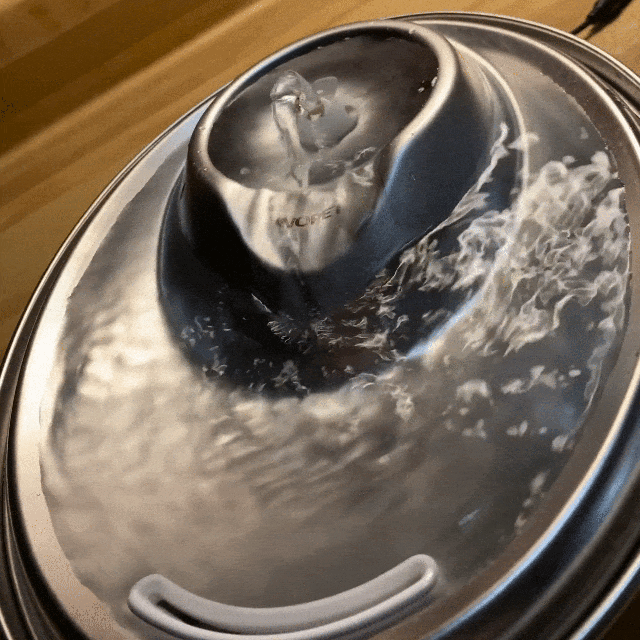
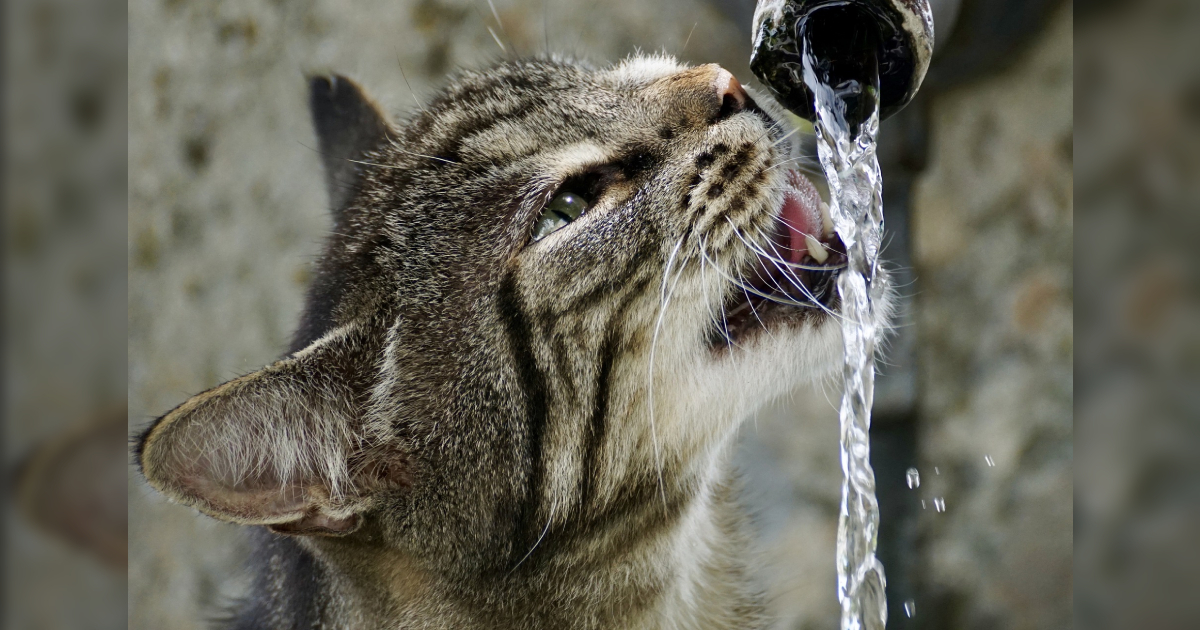
Water is the very essence of life, yet for the domestic feline, it can quietly become a vector for microbial accumulation. Across the globe, millions of households have upgraded from static bowls to circulating water fountains, operating under the assumption that moving water equates to perpetually pristine hydration. Felines—evolutionarily predisposed to distrust stagnant water sources due to their susceptibility to contamination in the wild—are naturally drawn to these bubbling oases. However, beneath the crystal-clear cascades and gentle purr of submersible motors lies an insidious operational threat: the hidden water slime crisis.
This investigative report examines the mechanics of pet water fountain contamination, focusing specifically on the overlooked components that evade routine household cleaning. Through expert commentary, veterinary consensus, and actionable maintenance protocols, we explore the proliferation of biofilm, the mechanical failure of fountain pumps, and the indispensable hygiene practices required to safeguard feline health. While human pet parents frequently wash the visible basin, the microscopic world thriving inside the pump housing demands rigorous, systematic intervention.
Detailed Chronology: The Anatomy of a Fountain Breakdown
The failure of a cat water fountain rarely happens overnight. It is a progressive, microscopic accumulation that moves from a minor biological process to a complete mechanical halt. Understanding this timeline is crucial for preventative pet care.
Phase 1: The Initial Flow (Days 1–3)
Upon filling a freshly sanitized fountain with clean tap or filtered water, the submersible pump creates a vibrant, oxygenated stream. Felines investigate the moving water, engaging in enthusiastic hydration. At this stage, the mechanical efficiency is at 100%, and the water is free of visual contaminants.
Phase 2: The Microscopic Genesis (Days 4–7)
Even with diligent daily top-offs, environmental dust, airborne pet dander, and feline saliva introduced during drinking begin to mingle with the water. As minerals from the water interact with organic matter, a microscopic layer begins to form. This is the genesis of biofilm—a structured community of bacteria encased in a self-produced protective matrix. Because water is constantly moving over these surfaces, the bacteria find a stable environment to anchor themselves, particularly inside the dark, protected chambers of the plastic or ceramic pump housing.
Phase 3: The Sluice and the Stagnation (Days 8–14)
As the biofilm thickens and mineral scale (calcium and magnesium from hard water) begins to precipitate, the internal mechanics of the pump face resistance. The impeller—the tiny spinning rotor that drives the water flow—becomes physically encumbered. The vibrant, crystal-clear rainbow cascade transitions into a lazy, sputtering sluice.
Phase 4: The Discovery and Interventions (Day 15 and Beyond)
When the flow rate drops noticeably, observant felines register the disruption. Through vocalizations, plaintive stares, and an acute refusal to engage with the hobbled water source, cats signal their human handlers that something is amiss. Upon dismantling the unit, pet parents are frequently met with an unpleasant discovery: a thick, gelatinous coating lining the inner chambers of the pump. This gelatinous layer is the physical manifestation of neglected biofilm, signaling an urgent need for a comprehensive deep-clean.
Supporting Context & Metrics: The Science of Biofilm and Feline Hydration
To fully grasp why routine bowl wiping is insufficient, one must examine the biological nature of the contaminants involved.
What is Biofilm?
According to veterinary parasitology and microbiology references, a biofilm is an aggregation of microorganisms in which cells adhere to each other on a surface. These adherent cells are frequently embedded within a self-produced matrix of extracellular polymeric substances (EPS). In domestic water fountains, this matrix acts as a biological shield, making simple rinsing with cold water entirely ineffective.
The Merck Veterinary Manual highlights that biofilms can harbor opportunistic bacteria capable of causing gastrointestinal distress, urinary tract issues, and secondary infections in vulnerable pets. When a cat drinks from a fountain overrun with internal biofilm, they ingest these concentrated microbial colonies.
The Hard Water Factor and Mineral Scale
Beyond biological growth, tap water contains dissolved minerals. As water evaporates or cycles through the motorized pump, these minerals crystallize, forming a chalky scale known as limescale. This scale creates microscopic surface irregularities inside the pump parts, providing an ideal anchorage point for subsequent layers of biofilm.
Industry Brand Landscape
Modern pet water fountains—spanning popular market leaders such as PetSafe Drinkwell, Veken, Pawira, and Kitty Spout—rely almost universally on a standardized submersible centrifugal pump design. While exterior materials vary widely (ranging from medical-grade stainless steel and high-fired ceramics to BPA-free molded plastics), the internal pumping mechanism remains functionally identical across brands. Consequently, the vulnerability to internal slime accumulation is a universal challenge across the pet care market.
Official Statements and Veterinary Guidelines
Leading veterinary institutions and animal welfare organizations have established clear protocols regarding the maintenance of pet hydration systems.
The Ohio State University Indoor Pet Initiative
According to guidelines from the Indoor Pet Initiative at The Ohio State University, environmental enrichment for indoor cats heavily relies on resource accessibility, with clean, fresh water being a top priority. Their environmental care models recommend a comprehensive cleaning cadence of every one to two weeks for continuous-flow water fountains to prevent microbial fouling and maintain optimal water palatability.
International Cat Care (iCatCare)
International Cat Care emphasizes that encouraging domestic felines to consume adequate water is vital for preventing chronic kidney disease and lower urinary tract disorders. Their advisory boards note that cats possess a naturally low thirst drive, inherited from desert-dwelling ancestors. If water tastes altered by mineral scale or bacterial biofilm, felines will actively avoid the fountain, leading to dangerous dehydration. iCatCare advocates for the use of safe, natural descaling agents, such as white vinegar solutions, to break down mineral bonds without leaving toxic chemical residues.
Professional Maintenance Protocol
Veterinary sanitation experts recommend the following step-by-step cleaning cadence for maintaining standard submersible pet fountain pumps:
- Unplug and Disassemble: Completely disconnect the fountain from its power source. Remove the reservoir, filters, and housing to access the submersible pump. Carefully pull apart the pump components, removing the intake plate, the impeller cover, and the magnetic rotor/impeller itself (which is typically held in place by a small magnetic force).
- Wash the External Basin: Clean the main basin and exterior components using hot water and a mild, pet-safe dish detergent. Rinse thoroughly to ensure no soapy residue remains.
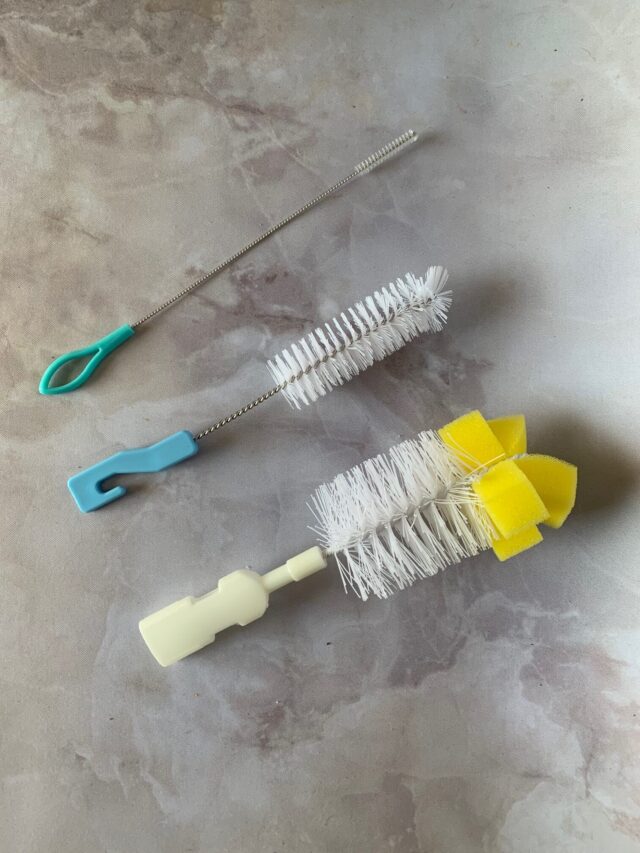
- De-slime and Descale the Pump: For routine cleaning, wash pump components in warm, soapy water using a small brush or cotton swab to reach narrow channels. If mineral scale or stubborn biofilm is present, soak the disassembled pump parts in a solution of equal parts warm water and food-grade white vinegar for 10 to 15 minutes. This loosens mineral bonds and neutralizes bacterial buildup.
- Rinse and Reassemble: Rinse all components extensively with clean, running tap water until no vinegar scent or residue lingers. Reassemble the pump carefully, ensuring the tiny impeller spins freely on its pin, and reconstruct the fountain.
Future Outlook: Innovations in Feline Hydration Hygiene
As pet technology evolves, manufacturers are beginning to address the persistent issue of internal pump contamination through engineering advancements. Future trends in feline hydration systems point toward several key developments:
- Wireless Magnetic Pumps: Newer fountain designs are shifting away from traditional pumps with exposed electrical cords and internal impellers that trap hair and debris. Wireless magnetic-drive pumps separate the water chamber entirely from the electrical induction base, making disassembly and cleaning significantly simpler and reducing hidden crevices where biofilm can thrive.
- Antimicrobial Materials: The integration of silver-ion technology and copper-infused plastics into fountain reservoirs and pump housings is currently being explored to inhibit bacterial cell division passively. While these technologies reduce the speed of biofilm formation, veterinary experts stress that they do not replace the necessity of manual mechanical scrubbing.
- Smart Diagnostics: Emerging "smart" pet fountains feature flow-rate sensors and digital indicators that notify pet parents via smartphone applications when internal resistance increases—signaling that the pump impeller is becoming encumbered by scale or slime before a total flow failure occurs.
Conclusion
Ensuring that a feline companion has access to clean, flowing water is a cornerstone of responsible pet guardianship. While the visual appeal of a bubbling fountain brings joy to both cats and their human handlers, true hydration safety requires looking beneath the surface. By understanding the science of biofilm, adhering to a strict bi-weekly cleaning schedule for submersible pumps, and utilizing safe descaling agents like vinegar, pet parents can protect their felines from invisible microbial threats. After all, once the fountain is sparkling, sanitized, and flowing freely, the human caretaker’s primary duty remains crystal clear: never forget to feed the cat.