
By Wendy S. Myers, CVJ
Executive Overview
In the wake of the global COVID-19 pandemic, the landscape of veterinary medicine underwent a fundamental, permanent shift. Practices that once prided themselves on remaining open seven days a week are taking a hard look at their operational models, balancing the demands of modern pet ownership against the acute realities of industry-wide burnout, staffing shortages, and skyrocketing turnover rates. Leading this charge are forward-thinking practice owners like Melissa Magnuson, DVM, who made the bold decision to shutter weekend operations across her three New Hampshire clinics.
Far from harming her business, the move proved to be a watershed moment. "It was the best business decision I ever made," Dr. Magnuson asserts.
This sentiment is no longer an isolated anomaly. Across the veterinary and broader healthcare sectors—including human dentistry—a quiet revolution is underway. Professionals are trading grueling, extended schedules for compressed workweeks, optimizing internal efficiencies, and leveraging technology to do more in less time. According to recent data from the American Veterinary Medical Association (AVMA), slightly less than half of all U.S. practices now offer Saturday hours, while a mere 8.6 percent operate on Sundays.
This comprehensive report examines the strategic shift toward compressed schedules in veterinary medicine, analyzing the underlying economic drivers, operational blueprints, quantitative metrics, and long-term implications for practice owners, veterinary teams, and animal care.
Detailed Chronology: From Pandemic Emergency to Permanent Operational Strategy
The Catalyst: The Post-COVID Burnout Crisis
The operational cracks in the traditional veterinary business model were severely widened by the pandemic. Lockdowns triggered an unprecedented surge in pet adoptions, popularly known as "pandemic puppies and kittens," while simultaneous curbside protocols and social-distancing mandates dramatically reduced patient throughput. Veterinary teams labored under immense physical and psychological strain, facing longer hours, heightened client anxiety, and an unrelenting caseload.
As emergency restrictions lifted, the residual damage became glaringly apparent. Burnout soared, and veterinary professionals began leaving the field in alarming numbers. Practices faced a staggering average annual staff turnover rate of 23 percent—meaning nearly one in four veterinary team members walked away from their jobs every year.
Rethinking the Seven-Day Week
For decades, the prevailing wisdom in veterinary medicine dictated that accessibility was king. Practices felt compelled to offer Saturday and Sunday appointments to capture market share and cater to working pet owners. However, this ethos came at a steep human and financial cost: high overhead, scattered staffing rosters, increased wear-and-tear on facilities, and chronic employee exhaustion.
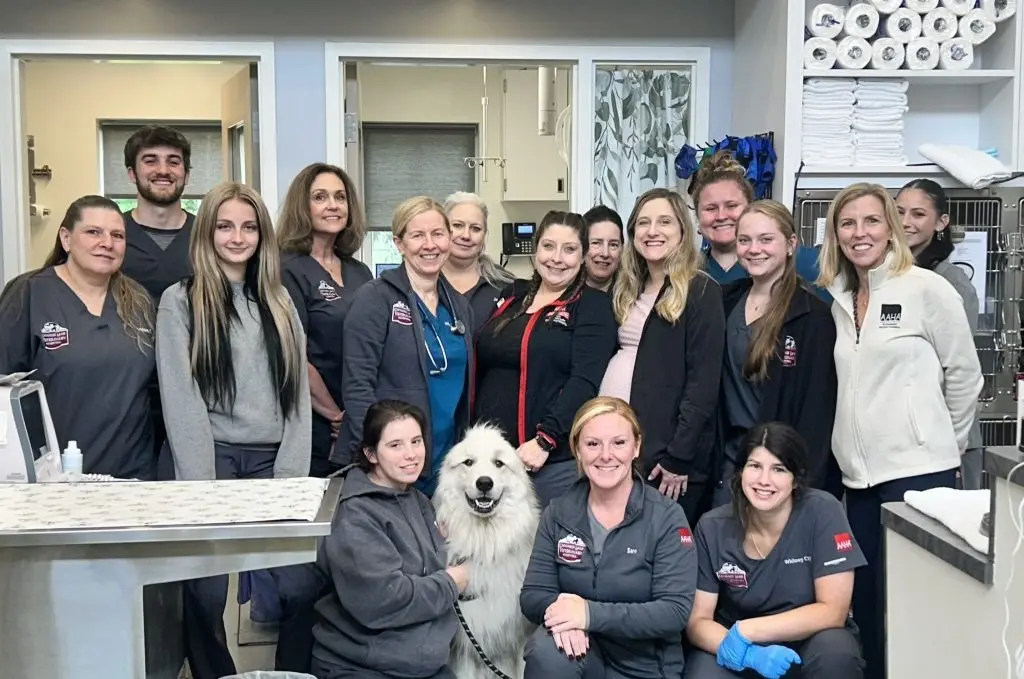
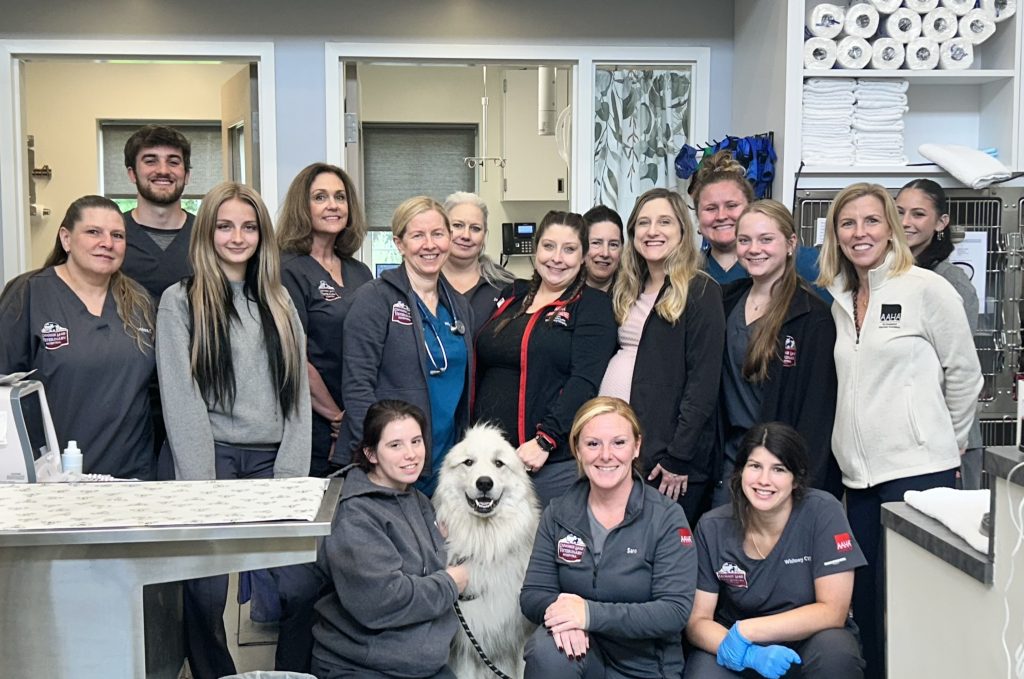
Dr. Magnuson, owner of Canobie Lake Veterinary Hospital, All Pets Veterinary Hospital, and Greenland Veterinary Hospital, as well as a board member of the American Animal Hospital Association (AAHA), reached a tipping point. Recognizing that her teams were stretched to their absolute limits, she decided to restructure. She officially eliminated Saturday and Sunday hours across all three of her New Hampshire practices.
"The more I compress the schedule, the better my teams get," Dr. Magnuson reflects, highlighting an unexpected operational paradox. By shrinking the operating window, her staff was forced to streamline workflows, eliminate administrative redundancies, and lean into cooperative, high-efficiency task execution during standard weekday hours.
Cross-Industry Parallels: The Dental Blueprint
Veterinary medicine is not alone in its reckoning with time. A remarkably similar transformation is currently sweeping the dental profession, offering a valuable roadmap for veterinary practice owners.
Recent data reveals that approximately 30 percent of dentists under the age of 40 are either actively considering or already working a shortened clinical week. Among established practice owners, the adoption rate hovers between 18 and 22 percent, but it is climbing rapidly. Driven by the exact same pressures—rising turnover, staff burnout, and intense competition for talent—progressive dental practice owners are experimenting with compressed work schedules.
The dental industry’s experience provides hard evidence of the viability of compressed models: most dental practices transitioning to a shorter workweek adopt a four-day, 10-hour-day schedule. Remarkably, practice production typically holds steady at 95 percent to 100 percent of previous five-day output. Simultaneously, practice overhead drops by 3 percent to 5 percent simply by eliminating one full day of variable facility costs, energy consumption, and staffing overhead.
Supporting Context & Metrics: Evaluating the Numbers
Transitioning to a compressed schedule or eliminating weekend hours cannot be done on a whim. It requires rigorous mathematical analysis of practice capacity, client behavior, and financial performance. Industry experts recommend evaluating specific quantitative benchmarks before making any operational adjustments.
1. Measuring the Appointment Fill Rate
The single most critical metric when considering a schedule compression is the appointment fill rate.
- The Formula: Divide the total number of appointments actually seen by the total number of available appointment slots.
- The Target Benchmark: Practices should aim for an optimal fill rate of 85 percent.
When a practice’s fill rate consistently exceeds 90 percent, warning lights should flash. Operating at this hyper-capacity leaves virtually no room for urgent, same-day sick patients, alienates new clients seeking timely care, and places unsustainable pressure on front-desk and clinical staff, driving up burnout.
Conversely, if a practice’s fill rate languishes below 80 percent, it indicates overstaffing relative to demand, suppressed profitability, and constrained employee wages. If your appointment fill rate drops below the 85 percent threshold, it serves as a clear financial and logistical indicator that reducing operating hours to compress your schedule is a viable, profit-preserving strategy.
2. Industry-Wide Operating Statistics
To contextualize where your practice stands relative to the national average, consider the following data points drawn from the 2026 AVMA Economic State of the Veterinary Profession and related industry analyses:
- Saturday Availability: Only 49.6 percent of all veterinary practices in the United States currently offer Saturday hours.
- Sunday Availability: Just 8.6 percent of U.S. veterinary clinics open their doors on Sundays.
- Annual Staff Turnover: The veterinary sector averages a 23 percent annual turnover rate among team members.
- Financial Impact of Compression: Similar compressed models in healthcare show a 3% to 5% reduction in variable overhead costs alongside stable production output.
Official Statements and Expert Insights
The shift toward compressed scheduling is supported by veterinary leaders and practice management experts who emphasize that working smarter—not longer—is the key to long-term industry sustainability.
"The more I compress the schedule, the better my teams get. We learned to become more efficient and do more during the week."
— Dr. Melissa Magnuson, Owner of Canobie Lake Veterinary Hospital, All Pets Veterinary Hospital, and Greenland Veterinary Hospital, and AAHA Board Member.
Dr. Magnuson notes that the benefits of eliminating weekend shifts extended far beyond simple ledger economics, paying immediate dividends in staff morale and employee retention. Single mothers and staff members with young families, in particular, flourished under the more predictable work schedules and reclaimed weekend family time.
"When your staff is happier, your clients are happier."
— Dr. Melissa Magnuson
This observation touches on a foundational truth of service-oriented industries: client satisfaction is inextricably linked to employee well-being. Compassionate, attentive patient care cannot be sustainably delivered by an exhausted, overworked veterinary team. When hospitals prioritize the mental health and work-life balance of their staff, client relations, retention, and medical compliance naturally improve.
Operational Strategies: How to Implement a Compressed Schedule
For practice owners evaluating whether a compressed schedule or the elimination of weekend hours is appropriate for their clinic, a systematic, multi-step evaluation process is essential.
Step 1: Optimize Daily Scheduling
Moving to a compressed schedule does not mean simply slicing away hours and abandoning clients. Instead, practices typically extend their daily operational hours and intensely optimize their appointment templates to see the same cumulative volume of patients in fewer days.
Tactical adjustments include:
- Opening clinical doors 30 minutes earlier and closing an hour later on standard weekdays.
- Staggering staff lunch breaks and shift rotations to maximize continuous doctor availability during peak demand windows.
- Restructuring appointment types to separate wellness checks from complex diagnostics, ensuring smoother patient flow.
Step 2: Leverage Technology to Drive Efficiency
A compressed schedule demands administrative discipline. When operating hours are reduced, every minute counts, making the integration of modern veterinary technology non-negotiable.
Practices must invest in digital tools that streamline administrative burdens, eliminate manual data entry, and automate routine client communications. Online booking portals, automated appointment reminders, digital intake forms, and integrated client-communication apps free up front-desk personnel to focus on high-value client interactions and patient care coordination.
Step 3: Evaluate Weekend Revenue and Case Types
Before eliminating weekend hours, practice owners must conduct a rigorous financial audit. Ask critical questions:
- What are the true operational expenses versus the gross revenue generated during Saturday and Sunday shifts?
- Are weekend appointments comprised primarily of loyal, existing clients, or are they one-time visitors seeking after-hours convenience?
- Do weekend emergency cases disrupt weekday continuity of care?
If weekend revenue fails to justify the premium labor costs, utility expenses, and staff fatigue associated with keeping the facility open, transitioning those hours to weekday compression is a sound financial maneuver.
Future Outlook: The Sustainable Practice of Tomorrow
As the veterinary profession looks toward the future, the traditional dogma of "open 24/7/365 at all costs" is rapidly giving way to a more nuanced, sustainable philosophy of practice management. The convergence of persistent labor shortages, heightened awareness of mental health, and proven efficiency models indicates that compressed workweeks will become an increasingly common hallmark of progressive veterinary hospitals.
Implementing a successful compressed schedule is not a one-size-fits-all endeavor. It requires a careful, localized evaluation of patient volume, competitive landscape, staff size, and practice type. However, for practices struggling with high turnover, stagnant profit margins, and exhausted teams, compressing the schedule offers a compelling pathway forward.
By aligning operational hours with genuine community demand, harnessing modern technology, and placing the well-being of the veterinary team at the center of business strategy, practice owners can build resilient, profitable, and enduring hospitals. In doing so, they prove that taking care of the people who heal animals is the ultimate prescription for long-term success.
About the Author
Wendy S. Myers, CVJ, trains veterinary teams to communicate with clarity and confidence, inspiring client trust and better medical care. Founder of Communication Solutions for Veterinarians, she teaches proven skills through online courses, conferences, and consulting. Myers’ experience as a partner in a specialty and emergency hospital gives her unique insight into daily practice challenges. Explore her online training programs at CsvetsCourses.com.