
Executive Overview
The landscape of animal rescue in the United States is fraught with systemic challenges, ranging from overcrowded hoarding situations to severe medical emergencies requiring intensive, specialized veterinary intervention. Amidst these challenges, organizations like Alley Cat Allies serve as a critical lifeline for vulnerable populations of cats and kittens. A comprehensive look at recent rescue, medical rehabilitation, and adoption updates highlights the profound impact of community-driven animal welfare.
From the harrowing rescue of over 90 cats and kittens from a cramped, unsanitary Alabama residence to the individual medical triumphs of cats like Cricket, Neo, Hemingway, and Hazel, the narrative of feline rescue is one of profound transformation. These stories illustrate that physical rehabilitation is only half the battle; emotional recovery, socialization, and the formation of supportive inter-species and intra-species bonds are equally vital to long-term welfare.
Furthermore, this report examines the operational frameworks that make these rescues possible. Through collaborative veterinary partnerships, social media engagement for kitten naming, and accessible public resources such as the Community Resource Tool®, Alley Cat Allies continues to redefine the standards of humane, evidence-based care. As adoption milestones for cats like Hemingway and Hazel demonstrate, the ultimate goal of these interventions is not merely survival, but the successful integration of rescued felines into loving, permanent homes.
Detailed Chronology: The Journey from Crisis to Care
The Alabama Mass Rescue and Cricket’s Medical Odyssey
The sheer scale of modern animal hoarding and neglect requires rapid, coordinated responses from national advocacy groups and local rescue outfits. Earlier this rescue cycle, animal welfare professionals descended upon a single residential property in Alabama, where an alarming total of 91 cats and kittens were discovered living in severely cramped, unsanitary conditions. The environment posed immediate risks to the animals’ physical health, exposing them to infectious diseases, parasites, and chronic malnutrition.
Alley Cat Allies mobilized swiftly, collaborating directly with local rescuers to provide critical veterinary triage and ongoing medical care for the survivors. While many of the cats required standard vaccinations, parasite treatments, and nutritional rehabilitation, one kitten named Cricket emerged as a particularly complex medical case.
Cricket suffered from carpal laxity, a developmental condition affecting the ligaments and tendons of the carpus (wrist), which prevented him from standing straight on his front legs. Additionally, Cricket battled a chronic gastrointestinal and stomach issue that left him in a perpetual state of dehydration, requiring rigorous fluid therapy and specialized dietary management. Despite these profound physical obstacles, Cricket retained a remarkably bold, gregarious, and affectionate disposition.
Neo’s Trauma and the Power of Unlikely Friendships
While Cricket was navigating his rehabilitation in one region, a parallel rescue drama unfolded in another city. A young cat named Neo was rushed to an emergency veterinary clinic bearing a massive, severe wound to his face. The injury required intensive surgical intervention, pain management, and around-the-clock wound care facilitated by Alley Cat Allies’ network of dedicated veterinary professionals.
Although Neo survived the ordeal—leaving behind a distinct scar as a physical reminder of his trauma—he carried deep psychological scars. He was initially withdrawn, traumatized, and deeply distrustful of his new environment.
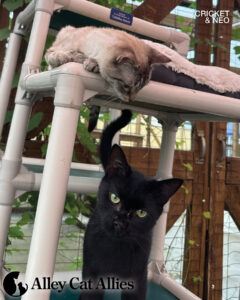
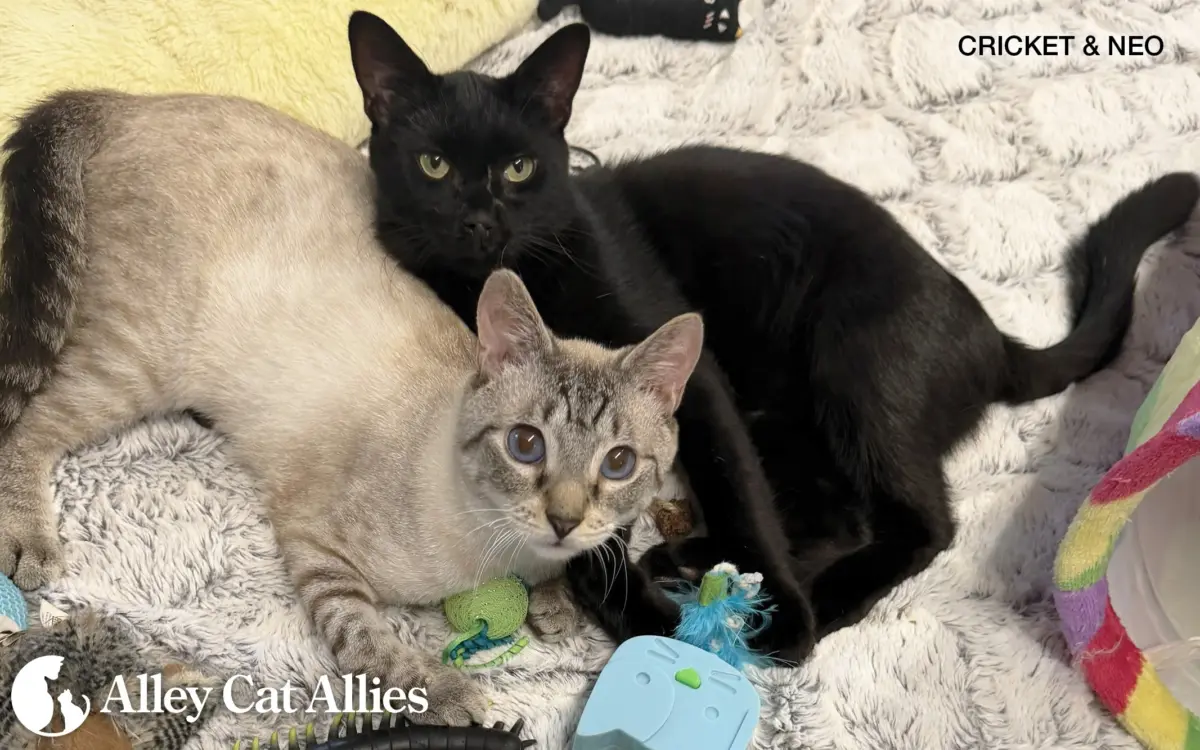
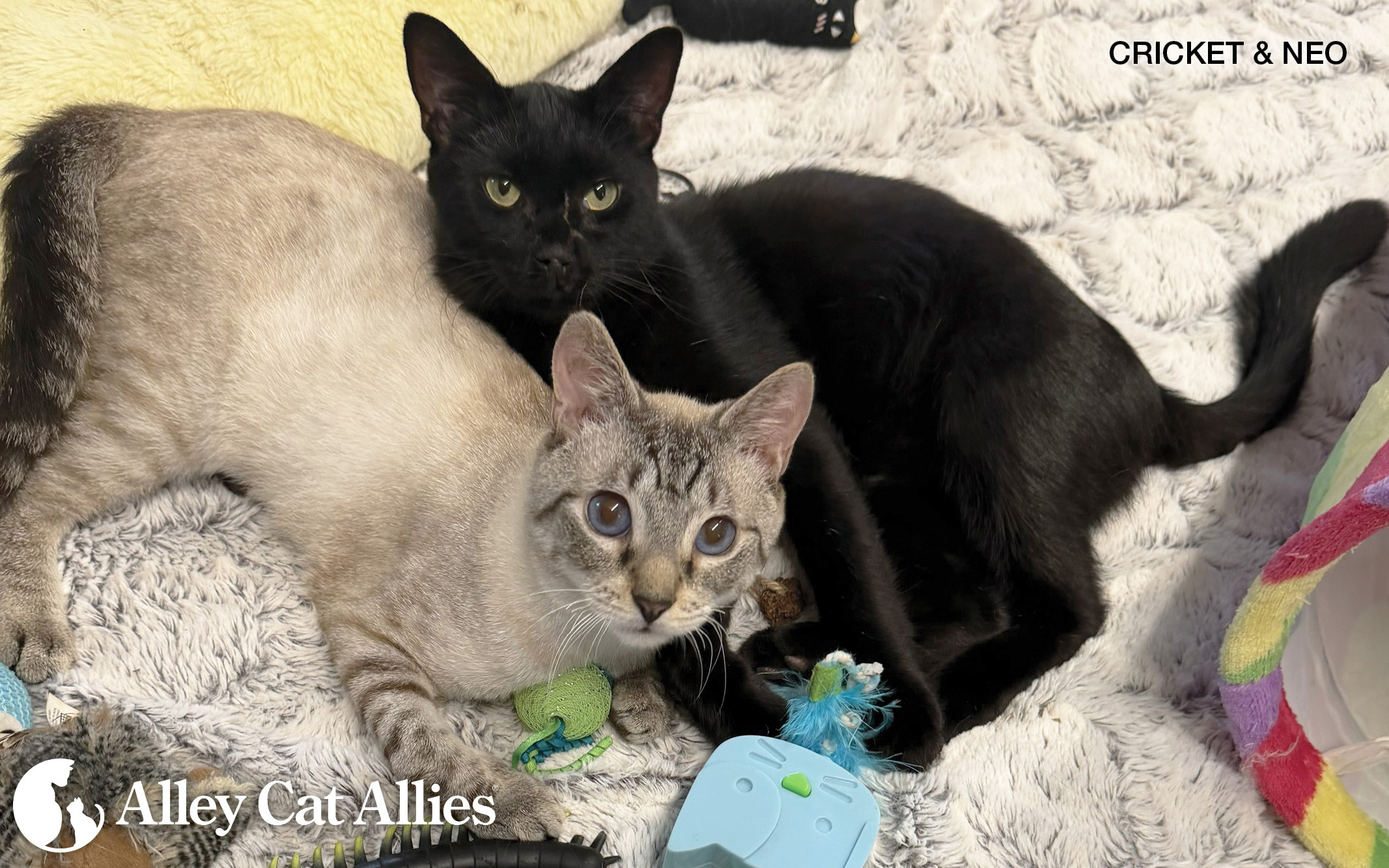
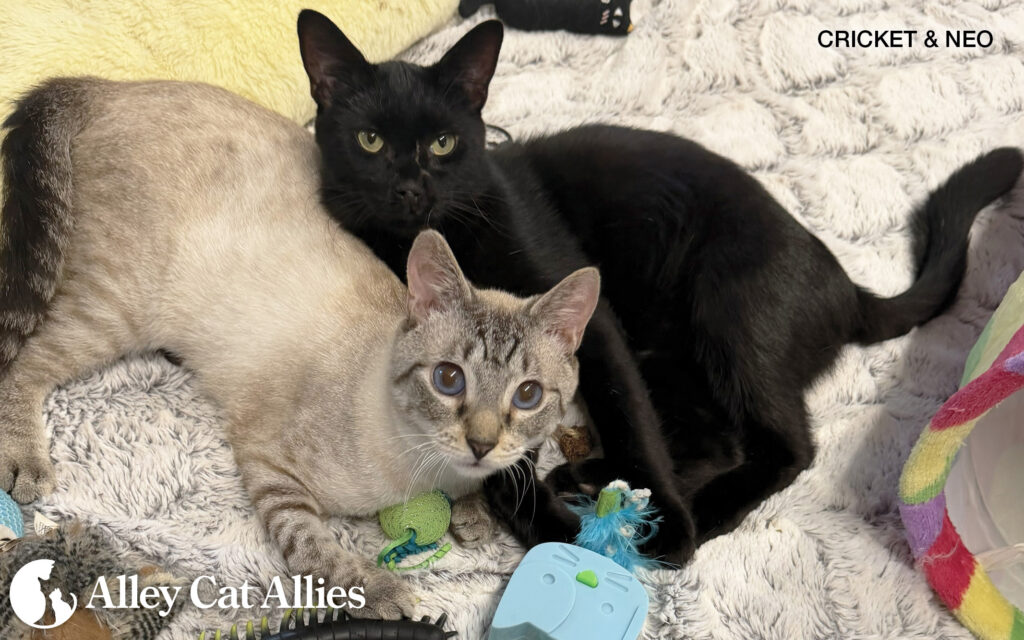
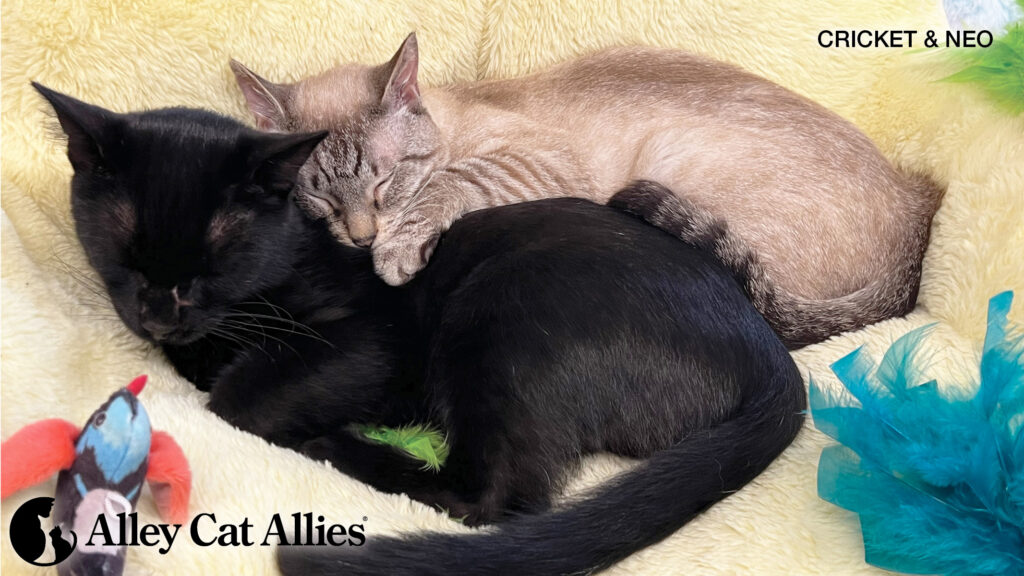
The turning point for both cats arrived when they were introduced. In what can only be described as a symbiotic healing process, Cricket’s outgoing, fearless nature acted as a therapeutic anchor for Neo. The two cats formed an immediate bond, engaging in mutual grooming, exchanging contented purrs, and providing each other with the emotional security necessary to overcome their respective pasts. Today, Cricket and Neo are completely inseparable, proving that feline companionship can expedite emotional recovery just as effectively as clinical medicine.
The Kitten Family: Cotton, Almond, Churro, Creamsicle, and Strawberry
In a separate intervention earlier this month, rescue workers brought a mother cat and her litter of four kittens into protective care. The feline family was suffering from severe upper respiratory infections (URIs), a common yet potentially fatal condition among young cats in crowded or unsanitary environments.
Rather than separating the vulnerable litter, rescue coordinators ensured that the mother, appropriately named Strawberry, remained with her offspring throughout their treatment. This decision ensured that the kittens received both maternal antibodies, comfort, and natural developmental guidance alongside targeted veterinary therapeutics.
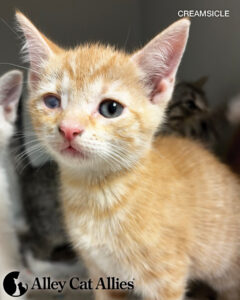
To foster community engagement, Alley Cat Allies utilized social media platforms to crowdsource names for the four kittens. Through active public participation, the litter was officially named Cotton, Almond, Churro, and Creamsicle. As these kittens grow, their boundless energy during playtime reflects a complete turnaround from their initial illness, positioning them for a smooth transition into adoptive homes once they are fully cleared by veterinarians.
Supporting Context & Metrics: The Mechanics of Modern Rescue
Behind every successful adoption and medical recovery lies a complex infrastructure of data, resource allocation, and public education. Understanding the scope of Alley Cat Allies’ operations requires examining the quantitative and qualitative metrics that drive their mission.
Scale of Operations and Community Impact
Since its founding in 1990, Alley Cat Allies has spearheaded the movement to protect and improve the lives of cats across the globe. The organization’s reach is underscored by a dedicated base of over 1.8 million supporters worldwide. This vast network enables rapid-response funding for large-scale hoarding cases, such as the 91-cat rescue operation in Alabama, ensuring that local shelters are not left to shoulder the financial and logistical burdens alone.

The Role of Accessible Veterinary Resources
A cornerstone of Alley Cat Allies’ philosophy is the democratization of veterinary information. Access to care remains one of the greatest hurdles for individual rescuers and community cat caretakers. To bridge this gap, the organization promotes tools such as the Community Resource Tool®. This accessible database puts regional veterinary support, low-cost spay/neuter clinics, and emergency medical resources directly at the fingertips of the public, empowering communities to manage cat populations humanely and effectively.
Medical Interventions: Carpal Laxity and URIs
The medical conditions treated in these recent cases reflect the broad spectrum of veterinary challenges managed by rescue organizations:

- Carpal Laxity: A condition frequently seen in rapidly growing kittens raised in restricted environments with inadequate footing or nutrition. It often resolves with proper nutrition, controlled exercise, and supportive splinting or wrapping.
- Upper Respiratory Infections (URIs): Highly contagious viral and bacterial infections (such as Feline Herpesvirus and Calicivirus) that require strict quarantine protocols, antibiotic therapy, nebulization, and intensive supportive nursing care.
Official Statements and Reflections
The transition of rescued animals from trauma survivors to beloved family members often brings forth a mixture of emotional closure and joyful anticipation for rescue workers and foster caregivers alike.
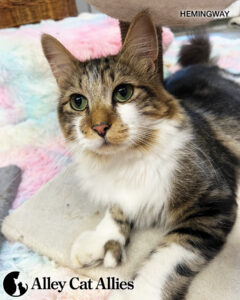
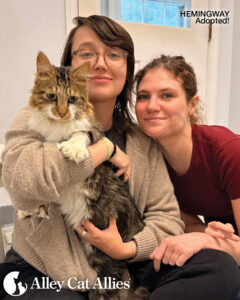
Reflecting on the adoption of Hemingway—a cat with a larger-than-life personality whose journey was closely monitored by supporters—advocates noted the bittersweet nature of parting ways with long-term rehabilitation cases. Hemingway’s journey from a high-need medical patient to an adopted family member encapsulates the ultimate objective of animal rescue.

Similarly, the adoption of Hazel marked a significant milestone for the clinic where she resided. After enduring multiple rounds of pregnancy and the physical toll of outdoor survival, Hazel spent her recovery period serving as the unofficial "Office Manager" of her veterinary clinic. In this role, she perfected her skills in strategic headbutting, patient greeting, and supervisory rounds. Her successful retirement into a permanent home underscores the reality that older cats, even those with extensive histories, possess immense value as companion animals when given the proper medical "retirement" they deserve.
In a statement addressing the broader implications of these rescues, representatives from Alley Cat Allies emphasized the irreplaceable role of public support:
"It feels like fate, but in reality, it was all thanks to our supporters… Thank you for helping us protect cats and kittens like Neo and Cricket every single day with access to care and so much more. We can make the impact that truly matters together—whether for one cat or an entire community."
Future Outlook: Building a Culture of Compassion
The successes of Cricket, Neo, Cotton, Almond, Churro, Creamsicle, Hemingway, and Hazel point toward a promising trajectory for feline welfare, yet the work is far from finished. The systemic issues that produce mass-neglect scenarios, such as inadequate animal control funding, lack of accessible spay/neuter services, and economic pressures on pet owners, continue to threaten feline populations nationwide.
Moving forward, the primary objectives for animal welfare organizations center on three key pillars:
- Legislative and Policy Reform: Pushing for stronger animal cruelty laws and increased municipal support for Trap-Neuter-Return (TNR) programs and community cat protection policies.
- Public Education: Expanding digital outreach to educate the public on the importance of preventative veterinary care, responsible pet ownership, and the realities of animal hoarding.
- Infrastructure Expansion: Strengthening the network of emergency veterinary clinics equipped to handle complex trauma and developmental disorders like carpal laxity.
By continuing to foster collaboration between national advocacy groups, local veterinary clinics, and compassionate citizens, the animal welfare community can ensure that every cat—regardless of its medical history or background—receives the dignity, protection, and love it deserves.