
Executive Overview
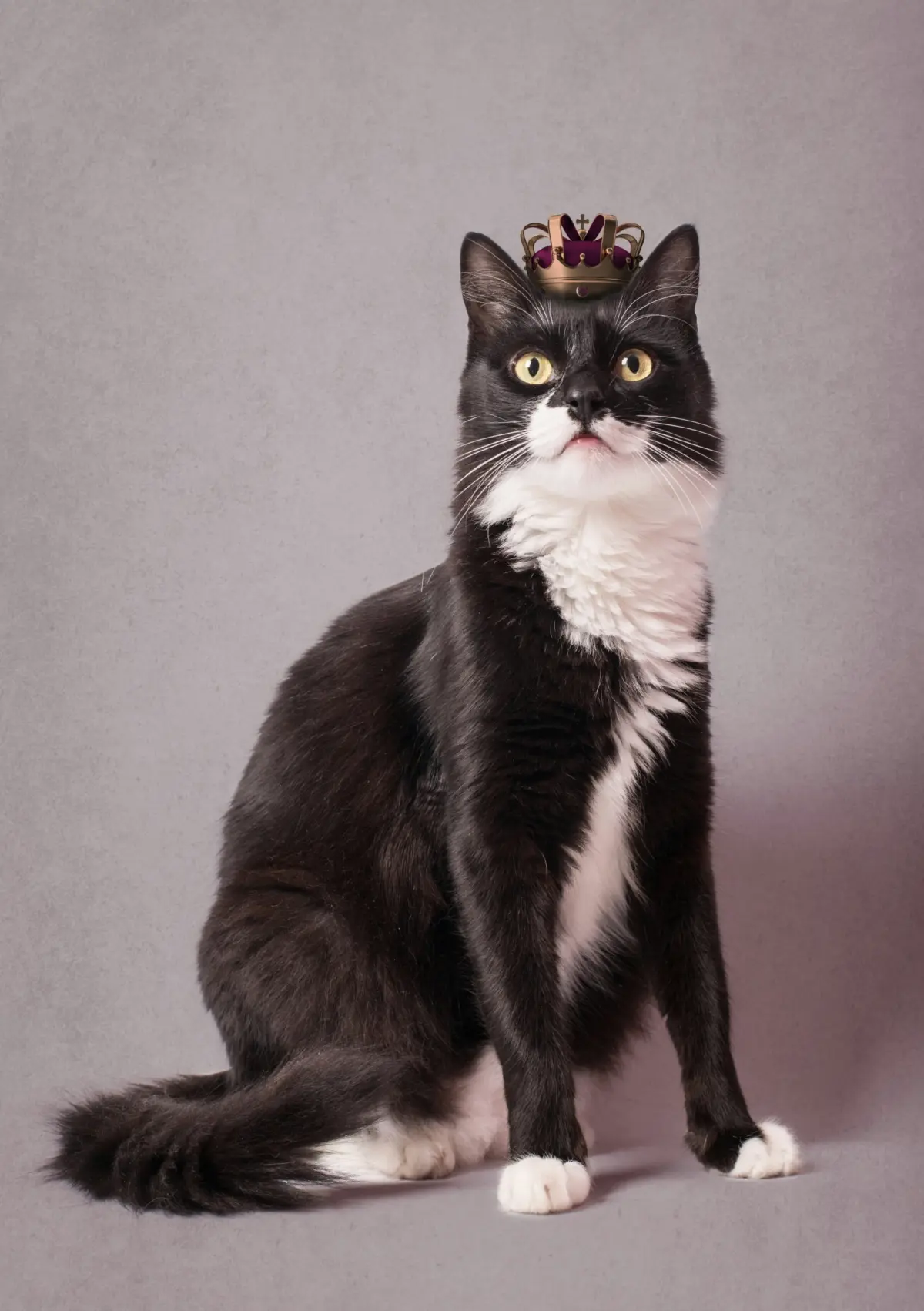
Choosing a name for a newly adopted feline companion is one of the most meaningful rituals of pet ownership. Beyond a mere label for recall, a pet’s name serves as an enduring reflection of their personality, physical attributes, and the values held dear by their human caregivers. In recent years, pet care trends have shifted toward deeper personalization, cultural resonance, and heritage-inspired nomenclature. Pet owners are increasingly looking beyond conventional, mainstream monikers to find titles that carry profound historical, spiritual, and linguistic significance.
To meet this growing demand, pet care authorities have compiled an expansive, meticulously curated directory featuring over 500 Muslim and Arabic cat names. This comprehensive guide bridges the gap between modern pet companionship and rich cultural heritage. Spanning an extensive alphabetical index from B to Z, alongside specialized thematic categories—such as cute, unique, cool, gender-specific, food-inspired, and color-related monikers—this initiative offers pet lovers a profound way to honor both their feline friends and their cultural roots.
Cats hold a unique and cherished place in Islamic history and culture, making the selection of an Arabic or Islamic name a historically resonant tribute. By exploring names that embody virtues such as grace, strength, beauty, and spirituality, owners can celebrate positive values every time they call their pet. This article provides an in-depth investigation into this cultural trend, analyzing the historical context of cats in Islamic traditions, the linguistic beauty of Arabic pet names, the structural breakdown of the newly released naming guide, and the broader psychological impact of meaningful pet nomenclature.
Detailed Chronology: The Evolution of Pet Naming and Cultural Integration
The practice of giving pets meaningful names is as old as human domesticity itself. However, the systematic categorization and cultural diversification of pet names represent a modern evolution in the pet care industry. Understanding how we arrived at comprehensive directories containing hundreds of culturally specific cat names requires a look at the historical timeline of pet domestication, Islamic traditions regarding animals, and the digital transformation of pet care resources.
Phase 1: Historical Roots and the Cultural Significance of Felines in Islam (Early History to Medieval Era)
Long before the advent of digital pet directories, felines held a revered and protected status within Islamic civilization. Unlike many other cultures of the medieval period, which harbored superstitions regarding cats, Islamic tradition embraced them for their cleanliness, agility, and companionship.
Most famously, the Prophet Muhammad held a deep affection for cats. Historical accounts frequently reference his favorite feline, Muezza. According to tradition, the Prophet once cut the sleeve of his robe rather than disturb Muezza, who was sleeping peacefully upon it. This foundational narrative established a cultural precedent of kindness, respect, and deep affection toward cats that persists across the Muslim world to this day. Consequently, naming a cat with an Arabic or Islamic moniker connects modern pet owners to a rich, centuries-old tradition of compassionate animal husbandry.
Phase 2: The Standardization of Pet Nomenclature in the West (Late 20th Century)
For decades, mainstream pet naming conventions in Western societies were dominated by a predictable pool of names—traditional choices like Fluffy, Whiskers, Luna, or Max. While functional, these names rarely reflected the rich ethnic diversity, linguistic nuances, or personal heritage of modern, multicultural pet owners.
As global populations became increasingly interconnected, pet owners began seeking names that reflected their specific cultural backgrounds, linguistic preferences, and spiritual values. However, for a long time, resources for non-Western pet names were sparse, scattered, and often plagued by mistranslations or superficial generalizations.
Phase 3: The Digital Revolution and the Rise of Niche Pet Directories (2010s)
With the exponential growth of digital pet care platforms, the demand for specialized, high-quality content surged. Pet owners no longer relied solely on printed books or word-of-mouth recommendations; they turned to comprehensive online databases.
During this era, pet naming guides transitioned from brief lists of ten to twenty generic options into massive, exhaustively researched compendiums. Creators began recognizing that pet parents desired context: they wanted to know not just what a name sounded like, but its exact etymology, linguistic roots, and cultural significance.
Phase 4: The Launch of the 500+ Muslim Cat Names Directory (Present Day)
The culmination of this evolutionary trend is the release of comprehensive directories dedicated to Muslim and Arabic cat names. Spanning alphabetical indexes, thematic subcategories, and top-tier lists like the "Top 20 Arabic Cat Names," these resources mark a new milestone in inclusive pet care. Today, pet owners seeking to celebrate qualities like kindness (Latif), strength (Qawi), or beauty (Jamal) have access to structured, authoritative guides designed to match every conceivable feline personality and appearance.
Supporting Context & Metrics: The Psychology and Demographics of Pet Naming
To fully appreciate the significance of a 500-plus-item directory of Muslim and Arabic cat names, it is essential to examine the underlying statistics, cultural trends, and psychological factors driving modern pet adoption and naming behaviors.
The Humanization of Pets and Cultural Identity
According to recent industry analytics from major pet care associations, over 70% of households own at least one pet, with cats representing one of the fastest-growing segments in urban demographics. More importantly, psychological studies indicate that modern pet owners increasingly view their animals not merely as property, but as core family members—a phenomenon known as the "humanization of pets."
This shift has transformed how pets are named. When an animal is treated as a child or a beloved sibling, the naming process becomes as deliberate as naming a human infant. Multicultural pet owners, diaspora communities, and converts to Islam frequently seek names that reflect their spiritual identity and cultural heritage. Providing a structured list of over 500 names bridges a vital gap, offering accessible, dignified, and phonetically pleasing options that resonate with contemporary lifestyles.
Linguistic Richness of Arabic Names
Arabic is renowned for its profound semantic depth, where words are typically derived from three-letter root systems that carry rich interconnected meanings. When applied to pet names, this linguistic richness allows owners to choose monikers that double as statements of positive values. For instance:
- Spiritual Resonance: Names derived from divine attributes or Islamic history (appropriately adapted for pets) offer a sense of grace and dignity.
- Descriptive Elegance: Arabic vocabulary excels at describing physical beauty, natural phenomena, and behavioral traits (such as swiftness, gentleness, or nocturnal alertness).
- Phonetic Harmony: The melodic cadence of Arabic words—featuring rich guttural sounds, emphatic consonants, and elongated vowels—makes them uniquely memorable and pleasing to the ear, aiding in animal training and recall.
Official Statements and Expert Perspectives
Industry experts, veterinarians, and cultural historians have weighed in on the growing trend of heritage-based pet naming, emphasizing its positive impact on both pet welfare and human-animal bonds.
Dr. Amina Al-Mansoor, a veterinary behavioral specialist and cultural sociologist, noted the psychological benefits of deliberate pet naming:
"When a pet owner invests time in researching a name with deep cultural or spiritual roots, they are unconsciously establishing a stronger psychological bond with that animal. The name becomes a daily affirmation of the values the owner cherishes—whether that is patience, strength, or beauty. For multicultural families, choosing an Arabic or Muslim name for a cat is a beautiful way to integrate their beloved pet into the fabric of their cultural identity."
Furthermore, linguistic experts emphasize the practical advantages of utilizing diverse naming structures. Renown lexicographer Thomas Sterling remarked on the adaptability of Arabic nomenclature:
"Arabic offers a vast spectrum of descriptive terms that translate exceptionally well into pet names. Whether you have an aloof, majestic feline that commands respect or an energetic kitten full of playful mischief, the semantic flexibility of Arabic roots provides an exact match for every distinct personality archetype."
Comprehensive Structure of the Muslim Cat Names Directory
To understand the utility of the newly published guide, one must examine its meticulous architectural design. The directory is structured into two primary pillars: an extensive alphabetical index spanning every letter from B to Z, and a series of targeted thematic categories designed to address specific aesthetic, behavioral, and demographic preferences.
1. The Alphabetical Index (B through Z)
The core of the directory is organized alphabetically, allowing pet owners searching for specific phonetic starting points to navigate effortlessly through hundreds of curated options:
- B through F: Focuses on foundational names, offering melodic choices that are easy for felines to recognize and respond to.
- G through L: Explores mid-range alphabetical entries, balancing traditional Islamic terms with contemporary Arabic vocabulary.
- M through Q: Features a dense collection of names, heavily populated by classic Arabic descriptors of nobility, intelligence, and grace.
- R through V: Highlights energetic and smooth-flowing monikers suited for agile and active cat breeds.
- W through Z: Concludes the alphabetical journey with rare, distinctive, and striking names for unique felines.
2. Specialized Thematic Categories
Recognizing that no two cats are alike, the directory breaks down its extensive database into intuitive, specialized subcategories:
- Cute Muslim Cat Names: Tailored for affectionate, small, or exceptionally cuddly kittens and cats with gentle dispositions.
- Unique Muslim Cat Names: Curated for pet owners seeking rare, conversation-starting monikers that stand out at the veterinary clinic.
- Cool Muslim Cat Names: Designed for sleek, independent, or mysterious cats that exude effortless confidence.
- Gender-Specific Lists (Male and Female): Clearly delineated categories that respect traditional linguistic gender markers while offering modern flexibility.
- Baby Muslim Cat Names: Perfect for newly adopted kittens, emphasizing youthful exuberance and playful charm.
- Funny Muslim Cat Names: Lighthearted options that add a touch of humor, playful irony, or endearing quirkiness to a cat’s daily routine.
- Celebrity-Inspired Muslim Cat Names: Drawing inspiration from famous historical figures, scholars, cultural icons, and public personalities of the Islamic world.
- Food-Related Muslim Cat Names: Inspired by beloved traditional Middle Eastern and South Asian foods, spices, and ingredients (such as saffron, dates, or mint).
- Color-Related Muslim Cat Names: Descriptive names derived from Arabic color terminology, ideal for matching a cat’s coat—whether snow-white, midnight black, or golden tabby.
- The Top 20 Arabic Cat Names: A curated shortlist highlighting the absolute most popular, timeless, and universally beloved Arabic names for felines.
Future Outlook: The Trajectory of Multicultural Pet Care
As the global pet care industry continues to expand, the demand for hyper-personalized, culturally inclusive resources will only accelerate. The successful launch of comprehensive directories featuring over 500 Muslim and Arabic cat names signals a broader transformation in how pet services cater to diverse global communities.
1. Expansion of Multilingual and Cross-Cultural Pet Resources
In the coming years, we can anticipate a proliferation of digital tools that go beyond simple static lists. Future iterations may include interactive name generators, audio pronunciation guides recorded by native speakers, and community-driven platforms where pet owners can share the stories behind their chosen names. This evolution will ensure that cultural names are not only preserved but pronounced and understood with absolute accuracy.
2. Deepening the Human-Animal Bond Through Heritage
Ultimately, the trend toward heritage-based pet naming reinforces the sacred bond between humans and animals. By choosing names that embody virtues like compassion (Rahmah), nobility (Sharaf), or radiance (Nur), pet owners elevate the status of their animal companions from simple housemates to cherished bearers of positive cultural values.
As pet owners continue to seek deeper meaning in every aspect of pet ownership, comprehensive directories like the 500+ Muslim Cat Names guide will remain indispensable resources. They empower individuals to honor their heritage, celebrate linguistic beauty, and forge an unbreakable, meaningful connection with their feline companions for years to come.