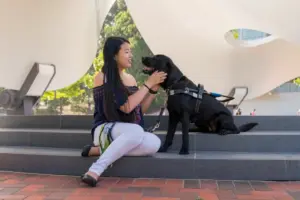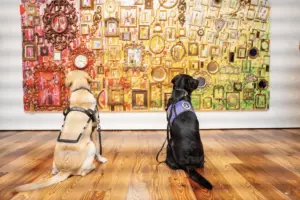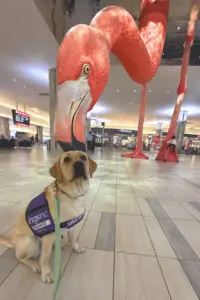

When an individual witnesses a service dog expertly navigating a chaotic, crowded airport terminal, seamlessly steering their handler past rolling suitcases, sudden announcements, and bustling crowds, they are bearing witness to the culmination of years of meticulous development. To the casual observer, the partnership appears effortless—a seamless synergy of human and animal moving as one.
Yet, what remains hidden from view is the extensive, rigorous foundation that occurs long before a dog ever slips into a working harness. The making of a service animal is not merely a matter of teaching basic obedience; it is an intricate, multi-year scientific and psychological process of evaluation, development, and refinement. Organizations like Dogs Inc operate at the forefront of this methodology, recognizing that the journey toward a life-changing partnership begins with a fundamental truth: not every dog is naturally cut out for the immense psychological and physical demands of service work.
Executive Overview
The selection and training of a service dog represent a massive investment of time, resources, and emotional energy. Far from simply seeking out the "smartest" or "most affectionate" puppy in a litter, professional evaluators look for a complex, rare mosaic of traits: unshakeable confidence, deep emotional stability, profound resilience, and an intrinsic desire to collaborate closely with a human counterpart.
This comprehensive report examines the multi-stage evaluation protocols used by premier service dog organizations. It explores why temperament outranks basic obedience, how specialized tools like the Clothier Animal Response Assessment Tool (CARAT) help predict future success, the vital role played by volunteer puppy raisers, and why gracefully career-changing a dog is sometimes the most compassionate and responsible choice an organization can make.
Detailed Chronology: From Whelping Box to Public Access
The journey of a service dog candidate follows a carefully mapped developmental timeline, where evaluations shift from casual daily observations to formal, standardized behavioral assessments as the animal matures.
Phase 1: Early Infancy and Puppyhood (0 to 8 Weeks)
The foundation of a service dog’s life begins in the whelping box. While formal testing cannot reliably predict adult behavior in neonates, experienced breeders and staff monitor early physical development, litter dynamics, and initial responses to mild handling. At this stage, the focus is heavily on ensuring proper health, nutrition, and gentle human interaction.
Phase 2: The Puppy Raiser Era (8 Weeks to 12 Months)
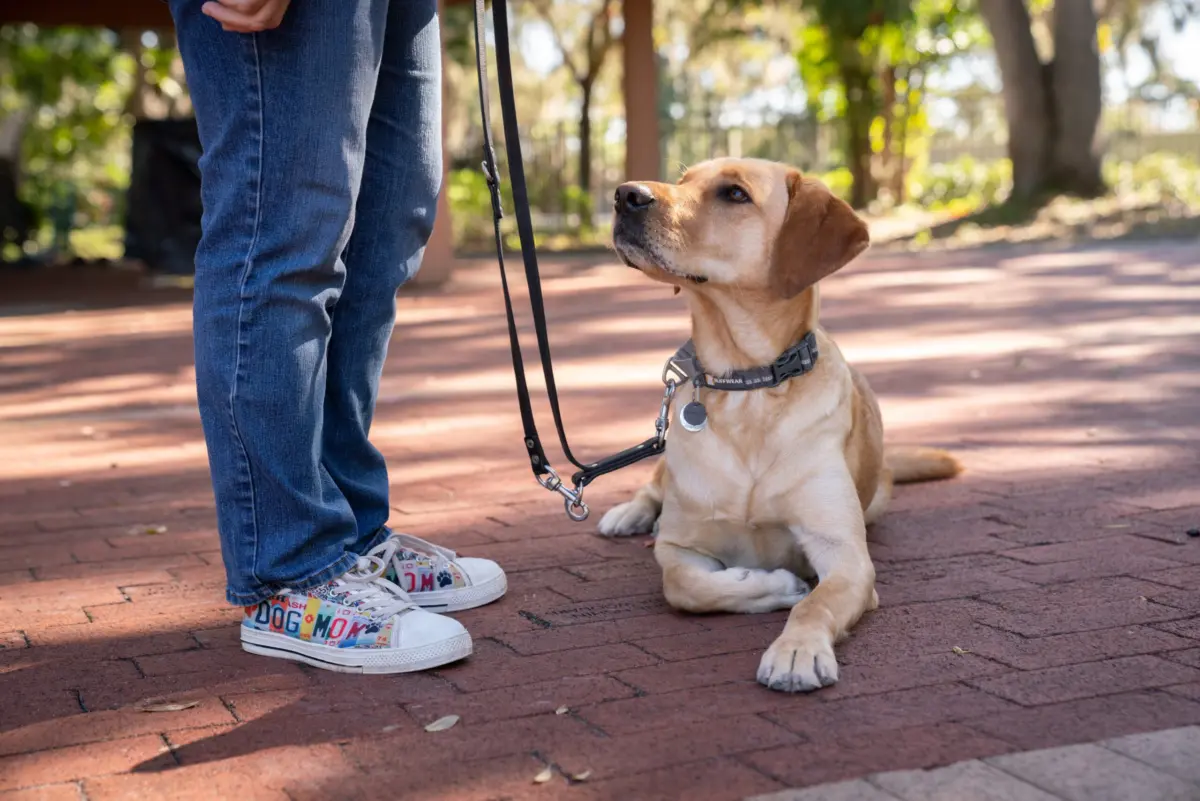
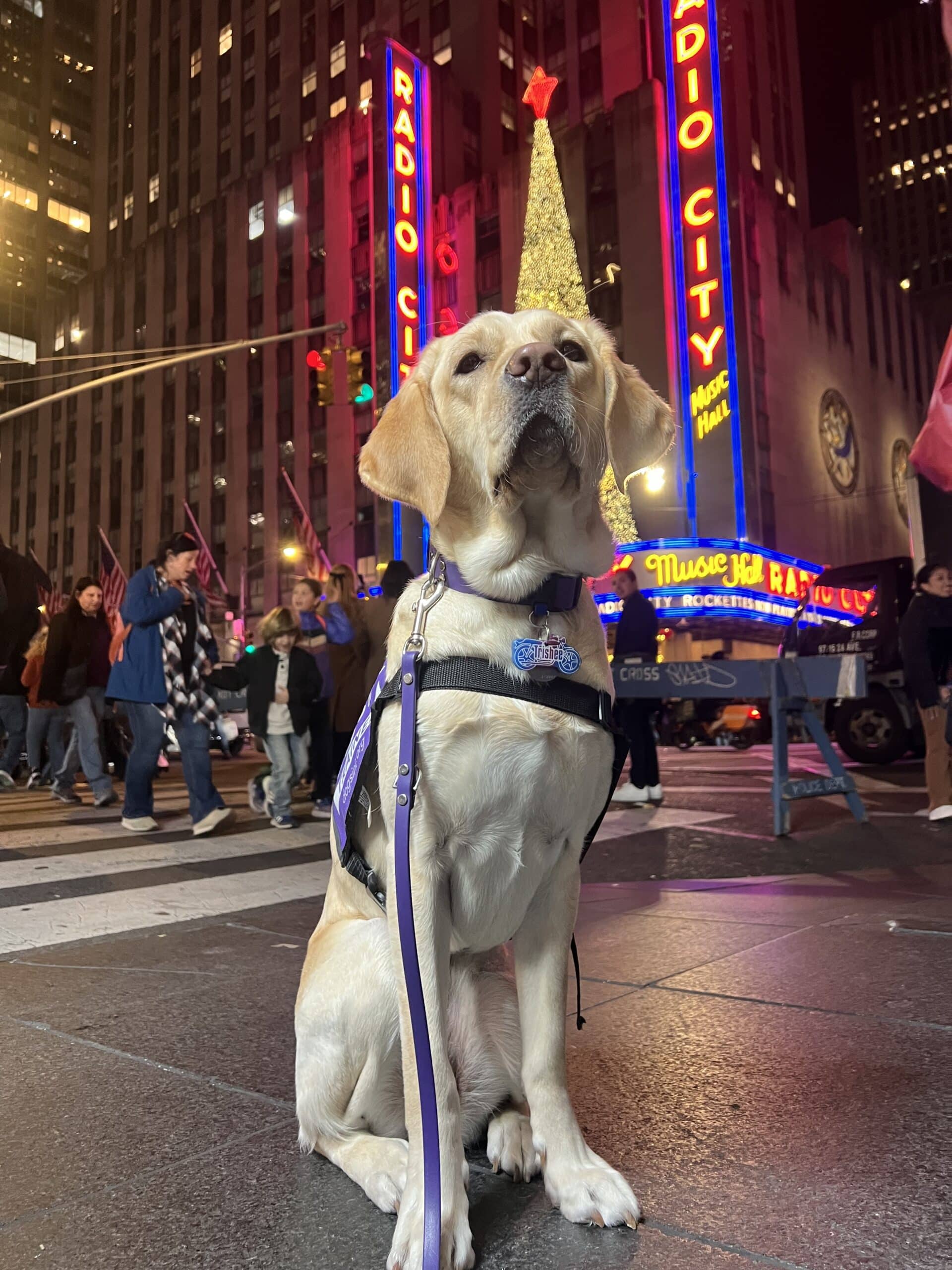
Once weaned, prospective candidates are placed with dedicated volunteer puppy raisers. This period is critical for early socialization. Raisers introduce the young dogs to a vast spectrum of everyday environments—grocery stores, neighborhood walks, community events, and public transit.
During these formative months, puppy raisers act as frontline observers. They note how a puppy reacts to unexpected sights and sounds, sharing consistent developmental feedback with professional instructors. It is during this window that foundational manners are established, and early signs of resilience—or conversely, sensitivity—begin to surface.
Phase 3: Intermediate Evaluation and Formal Testing (12 to 18 Months)
As dogs approach late puppyhood and young adulthood, their behavior begins to crystallize. Around the 18-month mark, temperament stabilizes significantly, making evaluations far more predictive of adult working capability.
It is during this phase that organizations deploy formal behavioral assessments. Evaluators expose candidates to controlled stressors, novel environments, and complex distractions to measure how quickly the dog recovers from surprise and refocuses on its handler. Standardized frameworks, such as the CARAT (Clothier Animal Response Assessment Tool), are frequently utilized during this window to categorize behavioral traits systematically and objectively screen out candidates who lack the requisite stress-recovery mechanisms.
Phase 4: Advanced Task Training and Public Access (18 to 24+ Months)
Once a candidate passes its mid-adolescent evaluations, advanced task training commences. The dog transitions from general socialization to mastering specific, task-oriented skills tailored to the unique needs of a future handler. This includes specialized training depending on the dog’s designated career path—whether acting as a guide dog for the visually impaired, a mobility assistance dog, a psychiatric service dog creating physical barriers in crowded rooms, or a medical alert dog detecting changes in blood sugar or allergens.
The final stage involves rigorous public access testing, ensuring the dog can maintain absolute composure, adhere to safety protocols, and execute independent problem-solving in high-stress, real-world environments.
Supporting Context & Metrics: The Science of Temperament and Emotional Stability
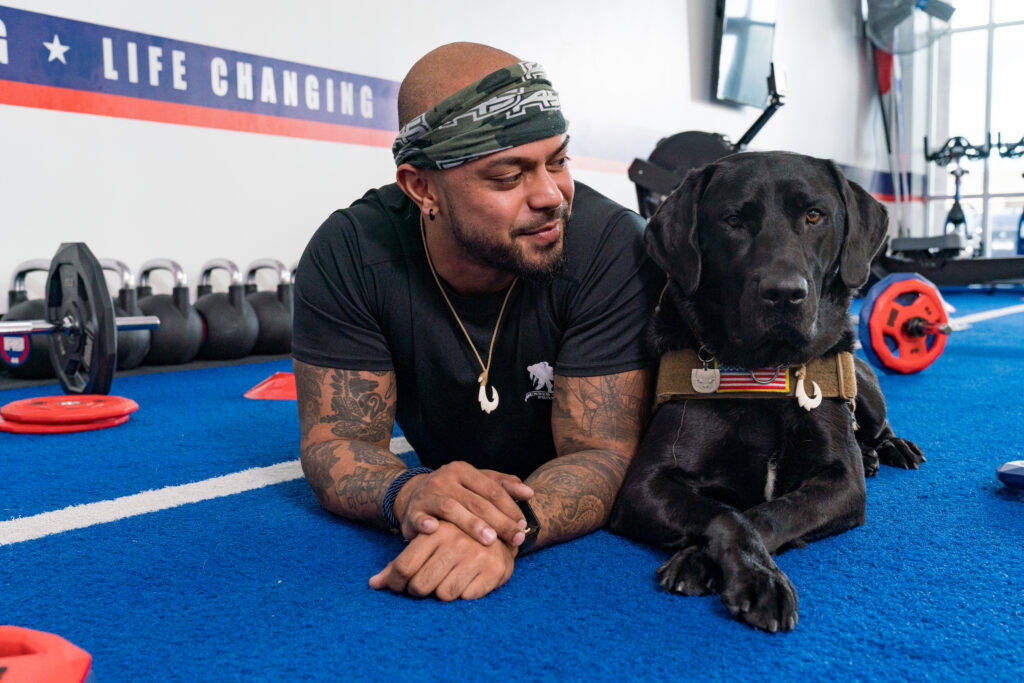
Why is temperament considered the ultimate predictor of service dog success? The answer lies in the environment in which these animals must work. Service dogs are routinely subjected to chaotic stimuli that would overwhelm the average pet: dropped shopping carts, sudden sirens, crowded elevators, and unpredictable human behavior.
The Pillars of Service Temperament
Evaluators look for a delicate, highly specific balance of psychological traits:
- Emotional Regulation and Recovery: A service dog is not expected to be completely fearless; rather, they must possess the ability to acknowledge a startling stimulus, recover almost instantly, and resume working without lingering anxiety or avoidance behaviors.
- Low Prey Drive: Particularly crucial for guide dogs and mobility dogs, a suppressed prey drive ensures the animal will not bolt or become distracted by fast-moving wildlife, bicycles, or stray animals.
- Sociability vs. Independence: Candidates must be friendly and approachable without being overly dependent or easily distracted by strangers. They need enough independence to make autonomous safety decisions—such as a guide dog executing "intelligent disobedience" by refusing an unsafe forward cue given by its handler.
- High Frustration Tolerance: Working long hours requires immense patience. Dogs that struggle to settle or exhibit high baseline energy (such as certain high-drive herding breeds like Border Collies or Australian Shepherds) often find the stationary, patient demands of service work agonizingly restrictive.
Breed Selection: Why Labs and Goldens Excel
While service dogs can technically come from various backgrounds, specific breeds—most notably Labrador Retrievers and Golden Retrievers—are historically favored. These breeds generally offer an optimal genetic combination of cooperative intelligence, low prey drive, human-centric focus, and physical resilience against diverse weather and flooring conditions.
Official Perspectives: The Philosophy Behind "Career Change"
One of the most misunderstood aspects of professional service dog organizations is the concept of career changing—colloquially known as "washing out." Program directors and lead instructors emphasize that this terminology is a misnomer; a dog that does not complete service training has not failed.
"The goal is never to force a dog into a role that doesn’t fit their natural personality," notes canine development leadership. "When a dog demonstrates that busy public environments induce stress, or that they prefer a more active, less structured lifestyle, redirecting them is an act of absolute respect for the animal’s well-being."
Organizations emphasize that a career change protects two critical interests:
- The Animal’s Welfare: Ensuring that no dog is subjected to chronic psychological stress in a job they do not enjoy.
- The Handler’s Safety: Ensuring that the human partner—who relies entirely on the animal for independence and daily functioning—is paired with a thoroughly tested, rock-solid partner.
Dogs that transition out of service tracks frequently find wonderful, fulfilling lives as cherished family pets, therapy animals, or working dogs in less restrictive fields, such as scent detection or facility work.
Future Outlook: Refining Selection Through Data and Technology
As the service dog industry continues to evolve, organizations like Dogs Inc are looking toward data-driven insights to refine the selection process even further. By tracking longitudinal data from puppy raiser reports, genetic markers, and standardized behavioral assessments, breeding and training programs are increasing their predictive accuracy.
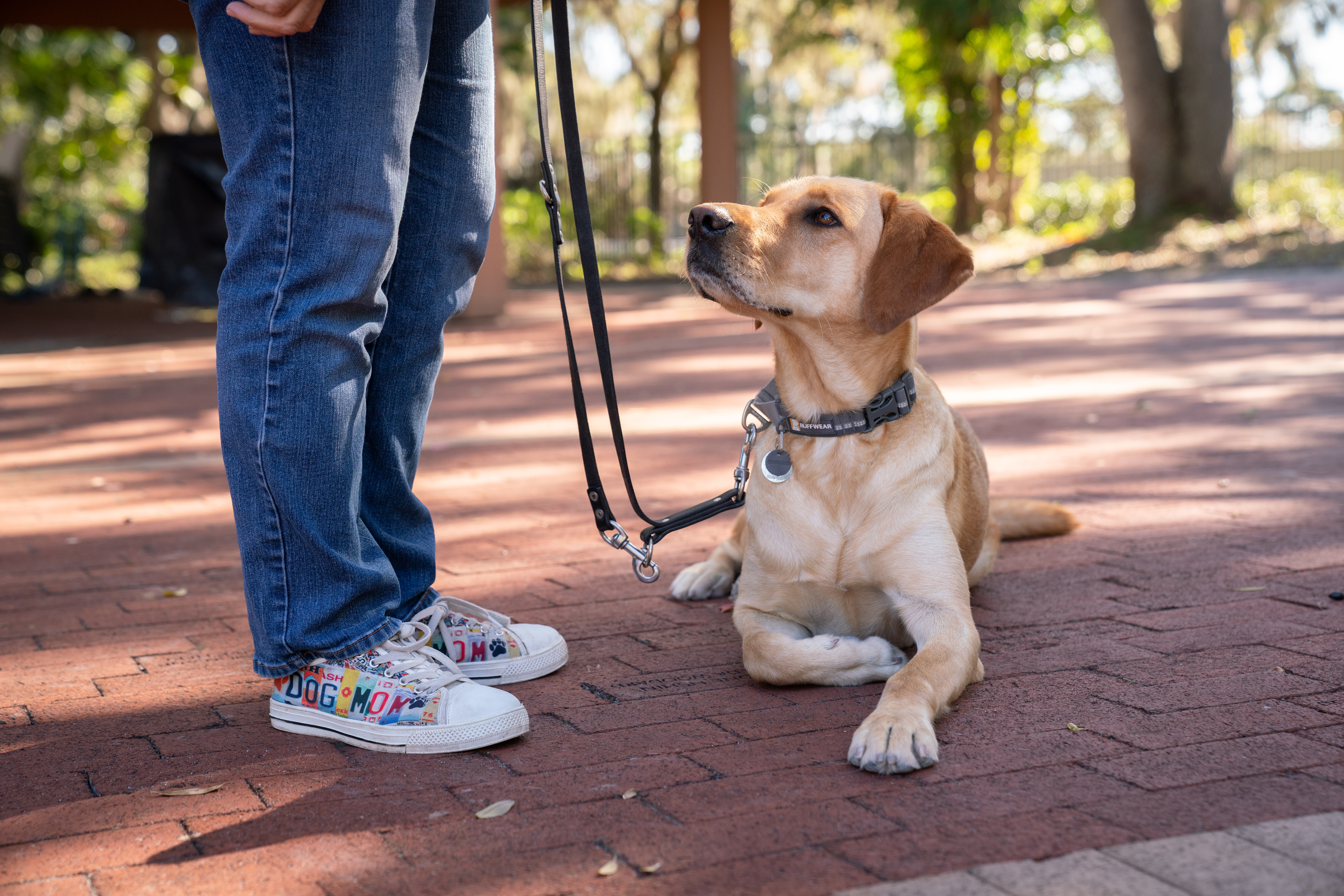
Future advancements point toward earlier, more nuanced behavioral profiling, reducing the resources spent on candidates who are ultimately better suited for alternative paths. Yet, despite technological progress, the core philosophy remains anchored in the quiet, unscripted moments: the steady focus across a crowded room, the thoughtful pause before a curb, and the resilient recovery after a sudden noise. These are the intangible hallmarks of a true lifeline, proving that the making of a service dog is as much an art as it is a science.