
Executive Overview
Keeping pets hydrated is a foundational pillar of responsible animal husbandry, yet many cat and dog owners struggle to get their companions to drink enough water. While circulating pet water fountains have long been marketed as a magical solution to feline dehydration and canine thirst, the reality is far more nuanced.
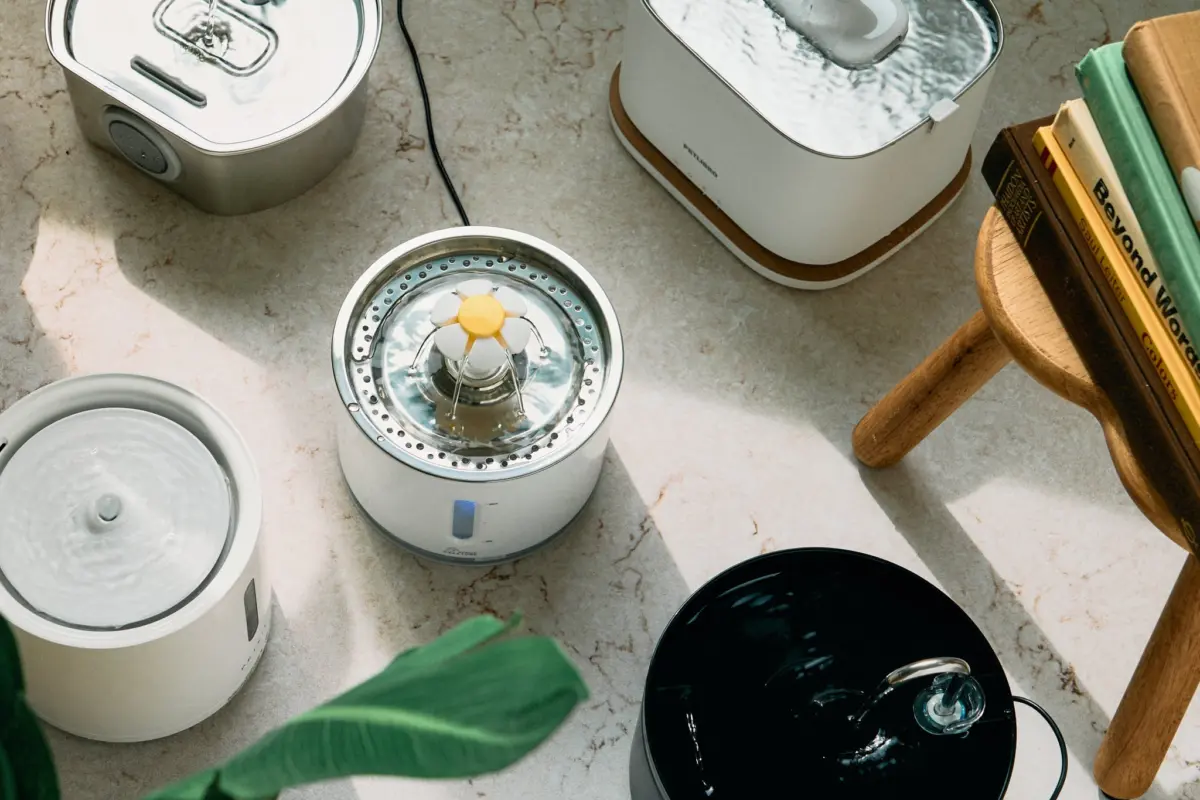
To separate marketing hype from genuine utility, Wirecutter’s pet writing team meticulously researched and tested an expansive field of 39 pet water fountains, putting 21 models through rigorous, real-world evaluations. We assessed capacity, material quality, ease of disassembly, cleaning friction, acoustic output, and motor longevity.
Our findings challenge common assumptions. For instance, veterinary science shows that cats do not inherently prefer flowing water over still water en masse, though individual preferences vary widely. Furthermore, maintaining a fountain requires a disciplined cleaning regimen to prevent dangerous biofilm and bacterial accumulation.
Based on extensive performance metrics, veterinary insights, and user experience, we have identified the standout models across multiple categories:
- Top Pick: Petkit EverSweet Solo 2 — Nearly silent, exceptionally easy to clean, and equipped with a wireless pump and magnetic induction base.
- Upgrade Pick: Petlibro Dockstream 2 Smart Cordless Fountain — Total placement freedom via battery power, comprehensive companion app metrics, and premium stainless steel components.
- Best for Heavy Drinkers: Petlibro Capsule Dog Fountain — A massive 2.1-gallon capacity designed for large dogs or multi-pet households.
- Budget Picks: Giotohun Cat Water Fountain, Casfuy PWS-154 Quiet Stainless Steel Dog & Cat Water Fountain, and Wonder Creature Cat Water Fountain — Affordable, highly functional alternatives offering reliable performance without breaking the bank.
Detailed Chronology & Testing Methodology
The journey toward finding the ultimate pet water fountain began with an exhaustive market sweep. Out of 39 initial contenders, our team narrowed the selection down to 21 distinct water fountains representing a cross-section of plastic, ceramic, and stainless steel builds.
The Testing Protocol
Over a strict two-week testing period, each fountain was subjected to continuous operation. Testers topped them off with fresh water daily and executed comprehensive deep cleans after week one and week two. The evaluation focused heavily on the human element:
- Assembly and Disassembly: Fountains were constantly pulled apart and reassembled to track friction points, potential for water spills, and hidden crevices where scum and hair accumulate.
- Motor Stress-Testing: Motors were evaluated under both high- and low-water conditions to gauge durability under duress.
- Acoustic Profiling: Using specialized decibel meters and subjective listening tests in quiet rooms, we recorded the volume and textural quality of every sound produced by the motors and water streams.
- Filter Economics: We analyzed manufacturer-recommended filter replacement schedules and cumulative costs, while consulting veterinary experts on whether filters are genuinely necessary for animal health.
Supporting Context & Metrics: What Veterinarians Want You to Know
The impetus behind buying a pet fountain often stems from a well-intentioned belief that cats despise stagnant water. However, veterinary nutritionists caution against sweeping generalizations.
Debunking the Feline Flow Myth
In a pivotal 2018 study co-authored by Purina PetCare staff veterinarian Martha Cline, researchers examined feline water-bowl preferences. The findings revealed no difference in water intake or urinary parameters in cats drinking from still, circulating, or free-falling water bowls.
Yet, individual preference remains king. Dr. Lisa Weeth, a veterinary nutritionist, explains that a cat’s preference is often rooted in early life exposure. A cat raised exclusively on still water in a standard bowl may look at a bubbling fountain at age five and wonder how to interact with it. Conversely, a cat struggling with chronic dehydration may thrive when introduced to a moving stream. "If your cat isn’t drinking enough water in their current bowl, it’s always worth trying something different," notes Dr. Amy Nichelason, a veterinarian and professor at the University of Wisconsin-Madison.
Dogs, conversely, are typically less discriminating. Dr. Leticia Fanucchi, a professor at Oklahoma State University, notes, "They will drink if they’re desperate… out of a puddle outside. But that doesn’t mean they’re drinking enough water." A reliable fountain can encourage healthier, more consistent hydration habits in active pups.
Material Science and Health Risks
Choosing the right material involves balancing cost, hygiene, and durability:
- Plastic: Generally inexpensive, but vulnerable to micro-scratches that harbor bacteria, potentially exacerbating feline acne.
- Ceramic: Highly resistant to scratches and dishwasher-safe, but heavy, brittle, and expensive.
- Stainless Steel: Durable, sleek, and dishwasher-safe, though not entirely immune to surface wear. Note that even ceramic and stainless steel models frequently incorporate hidden plastic structural components.
Official Product Evaluations & Top Picks
Top Pick: Petkit EverSweet Solo 2
The Petkit EverSweet Solo 2 stands out as our premier recommendation due to its near-silent operation, foolproof cleaning design, and thoughtful integration of modern technology.
- Effortless Maintenance: The 2-liter tank rests on a magnetic induction charging base plugged directly into the wall. Users can simply lift the tank off the base and carry it to the sink, entirely eliminating the frustration of managing dangling wires or wet plug prongs.
- Acoustic Excellence: Tied with the Petlibro Dockstream 2, this was one of the quietest fountains tested, producing virtually zero ambient sound at both full and low capacities.
- Thoughtful Design: An open, shallow upper dish prevents whisker stress (whisker fatigue) in sensitive cats. Furthermore, an integrated auto-shut-off feature halts the pump when water levels drop too low.
- Minor Flaws: It ships without a 5V 1A USB wall adapter (requiring users to repurpose an old phone charger), and its companion app, while helpful for tracking cleaning schedules, collects more telemetry data than strictly necessary.
Upgrade Pick: Petlibro Dockstream 2 Smart Cordless Fountain
For pet owners seeking ultimate flexibility and advanced data tracking, the Petlibro Dockstream 2 Smart Cordless Fountain is the gold standard, though it comes at a steep price.
- Cordless Freedom: Operating on internal battery power, this fountain can be placed anywhere in the home, effectively eliminating cord-chewing hazards and awkward placement limitations near wall outlets.
- Advanced Monitoring: A sophisticated companion app pings your smartphone with real-time logs detailing exactly when your pet drank, how much water was consumed, and when filters or tanks require maintenance.
- Magnetic Rotor Innovation: Utilizing a magnetic rotor instead of a traditional pump, it is remarkably easy to dismantle, clean, and reassemble.
- Limitations: Cordless mode relies on front-facing proximity detection and cannot run continuously on battery power. Additionally, the app cannot differentiate between multiple pets sharing the same fountain.
Best for Heavy Drinkers: Petlibro Capsule Dog Fountain
Households with large dogs or multiple thirsty pets require serious volume. The Petlibro Capsule Dog Fountain answers the call with a massive 2.1-gallon (8-liter) capacity.
- Swirling Appeal: The constant swirling vortex design attracts pets away from stagnant bowls, while the height allows medium-to-large dogs to drink comfortably without excessive neck strain.
- Splash Mitigation: A raised rim around the drinking basin successfully contains the inevitable splashing and dripping associated with enthusiastic canine drinking habits.
- Drawbacks: At maximum capacity, the unit is exceptionally heavy and lacks integrated carrying handles, making transport to the sink for refills a cumbersome task.
Budget Picks
For cost-conscious consumers, three exceptional budget models offer robust performance:
- Giotohun Cat Water Fountain: Features a curved metal spout mimicking a household faucet, a dim blue night-light, and a quiet motor, available in generous capacities (up to 3.2 liters).
- Casfuy PWS-154 Quiet Stainless Steel Dog & Cat Water Fountain: Combines the faucet-style spout design of budget models with a hygienic stainless steel tank and dish.
- Wonder Creature Cat Water Fountain: An affordable, highly rated model featuring three water-flow modes, a dishwasher-safe stainless steel top plate, and a sturdy build that outperforms older legacy models like the Catit Flower Fountain.
Fountain Maintenance & Hygiene Protocols
No matter how advanced a pet water fountain is, biological realities dictate strict cleaning regimens. As Dr. Martha Cline emphasizes, "The longer water sits, the more particles it collects… dust, dirt, hair, and more can all collect in your dog or cat’s water bowl."
Veterinarians universally recommend running fountain components through a dishwasher when possible. When manual washing is necessary:
- Change the water daily.
- Scrub the tank, pump housing, and impeller at least once or twice a week. Pet saliva and organic debris quickly form invisible biofilms that can compromise water palatability and pet health.
- Invest in a set of flexible pipe-cleaning brushes to reach narrow internal channels.
Future Outlook
The pet tech market is evolving rapidly. Future iterations of pet water fountains are expected to lean heavily into smarter artificial intelligence integration—such as AI-driven multi-pet facial recognition to track individual water intake accurately—as well as advancements in wireless induction power that eliminate battery-life anxiety. As manufacturing standards improve, consumers can anticipate longer-lasting motors, broader adoption of medical-grade stainless steel, and more intuitive, tool-free disassembly designs across all price tiers.