
In the modern domestic ecosystem, the feline mind remains a complex matrix of predatory instinct, hyper-tuned sensory perception, and boundless curiosity. While popular culture often reduces cats to sedentary creatures content with sunbeams and long naps, ethologists and cat behaviorists recognize certain breeds as exceptionally wired for active environmental exploration. When a cabinet door swings open, a delivery package lands on the doorstep, or a microscopic shift occurs in interior layout, specific cat breeds are genetically and temperamentally predisposed to report immediately for duty as household inspectors.
This comprehensive report examines fourteen distinct feline breeds renowned for their hyper-active intelligence, intense curiosity, and relentless drive to master their spatial domains. Far from mere passive pets, these breeds approach domestic life as an ongoing research project. Understanding their psychological drivers requires looking beyond simple mischief; it demands an analysis of ancestral heritages, high cognitive thresholds, and the specialized environmental enrichment necessary to keep their brilliant, busy brains constructively occupied.
Detailed Chronology & Behavioral Evolution: How Domestic Cats Became Master Investigators
The Evolutionary Imperative of Exploration
To understand why certain breeds push the boundaries of domestic inquisitiveness, one must trace the evolutionary trajectory of Felis catus. Unlike pack animals that rely on collective social hierarchies, wild feline ancestors operated primarily as solitary ambush predators. Survival hinged entirely on absolute mastery of their territory: knowing every escape route, mapping the movement of prey species, and detecting the slightest environmental anomalies that could signal danger or opportunity.
When humans and cats formed a symbiotic alliance thousands of years ago—driven initially by rodent control around early agricultural settlements—this hyper-vigilant surveillance system was domesticated, but it was never erased. Over centuries of selective breeding, human intervention occasionally amplified these primal traits. Breeds derived from direct wild-hybrid crosses, such as the Bengal and the Savannah, inherited intensified prey drives and sensory acuities. Meanwhile, oriental types like the Siamese and Abyssinian were refined for high sociability paired with striking cognitive agility, turning their survival instincts into relentless social supervision.
From Wild Ancestry to Living Room Supervisor
The behavioral evolution of these inquisitive breeds unfolds in distinct phases within the contemporary home:
- Phase I: The Sensory Alert (Detection): Inquisitive breeds possess heightened auditory and olfactory sensitivities. A sound imperceptible to human ears—such as a pantry latch clicking or a package sliding across a porch—triggers an immediate neurochemical response.
- Phase II: The Tactical Assessment (Investigation): Rather than ignoring the anomaly, the cat approaches with calculated stealth. Posture shifts to high alert: ears rotated forward, whiskers fanned wide, and pupils dilated to maximize light intake and depth perception.
- Phase III: The Physical Manipulation (Execution): Highly intelligent breeds do not merely watch; they interact. Paws extend to bat, roll, open, or push objects. They test gravity, measure resistance, and determine whether the unfamiliar item poses a threat or offers a reward.
- Phase IV: The Supervisory Audit (Integration): Once the mystery is solved, the cat integrates the data into its mental map of the territory, often establishing a permanent inspection routine to ensure the anomaly remains stable.
The Inspectorate: Comprehensive Breed Profiles
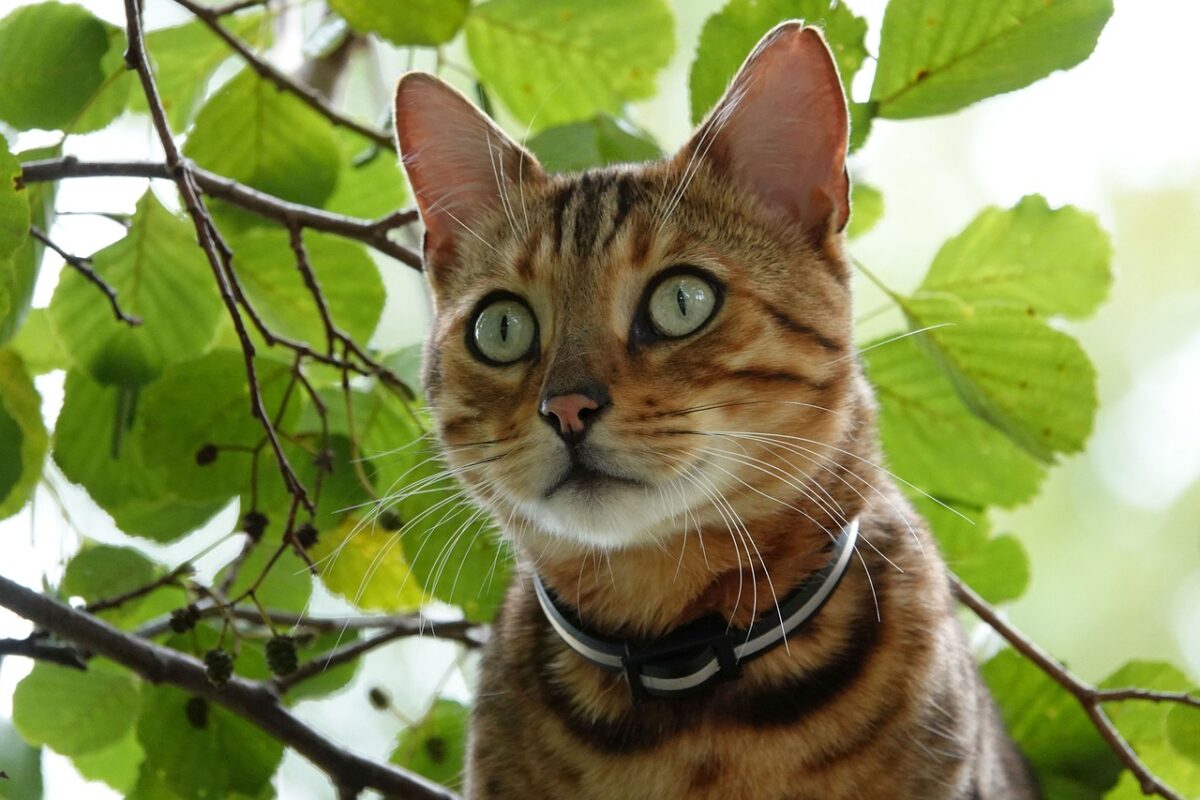
1. Bengal: The Athletic Tactician
The Bengal is rarely accused of treating curiosity as a passive hobby. Exhibiting a striking blend of high-octane energy, elite athleticism, and razor-sharp intelligence, Bengals approach their territory with the confidence of apex predators. Tracing part of their lineage to the Asian Leopard Cat (Prionailurus bengalensis), today’s pedigreed Bengals combine wild-looking aesthetics with domestic adaptability.
However, their formidable brainpower requires heavy cognitive investments. Unstimulated Bengals will invent complex games that frequently involve opening drawers, turning on faucets, or dismantling household decor. Puzzle feeders, agility training, and extensive vertical climbing structures are not optional luxuries for this breed; they are essential outlets for an inquiring mind that refuses to rest.
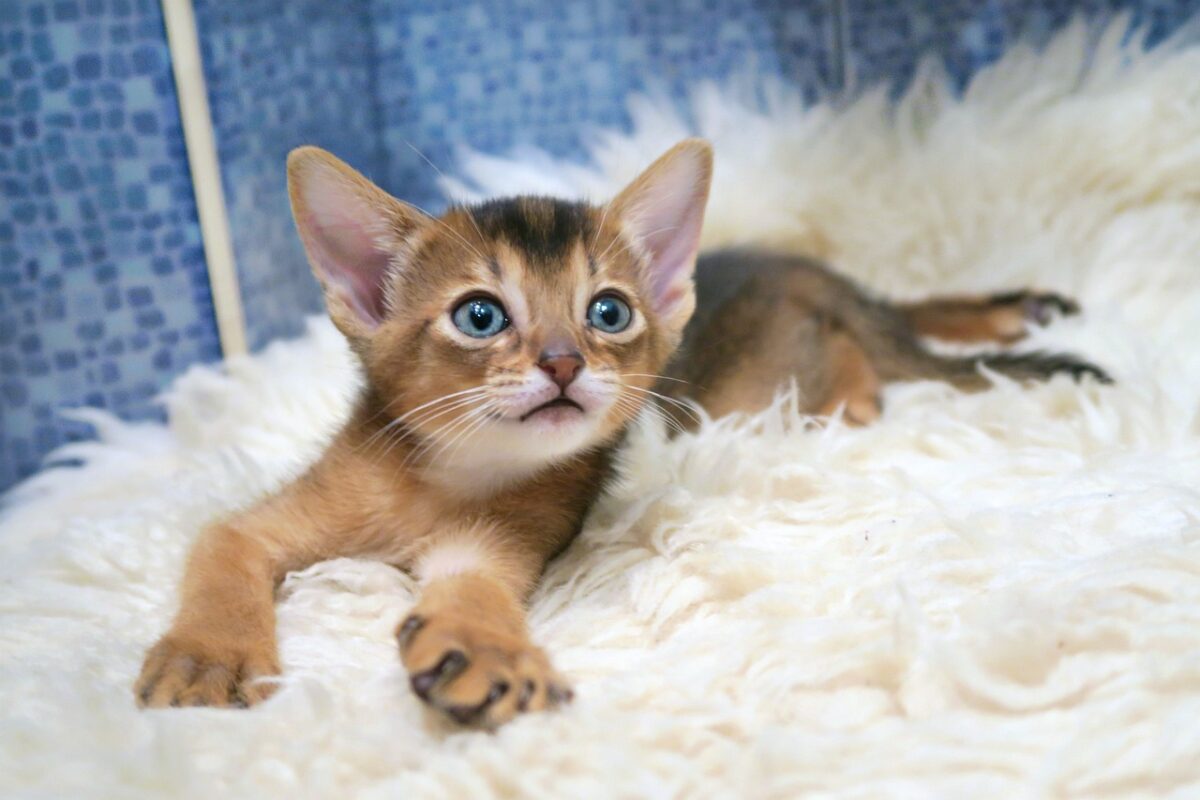
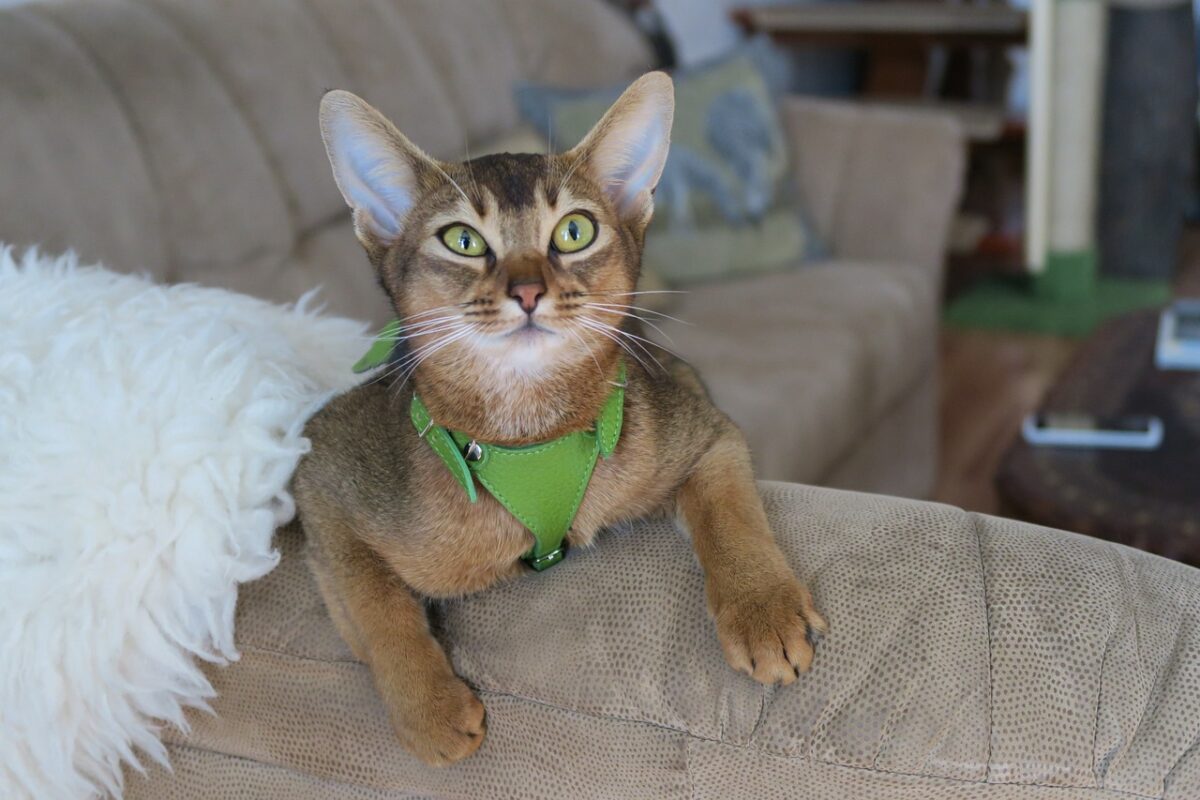
2. Abyssinian: The High-Altitude Auditor
Often hailed as the aristocrats of the inquisitive world, Abyssinians exhibit a relentless desire to oversee everything transpiring within their domain. Rather than lingering on the sofa, an Abyssinian prefers elevated vantage points—tops of refrigerators, high bookshelves, or door frames—where they can monitor household operations with a critical eye.
Their slender, muscular build matches their mental agility. Abyssinians excel at learning tricks, responding to clicker training, and participating in interactive games. Anyone attempting to fold laundry, cook dinner, or assemble furniture will likely find an Abyssinian perched nearby, conducting an uninvited quality-control inspection down to the final stitch or screw.
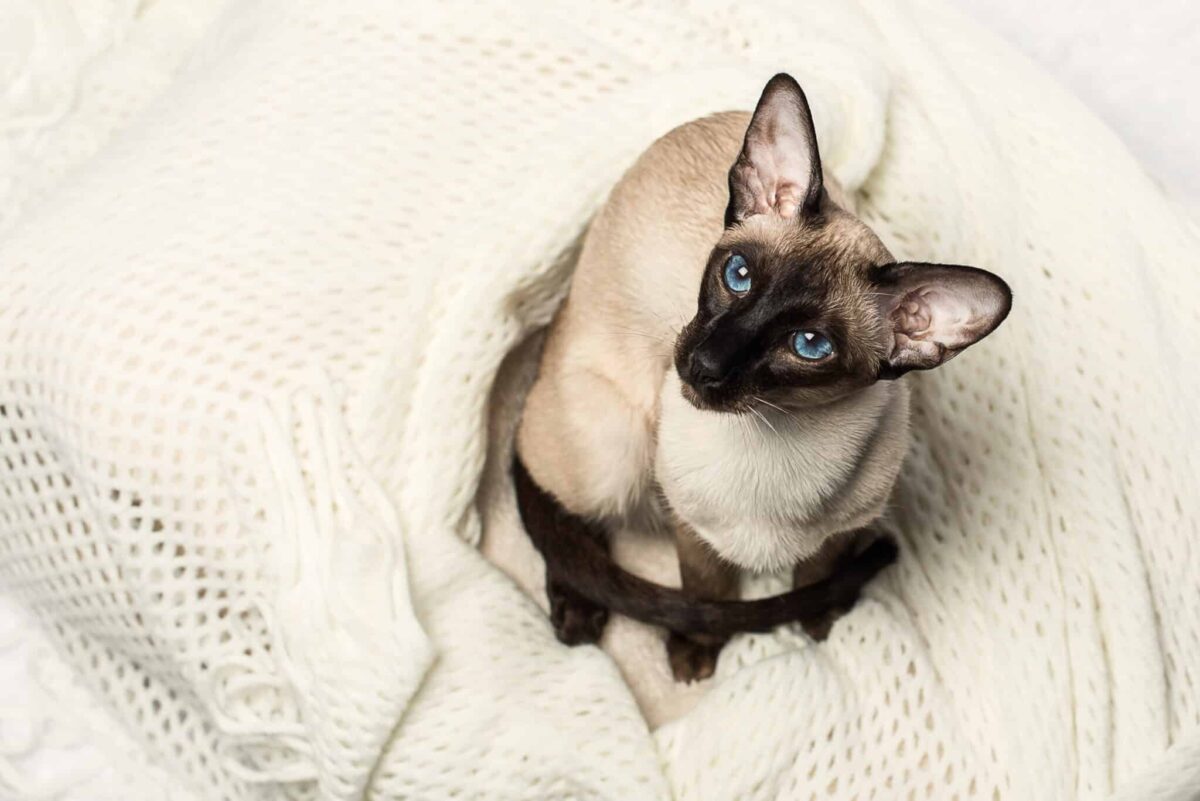
3. Siamese: The Vocal Inquisitor
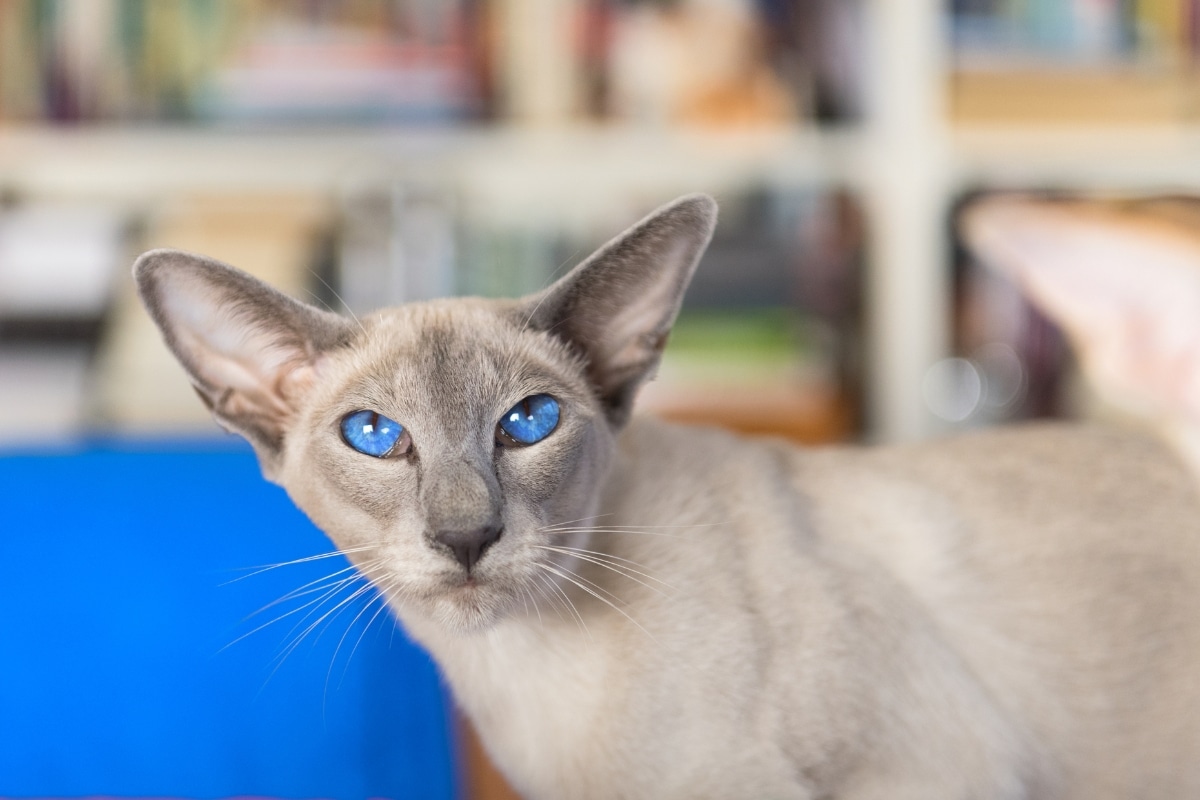
Curiosity takes on a distinct acoustic dimension with the Siamese. Famed for their striking color points and piercing blue eyes, Siamese cats pair high intelligence with an uninhibited vocal repertoire. They do not just investigate; they narrate their findings in real time.
Deeply bonded to their human families, Siamese cats track their favorite people from room to room, treating closed doors as personal insults. When a room is rearranged or an unfamiliar bag is brought inside, a Siamese will launch an immediate, vocalized inquiry, demanding to know the origin, purpose, and future utility of the foreign object.
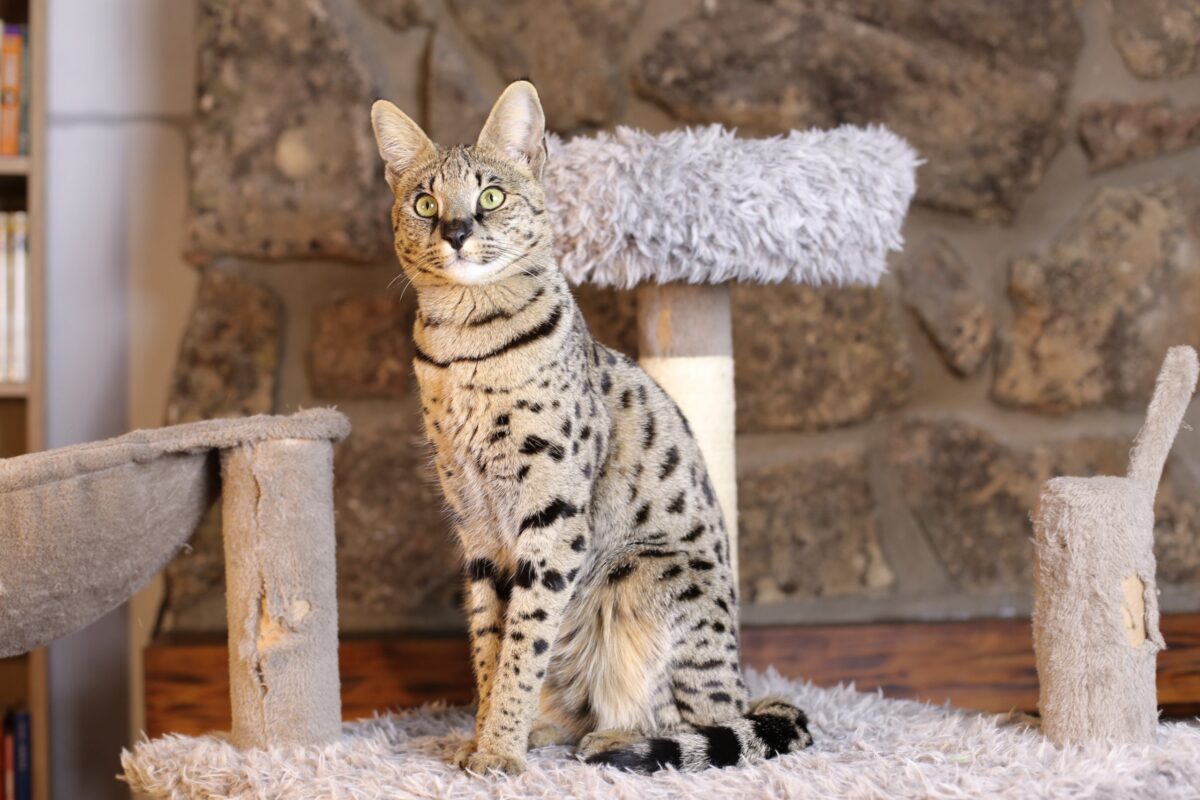
4. Savannah: The Apex Explorer
Produced by crossing domestic cats with the African serval, the Savannah is an extraordinary study in athleticism and observation. Their physical capabilities routinely challenge human expectations of what a cat can reach; high cabinets, top-shelf storage, and door tops are easily conquered by these long-legged, high-energy explorers.
Because Savannahs retain a more primitive, wild-type approach to environmental manipulation, responsible ownership requires secure, highly enriched indoor-outdoor enclosures or meticulously cat-proofed living spaces. To a Savannah, household life is an endless engineering puzzle waiting to be solved.
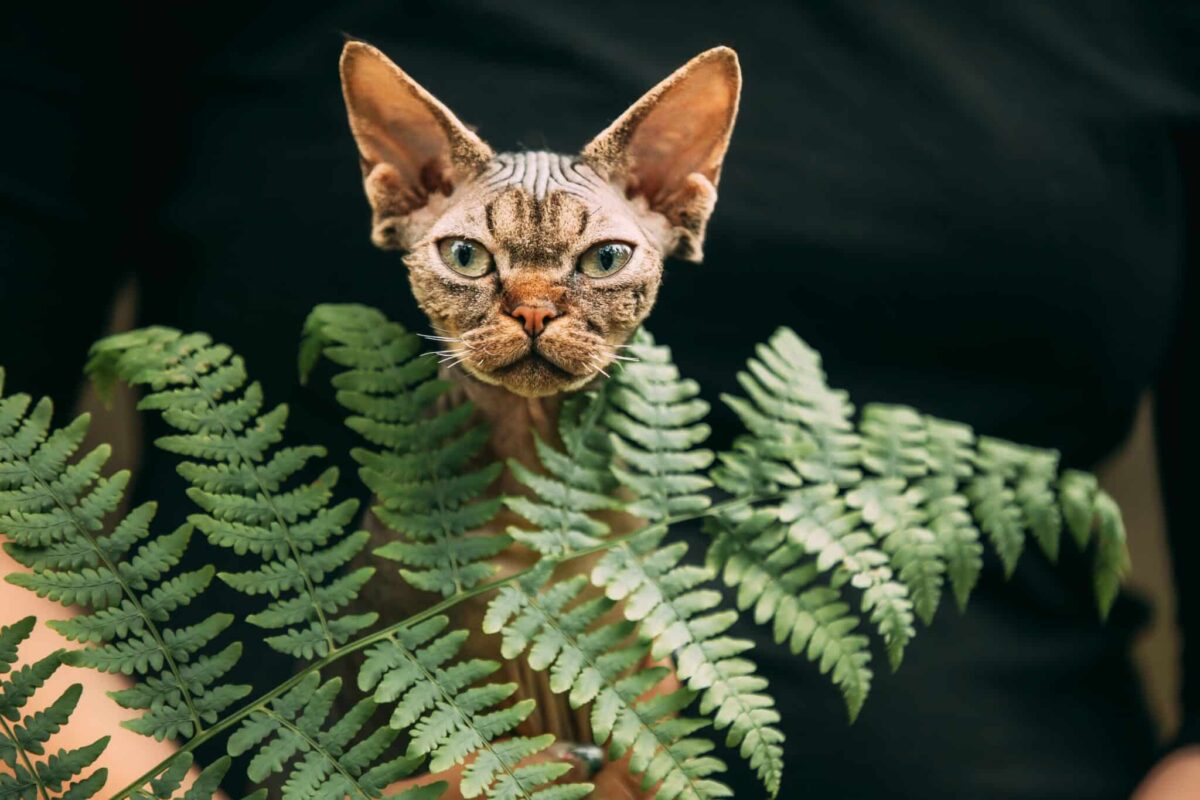
5. Devon Rex: The Social Supervisor
With their elfin faces, oversized ears, and rippling velvet coats, Devon Rex cats look like creatures from fantasy folklore, and their behavior matches their whimsical appearance. They combine an insatiable need for social interaction with a mischievous streak that places them squarely in the center of every household event.
Devon Rex cats view human tasks—typing on laptops, wrapping gifts, or unpacking groceries—as collaborative projects. Their intelligence allows them to master fetch games rapidly, while their people-oriented disposition ensures they never miss an opportunity to investigate who is coming, going, or opening a refrigerator.
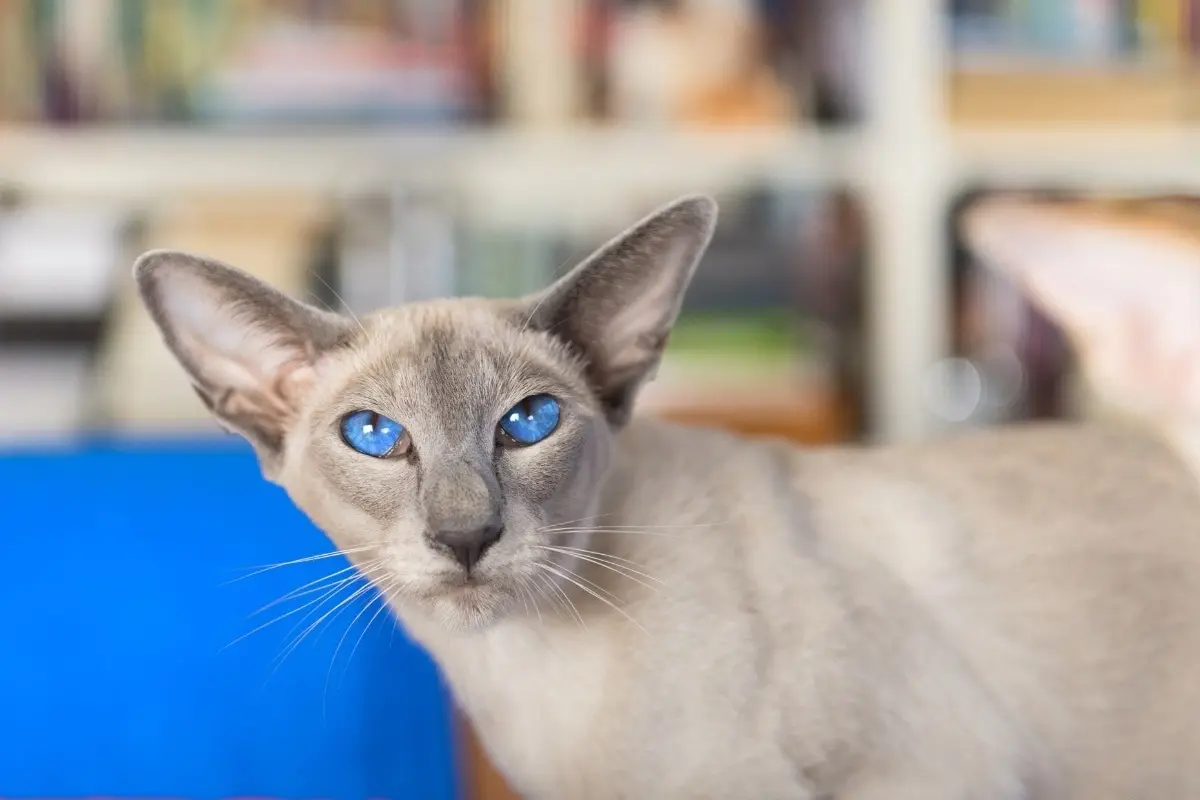
6. Oriental Shorthair: The Unrelenting Sleuth
Sharing genetic roots with the Siamese, the Oriental Shorthair possesses an intensely inquisitive personality characterized by boundless energy and striking conversational skills. Available in hundreds of color and pattern combinations, these sleek cats are defined less by their coat and more by their sheer involvement in daily life.
An Oriental Shorthair views privacy as a theoretical concept. If a strange noise echoes through the hallway or a new piece of furniture arrives, this breed treats the event as an urgent mystery that demands immediate resolution, utilizing both paws and voice to dissect the situation.
7. Turkish Van: The Water-Loving Adventurer
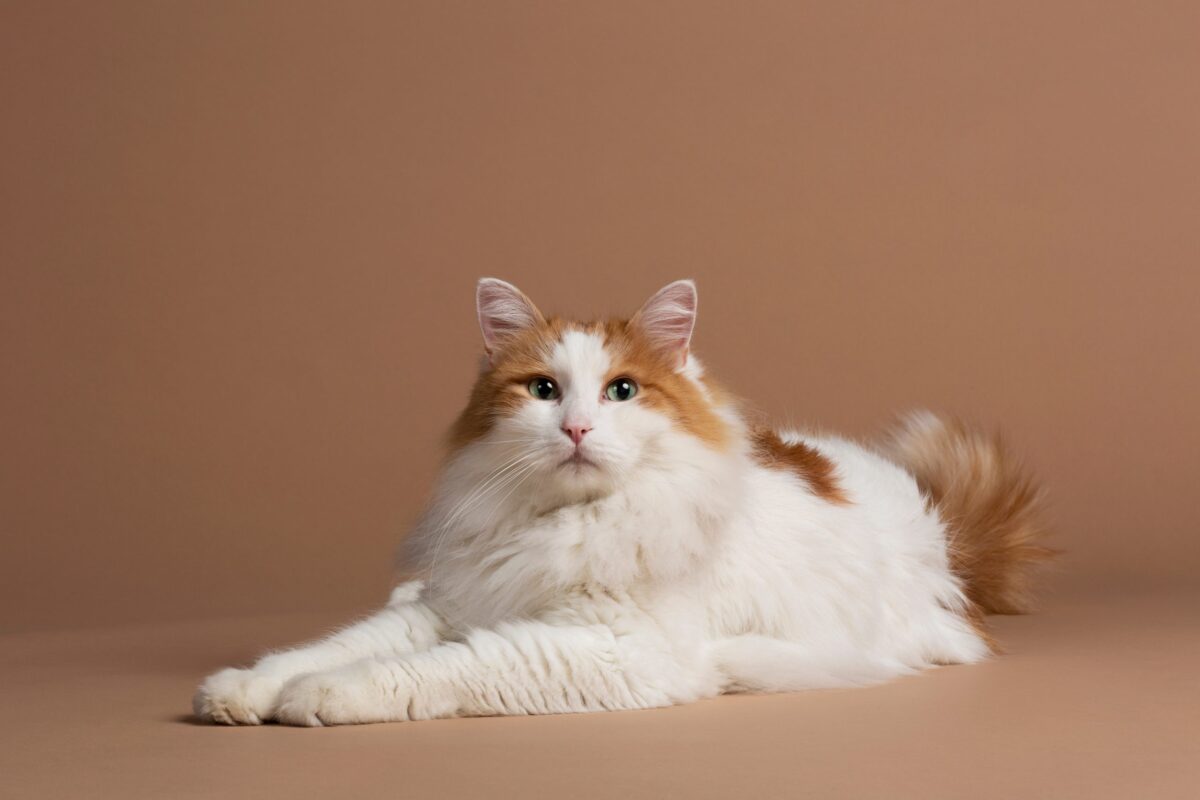
Famously dubbed the "Swimming Cat" due to its affinity for water and unique cashmere-like single coat, the Turkish Van brings robust physical energy to its exploratory missions. Confident, large, and deeply athletic, the Van treats its territory as an adventure playground.
While not every Turkish Van will dive into a bathtub, their fearlessness around the water bowl and sink exemplifies their general lack of intimidation toward the unknown. They climb high, leap far, and investigate household changes with a bold, unshakeable demeanor.
8. Burmese: The Persistent Participant
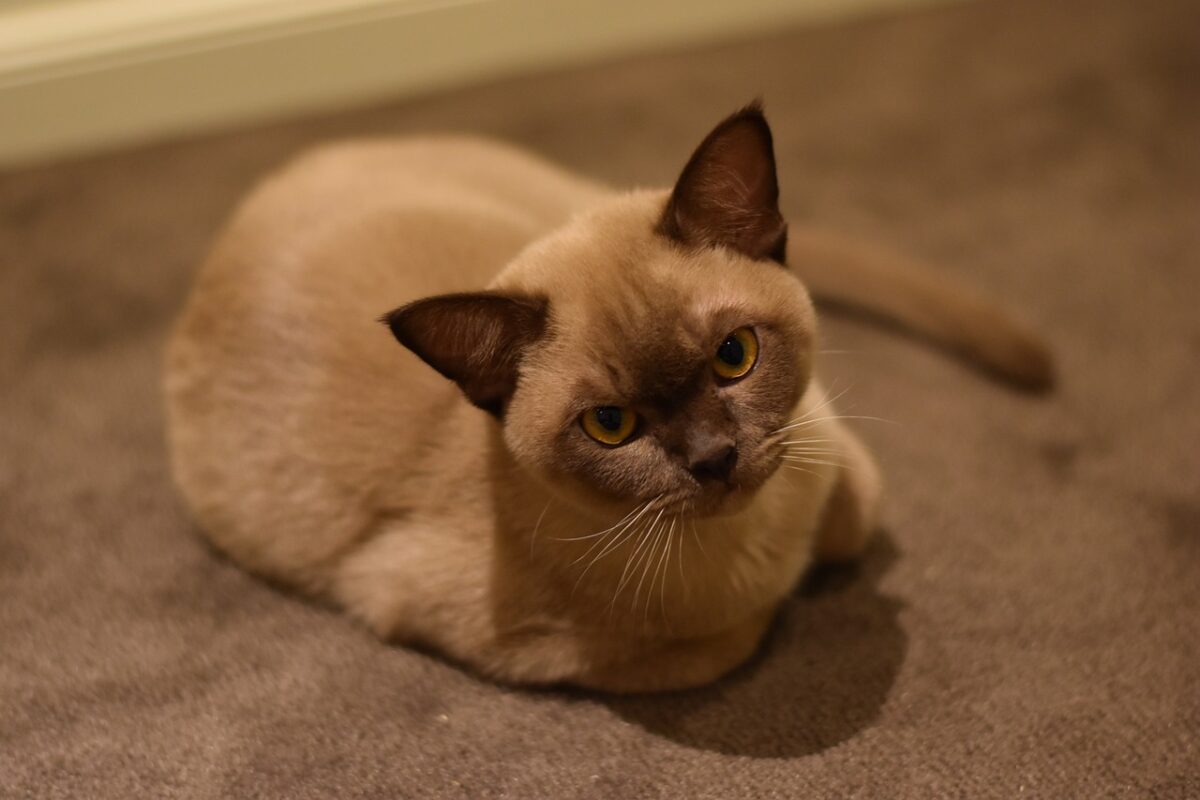
Burmese cats retain an exceptionally playful, kitten-like disposition well into adulthood. Highly social and deeply attached to human companions, their curiosity is intensely relational. If a human opens a drawer or begins a project, the Burmese interprets this as a communal invitation.
Their muscular, surprisingly heavy bodies—often described as "bricks wrapped in silk"—support an active lifestyle. When a Burmese appears beside you during a household task, it carries the undeniable air of a supervisor ensuring that no operational shortcuts are being taken.
9. Cornish Rex: The Aerial Acrobat
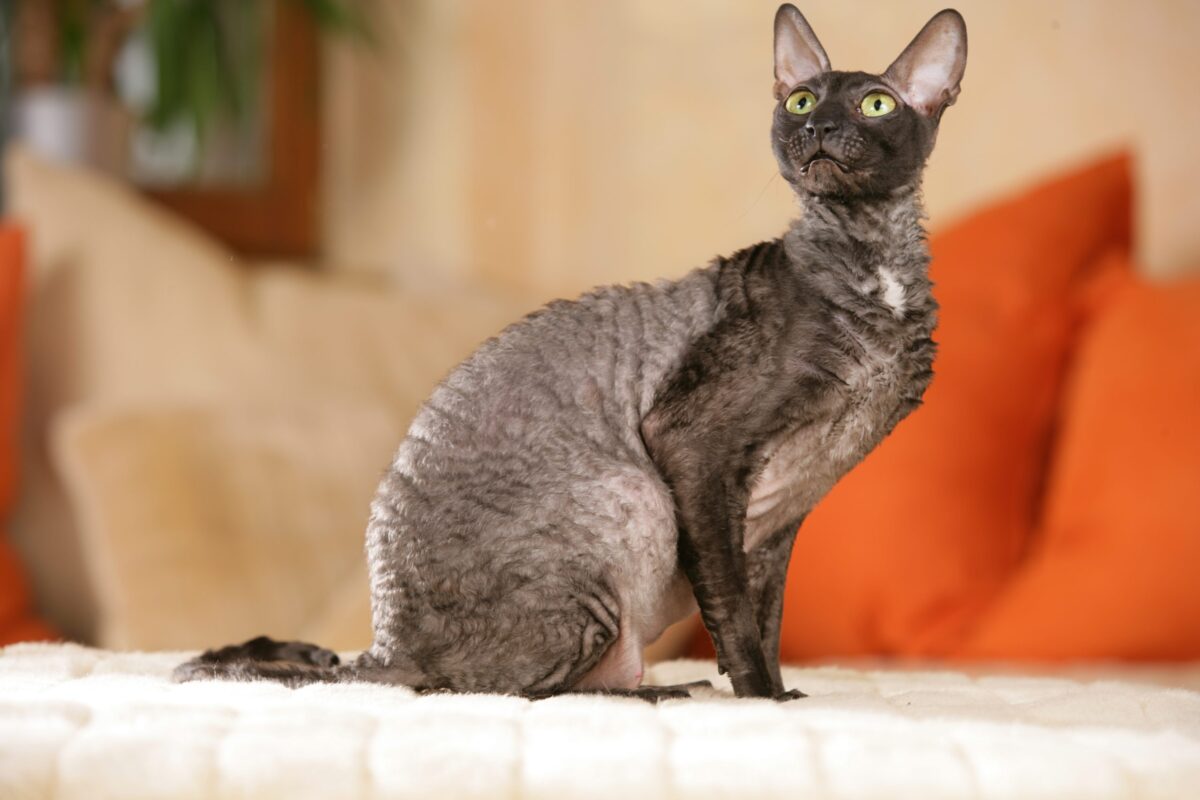
Distinguished by their eggshell-thin wavy coats and architectural heads, Cornish Rex cats are high-wire acrobats of the feline world. Their slender frames and oversized ears house an engine of relentless curiosity and playful drive.
Without appropriate climbing frames and interactive challenges, a Cornish Rex will readily engineer its own entertainment, which may involve scaling curtains, opening low cupboards, or inspecting the inner workings of electronics. Their agility makes vertical territory an absolute necessity for domestic harmony.
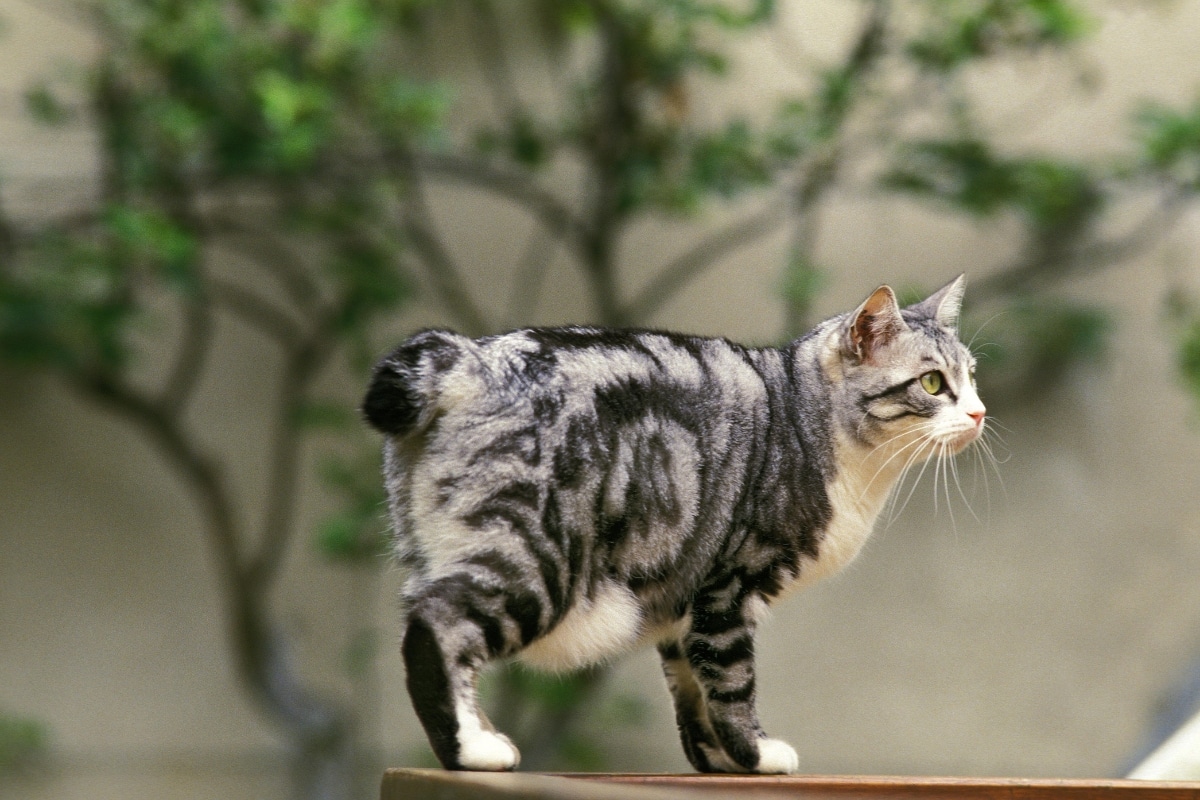
10. Japanese Bobtail: The Outgoing Philosopher
Renowned in folklore as symbols of good fortune, Japanese Bobtails are remarkably active, outgoing, and intelligent cats. Their distinct pom-pom tails, resulting from a natural genetic mutation, do nothing to diminish their extraordinary balance and physical prowess.
Japanese Bobtails approach new people, toys, and spatial configurations with eager enthusiasm rather than hesitation. They enjoy learning complex games, playing fetch, and actively participating in family conversations, refusing to be left out of any domestic development.
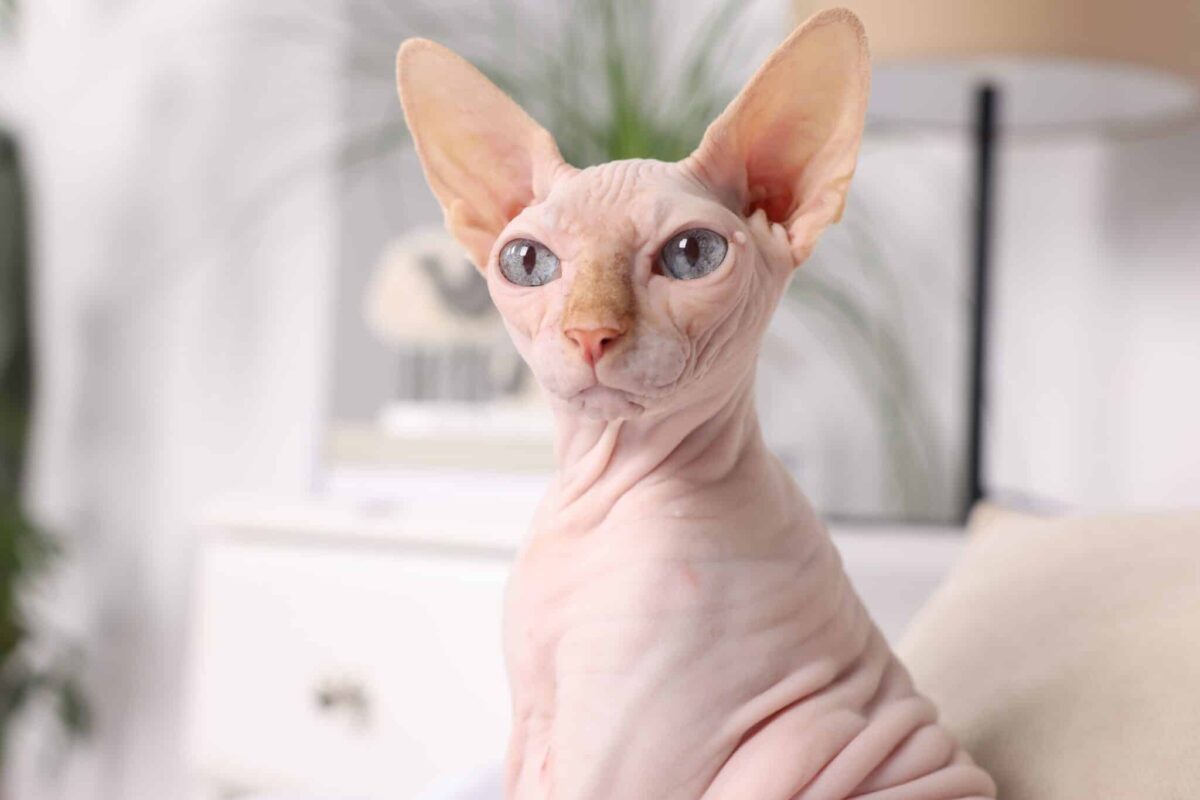
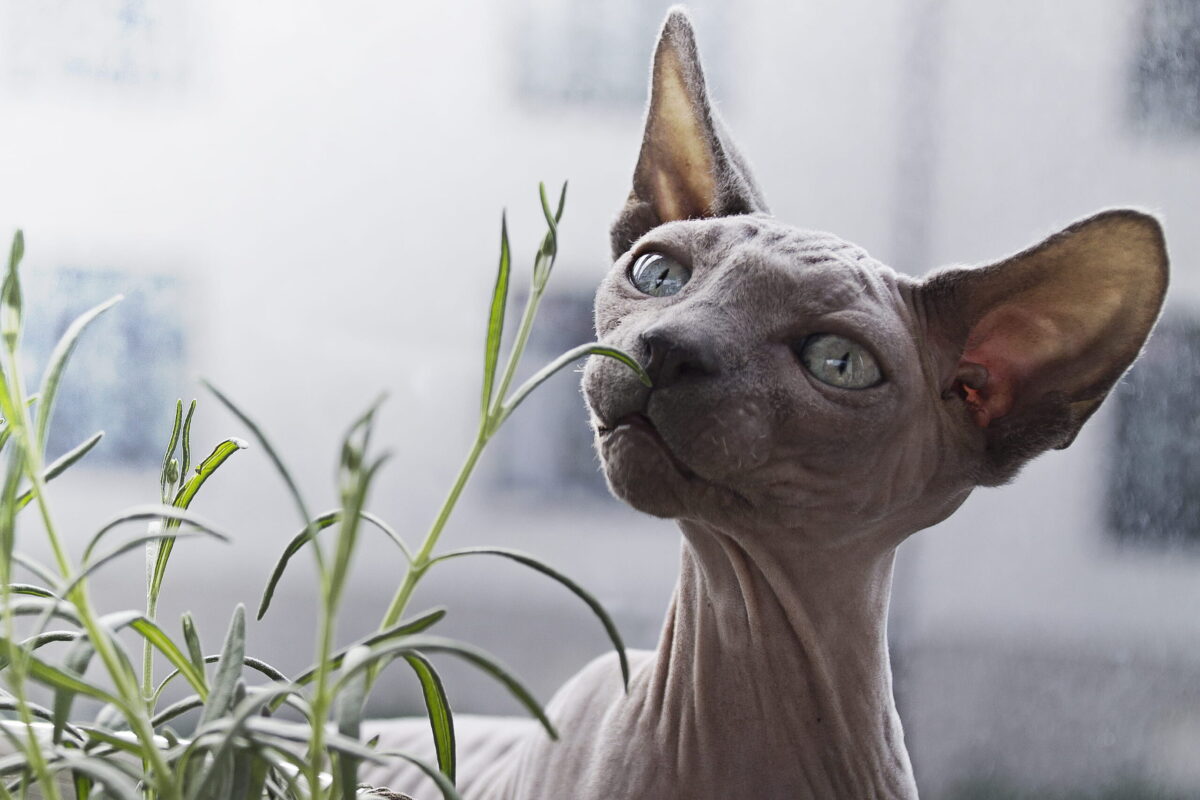
11. Sphynx: The Warmth-Seeking Detective
While the hairless Sphynx is most famous for its suede-like skin and heat-seeking habits, its cognitive profile is equally remarkable. Sphynx cats are exceptionally outgoing, mischievous, and intelligent animals that demand mental engagement alongside physical warmth.
A Sphynx will inspect visitors, sniff every grocery bag, and audit every seated human in the room. Their high metabolic rate fuels an active, playful personality that turns ordinary housekeeping into a spectator sport with feline participation.
12. Tonkinese: The Balanced Inquisitor
Bridging the genetic traits of the Siamese and the Burmese, the Tonkinese offers a harmonious blend of vocal intelligence, muscular strength, and unwavering sociability. They possess an innate drive to know what is happening behind every closed door.
Tonkinese cats thrive on interactive play, puzzle-solving, and human companionship. Their inquisitive nature means they are frequently found shadowing family members, inspecting shoes, and examining packages the moment they cross the threshold.
13. Somali: The Longhaired Explorer
Often described as the longhaired variant of the Abyssinian, the Somali combines striking ticked coats with boundless intellectual curiosity. Their bushy tails and agile frames allow them to navigate high surfaces with effortless grace.
Somalis are famous for opening doors with lever-style handles, investigating taps, and inventing elaborate games of catch. Their complex mental needs require owners to provide ongoing environmental enrichment to prevent boredom-induced mischief.
Supporting Context & Metrics: Environmental Enrichment and Feline Cognition
To quantify the impact of curiosity on feline welfare, veterinary behaviorists study the correlation between environmental enrichment and problem-solving behaviors. Without adequate stimulation, highly inquisitive breeds frequently exhibit stress-related behaviors, including over-grooming, destructive scratching, and excessive vocalization.
The Enrichment Matrix for Intelligent Breeds
| Enrichment Category | Recommended Implementations | Primary Benefit for Inquisitive Breeds |
|---|---|---|
| Vertical Territory | Multi-tiered cat trees, wall-mounted perches, secure window hammocks | Satisfies surveillance instincts and provides safe physical elevation. |
| Cognitive Challenges | Foraging mats, tiered puzzle feeders, treat-dispensing balls | Channels high intelligence into productive problem-solving tasks. |
| Tactile Exploration | Cardboard boxes, paper bags (handles removed), rotating safe objects | Satisfies the urge to inspect, claw, and manipulate novel textures. |
| Interactive Play | Wand toys, automated laser devices, clicker training sessions | Burns excess physical energy and strengthens human-feline bonds. |
Veterinary studies indicate that cats provided with daily structured play and puzzle-based feeding exhibit a 40% reduction in stress-related behavioral consultations compared to strictly indoor cats restricted to passive environments.
Official Statements & Expert Perspectives
Animal behaviorists and feline veterinarians emphasize that curiosity is not a behavioral flaw to be suppressed, but rather a core indicator of feline health and intelligence.
"When an owner complains that their cat is ‘too nosy,’ what they are actually witnessing is a healthy, active brain attempting to fulfill its evolutionary programming," notes Dr. Sarah Linwood, a leading Doctor of Veterinary Medicine specializing in feline behavior. "Inquisitive breeds are essentially scientific researchers trapped in furry bodies. They need hypotheses to test, puzzles to solve, and territories to map. When we deny them that outlet, behavioral distress inevitably follows."
Furthermore, rescue organizations stress the importance of matching adopter lifestyles with breed-specific inquiry levels.
"High-energy, highly curious breeds like Bengals, Savannahs, and Abyssinians are frequently surrendered not because they are aggressive, but because adopters underestimated their need for mental stimulation," explains Marcus Vance, director of an urban feline rescue coalition. "These cats require families who view their intrusiveness not as a nuisance, but as an endearing manifestation of brilliance."
Future Outlook: The Intersection of Feline Cognition and Modern Living
As urban living spaces become more compact and human schedules increasingly demanding, the challenge of managing highly inquisitive feline breeds is evolving. The future of feline husbandry points toward smart enrichment: automated, app-controlled puzzle toys, complex modular indoor climbing systems, and virtual reality projections designed specifically to stimulate predatory tracking instincts without compromising indoor safety.
Moreover, ongoing genetic and ethological research continues to decode how neurotransmitters like dopamine and serotonin regulate exploratory drives in domestic cats. As veterinary medicine advances, understanding the neurobiology of curiosity will allow breeders and pet parents to tailor enrichment protocols with unprecedented precision.
Ultimately, living with an inquisitive cat transforms a house into a dynamic shared space. While privacy may be permanently forfeited the moment a cabinet door clicks or a delivery arrives, the reward is a deeply engaging companionship with creatures whose vibrant intellects remind us of the beauty inherent in constant, fearless exploration.