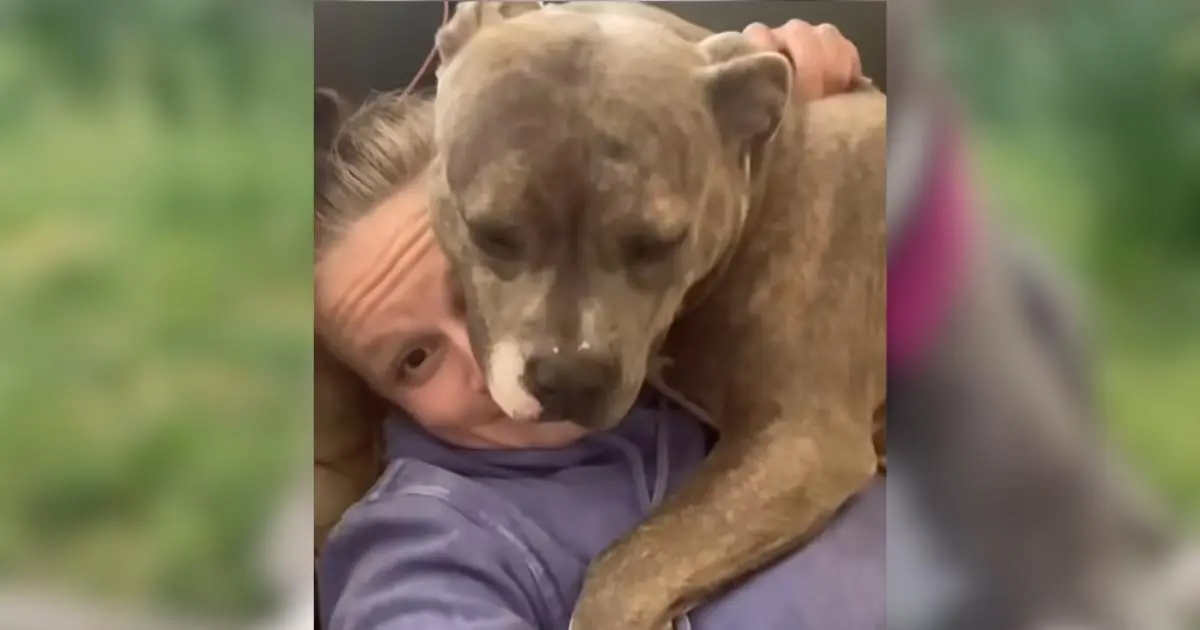
The intersection of animal welfare, veterinary forensics, and human-canine psychology is vividly illustrated in the survival and rehabilitation of Pickles, a female pit bull-type dog whose early life was marked by extreme cruelty. Discovered tied to a boulder in punishing temperatures, severely malnourished, and showing physiological signs of recent parturition (childbirth) with no puppies in sight, Pickles represented one of the most egregious profiles of animal neglect.
This investigative report examines her transition from a life-threatening abandonment scenario to her relocation to a New York shelter, and her subsequent adoption by a medical student. Beyond a narrative of individual survival, Pickles’ case serves as a poignant study in canine trauma recovery and the phenomenon of "bidirectional rescue"—wherein the rehabilitation of a traumatized animal directly correlates with the psychological stabilization and stress mitigation of its human guardian. By analyzing the physiological tolls of postpartum abandonment, the cognitive adjustments required for domestic integration, and the quantifiable benefits of companion animals in high-stress academic environments, this article contextualizes Pickles’ journey within the broader framework of modern veterinary science and animal advocacy.
Detailed Chronology
[Discovery & Rescue] ──► [Shelter Intake & Transport] ──► [Adoption & Integration] ──► [Social Stabilization]
- Found tied to boulder  - Postpartum vet assessment     - Medical student adoption   - Bond with partner
- Starving, extreme heat  - Relocation to NY shelter       - Cognitive adaptation       - Role as "household queen"
The Discovery and Immediate Aftermath of Trauma
The chronological record of Pickles’ known history begins with a critical intervention. Rescuers located the female pit bull in an environment characterized by extreme heat, physically tethered to an immovable boulder. This specific method of tethering restricted her movement entirely, preventing her from seeking shade, water, or forage.
Upon physical evaluation, veterinary responders noted two critical compounding factors:
Severe Emaciation and Dehydration: The subject was in an advanced state of starvation, with prominent skeletal definition and systemic dehydration, indicating prolonged exposure without sustenance.
Postpartum Physiological Markers: Clinical signs indicated that Pickles had recently given birth. The absence of her offspring at the scene suggested forced maternal separation, a factor that veterinary behaviorists note induces severe psychological distress in canine subjects, alongside physical vulnerability due to lactation and hormonal fluctuations.
With no microchip or local registry linking her to an owner, the circumstances of her abandonment and the fate of her puppies remained unsolved. The primary objective shifted from forensic tracking to immediate life-saving medical stabilization.
The Shelter Pipeline and the New York Transition
Following her initial medical stabilization, Pickles was entered into the animal welfare transport pipeline, a network designed to relocate animals from high-kill or low-resource jurisdictions to areas with higher adoption rates and better-funded facilities. Pickles was ultimately transferred to an animal shelter in New York.
During her tenure at the New York facility, shelter staff focused on behavioral assessments to determine her suitability for domestic placement. Despite the trauma of her abandonment and maternal loss, Pickles exhibited a resilient temperament, showing a willingness to engage with human handlers rather than retreating into fear-induced aggression or profound depression.
Integration into the Domestic Sphere
The trajectory of Pickles’ rehabilitation shifted permanently when she was met by her eventual adopter, a student navigating the rigorous demands of medical school. The adoption process was finalized swiftly, initiating the phase of sensory and environmental adaptation.
For a dog whose existence had been defined by exposure and confinement, the transition to an indoor domestic environment required significant cognitive adjustment:
Sensory Overload and Novelty: Everyday occurrences such as riding in a motor vehicle or observing a television screen elicited intense curiosity and mild disorientation. These reactions indicate a lack of prior socialization within a standard domestic household.
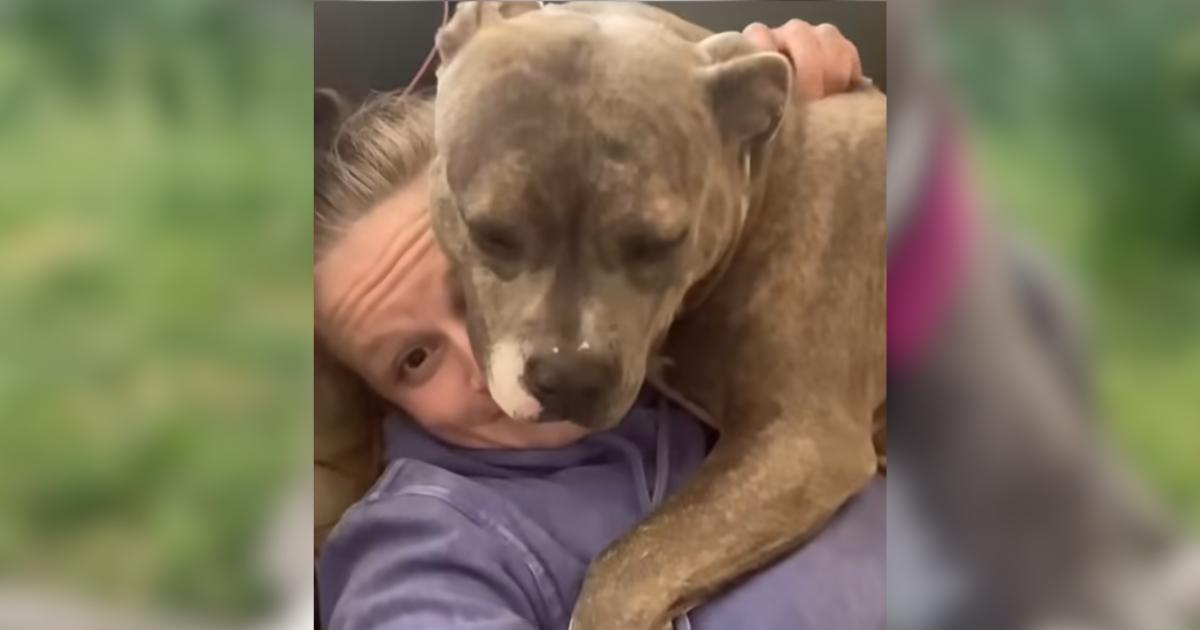
Security-Seeking Behaviors: During the initial weeks of residency, Pickles exhibited strong attachment behaviors, specifically seeking physical contact during sleep cycles. Sleeping pressed against her owner or resting her head in close proximity served as a self-soothing mechanism, mitigating the separation anxiety common in dogs with a history of abandonment.
Approximately three months post-adoption, Pickles’ social circle expanded to include her owner’s partner. This phase of her integration tested her capacity to form secondary secure attachments. Rather than exhibiting territoriality or regression into fear-based avoidance, Pickles established a strong bond with the new household member. Over time, her behavioral profile shifted from hyper-vigilance to assertive domestic comfort, with her owners noting her development into a self-assured, attention-seeking family member—a marked contrast to the silent, tethered animal found on the boulder.
Supporting Context & Metrics
To understand the broader implications of Pickles’ case, it is necessary to examine the statistical realities of canine abandonment, the shelter dynamics surrounding pit bull-type dogs, and the physiological impact of companion animals on human stress levels.
Canine Abandonment and Climate Vulnerability
Abandonment in extreme weather conditions carries a high mortality rate. According to data compiled by animal welfare registries, companion animals exposed to temperatures exceeding 90°F (32.2°C) without hydration can succumb to heatstroke within 45 minutes, depending on humidity and physical exertion. The decision to tether Pickles to a boulder represents a deliberate barrier to survival instincts, categorizing the act as aggravated animal cruelty under most state statutes.
The Pit Bull Shelter Crisis
Pit bull-type dogs represent one of the most vulnerable demographics within the United States shelter system.
Metric
Statistical Average (Pit Bull-Type Dogs)
Percentage of Shelter Population
30% to 50% of nationwide intakes
Average Length of Stay
3x longer than smaller or non-bully breeds
Euthanasia Rate in High-Capacity Shelters
Estimated up to 40% to 50%
These statistics highlight the significance of Pickles’ successful relocation to New York and her subsequent adoption, as dogs of her breed profile face steep statistical barriers to rehoming.
Bidirectional Therapeutic Efficacy
While Pickles required physical and emotional rehabilitation, her owner was navigating the high-stress environment of medical education. Studies in the Journal of Veterinary Behavior and the International Journal of Environmental Research and Public Health have quantified the impact of companion dogs on human physiological markers of stress:
[Interaction with Companion Dog]
       │
       ├─► Decreased Cortisol Production (Stress Hormone)
       ├─► Reduced Systolic Blood Pressure
       └─► Elevated Oxytocin and Dopamine Levels
For a medical student, the presence of a steady, non-judgmental companion provides a critical counterweight to academic burnout, illustrating that the rescue dynamic was not unilateral but deeply symbiotic.
Official Statements and Expert Analysis
Veterinary Behaviorist Perspective
Dr. Elena Rostova, a specialist in canine trauma and rehabilitation, notes the psychological complexity of Pickles’ recovery:
"When a female canine is subjected to forced maternal separation immediately following parturition, the hormonal drop-off combined with environmental trauma can lead to severe maternal depression and generalized anxiety. The fact that Pickles transitioned into a domestic environment without displaying chronic resource guarding or profound fear-aggression is a testament to her inherent neurochemical resilience. Her desire for physical proximity during sleep is a classic adaptive behavior designed to re-establish a secure attachment bond."
Shelter Operations Analysis
Marcus Vance, a director of shelter logistics in the Northeast, comments on the transport pipeline that saved Pickles:
"The transport of animals from rural or under-resourced regions to metropolitan areas like New York is a vital mechanism of modern animal welfare. In local jurisdictions where Pickles was found, her chances of survival were exceptionally low due to shelter overcrowding and breed prejudices. By moving her to a market with a higher demand for adoptable animals and a demographic receptive to pit bull-type dogs, we successfully averted a tragic outcome."
Future Outlook
The long-term prognosis for Pickles is highly favorable, characterized by stable domestic integration, secure attachment bonds, and a structured routine. However, her individual success highlights ongoing systemic challenges within animal welfare.
                      [Future Action Plan]
                               │
         ┌─────────────────────┼─────────────────────┐
         ▼                     ▼                     ▼
[Strengthening Laws]    [Expanding Pipelines]   [Support Programs]
Harsher penalties for   Increased funding for   Resources for owners
tethering & abandonment  interstate transport    to prevent surrender
Legislative Reform: Animal advocacy groups continue to lobby for stricter anti-tethering laws at the state and municipal levels. Cases like Pickles’ are frequently cited in legislative hearings to demonstrate the lethal potential of unsupervised tethering in extreme weather.
Expansion of Transport Networks: The success of interstate rescue pipelines underscores the need for increased funding and logistical support for organizations that relocate at-risk animals from high-kill regions to areas with higher adoption capacity.
Veterinary and Academic Research: The symbiotic relationship between Pickles and her medical student owner contributes to a growing body of research advocating for the integration of emotional support and companion animals within high-stress professional training environments.
In conclusion, while Pickles’ past is a sobering reminder of the capacity for human neglect, her present and future stand as an authoritative case study in the power of veterinary intervention, behavioral resilience, and the profound, reciprocal healing that occurs when a forgotten animal is finally given a place to belong.