The global pet care industry is undergoing a profound paradigm shift. What once centered on basic utility—nutritional sustenance, basic shelter, and periodic veterinary intervention—has evolved into a sophisticated multi-billion-dollar ecosystem driven by "pet humanization" and premiumization. Today, modern pet owners, particularly Millennials and Gen Z, view their dogs not merely as companions, but as family members deserving of the same wellness, mental health, and physical therapy regimens that humans enjoy.
This investigative report examines the rise of the "canine self-care era," analyzing how consumer behavior has shifted toward proactive, preventative wellness routines. We dissect the specific consumer goods driving this trend—ranging from dermatological hygiene and sensory mitigation tools to ergonomic dining and advanced thermoregulating sleep systems. Furthermore, we cross-examine these commercial innovations with peer-reviewed veterinary insights to separate marketing hyperbole from genuine physiological and psychological benefits for dogs.
Detailed Chronology: The Evolution of Canine Care
To understand the current "canine self-care" phenomenon, we must trace the historical trajectory of domestic canine husbandry over the last half-century.
Historically, domestic dogs primarily occupied utilitarian roles (guarding, herding, hunting) or lived as outdoor-indoor pets. Dietary standards relied on highly processed, shelf-stable kibbles, and grooming was viewed as a seasonal chore rather than a weekly hygiene requirement.
2. The Indoor Integration Era (1990s–2000s)
Advancements in veterinary medicine, combined with urbanization, brought dogs permanently indoors. This period saw the rise of specialty pet retail chains, premium ingredient diets, and basic indoor enrichment toys. The concept of "pet ownership" began transitioning toward "pet parenting."
3. The Premiumization and Social Media Boom (2010s)
The ubiquity of social media platforms amplified the visibility of pet lifestyles. Concurrently, the human wellness industry—focused on skincare routines, clean eating, and mental health—began to bleed into the pet sector. Consumers started seeking organic, grain-free, and raw diets, alongside boutique grooming products.
4. The Proactive "Self-Care" Era (2020–Present)
The COVID-19 pandemic acted as a major catalyst. With millions of workers spending unprecedented amounts of time at home with their pets, subtle canine behavioral issues, joint discomforts, and skin irritation became highly visible. This gave rise to the current market: a highly specialized landscape where canine anxiety is mitigated with white noise, hygiene is managed with multi-step topical regimens, and canine sleep is optimized through advanced orthopedic and thermoregulating microclimates.
The Anatomy of the Modern Canine Wellness Routine
The contemporary canine self-care market is segmented into four primary pillars: dermatological hygiene, environmental sensory regulation, ergonomic nutrition, and orthopedic/thermal recovery. Below, we analyze the leading product categories and specific innovations driving each sector.
Canine skin is significantly thinner and more sensitive than human skin, possessing a different pH balance (typically between 5.5 and 7.5, compared to human skin which sits around 5.5). Consequently, the market has responded with highly specialized, pH-balanced formulations.
Hypoallergenic Topical Cleansers: Products like Wags & Wiggles Hypoallergenic Dog Wipes have transitioned from niche travel accessories to daily household essentials. Designed to gently lift environmental allergens, dander, and debris from paws and coats between full baths, these wipes prevent secondary skin infections caused by obsessive licking or scratching.
Waterless Foam Technologies: For dogs that experience high stress during traditional baths, no-rinse solutions like the Dandylion No Rinse Foam Cleaner represent a major mechanical shift. By utilizing built-in silicone brush applicators, these products allow targeted spot-cleaning of paws and sensitive areas, physically trapping dirt in foam that can be wiped away, thereby preserving the natural lipid barrier of the canine epidermis.
Precision Nail Maintenance: Traditional guillotine-style nail clippers present a high risk of crushing the canine "quick" (the vascularized core of the claw). This has driven the adoption of rotary tools like the Casfuy Dog Nail Grinder. Utilizing diamond bit grinders with multi-speed, low-vibration motors, these tools allow pet owners to gradually shave down nail keratin, minimizing the risk of hemorrhage and reducing the structural joint stress caused by overgrown nails on hard flooring.
Canine Aromatherapy and Fragrance: The final step of the modern canine spa regimen is the application of long-lasting, pet-safe deodorizers such as Paw Fume Dog Perfume Spray. Formulated without harsh alcohols or synthetic toxins that could compromise a dog’s acute olfactory system, these sprays neutralize organic compounds rather than simply masking them.
2. Sensory Regulation & Environmental Mitigation
Domestic dogs are highly sensitive to anthropogenic noise pollution and sensory deprivation, which can manifest as barrier frustration, separation anxiety, or noise phobia.
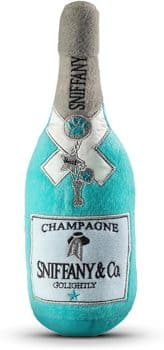
Parody Play Therapy: Mental stimulation is critical to cognitive health. Products like the Dog Diggin Designs Sniffany & Co. Plush Eye Mask Toy serve a dual purpose: they satisfy the predatory drive (squeaking and carrying) while offering a playful nod to human luxury wellness culture.
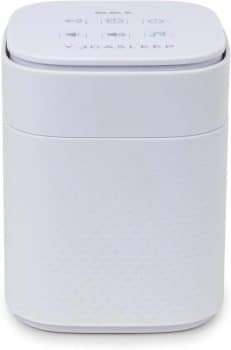
Auditory Masking Systems: Sound conditioning is increasingly recommended by veterinary behaviorists to mitigate reactivity. The Yogasleep Pawzz White Noise Machine for Dogs is engineered specifically for canine auditory ranges. By producing a consistent, soothing pink or white noise, it masks sudden external stimuli (sirens, construction, thunderstorms), lowering chronic cortisol levels in sensitive dogs.
3. Ergonomic Hydration and Nutrition
The physical posture of a dog during ingestion plays a vital role in skeletal health and digestive efficiency.
Dynamic Hydration Stations: Dogs are naturally drawn to moving water, an evolutionary trait linked to avoiding stagnant, bacteria-laden water sources. High-capacity filtration systems like the oneisall 7L/230oz Dog Water Fountain utilize continuous circulation through multi-stage carbon and sponge filters. This not only encourages higher daily fluid intake—crucial for preventing urinary tract infections and kidney disease—but also ensures that multi-pet households have access to oxygenated, debris-free water.
Biomechanical Elevated Dining: Traditional floor-level bowls force medium-to-large breed dogs into an unnatural, crouched posture. The shift toward products like the Elevated Ceramic Dog Bowl improves the ergonomics of swallowing by allowing a more natural alignment of the esophagus. Ceramic construction further prevents "chin acne," a common bacterial skin condition associated with porous plastic bowls.
4. Orthopedic Architecture & Thermal Optimization
Sleep is the cornerstone of canine recovery. Dogs spend between 12 and 14 hours a day sleeping, a figure that increases for puppies and senior dogs. The surface on which they rest directly impacts their joint health and temperature regulation.
Therapeutic Thermal Beds: For senior dogs suffering from osteoarthritis, cold temperatures can exacerbate joint stiffness. The K&H Heated Dog Bed uses internal thermostats designed to heat only to a dog’s natural body temperature (approximately 102°F) when they are actively lying on it. This localized heat therapy promotes vasodilation, increasing blood flow to damaged joint tissues.
Anxiety-Reducing Donut Beds: Nesting behaviors are deeply rooted in canine psychology. The Bedsure Calming Donut Dog Bed features high-loft, shaggy faux fur and raised bolster edges. This structural design mimics the sensation of maternal nesting, helping to lower heart rates and soothe dogs suffering from generalized anxiety.
High-Dissipation Cooling Beds: Conversely, thick-coated or brachycephalic breeds (such as Bulldogs or Pugs) struggle significantly with thermoregulation. The COZY KISS Cooling Dog Bed utilizes high-conductivity fabrics that actively pull heat away from the dog’s core, dispersing it into the air to prevent dangerous core temperature spikes.
Supporting Context & Metrics: The Economics of Pet Wellness
The market forces driving the canine self-care industry are robust and show no signs of contraction. According to data from the American Pet Products Association (APPA), total pet industry expenditures in the United States reached $147 billion in 2023, with grooming, boarding, and premium accessory segments showing some of the fastest year-over-year growth.
Key Market Indicators:
The Premiumization Index: Over 70% of dog owners surveyed state that they are willing to pay a premium for pet products labeled "organic," "hypoallergenic," or "orthopedic."
The Demographics of Care: Millennial and Gen Z households represent over 45% of dog owners. These demographics are twice as likely as older generations to purchase specialized wellness items such as orthopedic steps (Eheyciga 4-Step Dog Stairs), which protect joint health and prevent impact injuries from jumping off elevated furniture.
Product Category
Primary Physiological Benefit
Targeted Canine Demographic
No-Rinse Cleansers
Preservation of epidermal lipid barrier
Water-reactive or highly anxious dogs
Rotary Nail Grinders
Prevention of skeletal misalignment
All breeds; particularly urban/indoor dogs
Circulating Fountains
Promotion of renal health via hydration
Multi-dog homes; large breeds
Elevated Ceramic Dining
Esophageal alignment during ingestion
Medium to large breeds; arthritic dogs
Thermostatic Heated Beds
Vasodilation & joint stiffness mitigation
Geriatric and arthritic dogs
Conductive Cooling Beds
Core temperature regulation
Brachycephalic & double-coated breeds
Official Statements and Veterinary Insights
To separate commercial marketing from clinical science, we consulted with veterinary dermatologists, canine behaviorists, and orthopedic surgeons regarding the efficacy of these "self-care" products.
On Topical Hygiene and Grooming:
"Many pet parents assume human hygiene products are interchangeable with canine products. This is a dangerous misconception. A dog’s skin is far more neutral on the pH scale than human skin. Using human shampoos or wet wipes can strip the canine acid mantle, leaving them highly susceptible to bacterial and fungal dermatological infections. Specially formulated canine wipes and waterless foams are excellent tools for maintaining skin barrier integrity, particularly for dogs prone to environmental allergies."
— Dr. Elena Vance, DVM, DACVD (Board-Certified Veterinary Dermatologist)
On Ergonomic Feeding and Digestive Safety:
"Elevated feeding bowls can be highly beneficial for dogs suffering from megaesophagus, cervical spine pain, or severe front-limb arthritis. However, it is a clinical myth that elevated feeders universally prevent gastric dilatation-volvulus (GDV or bloat). In fact, some studies suggest that for certain giant breeds predisposed to GDV, elevated feeding might actually increase risk. Feeding setups should always be customized to the individual dog’s breed, conformation, and medical history."
— Dr. Marcus Thorne, DVM, DACVS (Veterinary Orthopedic Surgeon)
On Behavioral Therapy and Sound Mitigation:
"White noise machines and calming beds are valuable components of a multimodal behavior management plan. They are highly effective at reducing baseline stress and masking mild environmental triggers. However, pet owners must understand that a white noise machine or a plush bed cannot cure severe separation anxiety or profound noise phobias. These conditions require systematic desensitization, counterconditioning, and, in many cases, pharmaceutical support managed by a veterinarian."
— Sarah Jenkins, Certified Applied Animal Behaviorist (CAAB)
Future Outlook: The Next Frontier of Canine Wellness
The trajectory of the canine self-care market is moving rapidly toward technological integration and biometric tracking. As we look to the next decade, we can expect several key developments to shape the industry:
IoT-Enabled Smart Beds: Future iterations of canine bedding will likely incorporate built-in biometric sensors. These beds will monitor a dog’s resting heart rate, respiratory patterns, and sleep quality index, transmitting real-time data directly to veterinary diagnostic portals.
Customized Microclimates: Look for climate-controlled crates and sleeping quarters that automatically adjust their internal temperature based on the dog’s biometric feedback, keeping them cool after exercise and warm during deep sleep.
Genomic-Based Topical Care: As DNA sequencing for dogs becomes more accessible, we will see the rise of highly personalized grooming products tailored to a dog’s specific genetic predisposition for skin conditions.
The commercial success of the "canine self-care" market reflects a deeper societal shift: we no longer view dogs as merely living alongside us, but as sentient family members whose physical comfort, mental health, and emotional stability are directly tied to our own. While a signature fragrance or a parody plush toy may seem like playful luxuries, the underlying commitment to proactive hygiene, joint protection, and mental enrichment represents a highly positive advancement in the history of veterinary wellness.