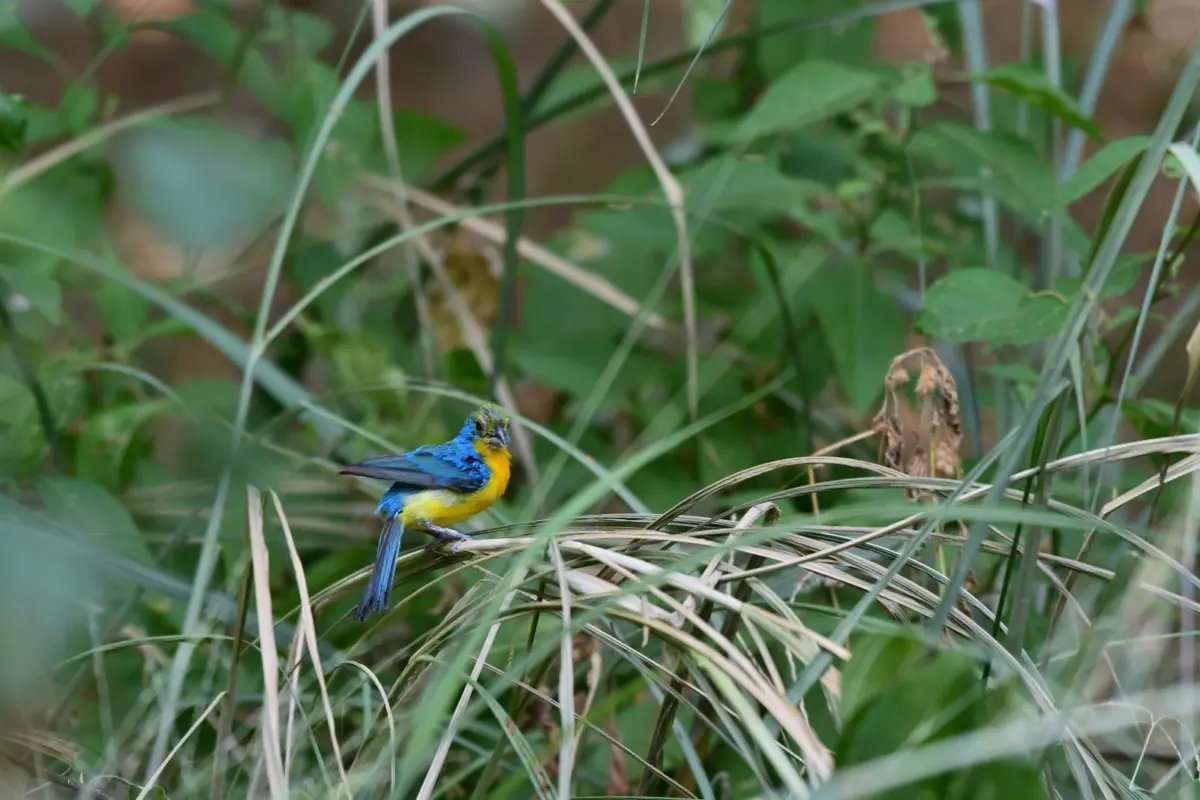

Executive Overview
In an inspiring intersection of ecological preservation, community development, and ecotourism, rural and agrarian leaders from central Mexico’s iconic Iztaccíhuatl-Popocatépetl corridor recently embarked on a transformative knowledge-sharing expedition to the Oaxacan coast. This cross-regional initiative bridged distinct ecosystems—traversing the high-altitude volcanic mountain ranges of central Mexico to the rich, biodiverse coastal landscapes of the Pacific.
The primary objective of this exchange was not merely to observe avian species, but to forge deep connections between disparate human communities, blending ancestral territorial wisdom with cutting-edge ecotourism practices. Organized collaboratively by Audubon—specifically through Audubon Latin America and the Caribbean—in partnership with Reforestamos México and the National Union of Community Forestry Organizations (UNOFOC), the initiative serves as a blueprint for grassroots conservation.
For decades, conservation models have frequently relied on top-down directives imposed by outside entities. However, this program upends that paradigm by placing local agrarian communities—specifically those from Amecameca, San Pedro Ecatzingo, Santiago Cuautenco, and San Miguel Atlautla—in the driver’s seat. By engaging directly with seasoned Oaxacan birdwatching guides and coastal conservationists, these central Mexican delegates acquired practical tools to develop sustainable bird tourism enterprises in their own backyards.
More than a simple professional training workshop, the exchange acted as a profound cultural and environmental awakening. Participants witnessed firsthand how ecotourism can serve as a viable economic engine while actively incentivizing habitat protection. From mastering the nuances of avian identification and group leadership to witnessing live bird-banding demonstrations and engaging in climate adaptation roundtables, the delegation returned to the volcanic corridor equipped with renewed vision. Ultimately, the initiative underscores a fundamental truth of modern conservation: birds do not merely connect fragmented natural habitats; they also connect the human communities dedicated to safeguarding them.
Detailed Chronology of the Inter-Regional Exchange
The multi-day itinerary was meticulously designed to maximize experiential learning, pairing theoretical training with immersive fieldwork across various ecological niches in Oaxaca.
Day One: Arrival and Orientation in Oaxaca
The journey began with the arrival of the agrarian representatives from the Iztaccíhuatl-Popocatépetl corridor on the Oaxacan coast. For several members of the delegation—including Laura Ortega Martínez from Amecameca—this marked a historic milestone: their very first time traveling outside their home region and their first glimpse of the ocean.
An opening orientation session set the collaborative tone for the exchange. Representatives from UNOFOC, Reforestamos México, and Audubon outlined the trajectory of the training process that had taken place throughout the year within the volcanic corridor. Coastal guides from Oaxaca welcomed their central Mexican peers, establishing an immediate rapport rooted in a shared passion for nature, land stewardship, and community empowerment.
Day Two: Fieldwork, Species Identification, and Landscape Reading
The core of the program relied heavily on a "learning by doing" methodology. Breaking into small groups alongside experienced Oaxacan guides, the delegates embarked on early-morning birding excursions across diverse coastal habitats.
During these outings, participants were introduced to the intricate art of field ornithology. They learned how to systematically scan landscapes, interpret micro-habitats, and identify birds not just by their plumage, but by their behavioral patterns, songs, and seasonal movements. Furthermore, the central Mexican guides-in-training observed how professional coastal guides manage groups of tourists, balance safety protocols, maintain ecological ethics, and interpret the natural environment in an engaging, accessible manner.
Day Three: Scientific Research and Conservation at Playa Bacocho
A pivotal highlight of the exchange took place at Playa Bacocho in Puerto Escondido, where the delegation participated in an exclusive bird-banding demonstration. Led by local ornithological researchers and conservationists, the activity offered participants an intimate, up-close look at avian morphology and the rigorous scientific methodologies utilized to monitor migratory and resident bird populations.
The banding session sparked vital conversations regarding the indispensable link between observation, rigorous scientific research, and long-term conservation policy. Participants gained a deeper appreciation for how baseline data collection directly informs habitat protection policies, enabling communities to advocate more effectively for their local ecosystems.
Day Four: Roundtables, Climate Resilience, and Diagnostic Presentations
Transitioning from field observations to strategic planning, the delegation convened for a comprehensive roundtable discussion with veteran birdwatching guides from the Oaxacan coast. This session fostered an open dialogue concerning the operational hurdles, economic realities, and administrative lessons learned in building successful ecotourism enterprises.
Key topics of discussion included:
- Visitor Preparation: Strategies for marketing services, managing client expectations, and catering to international birding enthusiasts.
- Climate Change Impacts: Evaluating how shifting weather patterns, prolonged droughts, and altered migration cycles are impacting coastal and high-altitude avian populations alike.
- Equitable Benefit-Sharing: Designing tourism governance models that ensure revenue generated is reinvested directly into community well-being and habitat conservation infrastructure.
Additionally, Catalina Casas, Field Conservation Manager for Audubon Latin America and the Caribbean, presented the comprehensive findings of a diagnostic assessment. Stemming from earlier workshops focused on rural livelihoods and community well-being, the presentation mapped out the existing challenges and untapped opportunities for rolling out birdwatching tourism across the Iztaccíhuatl-Popocatépetl corridor, establishing clear milestones for future phases of the project.
Day Five: Reflection, Synthesis, and Cross-Pollination of Ideas
The final phase of the exchange was dedicated to reflective synthesis. Participants gathered to process their experiences, compare the socio-ecological realities of the Oaxacan coast with those of the central volcanic highlands, and synthesize actionable takeaways. Rather than attempting to replicate the Oaxacan model wholesale, the delegates focused on adaptability—identifying which structural frameworks could be tailored to fit the cultural, economic, and environmental context of the Iztapopo region.
Supporting Context & Metrics: The Ecology of the Iztaccíhuatl-Popocatépetl Corridor
To fully comprehend the significance of this exchange, one must examine the unique geography, ecological pressures, and community structures defining the Iztaccíhuatl-Popocatépetl corridor.
Geographical and Ecological Significance
Situated in the heart of central Mexico, the Iztaccíhuatl-Popocatépetl corridor encompasses the rugged, heavily forested slopes surrounding two of Mexico’s most iconic volcanic peaks. This high-altitude landscape serves as a critical hydrological basin and a vital biological corridor linking the Trans-Mexican Volcanic Belt with other major ecosystems.
- Biodiversity Hotspot: The corridor hosts a remarkable diversity of flora and fauna, including numerous endemic and migratory bird species that rely on its temperate pine-oak forests, high-altitude grasslands, and cloud forests.
- Ecosystem Services: Beyond its ecological wealth, the region provides essential environmental services—such as carbon sequestration and freshwater provision—for millions of residents in the surrounding valleys, including the Mexico City metropolitan area.
Socio-Economic Realities of Agrarian Communities
The lands within the corridor are largely managed by agrarian communities (ejidos and agrarian communities) such as Amecameca, San Pedro Ecatzingo, Santiago Cuautenco, and San Miguel Atlautla. Historically, these communities have depended on traditional forestry, agriculture, and small-scale livestock rearing. However, fluctuating agricultural markets, rural out-migration, and pressures to convert forest land for commercial use have threatened both local livelihoods and ecosystem integrity.
+-------------------------------------------------------------------+
|               THE CONSERVATION-LIVELIHOOD FEEDBACK LOOP           |
|                                                                   |
|   [Community Training] ──> [Birdwatching Tourism] ──> [Revenue]   |
|            ▲                                              │       |
|            │                                              ▼       |
|   [Habitat Protection] <── [Valuing Natural Capital] <────        |
+-------------------------------------------------------------------+
Birdwatching tourism offers a sustainable alternative—a non-consumptive economic model that monetizes the preservation of intact ecosystems. By transforming local hunters, farmers, and foresters into certified nature guides, communities unlock a lucrative revenue stream that directly depends on keeping trees standing and ecosystems pristine.
Key Metrics of the Inter-Institutional Partnership
- Participating Organizations: Audubon Latin America and the Caribbean, Reforestamos México, and the National Union of Community Forestry Organizations (UNOFOC).
- Target Region: The Iztaccíhuatl-Popocatépetl corridor (central Mexico) and the coastal region of Oaxaca.
- Core Communities Involved: Amecameca, San Pedro Ecatzingo, Santiago Cuautenco, and San Miguel Atlautla.
- Primary Interventions: Field guides training, ecological monitoring (bird banding), diagnostic livelihood assessments, and multi-stakeholder roundtables on climate adaptation and sustainable tourism management.
Official Statements and Perspectives
The success of the inter-regional exchange is best reflected through the voices of the organizers, technical experts, and community participants who lived the experience.
Empowering Grassroots Vision
Socorro Medina, representing UNOFOC, emphasized the psychological and motivational impact of peer-to-peer learning:
"The goal is for people to put into practice what they have learned over the course of this year, and to be able to learn about other experiences to broaden their perspective. Seeing that birdwatching tourism works in other regions, and that it can also bear fruit in the Iztapopo area, allows them to imagine what they could achieve in their own communities."
Tourism as a Vehicle for Conservation
Irving Barrera, an Audubon consultant providing technical support and training to the Iztaccíhuatl-Popocatépetl communities, underscored the underlying philosophy of the initiative:
"Birdwatching tourism is an excuse, in the best sense of the word, for people to see that there is an economic activity that can generate income, but underlying it is the conservation of birds, the land, and all the natural capital that exists."
A Personal Awakening
For participants like Laura Ortega Martínez from Amecameca, the journey opened doors to an entirely new worldview. Reflecting on her time in Oaxaca, she noted:
"I would really like for this knowledge and these experiences to be brought back to where I live, not just for my own sake, but for the whole community. Above all, I’m taking with me an awareness of caring for birds and their habitat."
Catalina Casas of Audubon Latin America and the Caribbean further highlighted how the initiative bridges scientific research with community empowerment, ensuring that diagnostic tools translate into tangible, locally led conservation actions on the ground.
Future Outlook: Scaling Sustainable Ecotourism in Central Mexico
As the delegates return to the towering peaks of the Iztaccíhuatl-Popocatépetl corridor, the work shifts from exploration to implementation. The insights gathered along the Oaxacan coast are already being integrated into localized action plans designed to institutionalize birdwatching tourism across the participating agrarian communities.
Strategic Roadmap for the Iztapopo Corridor
- Capacity Building and Certification: Expanding local training modules for aspiring nature guides, focusing on advanced bird identification, English-language proficiency for ecotourism, and international guiding standards.
- Infrastructure Development: Establishing low-impact birding trails, observation towers, and informational signage across key ecological zones within the volcanic corridor.
- Community-Based Cooperatives: Formalizing tourism cooperatives that ensure fair distribution of revenue among community members, women’s groups, and youth initiatives.
- Participatory Monitoring Networks: Integrating community members into long-term avian monitoring programs, partnering with academic institutions to track migratory patterns and climate change indicators.
- Regional Marketing Campaigns: Positioning the Iztaccíhuatl-Popocatépetl corridor as a premier destination for sustainable highland birdwatching, targeting both domestic and international ecotourists.
Conclusion: A Unified Landscape
The collaboration between Audubon, Reforestamos México, UNOFOC, and the communities of central Mexico and Oaxaca demonstrates that effective conservation transcends geographical boundaries. By weaving together the high-altitude forests of the volcanic belt with the tropical coastal ecosystems of the Pacific, this initiative has proven that ecological preservation and human well-being are inextricably linked.
Between the mountains and the sea, birds serve as ambassadors of a shared natural heritage. Through targeted education, economic innovation, and deep cross-cultural solidarity, these communities are forging resilient new pathways to protect the landscapes they call home—ensuring that the skies above Mexico remain vibrant and alive for generations to come.