
Executive Overview
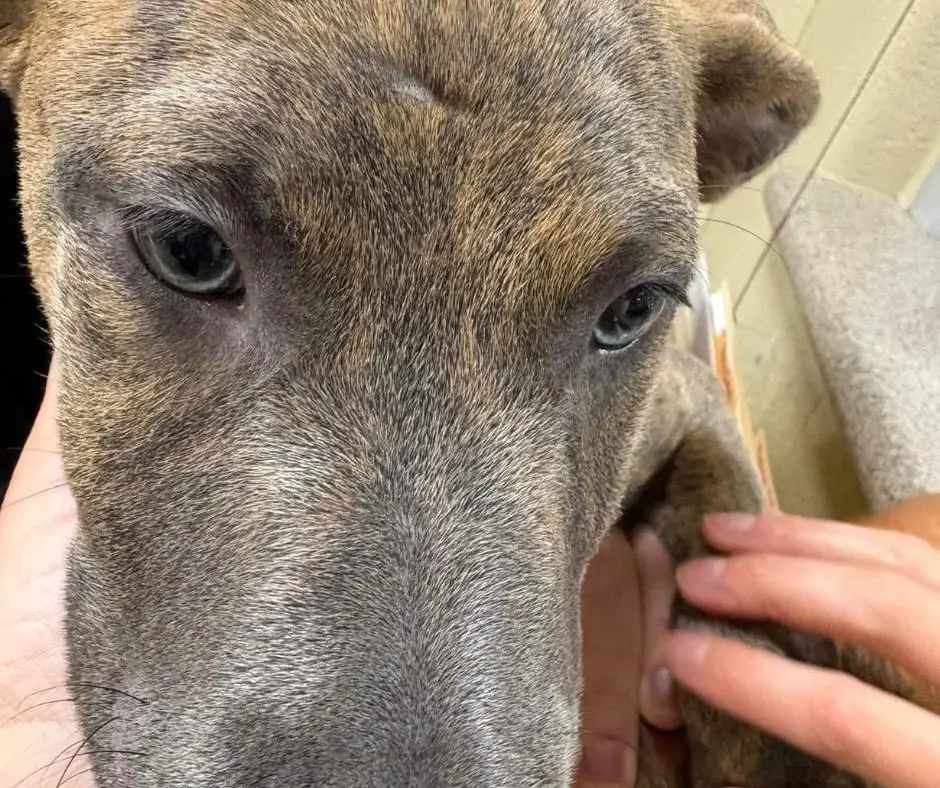
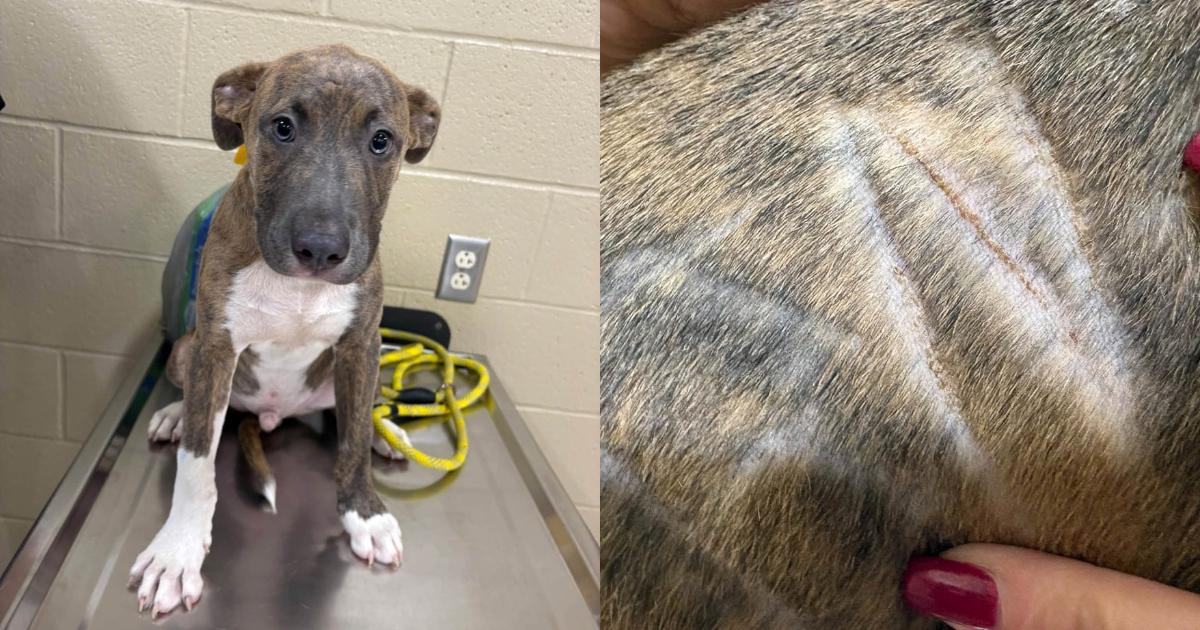
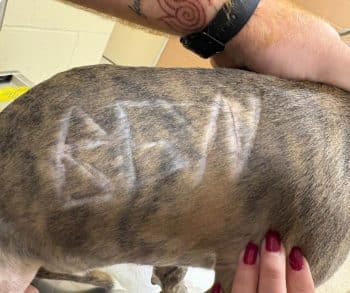
In the field of animal welfare, rescuers are accustomed to encountering dogs in states of physical neglect, abandonment, and trauma. However, a case handled by the Mahoning County Dog Warden in Ohio recently presented a highly unusual and troubling anomaly. A Pit Bull mix puppy, estimated to be under four months old, was discovered wandering alone in Austintown, Ohio. While stray puppies are unfortunately common, this dog carried a stark, physical marker of his previous life: his name, "Ben," had been crudely shaved directly into the fur on his flank. The process had been executed with such force or improper equipment that it left the underlying skin abraded, irritated, and heavily scabbed.
Despite this bizarre attempt at physical identification, no owner ever materialized to claim him. The paradox of the situation—an animal branded with a name, yet entirely discarded—sparked widespread concern and highlighted a persistent issue in modern pet ownership: the gap between impulsive acquisition and long-term responsibility.
This investigative report examines the chronology of Ben’s rescue, analyzes the physical and psychological implications of his treatment, provides broader statistical context regarding shelter pressures in Ohio, and explores the systemic changes required to prevent such cases of casual neglect.
Detailed Chronology
[Late Summer/Early Autumn]
       │
       ▼
Puppy discovered wandering alone in Austintown, OH
       │
       ▼
Intake at Mahoning County Dog Warden
  - Physical exam reveals "Ben" shaved into flank
  - Irritated, scabbed skin and healing head wound documented
       │
       ▼
Mandatory stray hold period begins
  - Public appeals launched
  - Zero inquiries or ownership claims made
       │
       ▼
Transition to "Adoptable" status
  - Shelter issues "15-year commitment" public warning
       │
       ▼
Successful adoption finalized
  - Ben placed in a permanent, vetted home
The Discovery in Austintown
The incident began when residents in Austintown, a township located in Mahoning County, Ohio, spotted a solitary puppy navigating traffic and suburban terrain. The dog, a male Pit Bull mix, was vulnerable due to his young age (estimated at less than 16 weeks) and completely lacked supervision, collars, or tags. Local citizens secured the puppy and contacted the Mahoning County Dog Warden, the agency responsible for stray dog enforcement and animal control in the county.
Intake and Medical Assessment
Upon arrival at the county shelter, intake staff conducted a routine physical evaluation. While the puppy was alert and relatively social, rescuers immediately noted two distinct physical abnormalities:
- The Flank Inscription: On the left side of the puppy’s torso, the letters "B-E-N" had been shaved into his short coat. The tool used—likely a set of dull human hair clippers or a manual razor—had been pressed hard against the delicate skin of the young dog. This resulted in significant razor burn, epidermal abrasions, and subsequent scabbing. The skin was visibly red, inflamed, and painful to the touch.
- Cranial Trauma: Staff documented an older, partially healed wound on the top of the puppy’s head. The origin of this injury was unknown, but it suggested a history of unsupervised exposure to hazards or direct physical trauma.
The Unanswered Waiting Period
Under Ohio law, county animal shelters must hold stray dogs for a designated period to allow owners the opportunity to reclaim their property. Given that the puppy had a name literally carved into his side, staff anticipated an owner would quickly step forward, perhaps claiming the dog had escaped or been taken.
However, as the mandatory holding period passed, public inquiries regarding the puppy remained at zero. No phone calls, social media messages, or in-person visits were made on Ben’s behalf. The realization set in that the individual who took the time to shave the name "Ben" into the dog’s flesh had simply abandoned him to fend for himself.
The Transition to Adoption and the "15-Year" Warning
Once the legal holding period expired, custody of the puppy officially transferred to the Mahoning County Dog Warden. The shelter staff prepared the dog for adoption, but they did so with a deliberate message designed to deter the very behavior that led to Ben’s abandonment.
On their public platforms, the Dog Warden emphasized that while Ben was highly photogenic and dog-friendly, he was not a novelty. They issued a firm reminder to the community: adopting a four-month-old puppy is not a short-term trial, but a "15-year commitment."
A Successful Resolution
The public campaign resonated. Shortly after being cleared for adoption, Ben attracted the attention of qualified applicants. After a thorough vetting process, the Mahoning County Dog Warden confirmed that Ben had been officially adopted. He transitioned from a marked stray on the streets of Austintown to a permanent resident in a vetted, responsible home where physical branding was no longer a requirement for belonging.
Supporting Context & Metrics
To understand the significance of Ben’s case, it is necessary to examine the broader operational realities of county animal shelters, the biological vulnerabilities of young canines, and the critical differences between primitive and modern animal identification.
The Shelter Crisis and Bully Breed Overrepresentation
Public shelters across the United States, particularly in Rust Belt regions like Northeast Ohio, are facing unprecedented intake rates. According to data from Shelter Animals Count, national shelter populations have faced a compounding crisis of overcrowding since 2021, driven by economic inflation, housing insecurity, and a decline in adoption rates.
| Metric | Regional Shelter Estimates (Midwest County Level) |
|---|---|
| Average Stray Intake (Annual) | 1,200 – 1,800 dogs |
| Percentage of Bully Breed/Mixes | 55% – 70% |
| Average Length of Stay (Bully Breeds) | 30 – 45 days (vs. 10–14 days for other breeds) |
| Primary Reasons for Surrender/Abandonment | Housing restrictions, cost of care, behavior management |
Pit Bull mixes, like Ben, are disproportionately affected by these trends. They face longer shelter stays due to breed stigma, local breed-specific legislation (BSL) in certain municipalities, and landlord-imposed restrictions.
The Medicine of Epidermal Damage in Puppies
The act of shaving a name into a puppy’s coat is not merely an aesthetic issue; it presents distinct veterinary risks. A puppy’s skin is thinner and less immunologically resilient than that of an adult dog.
- Mechanical Abrasion (Razor Burn): When clippers or manual razors are pressed too hard against the skin, they strip away the stratum corneum—the outermost protective layer of the epidermis.
- Secondary Infections (Pyoderma): Micro-cuts and abrasions introduce opportunistic bacteria (such as Staphylococcus pseudintermedius) into the warm, damaged tissue. Without veterinary intervention, this can lead to painful superficial or deep pyoderma, requiring systemic antibiotics.
- Thermoregulatory Impairment: A dog’s coat serves as a barrier against both cold and heat. Shaving large patches of fur, particularly on young puppies, compromises their ability to regulate body temperature and increases susceptibility to sunburn.
Identification: Primitive Branding vs. Modern Microchipping
The crude carving of "Ben" into the puppy’s fur represents an outdated, ineffective, and harmful method of animal identification. Modern veterinary science and animal control ordinances advocate for secure, painless, and permanent identification systems.
┌────────────────────────────────────────────────────────────────────────┐
│                      ANIMAL IDENTIFICATION COMPARISON                  │
├───────────────────────────┬────────────────────────────────────────────┤
│ Crude Shaving / Branding   │ • Temporary (fur regrows within weeks)     │
│                           │ • Causes physical trauma & infection risks │
│                           │ • Offers no secure registry database       │
├───────────────────────────┼────────────────────────────────────────────┤
│ Microchip Transponder     │ • Permanent (lasts the dog's lifetime)     │
│ (RFID - 134.2 kHz)        │ • Painless, sterile subcutaneous injection │
│                           │ • Linked to national recovery databases    │
└───────────────────────────┴────────────────────────────────────────────┘
Official Statements and Analysis
The Mahoning County Dog Warden’s public communication during Ben’s intake and subsequent adoption campaign highlights the advocacy role that modern municipal shelters must play.
In their initial public appeal, representatives for the Dog Warden stated:
"Ben needs a family and home. He is a 15-year commitment."
This statement is deceptively simple but carries profound weight in the field of animal shelter management. It directly addresses the phenomenon of "puppy fever"—the impulsive adoption of young, attractive animals without regard for their long-term care needs.
Critical Analysis of the "15-Year Commitment"
The lifetime cost of owning a medium-to-large dog can range from $15,000 to over $30,000, factoring in high-quality nutrition, preventative veterinary care (vaccines, flea/tick prevention, dental cleanings), emergency medical situations, boarding, and training.
When shelters fail to emphasize this long-term reality, they often experience a "boomerang effect," where dogs adopted as cute puppies are returned to the shelter system between 8 to 18 months of age. At this stage, the dog has grown larger, requires more physical exercise, and may have developed behavioral issues due to a lack of early training. By framing Ben’s adoption around a strict temporal commitment, the Mahoning County Dog Warden successfully filtered out impulsive applicants, ensuring that whoever stepped forward was prepared for the realities of canine adulthood and senior care.
Future Outlook
Ben’s successful adoption is a positive resolution to an otherwise troubling case of neglect. However, preventing similar occurrences requires systemic changes in animal welfare education, legislative enforcement, and community resources.
1. Strengthening Microchipping Infrastructure
To phase out crude, physical marking practices, municipalities must lower the barrier of access to microchipping services.
- Low-Cost Clinics: County dog wardens and local non-profits should implement monthly, low-cost or free microchipping clinics in underserved neighborhoods.
- Point-of-Sale Mandates: Legislation requiring all breeders, pet stores, and rescues to microchip puppies prior to transfer of ownership would drastically reduce the number of unidentified stray animals.
2. Community Education on Humane Husbandry
The individuals responsible for shaving Ben may have lacked basic education regarding canine care, believing that shaving a name was a viable way to ensure a lost dog could be identified. Community outreach programs must emphasize that physical hair-shaving, branding, or ear-notching (outside of feral cat TNR programs) are unacceptable and potentially illegal under state animal cruelty statutes.
3. Legal Accountability for Abandonment
Under Ohio Revised Code (ORC) Section 959.01, abandoning an animal is a misdemeanor offense. In cases where an animal is found with highly distinct physical markings (such as a shaved name), animal control officers should collaborate with local veterinary clinics and grooming salons to trace the animal’s origins, holding negligent owners legally and financially accountable for the cost of the animal’s shelter care.
Conclusion
Ben’s journey from a scarred, wandering stray in Austintown to a beloved family companion serves as a powerful reminder of the resilience of animals when met with structured, professional care. His case stands as a warning against the trivialization of pet ownership and a testament to the vital, life-saving work performed daily by municipal animal control agencies across the nation. Ben no longer needs his identity carved into his skin; his status as a cherished family member is now permanently secured.