
Executive Overview
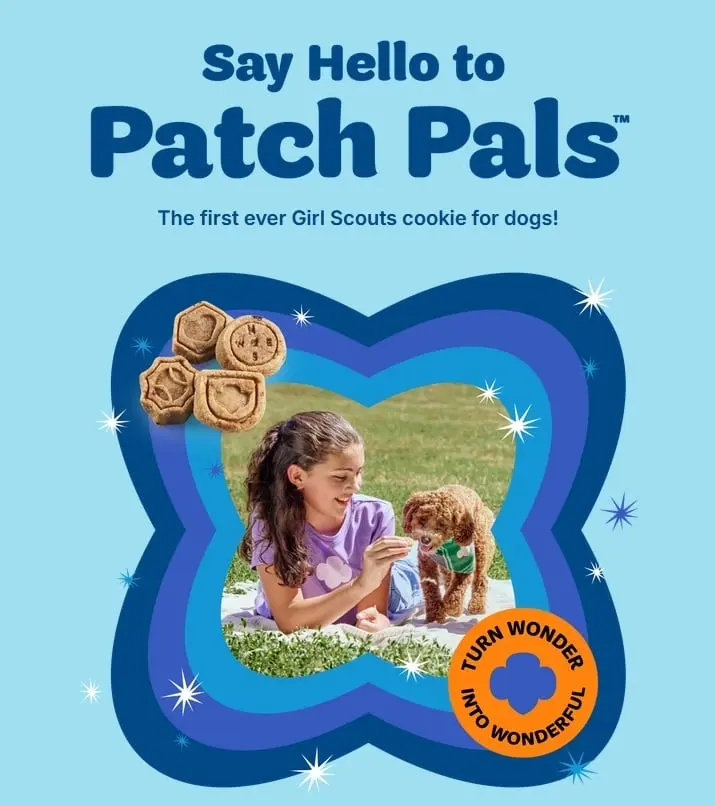
The Girl Scouts of the USA, a century-old institution built on youth empowerment, community service, and wholesome brand trust, recently made headlines by expanding its iconic cookie empire into the lucrative pet treat market. Announcing the launch of "Patch Pals"—a soft-baked, blueberry muffin-flavored canine cookie—the organization positioned the product as a celebratory homage to the emotional bond between people and their pets. Featuring four distinct patch-shaped designs representing classic Girl Scout experiences, the product immediately captured media attention and excited dog-owning consumers nationwide.
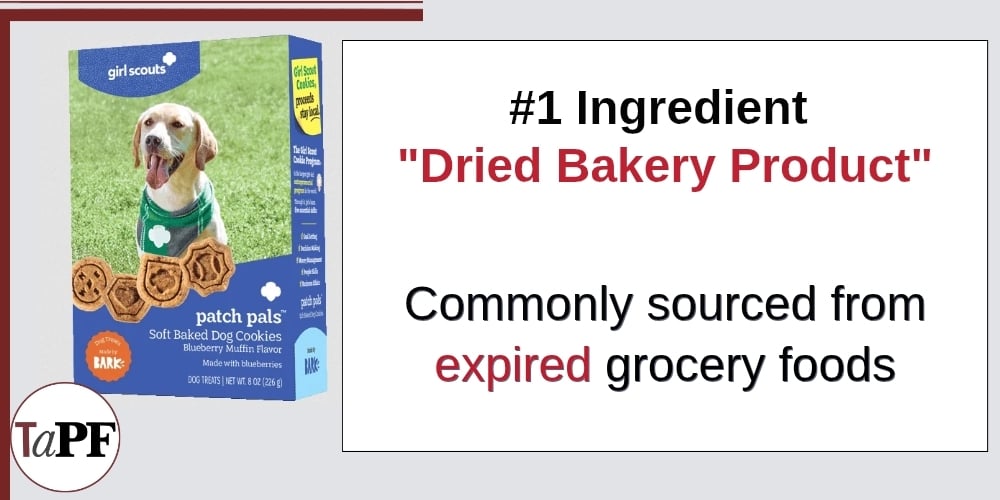
However, an independent investigation by pet food consumer advocates has revealed a stark divergence between the product’s wholesome marketing narrative and its true nutritional composition. According to the product’s officially listed panel of ingredients, the primary component by pre-cooked weight is not a whole-food grain, protein, or fresh fruit, but rather an industrial feed-grade commodity known officially as "Dried Bakery Product."
Defined by regulatory bodies as a mechanically processed mixture of expired, unsold, or off-spec commercial baked goods—including breads, cookies, cakes, crackers, and raw doughs—Dried Bakery Product is essentially upcycled commercial grocery waste. Historically utilized as an inexpensive carbohydrate filler in livestock feed, its emergence as the lead ingredient in a premium-branded companion animal treat has sparked sharp criticism from consumer safety advocates. This report provides a detailed examination of the supply chain mechanics, regulatory definitions, potential safety risks, and ethical considerations surrounding the "Patch Pals" launch.
Detailed Chronology of the Product Launch and Ingredient Scrutiny
+-----------------------------------------------------------------------------------+
| CHRONOLOGY OF EVENTS                                                              |
+-----------------------------------------------------------------------------------+
| 1. Official Announcement: Girl Scouts USA unveils "Patch Pals" dog cookies.       |
| 2. Nutritional Scrutiny: Consumer advocates analyze the ingredient panel.        |
| 3. Flagging Ingredient #1: "Dried Bakery Product" identified as primary weight.   |
| 4. Regulatory Cross-Check: Verification of AAFCO definitions & depackaging specs.|
| 5. Formal Inquiry: Consumer advocacy groups file inquiries with Girl Scouts USA.  |
+-----------------------------------------------------------------------------------+
The Initial Announcement
The initiative began with an official press release from Girl Scouts of the USA announcing their entry into the pet care sector for the upcoming cookie season. Promoted heavily through digital media and organizational channels, the campaign introduced "Patch Pals" as a fun, inclusive extension of the traditional cookie-selling experience.
The initial promotional language read:
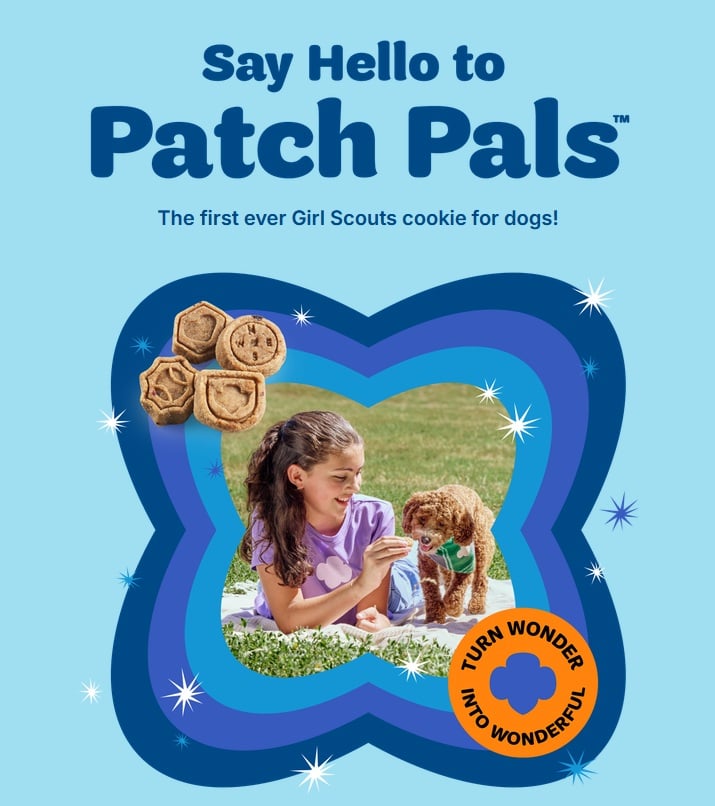
“…the soft-baked, blueberry muffin-flavored dog cookies celebrate the bond between people and their pups. Each dog cookie has been baked to feature one of four ‘patch’ designs, representing iconic Girl Scout experiences.”
The marketing campaign relied heavily on nostalgia, warmth, and the established public trust associated with the Girl Scout brand. Pet parents were encouraged to include their canine companions in the annual cookie tradition, purchasing the treats directly alongside classic human favorites like Thin Mints and Samoas.
The Nutritional Scrutiny
Following the press release, pet food consumer advocate Susan Thixton—founder of TruthaboutPetFood.com and co-founder of the Association for Truth in Pet Food (ATPF)—conducted a routine analysis of the product’s nutritional panel and ingredient list.
Under federal labeling regulations enforced by the U.S. Food and Drug Administration (FDA) and guided by the Association of American Feed Control Officials (AAFCO), ingredients must be listed in descending order of predominance by weight prior to cooking. The investigation established that the lead ingredient in "Patch Pals"—representing the largest single portion of the product formulation—was explicitly listed as "Dried Bakery Product."
This discovery prompted immediate concern among companion animal nutritionists and advocacy groups, who noted that the press release made no mention of utilizing commercial food waste products in the cookie’s formulation, despite its position as the dominant component.
Supporting Context & Regulatory Metrics
To understand the implications of using Dried Bakery Product in companion animal treats, one must examine its formal legal definition, manufacturing process, and historical role within the commercial feed sector.
+-----------------------------------------------------------------------------------+
| INGREDIENT BREAKDOWN: DRIED BAKERY PRODUCT                                        |
+-----------------------------------------------------------------------------------+
| Legal Definition: Mechanically separated, dried, and ground mixture of expired   |
|                   commercial bakery waste (bread, cake, dough, crackers, cookies).|
| Primary Historical Usage: Low-cost carbohydrate source for cattle & swine feed.   |
| Primary Regulatory Category: Feed-grade ingredient (not human edible).            |
| Key Processing Stage: Mechanical depackaging (separating food from wrappers).     |
+-----------------------------------------------------------------------------------+
Legal Definition and AAFCO Standards
According to the Official Publication of the Association of American Feed Control Officials (AAFCO), the standard legal definition for Dried Bakery Product is defined as follows:
"Dried Bakery Product is a mixture of bread, cookies, cake, crackers, flours, and doughs which have been mechanically separated from non-edible material, artificially dried and ground."
While the definition outlines a process meant to convert surplus bakery waste into a usable energy source, key technical details within this definition present significant concerns for companion animal health:
- Mechanical Separation and Packaging Residuals: The phrase "mechanically separated from non-edible material" refers to industrial depackaging operations. Expired bakery items are delivered to processing facilities inside their original packaging—including plastic wrappers, cardboard boxes, foil pouches, and styrofoam trays. High-speed mechanical crushers and separators tear these items apart to detach the organic material from the packaging. However, mechanical separation systems are rarely 100% efficient. Trace amounts of microplastics, foil fragment residues, and paper fiber can pass through screen filters into the final ground product.
- Absence of Quality Controls on Raw Input: The regulatory definition places no explicit restrictions on the freshness, mold content, or age of the raw inputs prior to drying. Bakery items that have surpassed their expiration dates by weeks or months, as well as products exhibiting fungal growth or advanced oxidation, can be processed into the batch, provided the final product meets general moisture and safety thresholds for feed.
+-----------------------------------------------------------------------------------+
| DEPACKAGING PROCESS FLOW                                                          |
+-----------------------------------------------------------------------------------+
| [Expired Grocery / Bakery Waste (In Wrappers)]                                    |
|                         │                                                         |
|                         ▼                                                         |
| [Mechanical Depackaging Separator / Shredder] ──► (Packaging Waste: Plastics/Foil)|
|                         │                                                         |
|                         ▼                                                         |
| [Separated Organic Mass (Bread/Dough/Cakes)]                                      |
|                         │                                                         |
|                         ▼                                                         |
| [Thermal Drying & Industrial Grinding]                                            |
|                         │                                                         |
|                         ▼                                                         |
| [Finished "Dried Bakery Product" (Feed Grade)]                                    |
+-----------------------------------------------------------------------------------+
Feed-Grade vs. Food-Grade Standards
The commercial pet food industry maintains a sharp division between human-grade ingredients (suitable for human consumption and processed in USDA-inspected facilities) and feed-grade ingredients (suitable only for animals).

Dried Bakery Product is exclusively classified as a low-cost, feed-grade ingredient. Historically, its primary home has been in commercial livestock feeds—specifically for cattle, swine, and poultry—where high-density carbohydrate energy is required at minimal cost. It is extremely rare for ultra-premium or health-focused companion animal treats to utilize Dried Bakery Product as their flagship ingredient due to the following nutritional and safety factors:
- Nutritional Volatility: Because the input batches fluctuate constantly based on whatever expired grocery items are available (ranging from high-sugar frosted cakes to salty snack crackers), the glycemic index, simple sugar content, and sodium levels of Dried Bakery Product can vary significantly from batch to batch.
- Mycotoxin Risk: Bread and flour products are highly susceptible to mold contamination (Aspergillus, Penicillium, and Fusarium species). If moldy bread enters the processing stream, heat-stable mycotoxins—such as aflatoxins or vomitoxin (deoxynivalenol)—can survive the thermal drying process, posing hepatotoxic risks to sensitive companion animals like dogs.
- Digestive Impact on Canine Biology: Dogs derive limited nutritional benefit from highly processed, simple carbohydrates originating from refined wheat flour, hydrogenated fats, and synthetic sugars found in commercial human bakery products. Long-term consumption of refined bakery waste can contribute to canine obesity, insulin resistance, and gastrointestinal dysbiosis.
Official Statements and Industry Response
In light of these findings, consumer advocacy groups initiated formal inquiries to obtain clarification regarding the product’s formulation, sourcing standards, and quality assurance protocols.
Inquiries to Girl Scouts USA
Susan Thixton and representatives from the Association for Truth in Pet Food submitted formal correspondence to Girl Scouts of the USA, asking the organization to address the following key questions:
- Was executive leadership aware of the regulatory definition and mechanical depackaging origins of "Dried Bakery Product" when approving the formulation for "Patch Pals"?
- What quality-assurance measures and testing protocols are implemented to ensure that batches of Dried Bakery Product used in these treats are free from microplastics, packaging contaminants, and mycotoxins?
- Why was an upcycled feed-grade ingredient selected as the primary component for a product sold under a highly trusted consumer brand, rather than whole-food ingredients?
As of the date of publication, Girl Scouts of the USA has not issued a formal public response addressing the specific ingredient inquiry. Advocacy groups have pledged to publish any corporate clarification or technical response provided by the organization immediately upon receipt.
Comparative Industry Standards
The controversy highlights a broader divide in the pet treat market between transparency-focused manufacturers and brand-licensing models. Industry analysts note that non-pet organizations entering the pet space frequently outsource formulation and co-manufacturing to third-party contract facilities. In many cases, brand licensing teams focus heavily on packaging design, character intellectual property, and retail margins, leaving ingredient selection entirely to contract manufacturers optimized for low unit production costs.

+-----------------------------------------------------------------------------------+
| BRAND FORMULATION COMPARISON                                                      |
+-----------------------------------------------------------------------------------+
| CRITERIA            | STANDARD PET TREATS       | PREMIUM / TRANSPARENT TREATS    |
+---------------------+---------------------------+---------------------------------+
| Lead Ingredient     | Dried Bakery Product      | Whole Protein / Fresh Grains    |
| Ingredient Class    | Feed-Grade Waste          | Human-Grade / Sourced Whole     |
| Primary Purpose     | Low-Cost Energy Filler    | Targeted Canine Nutrition       |
| Contaminant Risk    | Packaging, Mycotoxins     | Minimal (Strict Traceability)   |
| Target Audience     | Impulse / Brand Loyalty   | Health-Conscious Pet Owners     |
+---------------------+---------------------------+---------------------------------+
Future Outlook & Consumer Implications
The disclosure of feed-grade bakery waste in a flagship pet product carries significant implications for consumer trust, pet food regulation, and brand accountability.
Navigating Pet Food Labels: Advice for Consumers
For pet parents, this issue underscores the vital importance of reading past front-of-package marketing claims and examining the back-of-package ingredient panel. To avoid feed-grade waste ingredients in canine treats, advocates recommend watching for key red-flag terminology:
- Dried Bakery Product / Bakery Refuse: Indicates mechanically separated commercial bakery waste.
- Unspecified Animal Digests or By-Products: Ingredients that lack species-specific sourcing (e.g., "meat meal" vs. "chicken meal").
- Artificial Colors and Flavor Enhancers: Added to mask low palatability or variable aesthetic appearance resulting from inconsistent raw input streams.
+-----------------------------------------------------------------------------------+
| KEY TAKEAWAYS FOR PET OWNERS                                                      |
+-----------------------------------------------------------------------------------+
| 1. Read the First Three Ingredients: Ensure whole meats or clear grains lead.    |
| 2. Beware "Upcycled" Ambiguity: Distinguish true whole-food upcycling from waste. |
| 3. Prioritize Transparency: Seek brands that disclose exact sourcing origins.     |
| 4. Engage Regulatory Reform: Support organizations advocating for clear labeling. |
+-----------------------------------------------------------------------------------+
The Push for Regulatory Transparency
Organizations such as the Association for Truth in Pet Food (ATPF) continue to advocate for structural reforms at AAFCO and FDA meetings. Key policy goals include mandating clear front-of-package disclosures whenever feed-grade ingredients or waste-stream derivatives are utilized in companion animal foods.
As pet owners increasingly treat their animals as full family members, the demand for human-grade quality, ingredient traceability, and honest packaging will only intensify. The controversy surrounding "Patch Pals" serves as a landmark case study in the growing friction between traditional low-cost feed manufacturing practices and modern consumer expectations for companion animal nutrition.
This investigative report will be updated continuously as responses from Girl Scouts USA, regulatory bodies, or independent laboratory testing data become available.