
Executive Overview
For residents of Arizona’s Valley of the Sun, the arrival of autumn brings a familiar and alluring spectacle. Home supply mega-stores, local nurseries, and neighborhood supermarkets burst with an array of eye-catching winter vegetables, vibrant blooms, space-defining shrubs, and young shade trees. For the uninitiated, this seasonal retail explosion can trigger impulsive buying sprees. However, experienced desert gardeners recognize this period not merely as a retail event, but as a critical ecological window. Fall is, by an overwhelming margin, the premier season to plant in the Sonoran Desert.
Installing new flora during the autumn months grants juvenile specimens a crucial three-season grace period. They can establish robust root systems during the mild winters, springs, and shoulder seasons long before the brutal, desiccating onslaught of summer arrives. Furthermore, planting in the fall affords property owners ample time to assess, calibrate, and master their irrigation and shading strategies before environmental pressures reach critical levels.
Yet, navigating the aisles of a nursery remains an exercise fraught with peril for even seasoned horticulturists. Years of trial and error—punctuated by thousands of sacrificial plants and specialized coursework—reveal that the temptation to bring home exotic, high-maintenance flora remains strong. When managed correctly, residential gardens in the Phoenix metropolitan area yield profound personal joy, produce nutritious food for families, and offer vital ecological stepping stones for local avian populations and native pollinators.
To help residents avoid costly missteps, this comprehensive guide explores fundamental desert gardening principles. It examines the critical importance of regional microclimates, the golden rule of "Right Plant, Right Place," and highlights superior native plant alternatives that outperform common, resource-heavy landscape staples.
Detailed Chronology: The Seasonal Lifecycle of Desert Gardening
Understanding the rhythm of the Sonoran Desert’s climate is essential for long-term landscaping success. Unlike temperate regions where spring reigns supreme as the season of awakening, the desert operates on a radically different calendar.
Phase 1: The Autumn Window (September – November)
The horticultural year in the Valley of the Sun begins in the fall. As daytime temperatures finally break from the punishing triple-digit averages of mid-summer, soil temperatures remain warm enough to encourage rapid root growth.
- September: Gardeners assess heat-damaged summer crops and begin clearing beds for cool-season vegetables. Nurseries restock their inventory with perennials, shrubs, and trees.
- October: The optimal planting month begins. Cooler ambient air combined with warm soil creates the ideal biological environment for root establishment without sending the plant into top-heavy foliar shock.
- November: Irrigation frequencies are systematically reduced as evaporation rates plummet. Newly installed plants settle into their new environments, anchoring deep root systems ahead of the minor winter chill.
Phase 2: The Winter Respite (December – February)
Winter in the Valley of the Sun is a period of quiet consolidation rather than dormancy.
- December to January: Growth slows down, but plants continue underground root development. Frost advisories occasionally threaten tender tropicals, making this a crucial period for monitoring microclimates and covering vulnerable specimens.
- February: Daylengths lengthen, and native perennials begin to awaken. Early-blooming species put on their initial displays, signaling to pollinators that spring is on the horizon.
Phase 3: The Spring Explosion (March – May)
Spring is a dazzling, albeit brief, crescendo of color and biological activity.
- March: Native vines, such as the Passion Vine, burst into heavy bloom. Night-blooming species attract early-season moths, while butterflies like the Gulf Fritillary lay eggs on freshly emerged foliage.
- April to May: Temperatures begin an aggressive upward climb. Native shrubs reach peak flowering, and migratory birds rely heavily on berry-producing plants like the Desert Hackberry. Gardeners must complete all major pruning and prepare irrigation systems for the impending summer test.
Phase 4: The Summer Crucible (June – August)
The summer months test the resilience of both plants and gardeners.
- June to July: The arrival of extreme heat and the precursor to the monsoon season places immense stress on non-native vegetation. Water management becomes a daily discipline.
- August: High humidity during monsoon storms brings occasional relief, but also fungal pressures. Gardeners exercise extreme restraint, avoiding major fertilization or new plantings during this high-stress period, focusing entirely on sustaining established root systems until the merciful return of autumn.
Supporting Context & Metrics: Decoding Arizona’s Ecological Diversity
To succeed in Sonoran Desert landscaping, gardeners must abandon one-size-fits-all approaches. Arizona is a state of remarkable ecological and topographical diversity, featuring dramatic variations in elevation, soil composition, and urban heat-island effects.
The USDA Plant Hardiness Zone Matrix
A common pitfall for newcomers and veterans alike is ignoring the USDA Plant Hardiness Zone map. The greater Phoenix metropolitan area is not a monolith; it encompasses at least three to four distinct hardiness zones due to urban density, elevation gradients, and cold-air drainage patterns.
- North Scottsdale and Higher Elevations: Often cooler, experiencing more frequent winter frosts.
- Central Phoenix and Urban Core: Heavily influenced by the urban heat-island effect, protecting sensitive plants from mild frosts but compounding summer heat stress.
- Buckeye and Western Outskirts: Characterized by wide temperature swings, intense afternoon sun, and varying soil salinity.
A specimen that thrives in the sheltered microclimate of north Scottsdale may struggle significantly in the exposed, saline soils of Buckeye. Consulting official USDA hardiness data and cross-referencing plant tags before purchasing ensures long-term viability.
The Principle of "Right Plant, Right Place"
Beyond regional hardiness zones, local site selection dictates whether a plant becomes a structural asset or an ongoing maintenance nightmare. Consider the mature dimensions and biological traits of any specimen before installation:
- The Prickly Pear Paradox: The Opuntia (Prickly Pear) genus is a marvel of evolutionary design. It is exceptionally drought-tolerant, produces stunning spring blooms, and yields delicious, edible fruit. However, planting a mature Prickly Pear adjacent to a swimming pool, a children’s jungle gym, or a high-traffic walkway invites disaster.
- Spatial Forecasting: Gardeners must account for mature spread, height, litter drop (leaves, seed pods, and spent blooms), and defensive armaments (thorns, glochids, and spines). Strategic placement transforms plants into natural privacy screens, windbreaks, and cooling canopies without requiring aggressive, constant pruning.
Official Recommendations: Upgrading Your Landscape with Native Flora
While imported exotic ornamentals have historically dominated suburban subdivisions, their reliance on excessive water, chemical fertilizers, and heavy maintenance makes them liabilities in an arid climate. Transitioning to native Sonoran Desert plants offers an elegant solution. Once established, native species require minimal intervention while providing essential resources for local wildlife, including declining pollinator populations and native birds.
1. The Vine Trade-Off: Native Passion Vine vs. Bougainvillea
- The Status Quo (Bougainvillea): Native to South America, Bougainvillea is ubiquitous across the Southwest. While its bracts provide brilliant color, the plant is plagued by obnoxious thorns, produces litter that clogs pool filters, and demands regular, careful pruning to prevent unruly overgrowth.
- The Native Alternative (Passiflora arizonica / Native Passion Vine): For property owners seeking a fast-growing, vigorous climber, the Native Passion Vine is an exceptional upgrade.
- Growth Rate: A single Passiflora specimen can spread and climb 20 feet by 15 feet within a single year.
- Blooming Cycle: The vine is blanketed in intricate blooms from March until the first winter freeze, eventually producing unique, edible summer fruits.
- Wildlife Value: The extraordinary flowers open at night, welcoming sphinx moths and other nocturnal pollinators. By daylight, they attract a dazzling array of butterflies, most notably the Gulf Fritillary. This medium-sized orange butterfly deposits its eggs directly onto the vine’s foliage, allowing homeowners to observe the complete lifecycle from caterpillar to adult butterfly.
- Resilience: While cold winter freezes may cause the vine to die back to ground level, it routinely resprouts with explosive vigor in early spring.
2. The Hummingbird Haven: Chuparosa vs. Hesperaloe
- The Status Quo (Hesperaloe / Red Yucca): Originally native to Texas, Red Yucca has been overused as a default median and commercial parking lot plant. While durable, its repetitive appearance offers little aesthetic surprise, and its long, fibrous leaves often collect urban dust and debris.
- The Native Alternative (Justicia californica / Chuparosa): Gardeners whose primary objective is attracting hummingbirds need look no further than Chuparosa.
- Aesthetic and Ecological Appeal: Unfazed by poor soils, intense sunlight, and long, brutal summers, Chuparosa delivers a visual feast for humans and an ecological bounty for local avifauna. Its brilliant, lipstick-red tubular blossoms bloom almost year-round.
- Edible and Botanical Quirks: The blossoms are edible and possess a delicate, refreshing cucumber flavor. When seed pods mature, they resemble tiny boxing gloves that audibly burst apart to disperse seed.
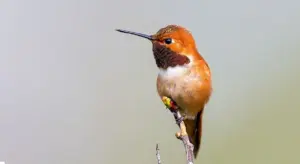
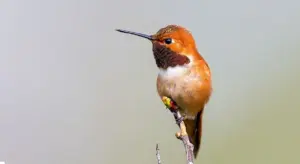
- Avian Visitors: Establishing Chuparosa in the yard eliminates the need to constantly clean, sanitize, and refill artificial hummingbird feeders. Homeowners frequently report regular visits from Anna’s, Black-chinned, and Costa’s hummingbirds, with profuse blooms ensuring an abundant, natural food supply for all.
3. The Living Fortress: Desert Hackberry vs. Oleander
- The Status Quo (Oleander): For decades, Oleander served as the go-to privacy screen in the Valley of the Sun. However, the plant is toxic to pets and humans, highly invasive in certain contexts, and increasingly decimated across the Phoenix metropolitan area by Oleander Leaf Scorch (OLS)—a devastating bacterial disease spread by sharpshooters.
- The Native Alternative (Celtis pallida / Desert Hackberry): To replace tired, diseased Oleanders, the Desert Hackberry stands out as a superior, multi-season landscape asset.
- Structure and Foliage: This sturdy, large shrub or small tree retains its rich green leaves throughout the winter, providing year-round structure. In the spring, tiny white flowers release a delightful fragrance that attracts flower flies and beneficial insects.
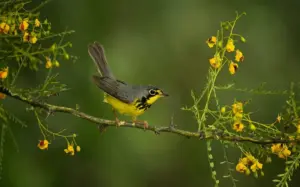
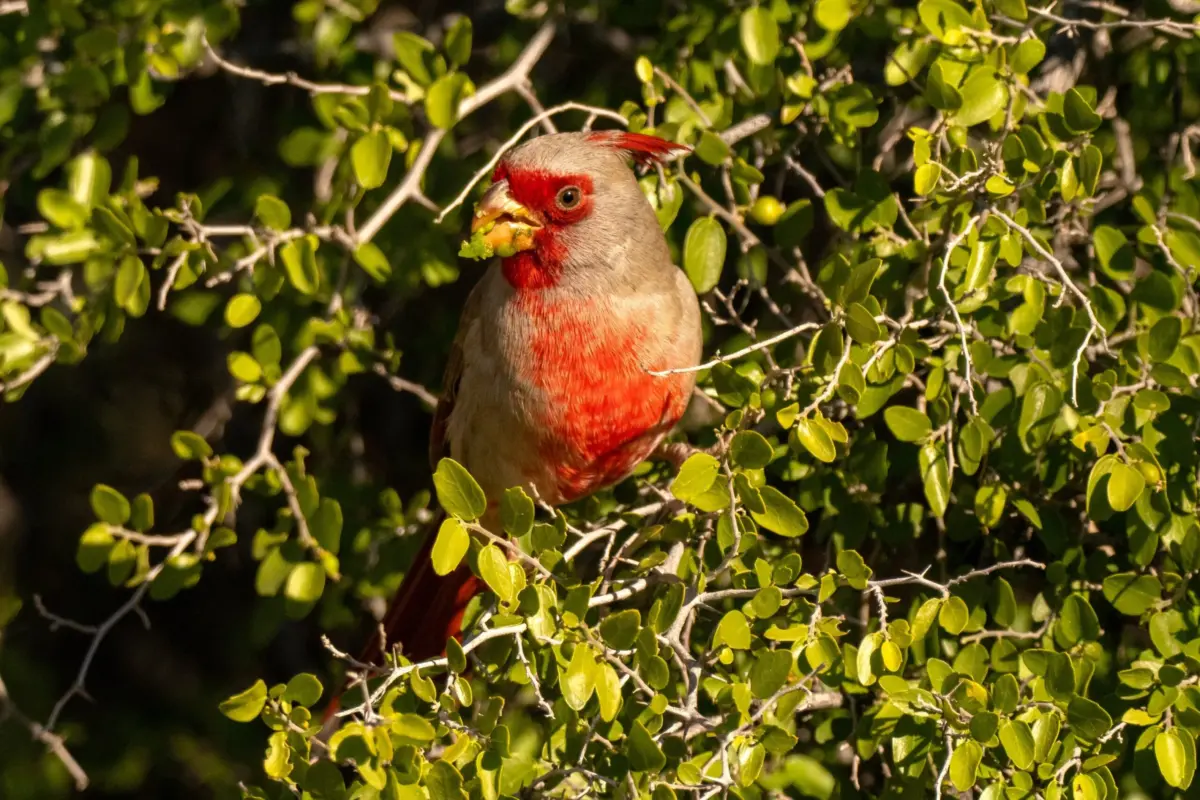
- Avian Sanctuary: The flowers give way to small, edible red berries prized by a wide variety of native and migratory birds, including Northern Mockingbirds, House Finches, White-crowned Sparrows, and Hermit Thrushes. Furthermore, the dense, twiggy, thorn-bearing growth habit creates an impenetrable fortress, offering safe, secure nesting sites that protect native birds from predators.
- Low Maintenance: Despite its immense ecological contributions, Desert Hackberry requires minimal care, tolerates poor desert soils, and thrives in full sun.
Future Outlook: Cultivating Patience and Long-Term Success
Transforming a residential landscape into a thriving, native-centric ecosystem requires a fundamental shift in mindset. A common misconception among novice gardeners is that "drought-tolerant" is synonymous with "maintenance-free" or "magical." No plant, regardless of its evolutionary adaptations to the Sonoran Desert, can survive indefinitely without moisture during its establishment phase.
Best Practices for Post-Installation Care
- Patience is Mandatory: Newly installed native plants require time to adapt. Do not expect immediate, self-sustaining perfection the moment a specimen is placed in the ground.
- Systematic Irrigation Monitoring: Establish a regular watering schedule tailored to the specific plant species and seasonal temperatures. Monitor young plants closely for physical signs of water stress, such as wilting, leaf drop, or discoloration.
- Early Intervention: If a newly planted specimen exhibits signs of decline, do not wait until summer pushes the plant past the point of no return. Contact a local, qualified nursery or horticultural extension office early for prompt advice and corrective intervention.
Conclusion: Mastering the Impulse Purchase
Armed with a firm understanding of USDA hardiness zones, the spatial realities of "Right Plant, Right Place," and superior native alternatives like the Native Passion Vine, Chuparosa, and Desert Hackberry, gardeners are well-equipped to navigate the seasonal onslaught of retail nurseries. By prioritizing ecological function, biodiversity, and regional climate alignment, property owners can transform their outdoor spaces into resilient, beautiful sanctuaries. The next time a wall of blooming exotics beckons from a garden center aisle, you will possess not only the restraint to resist ill-fated impulse purchases, but the knowledge to select plants that will thrive for decades to come. Happy planting!