
Executive Overview
Pet owners across the nation are increasingly turning to subscription boxes as a convenient way to spoil their furry companions. Promising a monthly delivery of joy—complete with gourmet treats, novel toys, and engaging accessories—these services have rapidly evolved into a multi-million-dollar sub-industry within the broader pet care market. According to the American Pet Products Association, U.S. pet owners spent a staggering $16 billion on pet supplies alone in 2018, and subscription models have captured a significant share of this spending.
However, beneath the shiny exterior of unboxing videos and Instagram-ready seasonal themes lies a complex consumer landscape. To cut through the marketing noise, Wirecutter’s pet review team embarked on an exhaustive three-month evaluation project. Reviewing 416 individual pet products spanning 73 boxes from eight different subscription companies, testers analyzed everything from treat ingredients and toy durability to shipping reliability and financial value.
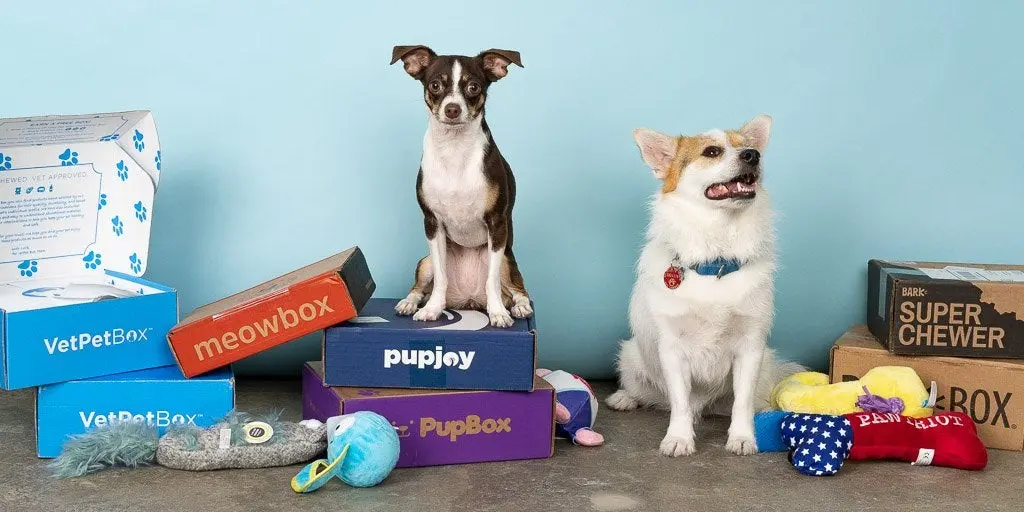
The findings reveal a clear distinction between services designed merely to appeal to human purchasers and those engineered for genuine pet satisfaction. Ultimately, Meowbox emerged as the top choice for cats, while PupJoy Box (along with its specialized PupJoy Power Chewers Box) claimed the crown for dogs. PupBox secured a strong "Also Great" recommendation specifically for puppy owners. Yet, the investigation also uncovered critical pitfalls, ranging from recurring product redundancies to significant data security vulnerabilities.
Detailed Chronology of the 3-Month Testing Phase
The evaluation process was methodical and extensive, designed to mirror the lived experience of a long-term subscriber.
Phase 1: Market Mapping and Scope Reduction
The initial research phase began with a comprehensive audit of the pet subscription market. Investigators identified 47 distinct subscription options catering to everything from traditional cats and dogs to pocket pets (such as hamsters), birds, fish, and even horses. Recognizing the need to maximize utility for the largest possible consumer base, the scope was narrowed strictly to cat and dog subscription services.
Further filtering was applied based on key consumer metrics:
- Price-to-value ratios
- Delivery frequencies and shipping restrictions
- Item counts per box
- Toy durability and material safety
- Customization depth for allergies and preferences
- Single- versus multi-pet flexibility
- Return policies and customer service responsiveness
- Manufacturing locations for edible products
- Third-party consumer sentiment and safety records
Eight prominent companies were ultimately selected for hands-on, multi-month testing.
Phase 2: Inventory, Pricing, and Quality Audits
Before distributing the boxes to testing panels, investigators cataloged, priced, and inspected every single item. A total of 416 distinct pet toys, treats, chews, and accessories underwent a rigorous physical examination.
To determine the true net value of each subscription box, researchers tracked the individual market costs of each product across major national retailers, including Amazon, Chewy, Petco, and PetSmart. For proprietary items unavailable through external vendors, baseline pricing from the subscription services’ own e-commerce storefronts was utilized.
Phase 3: Field Testing with Canine and Feline Panels
Over a rigorous three-month testing window, seven Wirecutter staffers and their pets—totaling 73 distinct dog and cat boxes—put the services through real-world trials. Dogs ranging from 8-pound lapdogs to 70-pound power chewers tested toys based on their specific physical dimensions and chewing profiles.
Testers documented how long toys lasted before sustaining structural damage, monitored pet enthusiasm toward various treats, tracked shipping timelines down to the exact day, and evaluated the frequency of product duplicates month-over-month.
Supporting Context & Metrics: Breaking Down the Data
To understand why certain services succeeded while others faltered, it is essential to examine the cold, hard numbers. Subscription boxes typically range from $20 to $42 per month, but the net value—defined as the calculated retail value of the contents minus the subscription cost—tells a vastly different story about which services offer genuine economic value.
Cat Subscription Box Comparison
| Service Name | Average Retail Value | Average Monthly Cost | Calculated Net Value | Shipping Frequency |
|---|---|---|---|---|
| KitNipBox | $26 | $20 | +$6 | Monthly |
| KittyCatKrate | $20 | $35 | -$15 | Quarterly |
| Meowbox | $25 | $23 | +$2 | Monthly, Bimonthly |
| VetPetBox (Cat) | $46 | $37 | +$9 | Monthly |
Note: KittyCatKrate operates on a quarterly shipping model, resulting in a negative net value relative to its high price point and low item quality.
Dog Subscription Box Comparison
| Service Name | Average Retail Value | Average Monthly Cost | Calculated Net Value | Shipping Frequency |
|---|---|---|---|---|
| BarkBox | $33 | $29 | +$4 | Monthly |
| BarkBox Super Chewer | $38 | $39 | -$1 | Monthly |
| Bullymake Box | $58 | $36 | +$22 | Monthly |
| PupBox | $44 | $34 | +$10 | Monthly |
| PupJoy Box | $46 | $28 | +$18 | Monthly, Bimonthly, Quarterly |
| PupJoy Power Chewers | $61 | $37 | +$24 | Monthly, Bimonthly, Quarterly |
| VetPetBox (Dog) | $49 | $42 (Tiered) | +$7 | Monthly |
Key Takeaway: While services like Bullymake Box and PupJoy Power Chewers boast high net values due to the expensive nature of heavy-duty nylon and rubber chew toys, their appeal depends entirely on the specific chewing habits of the dog.
Official Statements and Industry Insights
The investigation also incorporated perspectives from industry insiders and expert panelists, shedding light on the psychological mechanics of pet product marketing versus functional utility.
Allen Tingley, a Wirecutter project manager, noted a profound psychological shift during the testing of dog boxes:

"PupJoy is my overall winner. I never would have guessed it based on the first boxes I received, but then I kind of realized what was happening. BarkBox was focused on making me happy with fun drawings and themes and Instagrammable stuff. But PupJoy wanted my dog to be happy, and realized my dog doesn’t care about the pretty drawings."
This sentiment highlights a central tension in the pet subscription market: the friction between human-facing aesthetic appeal (seasonal themes, clever packaging) and pet-facing functional durability.
Darren Silverman, Vice President of National Sales at Petmate (one of PupBox’s primary product suppliers), emphasized the importance of manufacturer accountability when issues arise:
"We encourage customers to call 1-800-Petmate, and our consumer services team will try to resolve any issues with our products."
This advice is particularly relevant given that several subscription services maintain restrictive or case-by-case return policies, often requiring consumers to lean on original equipment manufacturers rather than box curators for defective goods.
Detailed Findings: The Top Picks Explained
1. The Best for Cats: Meowbox
- Price: ~$23 per month
- Contents: 4 to 6 items per box
- Delivery Options: Monthly or bimonthly
Meowbox earned top honors for felines by successfully balancing whimsical, human-adored themes with exceptionally high-quality pet gear. During testing, themed boxes such as "When It Rains, It Purrs!" delivered well-stitched, densely stuffed polyfill and catnip toys shaped like rain clouds and rubber boots that withstood aggressive kicking and biting.
Crucially, Meowbox was the only cat service evaluated that offered both monthly and bimonthly shipping options. Given that cat treat bags are typically large enough to outlast a 30-day window, the bimonthly schedule proved popular among testers looking to reduce clutter, manage household budgets, and keep indoor cats at a healthy weight.
Flaws, Not Dealbreakers: Meowbox toys are exclusively custom-designed, meaning replacements cannot be found at local brick-and-mortar pet stores. Furthermore, its net value (+ $2) sits on the lower end compared to competitors like KitNipBox (+ $6) or VetPetBox (+ $9).
2. The Best for Dogs: PupJoy Box & PupJoy Power Chewers
- Price: $26–$29 for standard; $33–$39 for Power Chewers
- Contents: 5 to 7 items per box
- Delivery Options: Monthly, bimonthly, or quarterly
PupJoy triumphed in the canine category due to unmatched customization, superior item durability, and flexible logistics. Subscribers can tailor boxes by size (five distinct weight categories), toy material preferences (plush versus mixed), and dietary restrictions (grain-free, organic, or specific protein sensitivities).
The toys—ranging from SodaPup rubber cans to Hatchables plush birds and SteelDog rope toys—consistently outlasted competitors like standard BarkBox toys, which frequently required replacement after just two weeks. For aggressive chewers, the PupJoy Power Chewers Box provided durable yet lightweight nylon chews, rubber treat dispensers, and buffalo horns that dogs could comfortably manipulate.
PupJoy also stands out as the only tested service featuring a built-in loyalty rewards program, offering substantive discounts on future boxes and free shipping on e-commerce store add-ons.
Flaws, Not Dealbreakers: PupJoy does not curate its shipments around elaborate seasonal themes, prioritizing item utility over Instagram aesthetics. Additionally, some panelists noted occasional product redundancies, receiving duplicate treat brands or toys across consecutive months.
3. The Best for Puppies: PupBox
- Price: $29–$39 per month
- Contents: 5 to 7 items per box
- Delivery Options: Monthly only
For households navigating the chaotic waters of raising a young dog, PupBox is an invaluable resource. The service curates its contents dynamically as the puppy matures, adjusting toy sizes, chew hardness, and training literature month by month. A box for a 4-month-old puppy includes teething advice and rubber dental toys like the Petstages Cutie Chewies Hedgehog, while later boxes introduce advanced training tools.
Flaws, Not Dealbreakers: PupBox exhibits inconsistent item counts and valuations from month to month (fluctuating wildly between $28 and $50 in perceived value during testing). Furthermore, deliveries are strictly monthly, shipping is slower than competitors, and the company maintains a strict, case-by-case return policy with no standard refund guarantees.
Future Outlook & Consumer Safety Warnings
As the pet subscription industry matures, consumer expectations are shifting away from novelty toward genuine utility, health transparency, and financial flexibility. However, rapid growth brings heightened operational risks—a reality underscored by a serious security incident involving PupBox.
In October 2020, PupBox disclosed a major data breach affecting customer orders placed between February 11 and August 9, 2020. Compromised data included customer names, physical addresses, account passwords, credit card numbers, CCV codes, and expiration dates. Consumers who maintained active subscriptions or placed orders during this window are strongly advised to update their account credentials immediately, monitor financial statements closely, and consider employing a dedicated password manager to generate and store unique credentials across online retail platforms.
Final Recommendations for Shoppers
- If you have a cat: Opt for Meowbox on a bimonthly schedule if you want high-durability catnip toys and long-lasting treats without overwhelming your storage cabinets.
- If you have an adult dog: Choose PupJoy Box (or the Power Chewers variant) and select a bimonthly or quarterly delivery cadence to maximize product variety, minimize redundancy, and secure the highest net financial value.
- If you are raising a puppy: Invest in PupBox for its unmatched developmental guidance and age-appropriate gear, keeping in mind the limitation of its monthly-only shipping model and strict return guidelines.