
Executive Overview
For generations, the iconic red-and-white soup cans of The Campbell’s Company have served as a symbol of comfort, warming homes on cold winter days. Yet behind every steaming bowl of soup, every crispy snack cracker, savory sauce, and bottled beverage lies a complex, deeply rooted agricultural supply chain. At the heart of this supply chain are the farmers—the growers, agronomists, and stewards of the land upon whom the consumer-packaged goods (CPG) giant fundamentally relies.
In an era defined by intensifying climate volatility, unpredictable weather patterns, water scarcity, and biodiversity loss, the traditional models of industrial farming are facing unprecedented pressure. Recognizing that the long-term viability of its business is inextricably linked to the health of the soil and the prosperity of rural communities, The Campbell’s Company has evolved far beyond a traditional purchaser of crops. Today, the CPG titan is acting as an active, collaborative partner in the agricultural revolution, championing regenerative agriculture through robust grant programs, high-tech supply chain integrations, and a deeply embedded sustainability framework.
Over the past four years, Campbell’s has systematically built and scaled a comprehensive regenerative agriculture program. Anchored in four core pillars—trusted food, vibrant communities, thriving people, and a healthy environment—the initiative zeroes in on the company’s three "hero" ingredients: tomatoes, potatoes, and wheat. These crops are not merely essential inputs for the company’s diverse portfolio; they are the primary metrics through which Campbell’s measures its environmental footprint and supply chain resilience.
By combining historical grower relationships that trace their roots back more than a century with cutting-edge technologies like artificial intelligence, predictive data analytics, and precision farming tools, Campbell’s is attempting to future-proof its entire operational ecosystem. This comprehensive report explores how The Campbell’s Company is transforming its supply chain from the ground up, detailing the historical evolution of its grower partnerships, the mechanics of its regenerative agriculture initiatives, the integration of advanced on-farm technologies, and the visionary roadmap guiding the company toward a sustainable future.
Detailed Chronology: A Century of Cultivating Grower Partnerships
To understand the progressive nature of Campbell’s current agricultural strategies, one must look backward to understand how deeply ingrained grower collaboration is within the company’s corporate DNA. Unlike many modern CPG companies that rely entirely on volatile open-market commodities or arms-length supplier contracts, Campbell’s has maintained a direct, hands-on relationship with agricultural producers for well over a century.
The Early Decades: Laying the Foundation (1910s–1950s)
The relationship between Campbell’s and the agricultural community dates back to the 1910s, an era when the commercial food processing industry was still in its infancy. Recognizing that the quality of its finished products was entirely dependent on the quality of raw produce, Campbell’s pioneered early forms of agricultural extension work. The company organized some of the earliest documented farmer events and grower symposiums, bringing agriculturalists together to share best practices, discuss seed varieties, and improve harvest yields.
These early gatherings established a foundational philosophy: that Campbell’s and its growers shared a common destiny. If the farmers succeeded in producing higher-quality, more resilient crops, the company succeeded in delivering superior products to consumers. Throughout the mid-20th century, this collaborative spirit expanded as Campbell’s deployed field representatives directly onto farms to advise on pest management, soil management, and harvesting techniques.
Institutionalizing the Dialogue: Modern Grower Summits
The spirit of those inaugural 1910s gatherings remains alive and well in the 21st century. Today, Campbell’s formalizes this collaboration through specialized, recurring agricultural summits. According to David Kiehn, Director of Agriculture Operations at Campbell’s, the company hosts an annual sustainability summit specifically tailored for tomato growers, bringing producers together to discuss regional challenges, water management, and technological breakthroughs.
For the company’s potato growers, Campbell’s hosts a dedicated summit every other year. These events are not merely corporate lectures; they serve as interactive forums where agronomists, researchers, and farmers exchange field-level insights. Growers share firsthand accounts of what is working in their specific microclimates, while Campbell’s provides macro-level market insights, consumer trends, and sustainability targets. This continuous feedback loop ensures that corporate sustainability goals are grounded in the messy, practical realities of day-to-day farming.
The Modern Era: Building the Regenerative Framework (2020–Present)
While Campbell’s has always valued agricultural collaboration, the urgency of its mission shifted dramatically over the past four years. Recognizing the compounding threats of climate change, Stewart Lindsay, Chief Sustainability Officer at Campbell’s, spearheaded the structural integration of a formal regenerative agriculture strategy.
Launched systematically over the last four years, this program transformed ad-hoc sustainability efforts into a cohesive, measurable corporate strategy. By focusing intensely on tomatoes, potatoes, and wheat, Campbell’s was able to concentrate its financial resources, agronomic expertise, and technological investments where they would have the absolute highest impact on both soil health and supply chain security. Through targeted grower grants, strategic retail partnerships, and rigorous data collection platforms, Campbell’s has transitioned from a company that simply buys crops to a transformative force actively reshaping American agriculture.
Supporting Context & Metrics: The Pillars of Regenerative Agriculture
Regenerative agriculture has become a buzzword across the corporate landscape, but at Campbell’s, the concept is grounded in measurable, in-field practices designed to restore ecosystems rather than merely sustain them.
The Three Hero Ingredients
While Campbell’s utilizes a vast array of agricultural inputs across its snack, meal, and beverage divisions, the company strategically focuses its sustainability monitoring and regenerative investments on three foundational crops:
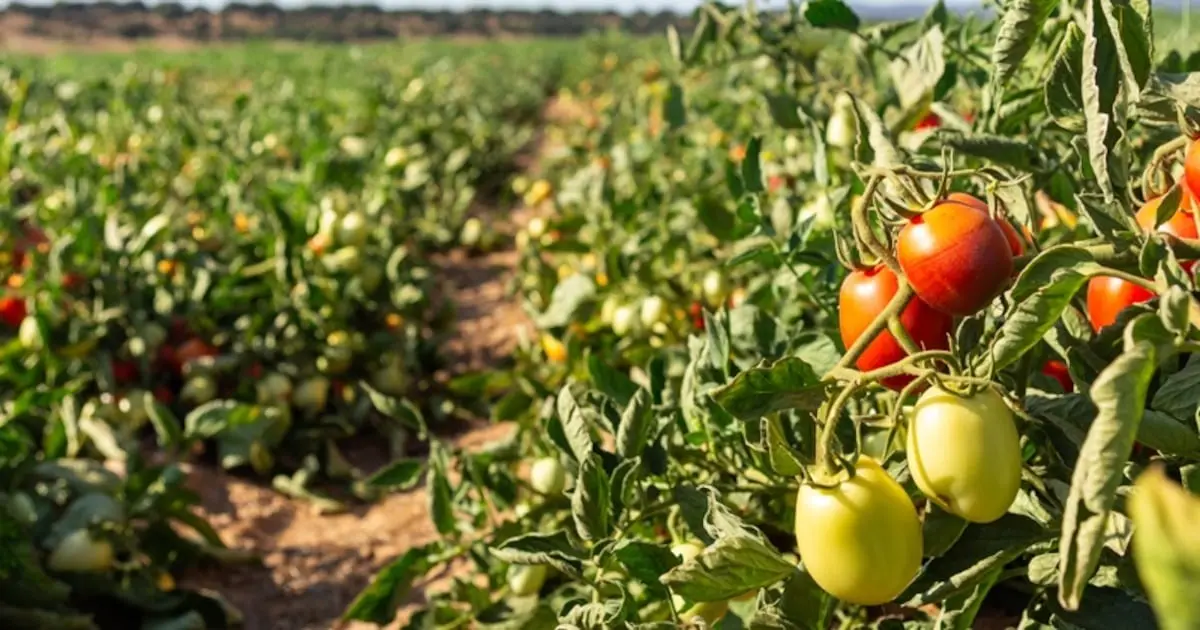
- Tomatoes: Crucial for soups, pasta sauces, and salsas, tomatoes require precise water management and soil health protocols to ensure optimal acidity, flavor, and yield.
- Potatoes: Essential for the company’s extensive snack portfolio (including potato chips and crisps), potato production demands rigorous crop rotation and soil protection to prevent erosion and disease.
- Wheat: A fundamental building block for crackers, pretzels, and pasta, wheat systems benefit immensely from cover cropping and reduced tillage to retain soil moisture and nutrients.
Core Regenerative Practices
Through its comprehensive strategy, Campbell’s actively assists farmers in testing and adopting a suite of proven regenerative farming practices. These techniques are designed to improve soil architecture, enhance water retention, sequester carbon, and reduce chemical dependency:
- Cover Cropping: Planting non-cash crops (such as cereal rye, clover, or radishes) during off-seasons to prevent soil erosion, suppress weeds, and fix nitrogen naturally back into the earth.
- Biologicals and Green Fertilizers: Transitioning away from purely synthetic inputs toward biological soil amendments, microbial inoculants, and green fertilizers that nourish the soil microbiome without leaching harmful chemicals into local watersheds.
- Crop Rotations: Systematically changing the types of crops grown on a particular plot of land from season to season to break pest cycles, restore soil nutrients, and improve long-term land productivity.
- Precision Nutrient Management: Utilizing tools like nitrogen stabilizers to ensure that fertilizers are absorbed efficiently by crops rather than evaporating into the atmosphere or running off into local water systems.
- Energy Transitions: Modernizing farm infrastructure—such as shifting irrigation systems away from diesel generators toward clean, renewable solar power.
Financial Support and Strategic Partnerships
Adopting regenerative practices involves a degree of financial risk and operational transition for farmers. To mitigate these hurdles, Campbell’s provides direct financial support through grower grants and technology investments.
A prime example of this commitment in action is Campbell’s collaboration with CSS Farms, highlighted in a May 2026 press release. Through a strategic partnership with Ahold Delhaize USA, Campbell’s provided targeted support to help CSS Farms expand its adoption of regenerative practices. This initiative funded the implementation of advanced cover cropping regimens, complex crop rotations, the use of nitrogen stabilizers, and the capital-intensive transition of farm irrigation systems from fossil-fuel diesel engines to sustainable solar power.
By de-risking these transitions, Campbell’s ensures that farmers do not have to shoulder the financial burden of ecological stewardship entirely on their own.
Official Statements: Insights from Campbell’s Leadership
To fully grasp the strategic rationale behind Campbell’s agricultural initiatives, one must examine the perspectives of the company’s executive leadership. Their insights reveal a deep understanding of the systemic vulnerabilities facing modern food production and an unwavering commitment to proactive intervention.
Stewart Lindsay on Macro-Risks and Supply Chain Resilience
Stewart Lindsay, Chief Sustainability Officer at Campbell’s, emphasizes that the company’s pivot toward regenerative agriculture is not driven purely by altruism or public relations; it is a fundamental business imperative necessary for long-term corporate survival.
"If you think about the general risks to ag and food—climate variability, water scarcity, biodiversity losses—those are risks to agriculture, and they’re risks to us. And so, the best way we can address that is trying to invest with farmers to change some of their practices and bend that curve in agriculture, and over time, that should be a benefit to us."
Lindsay notes that research consistently demonstrates that regenerative agriculture is not only beneficial for the environment and soil health, but it also directly enhances the long-term economic profitability and resilience of farming operations. When soils retain more water and require fewer synthetic chemical inputs, farmers experience reduced input costs and greater stability during extreme weather events like droughts or floods.
David Kiehn on Technological Adoption and On-Farm Innovation
Addressing common misconceptions about the agricultural community, David Kiehn, Director of Agriculture Operations at Campbell’s, is quick to defend the forward-thinking nature of modern producers. Contrary to the public stereotype of farmers as resistant to change, Kiehn asserts that growers are operating at the absolute bleeding edge of applied technology.
"Growers are very much on the forefront of technology. They get a bad rap from people thinking that they don’t adapt, but they do because they’re looking to sustain these farms for generations to come."
Kiehn points out that today’s agricultural landscapes are high-tech operational hubs where growers routinely test and deploy sophisticated tools—ranging from soil moisture sensors and automated drip irrigation to aerial drones monitoring crop health in real-time.
Future Outlook: Technology, Data, and the Road Ahead
Looking toward the horizon, The Campbell’s Company is aggressively modernizing how it manages, tracks, and forecasts its agricultural supply chain. The future of the company’s operations relies on the convergence of rigorous historical data collection and next-generation artificial intelligence.
Advanced Logistics and Predictive Forecasting
From a logistical standpoint, Campbell’s has continually tested advanced forecasting tools designed to predict and preempt supply chain disruptions before they impact manufacturing facilities. However, Kiehn notes that while predictive algorithms are valuable, the bedrock of the company’s operational success remains its exceptionally thorough, granular data collection capabilities.
Campbell’s maintains an intricate tracking system that meticulously records data for every single load of raw produce delivered to its processing plants.
- Tomatoes: Every incoming truckload is cataloged, allowing the company to trace produce directly back to the specific field and grower.
- Potatoes: A parallel tracking system monitors potato deliveries with equal precision.
"What we have found that still works the best for us is our extensive data collection that we do because we have a system that keeps all of our records for every single load of tomatoes that comes in. We have a system that does for potatoes as well. And so, we can go back, and we can look at what the quality was, how much was delivered by field, by grower, and then we can map it out," Kiehn explained.
This hyper-detailed mapping capability enables Campbell’s agronomists to analyze historical crop yields against weather data, soil types, and specific farming practices, creating a continuous feedback loop that drives smarter planting decisions year after year.
The AI Horizon and Scope 3 Emissions
As Campbell’s looks to the future, the company is preparing to take its data infrastructure to an entirely new level. Stewart Lindsay highlights that the company is currently exploring ways to harness artificial intelligence to process its vast data reserves more efficiently—specifically to measure, verify, and report Scope 3 greenhouse gas emissions.
Scope 3 emissions—those generated across the broader supply chain, including upstream agricultural production—represent the largest and most complex portion of a CPG company’s carbon footprint. By integrating AI-driven analytics with their existing field-by-field record-keeping systems, Campbell’s aims to gain unprecedented visibility into its agricultural carbon footprint. This will allow the company to quantify the exact carbon sequestration benefits of regenerative practices like cover cropping and no-till farming, providing transparent, verified metrics to consumers, investors, and regulatory bodies.
Conclusion: Sowing Sustainability for Generations
The Campbell’s Company has successfully bridged its storied 150-year heritage with the urgent demands of the 21st century. By recognizing that the future of packaged foods is inextricably bound to the health of the earth, Campbell’s has transcended traditional corporate boundaries. Through continuous grower education, targeted financial grants, cutting-edge on-farm technology, and rigorous data science, the company is proving that large-scale food manufacturing and ecological stewardship can not only coexist—they can mutually reinforce one another. As Campbell’s continues to invest in its farmers and its hero ingredients, it is laying down deep roots for a sustainable, resilient agricultural future that will nourish generations to come.