
Executive Overview
In the bustling urban centers and quiet rural barangays of the Philippines, a resilient, highly intelligent, and deeply misunderstood canine roams the streets. Known locally as the Askal—or more formally and affectionately rebranded in recent years as the Aspin—this indigenous mixed-breed dog is woven into the very fabric of Filipino daily life. Far from being ordinary strays, Askals represent a triumph of natural selection, boasting exceptional genetic health, high emotional intelligence, and a remarkable adaptability that bridges the gap between wild independence and devoted companionship.
While traditional kennel clubs and purebred registries often prioritize uniform physical standards, the Askal defies conventional categorization. It is a true mongrel, shaped by centuries of unrestricted breeding and natural adaptation to the tropical climate and socio-cultural landscape of the Philippine archipelago. Yet, perception is shifting globally. No longer viewed merely as anonymous street dogs, Askals are increasingly recognized for their balanced temperaments, low-maintenance care requirements, and profound loyalty.
This comprehensive report explores the origins, physiological traits, behavioral characteristics, and the growing international footprint of the Askal. By examining veterinary science, cultural significance, and the logistical realities of international adoption, we uncover why this humble street dog is capturing the hearts of pet owners far beyond the borders of Southeast Asia.
Detailed Chronology and Cultural Evolution of the Askal
To understand the Askal, one must first trace its linguistic and evolutionary history within the Philippines. The word Askal is a portmanteau derived from the Tagalog phrase "asong kalye," which translates literally to "street dog." For generations, this term carried a colloquial, sometimes derogatory connotation, designating free-roaming canines that scavenged for survival in neighborhoods, marketplaces, and rural farmlands.
From "Asong Kalye" to "Aspin"
In an effort to elevate the status of these native dogs and combat the social stigma attached to street-dwelling animals, animal welfare advocates, veterinarians, and cultural groups in the Philippines spearheaded a rebranding movement. The term "Aspin"—short for Asong Pinoy (Filipino dog)—was introduced. This linguistic shift was more than semantic; it was a cultural reclamation. It reframed the indigenous dog not as a neglected stray, but as a national symbol of resilience, resourcefulness, and unyielding survival.
Historical Roots and Genetic Formation
Unlike European or American breeds meticulously engineered through selective breeding programs (such as the German Shepherd or the Labrador Retriever), the Askal’s lineage is the result of centuries of natural evolution.
- Pre-Colonial Era: Indigenous dogs existed in the Philippine archipelago long before Spanish colonization. These early canines assisted indigenous populations in hunting, guarding settlements, and coexisting within tribal communities.
- Colonial and Post-Colonial Intermixing: As international trade, colonization, and globalization brought various foreign dog breeds to the shores of the Philippines, these imported canines inevitably interbred with the native stock.
- The Modern Askal: The result of this centuries-long genetic melting pot is the modern Askal. Because human intervention played little to no role in choosing their mates, the population evolved through natural selection. Only the smartest, healthiest, and most adaptable canines survived and reproduced, forging a landrace uniquely suited to the tropical environment, endemic diseases, and the urban challenges of the Philippines.
Physiological Profile: What Defines an Askal?
Because Askals are not a standardized breed with a closed studbook, there is no single, rigid template for their appearance. However, decades of natural evolution have yielded a recognizable set of physical characteristics that distinguish them from other mixed breeds.
Size, Stance, and Coat Variations
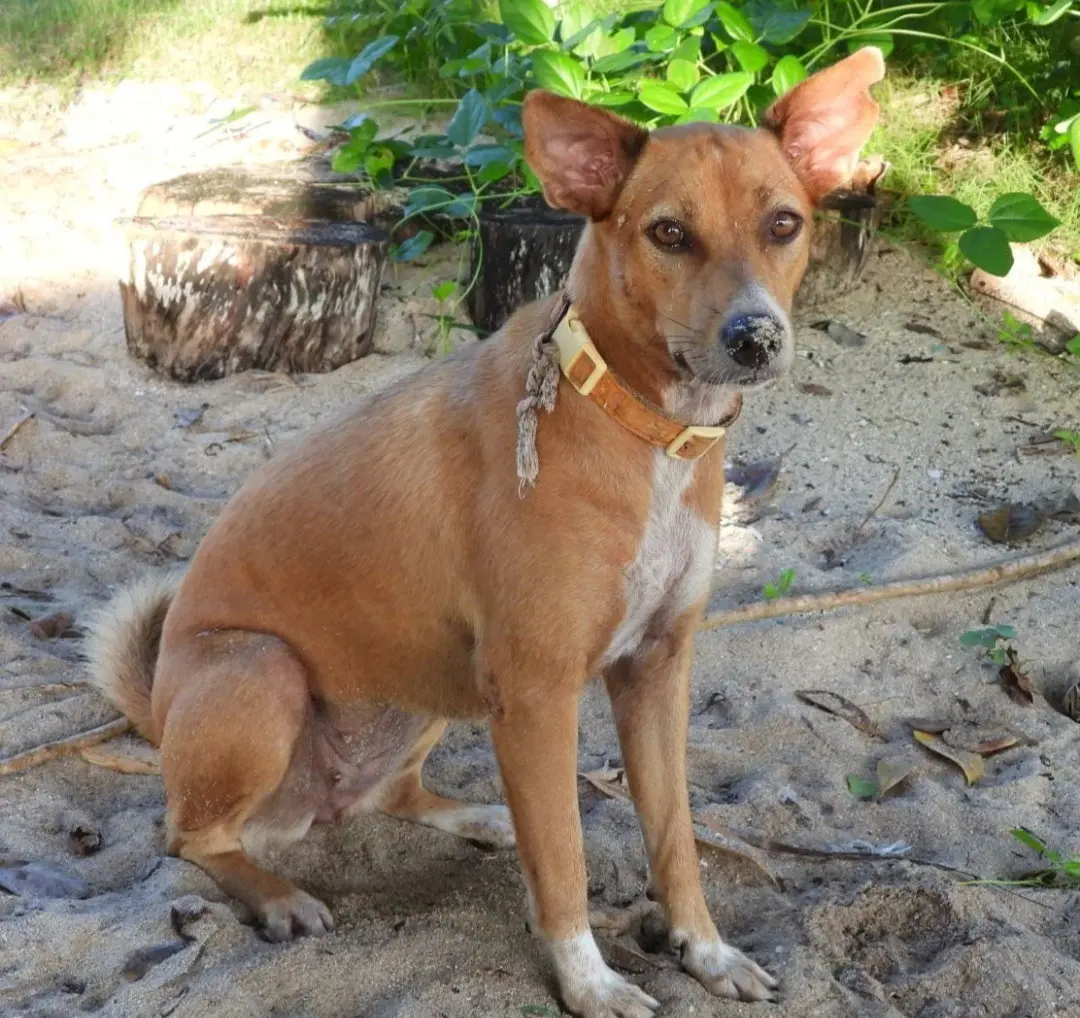
- Size: Askals are predominantly medium-sized canines, though variations ranging from small to moderately large can be found depending on their immediate lineage.
- Coat and Fur: Most Askals sport short, low-maintenance coats that are well-adapted to the sweltering and humid Philippine climate. While their fur is generally short and sleek, some individuals possess a slightly thicker texture.
- Color Palette: Their coats display an extraordinary spectrum of colors and patterns. Solid black, white, and brown are common, often accompanied by brindle patterns, patches, or multi-colored speckling.
- Facial and Skeletal Features: Askal snouts typically span a medium to long length, preventing the respiratory issues commonly seen in brachycephalic (flat-faced) breeds. Their ears can vary dramatically—some stand erect and alert, while others fold over loosely in a charming, semi-floppy manner.
The Advantage of Hybrid Vigor (Heterosis)
From a veterinary perspective, the Askal’s complex and unrestricted genetic heritage provides a massive biological advantage. Purebred dogs, often subjected to intensive inbreeding to maintain specific aesthetic standards, frequently suffer from hereditary disorders such as hip dysplasia, respiratory complications, and autoimmune diseases.
In contrast, Askals benefit from heterosis—commonly known as hybrid vigor. Because they breed independently without human-managed mating pools, genetic diversity remains exceptionally high. This natural filtering process minimizes the concentration of recessive genetic disorders, making the Askal one of the healthiest and hardiest canine types in the world.

Behavioral Dynamics: Intelligence, Trainability, and Temperament
Beyond their physical resilience, Askals possess psychological and cognitive traits that rival many globally recognized working breeds.
Cognitive Sharpness and Problem-Solving
Behavioral observations and comparative assessments indicate that Askal dogs possess an impressively sharp intellect. Their problem-solving capabilities are honed by generations of surviving in dynamic, unpredictable urban environments. When tested against traditional working breeds like German Shepherds or Siberian Huskies, Askals demonstrate a high capacity for learning, rapid adaptation to new rules, and an eagerness to please human handlers.
Independence Meets Affection
One of the most fascinating psychological paradoxes of the Askal is its dual nature:
- Deep Affection: Askals thrive on human interaction and positive reinforcement. They form profound emotional bonds with their families, exhibiting a gentle, patient demeanor that makes them exceptionally safe and reliable companions around young children.
- Autonomous Spirit: Despite their love for companionship, Askals retain a healthy degree of independence. Unlike hyper-dependent breeds that suffer severe separation anxiety, an Askal is comfortable with solitary exploration within a secure yard or resting quietly while their owner is occupied.
Instinctual Guarding and Communication
Askals make exceptional watchdogs. Without exhibiting unprovoked aggression, they possess a natural awareness of their territory. When properly trained, they excel at communicating their needs—whether signaling a desire to go outdoors, expressing hunger, or alerting their human companions to the presence of unfamiliar intruders or unusual sounds.
Supporting Context & Metrics: Health, Lifespan, and Care Requirements
For prospective pet owners evaluating the viability of bringing an Askal into their home, understanding their baseline care metrics is essential.
| Care Parameter | Askal / Aspin Breed Profile |
|---|---|
| Average Lifespan | 12 to 15 years (often extended due to hybrid vigor) |
| Coat Maintenance | Minimal; short fur requires only occasional bathing and minimal brushing |
| Shedding Level | Low to moderate; standard seasonal shedding applies |
| Exercise Needs | Moderate; satisfied with daily walks or secure outdoor yard exploration |
| Health Predispositions | Exceptionally low rate of hereditary illnesses; standard preventative veterinary care required |
| Trainability Index | High; exceptionally responsive to positive reinforcement and consistency |
Exercise and Activity Levels
Unlike high-energy working breeds that require hours of intense physical exertion or specialized jobs to prevent destructive behavior, Askals are remarkably adaptable. In their native Philippines, street-smart Askals are often observed roaming neighborhoods during the day and returning faithfully to their home bases by dusk. In a domestic setting, a standard daily walk paired with some off-leash play in a fenced yard is more than sufficient to keep an Askal physically fit and mentally stimulated.
Grooming Simplicity
Because of their short coats, grooming an Askal requires minimal time and financial investment. They do not need professional clipping or stripping. Routine dental care, nail trimming, and occasional baths when they get dirty are generally all that is required to keep their coats sleek and healthy.
Official Statements and Welfare Perspectives
Animal welfare organizations, rescue networks, and veterinary professionals across Southeast Asia and internationally have increasingly championed the Askal as a model for sustainable pet ownership.
Dr. Maria Santos, a Manila-based veterinarian and animal rights advocate, emphasizes the unique physiological resilience of the indigenous street dog:

"When we look at the Askal, we are looking at nature’s blueprint for the ideal companion dog. Centuries of natural selection have weeded out the genetic weaknesses plaguing modern purebreds. They are robust, highly intelligent, and possess an emotional intelligence that allows them to integrate seamlessly into diverse human households."
International rescue coalitions have also noted a shift in how adoption agencies view street-born animals. While street-born Askals may initially exhibit a degree of wariness or caution toward humans due to past survival experiences on the harsh streets, rescue workers emphasize that patience unlocks unmatched loyalty.
According to global rescue coordinators, rehabilitating a street-born Askal requires building trust through consistency, positive reinforcement, and gentle socialization. Once that trust is secured, the dog transitions into an intensely devoted family member.
Global Reach: Sourcing and Importing Askals to the United States
While the Askal is ubiquitous throughout the Philippine islands, its presence in Western nations, including the United States, is relatively rare. However, growing awareness through social media and international rescue networks has sparked interest among pet owners abroad who wish to adopt or purchase an Askal.
Legal Status and Availability in the US
- Legality: It is entirely legal to own, sell, or transfer ownership of an Askal dog within the United States. No federal or state legislative impediments prohibit the possession of this mixed breed.
- Sourcing Challenges: Because Askals are not recognized as a formal breed by major kennel clubs like the American Kennel Club (AKC), they cannot be readily purchased from traditional domestic breeders in the US. Acquiring one typically involves either adopting through specialized international rescue organizations or importing directly from the Philippines.
Regulatory Compliance and CDC Guidelines
For individuals seeking to import an Askal from the Philippines or another country into the United States, strict compliance with federal health regulations is mandatory. The Centers for Disease Control and Prevention (CDC) and the Department of Agriculture enforce rigorous entry protocols to protect domestic animal and public health.
- Vaccination Records: Prospective owners must produce verifiable, official documentation proving that the dog is fully vaccinated against rabies and other core infectious diseases.
- Health Certification: The canine must undergo a comprehensive veterinary examination prior to travel and be certified as healthy and fit for commercial or cargo flight transit.
- Documentation Readiness: All paperwork, including microchip identification, vaccination certificates, and import permits, must be meticulously organized and readily accessible for inspection by customs and agricultural officials upon arrival and when traversing state lines.
Future Outlook
The narrative surrounding the Askal is undergoing a profound global transformation. Once dismissed as anonymous street scavengers, these indigenous Philippine canines are stepping into the spotlight as symbols of biological resilience, cognitive brilliance, and unconditional loyalty.
As international awareness expands, the Askal is poised to bridge cultural divides, proving that the finest companions are often those forged by nature rather than human pedigree charts. Whether bounding through a rural Philippine farm or resting comfortably in a suburban American living room, the Askal remains a testament to the enduring bond between humanity and the humble street dog.