
Executive Overview
In an ambitious move to bridge the gap between urban development and ecological conservation, Audubon Southwest and the City of Phoenix have officially launched Bird-Friendly PHX. Unveiled during a high-profile community gathering on September 29, 2026, at the Nina Mason Pulliam Rio Salado Audubon Center in South Phoenix, this collaborative initiative invites residents, business owners, and municipal leaders to unite around a shared vision: transforming the sprawling desert metropolis into a thriving sanctuary for both resident and migratory birds.
The core philosophy of Bird-Friendly PHX rests on a simple yet profound premise: a city that is healthy, safe, and hospitable for birds is inherently a healthier, more sustainable habitat for human beings. As the Sonoran Desert continues to experience rapid urbanization, the pressures on local wildlife ecosystems have multiplied exponentially. Heat islands, artificial illumination, expansive glass architecture, and the loss of native flora present daily hazards to avian populations navigating the Pacific Flyway and the fragile desert riparian corridors flanking the Salt River.
By encouraging everyday citizens to take measurable, straightforward actions at home and within their neighborhoods, the initiative seeks to crowdsource conservation. From mitigating window strikes and reducing light pollution to cultivating landscapes rich in native vegetation, Bird-Friendly PHX empowers individuals to become active stewards of urban biodiversity. Supported by municipal leaders, environmental program managers, and conservation policy experts, this initiative marks a pivotal milestone in Phoenix’s ongoing evolution as a forward-thinking, ecologically conscious desert city.
Detailed Chronology: The Launch and Genesis of Bird-Friendly PHX
The Lead-Up: Recognizing an Urban Ecological Imperative
The conceptual framework for Bird-Friendly PHX did not emerge in a vacuum; it was forged through years of collaborative environmental monitoring, urban planning assessments, and ecological research conducted by Audubon Southwest alongside the City of Phoenix’s Office of Environmental Programs. As Phoenix expanded outward and upward, conservationists noted an increasing toll on local and migratory bird species.
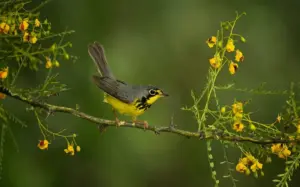
Urban migration corridors—particularly the Rio Salado ecosystem, a vital ribbon of green cutting through the heart of the desert city—serve as critical stopover points for millions of Neotropical migratory birds. However, the concrete-and-glass reality of modern city infrastructure often transforms these natural pathways into ecological traps. Recognizing the urgency of the situation, city planners and Audubon advocates began drafting a comprehensive outreach strategy in late 2024 and 2025, culminating in the formal establishment of the Bird-Friendly PHX partnership slated for a public rollout in the autumn of 2026.
The Launch Event: September 29, 2026
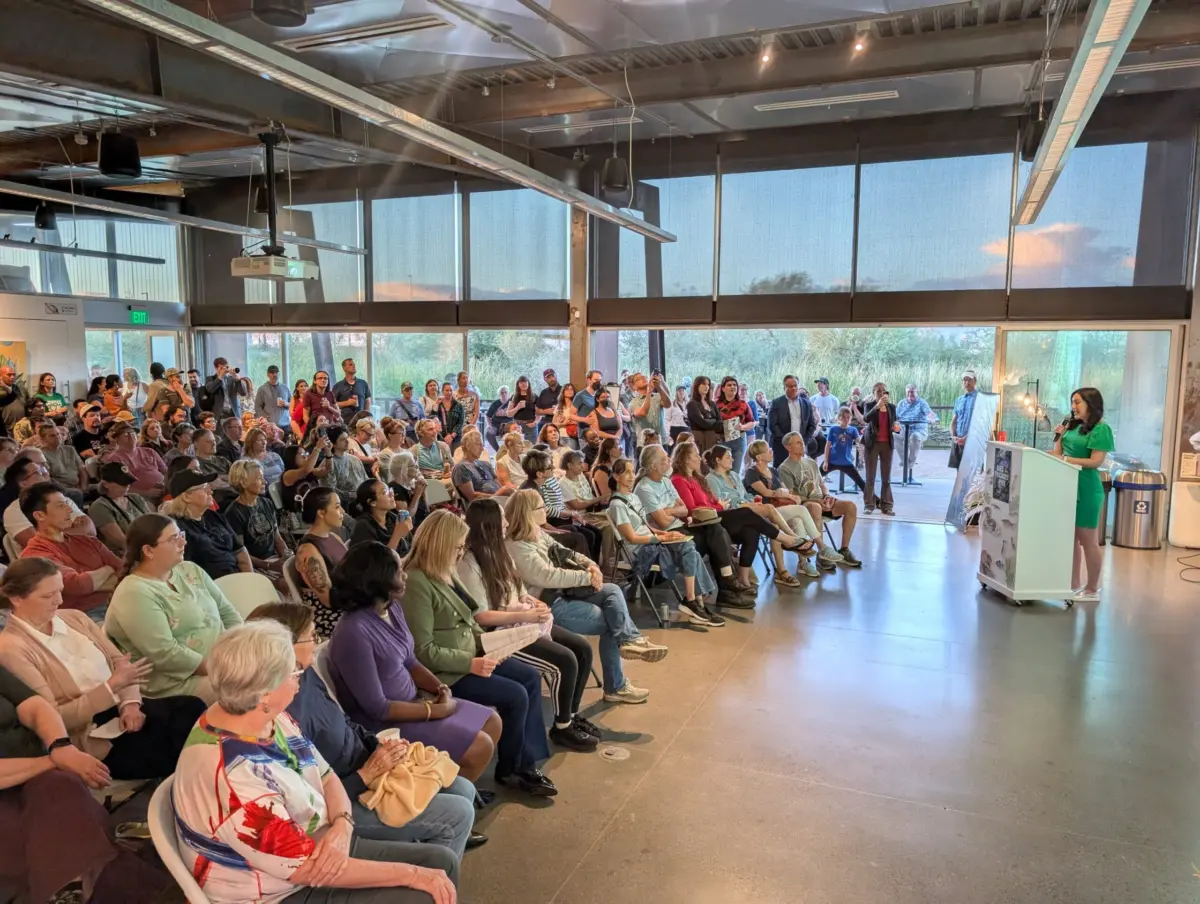
The official public debut of Bird-Friendly PHX took place on a warm autumn morning at the Nina Mason Pulliam Rio Salado Audubon Center, situated uniquely within South Phoenix’s restored wetlands. The venue itself served as a living testament to what is possible when urban centers invest in habitat restoration.
The event commenced with a welcoming address by Erika Flores, Audubon Communications and Marketing Director for the Southwest and Rockies, who set an inspiring tone for the morning. Flores emphasized that urban conservation is not solely the responsibility of government agencies or non-profit organizations, but requires a cultural shift driven by everyday residents.
Following the opening remarks, attendees were treated to a special screening of the acclaimed Audubon documentary Birds on the Move: Desert Rivers. The film provided a cinematic and scientific exploration of the extraordinary journeys undertaken by desert-dependent avian species, vividly illustrating the challenges they face when traversing fragmented, human-dominated landscapes.
High-Profile Endorsements and Keynote Remarks
The momentum of the launch was amplified by keynote speeches delivered by prominent municipal and conservation leaders, each offering a distinct perspective on why Bird-Friendly PHX is vital to the city’s identity and future resilience.
- Phoenix Mayor Kate Gallego: A staunch advocate for sustainable urban development and climate resilience, Mayor Gallego addressed the crowd with an emphasis on Phoenix’s broader environmental goals. She highlighted how initiatives like Bird-Friendly PHX tie directly into the city’s climate action plans, urban heat mitigation strategies, and commitments to increasing urban canopy cover. Mayor Gallego noted that protecting wildlife is a core component of maintaining a high quality of life for all Phoenicians.
- Tricia Balluff, City of Phoenix Environmental Program Manager: Balluff provided technical insights into the municipal framework supporting the initiative. She outlined how city facilities are evaluating their own operational practices—ranging from architectural retrofits to lighting ordinances—to lead by example in creating a bird-safe urban footprint.
- Haley Paul, Audubon Southwest Senior Policy Director: Paul brought a policy-oriented and regional perspective to the podium, detailing the broader ecological stakes involved. She explained how local municipal actions in Phoenix ripple across the entire North American flyway, underscoring the disproportionate impact that individual urban centers can have on continental bird populations.
Supporting Context & Metrics: The Ecological Realities of Phoenix
The Pacific Flyway and the Urban Oasis
Phoenix is geographically situated within a major migratory route, acting as an ecological oasis within the broader Sonoran Desert. Riparian zones like the Rio Salado and the Gila River historically provided continuous chains of water, dense vegetation, and food sources. Today, while these natural corridors remain, they are intersected by an ocean of asphalt, concrete, and high-rise structures.
For birds flying hundreds of miles at night guided by the stars and the moon, the intense luminosity of a major metropolitan area creates severe disorientation. Artificial Light at Night (ALAN) draws migrating birds deep into the urban core. Once pulled off course, exhausted birds expend critical energy circling brightly lit skyscrapers, parking structures, and residential areas. This exhaustion leaves them dangerously vulnerable to secondary urban threats, including domestic predators, vehicular collisions, and dehydration.
The Invisible Hazard: Glass Architecture
Beyond light pollution, the built environment presents a physical hazard that claims millions of bird lives annually across North America: window collisions. Because birds perceive reflections in glass as continuous sky or open landscape—or conversely, attempt to fly toward interior houseplants visible through transparent panes—they frequently strike windows at full flight speed.
In a desert city like Phoenix, where reflective glass is heavily utilized to combat intense solar radiation and reduce cooling costs, the hazard to birds is amplified. Mitigating this risk does not require the wholesale removal of windows; rather, it involves targeted, cost-effective architectural interventions such as the application of patterned window films, UV-reflective coatings, exterior insect screens, and careful placement of interior blinds.
Native Habitat Depletion versus Urban Greening
The loss of native desert vegetation represents another critical pressure point. Traditional suburban landscaping featuring manicured lawns, non-native palm trees, and sterile gravel yards offers little sustenance or shelter for native desert birds.
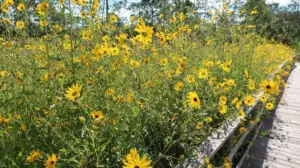
In contrast, planting native flora—such as Palo Verde, Velvet Mesquite, Desert Willow, and various indigenous cacti and shrubs—restores the ecological foundation necessary to support local biodiversity. Native plants host the specialized insects that insectivorous birds rely upon to feed their nestlings, thereby sustaining the more than 100 bird species that make Phoenix their permanent home year-round.
Official Statements and Leadership Perspectives
The collaborative nature of Bird-Friendly PHX underscores a growing recognition that municipal governance and environmental advocacy must work hand-in-hand to address the crises of biodiversity loss and habitat fragmentation.
"Phoenix is a city defined by resilience, and that resilience must extend to the natural world that shares our desert home. By launching Bird-Friendly PHX, we are empowering every resident to play a direct role in safeguarding our local ecosystems. Whether you live in a high-rise downtown or a single-family home in Ahwatukee, your actions matter. Together, we are building a city where both people and wildlife can flourish."
— Kate Gallego, Mayor of Phoenix"Urban environments do not have to be ecological dead zones. Through strategic planning, thoughtful architecture, and conscious landscaping, cities can actually function as vital havens for wildlife. Our partnership with Audubon Southwest allows us to translate high-level environmental policy into actionable, grassroots behaviors that every Phoenician can adopt."
— Tricia Balluff, City of Phoenix Environmental Program Manager"Birds are the canaries in the coal mine of our urban ecosystems. When birds thrive, it means our air is cleaner, our neighborhoods are greener, and our urban microclimates are more hospitable for human habitation. Bird-Friendly PHX bridges the gap between massive conservation goals and daily household habits, proving that small choices add up to monumental regional impact."
— Haley Paul, Audubon Southwest Senior Policy Director
Future Outlook: Empowering Community Action and Measuring Success
The Bird-Friendly PHX Pledge
At the heart of the initiative’s implementation phase is the Bird-Friendly PHX pledge, accessible online via Audubon Southwest’s digital portals. The pledge is designed to be accessible, actionable, and tailored to the unique environmental conditions of the Southwest. Residents are encouraged to commit to a series of foundational practices:
- Reduce Artificial Light at Night: Turning off non-essential outdoor lighting during peak migration seasons (spring and autumn), particularly between the hours of 11:00 PM and 6:00 AM, and utilizing downward-facing, shielded light fixtures.
- Prevent Window Collisions: Applying decals, ceramic frits, tape, or exterior screens to residential and commercial windows to make glass visible to flying birds.
- Cultivate Native Habitats: Replacing water-intensive lawns or sterile gravel with native Sonoran Desert plants that provide vital nesting sites, shelter, and natural food sources like seeds, nectar, and insects.
- Eliminate Harmful Pesticides: Minimizing or eliminating the use of broad-spectrum insecticides and rodenticides, which not only eradicate the food supply for insect-eating birds but can also cause secondary poisoning in raptors and scavenging species.
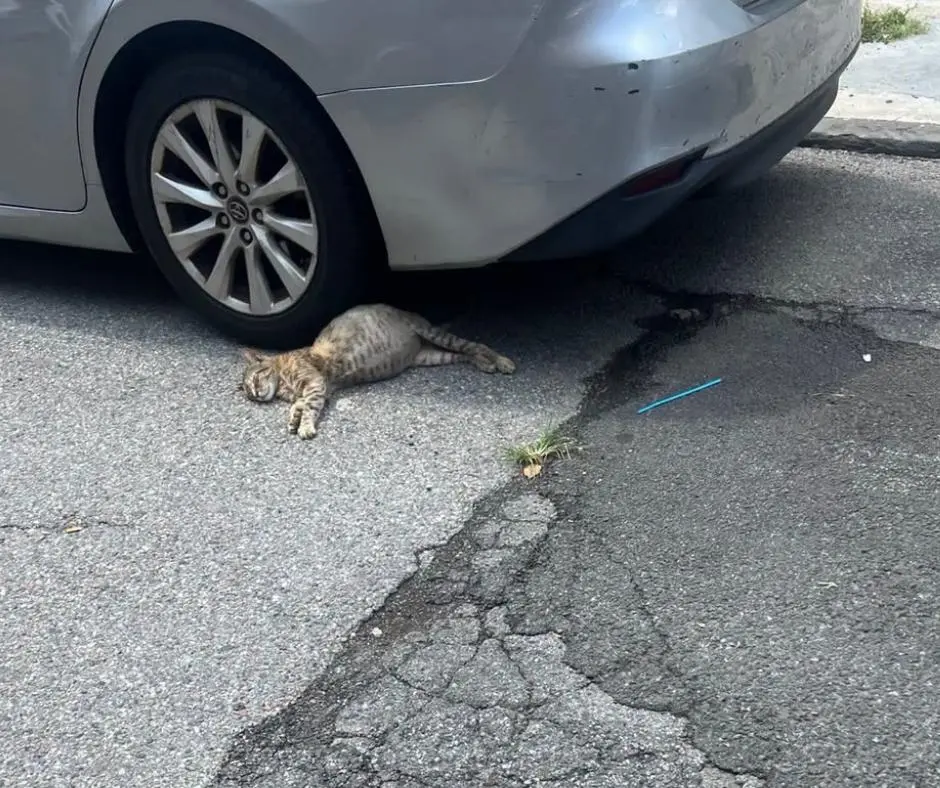
- Keep Cats Indoors: Protecting local bird populations by supervising outdoor cats or transitioning them to safe, stimulating indoor environments where they cannot stalk native wildlife.
Scaling Up: From Households to Commercial Enterprise
While individual household participation is the immediate catalyst for Bird-Friendly PHX, the long-term strategic vision encompasses commercial real estate, industrial parks, and municipal developments. Discussions are already underway to encourage downtown commercial landlords and property managers to adopt "Lights Out Phoenix" protocols during migratory windows. Furthermore, incorporating bird-friendly building design standards into municipal building codes represents a logical next step for a city committed to long-term sustainability.
A Unified Vision for the Desert Southwest
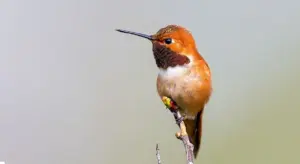
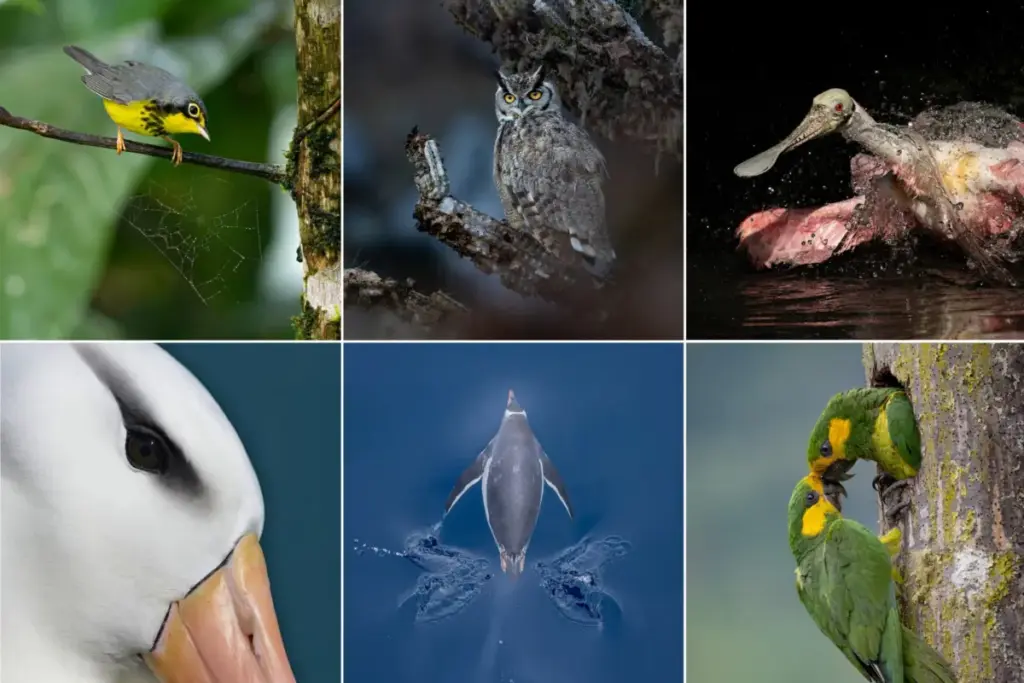
As Phoenix continues to navigate the complexities of climate change, rapid population growth, and resource scarcity, initiatives like Bird-Friendly PHX offer a blueprint for harmonious urban coexistence. By recognizing that the welfare of migratory songbirds, desert owls, hummingbirds, and raptors is inextricably linked to human well-being, Phoenix is redefining what it means to be a modern desert metropolis.
The success of Bird-Friendly PHX will ultimately be measured not merely by the number of pledges signed or architectural retrofits completed, but by the return of vibrant avian life to every neighborhood across the Valley of the Sun—ensuring that the skies above Phoenix remain alive with the wings of resilient desert wildlife for generations to come.