
Executive Overview
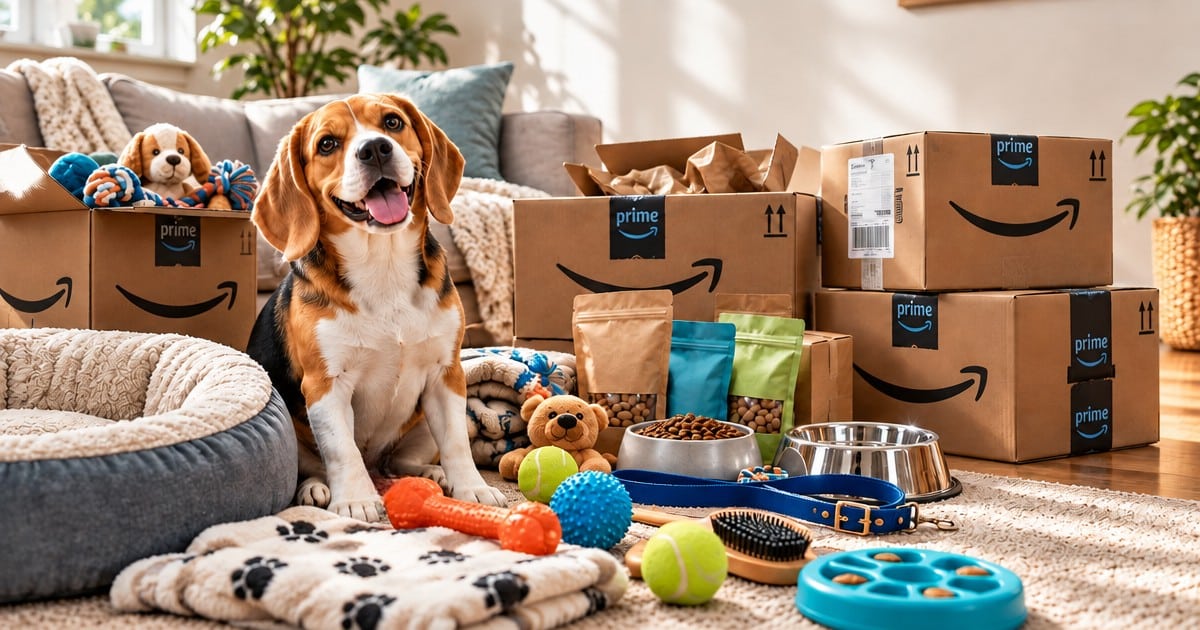
The global pet care industry is undergoing an unprecedented structural shift. Once categorized as a discretionary retail sector dominated by local brick-and-mortar merchants, pet care has evolved into a highly premiumized, institutionalized, and digitized powerhouse. Valued at over $140 billion in the United States alone, the sector’s growth is increasingly driven by the "humanization of pets"—a sociological trend wherein companion animals are treated as integral family members.
At the center of this transformation lies the digital subscription model, pioneered by e-commerce giants and optimized through ecosystems like Amazon Prime. With more than 200 million members globally, Amazon has leveraged its hyper-efficient logistics network, fast shipping, and automated subscription programs like Subscribe & Save to capture a dominant share of the pet food, treat, and accessory market.
This investigative report analyzes the economic, logistical, and behavioral factors driving pet-related e-commerce. By examining thirteen distinct product categories—ranging from freeze-dried artisanal nutrition to advanced cognitive enrichment tools and high-tech grooming appliances—this analysis deconstructs how automated digital pipelines satisfy both the consumer’s demand for friction-free procurement and the biological, safety, and psychological needs of the modern domestic dog.
Detailed Chronology: The Evolution of Pet Care E-Commerce
The migration of pet supply procurement from traditional retail storefronts to algorithmic digital delivery did not occur overnight. It is the result of a multi-decade evolution characterized by shifting logistics capabilities and changing consumer expectations.
[Pre-2000s: Brick-and-Mortar] ➔ [Early 2000s: Digital Transition] ➔ [2010s: Prime & Autoship Wars] ➔ [Post-2020: Premiumization & IoT]Phase 1: The Brick-and-Mortar Era (Pre-2000s)
Historically, pet food acquisition was a high-friction physical chore. Consumers purchased heavy, low-margin bags of dry kibble and canned wet food during routine supermarket trips or at specialized local pet stores. Specialty items, such as orthopedic bedding or specialized veterinary equipment, were difficult to source and required geographic access to major metropolitan retail centers.
Phase 2: The Early Digital Transition (2000s–2010s)
The initial wave of e-commerce introduced online specialty pet merchants. However, high shipping costs relative to product weight (particularly for 30-pound bags of food) presented a major logistical bottleneck. Early digital retailers struggled with high churn rates and unprofitable delivery routes, as standard ground shipping carriers were not optimized for heavy, low-density cargo.
Phase 3: The Convenience and Logistics Arms Race (2010s–2020)
The expansion of Amazon’s fulfillment network fundamentally altered the economics of pet shipping. By placing fulfillment centers closer to major population centers, Amazon minimized last-mile delivery costs, enabling free two-day—and eventually same-day—shipping on heavy pet goods.
Concurrently, the introduction of Subscribe & Save programs offered consumers financial incentives (typically 5% to 15% discounts) to automate the replenishment of consumable goods. This model locked in high Customer Lifetime Value (LTV) and established highly predictable recurring revenue streams.

Phase 4: The Post-Pandemic Hyper-Premiumization (2020–Present)
The COVID-19 pandemic accelerated pet adoption rates while simultaneously forcing consumers to adopt online shopping habits. This period cemented e-commerce as the primary channel for pet care.
Furthermore, the widespread adoption of remote work fostered continuous co-habitation, driving demand for high-end enrichment toys, DIY grooming appliances, and specialized nutrition designed to optimize canine health and alleviate behavioral issues stemming from domestic boredom.
Case Studies: Analyzing the High-Demand Categories Driving Pet Subscriptions
To understand why automated delivery systems are highly effective in the pet sector, we must examine the specific product categories driving consumer behavior. Below is an analytical breakdown of thirteen key product categories, evaluating their market utility, veterinary safety considerations, and suitability for subscription models.
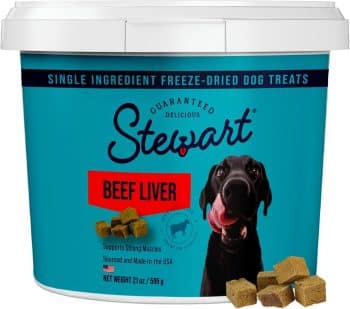
1. High-Value Training Incentives (Case Study: Stewart Freeze-Dried Dog Treats)
Product Type: Single-ingredient freeze-dried liver
Subscription Fit: High (Continuous, predictable consumption)
Primary Benefit: High palatability, clean nutritional profile
Market Dynamics
The treat category has shifted dramatically away from highly processed, grain-filled biscuits toward single-ingredient, minimally processed proteins. Freeze-dried liver treats, such as those produced by Stewart, represent the premium tier of this segment. The freeze-drying process preserves the organoleptic qualities and nutritional density of raw meat without the pathogens associated with raw diets.
Veterinary Analysis
Freeze-dried liver is highly palatable, making it an excellent tool for positive reinforcement training and cognitive rehabilitation. However, veterinarians caution that organ meats are highly caloric and rich in vitamin A.
Treats should never exceed 10% of a dog’s daily caloric intake to prevent nutritional imbalances or obesity. Because training treats are consumed at a highly predictable rate based on active training regimens, they are ideal candidates for Subscribe & Save programs.
2. Orthopedic Rest and Support Systems (Case Study: Bedsure Orthopedic Dog Bed)
Product Type: High-density egg-crate foam mattress
Subscription Fit: Low (One-time purchase with multi-year utility)
Primary Benefit: Joint pressure relief, ergonomic support
Market Dynamics
The pet bedding market has evolved from simple polyester-filled cushions to sophisticated orthopedic systems utilizing medical-grade foams. Products like the Bedsure Orthopedic Dog Bed cater to a growing demographic of senior dogs and breeds predisposed to joint diseases.
Veterinary Analysis
True orthopedic beds utilize high-density memory foam or egg-crate foam to distribute weight evenly, reducing pressure on bony prominences such as the hips, elbows, and shoulders. While these beds improve resting comfort and alleviate pressure sores, they are not a cure for chronic joint diseases.

Any signs of persistent stiffness, difficulty rising, or limping require a comprehensive veterinary evaluation, which may include NSAID therapy, joint supplements, or physical rehabilitation. From a purchasing perspective, bedding represents a durable capital asset rather than a recurring consumable, making it unsuitable for automated subscription models.
3. Enrichment and High-Attrition Playthings (Case Study: Octopus Dog Toys)
Product Type: Squeakerless, stuffing-free plush toys
Subscription Fit: Medium (Periodic replenishment required)
Primary Benefit: Reduced clean-up, instinctual shake-play stimulation
Market Dynamics
The plush toy segment is plagued by rapid product destruction. Traditional toys filled with polyester stuffing present clean-up challenges for owners and ingestion hazards for dogs. Stuffing-free options, such as multi-tentacle octopus toys, leverage a dog’s natural predatory "shaking" instincts without the risk of loose filling.
Veterinary Analysis
No plush toy is indestructible. The primary veterinary concern with soft toys is foreign body obstruction (FBO), a life-threatening condition caused by the ingestion of synthetic fibers, squeakers, or fabric fragments.
Owners must regularly inspect soft toys for structural compromise and discard damaged items immediately. Stuffing-free toys mitigate some ingestion risks, but supervision remains mandatory, especially for aggressive chewers.

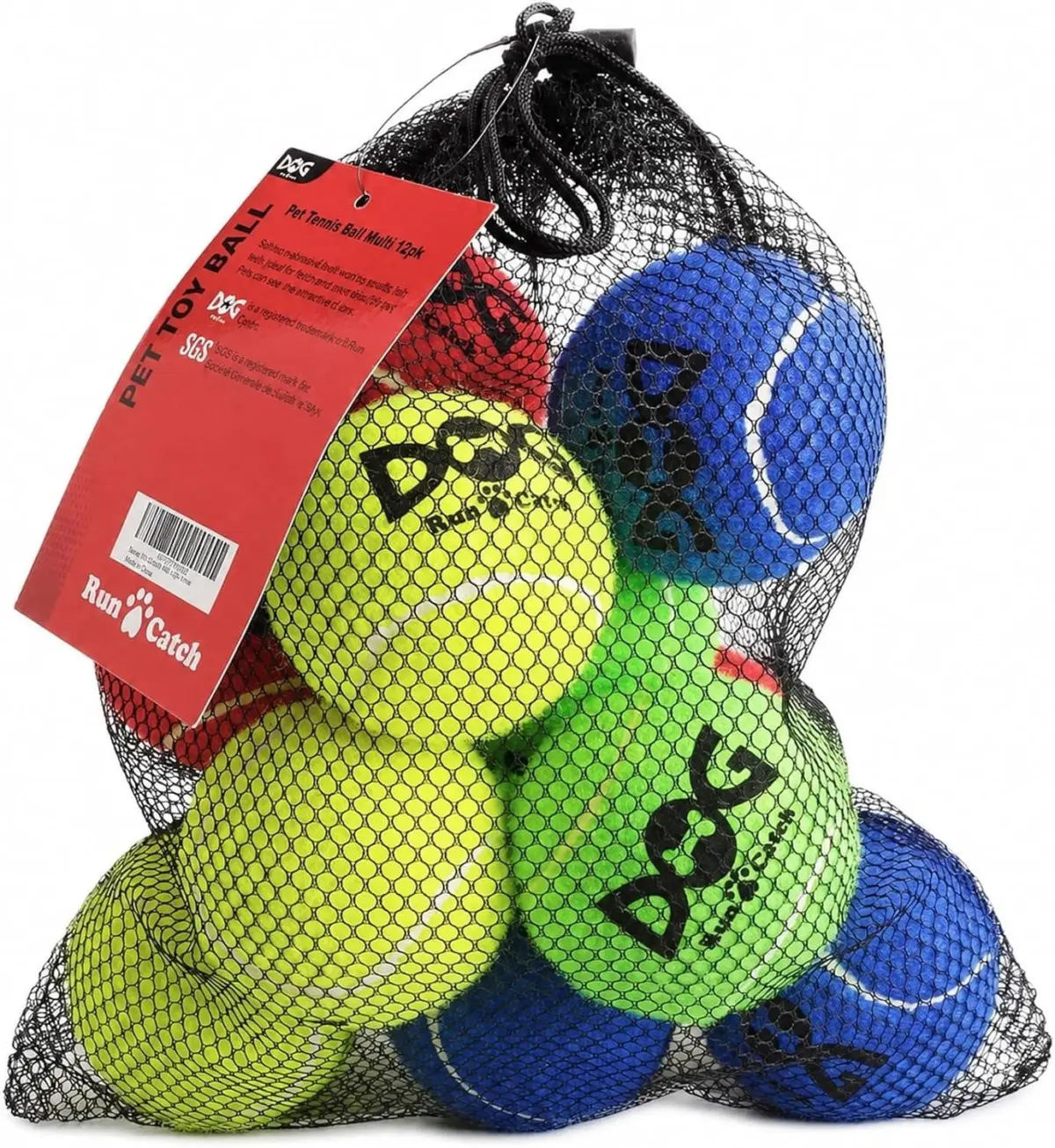
4. High-Volume Consumables & Loss-Leader Items (Case Study: 12-Pack Colorful Dog Balls)
Product Type: Bulk-packaged rubber/felt canine fetch balls
Subscription Fit: Medium-High (High rate of environmental loss)
Primary Benefit: Cost-effective bulk replacement of lost assets
Market Dynamics
Tennis-style balls are the quintessential fetch toy, yet they suffer from a high rate of environmental loss. Dogs routinely misplace balls under furniture, in dense vegetation, or in water bodies. Bulk packaging (such as 12-packs) addresses this issue by lowering the unit cost and ensuring a steady supply of toys.
Veterinary Analysis
Standard recreational tennis balls designed for humans often contain abrasive felt fibers that can wear down canine tooth enamel over time—a process known as dental blunting.
It is critical to purchase balls specifically engineered for dogs, which utilize non-abrasive felt and non-toxic rubber compounds. Additionally, owners must select ball sizes appropriate for their dog’s oral capacity; a ball that is too small can easily be swallowed, obstructing the airway.
5. Nutritional Enhancers & Palatability Boosters (Case Study: Stella & Chewy’s Magical Dinner Dust)
Product Type: Freeze-dried raw meal topper
Subscription Fit: High (Daily dietary integration)
Primary Benefit: Enhanced palatability for geriatric or picky dogs
Market Dynamics
The "meal topper" category has emerged as a premium sub-segment of pet food. It targets consumers who wish to enhance the nutritional value and flavor profile of standard dry kibble without transitioning entirely to a costly raw or fresh diet.

Veterinary Analysis
Toppers are highly effective for stimulating appetite in geriatric dogs, oncology patients, or chronically picky eaters. However, introducing rich raw toppers can trigger gastrointestinal distress in dogs with sensitive stomachs or pre-existing conditions like pancreatitis.
Any new dietary component must be introduced gradually over a 7-to-10-day period. Because toppers are integrated into daily feeding regimens, their consumption rate is highly predictable, making them an excellent candidate for subscription-based replenishment.
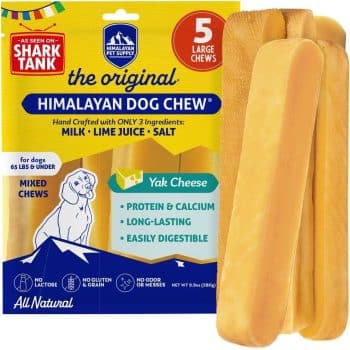
6. Durable Edible Chews (Case Study: Himalayan Yak Cheese Dog Chews)
Product Type: Hardened yak/cow milk cheese blocks
Subscription Fit: High (Regular consumption cycle)
Primary Benefit: Long-lasting dental mechanical abrasion
Market Dynamics
As the health risks associated with traditional rawhide—such as chemical processing and choking hazards—have become widely known, consumers have shifted toward digestible, single-ingredient hard chews. Himalayan yak cheese chews, made from boiled and dried yak and cow milk, are a leading alternative.
Traditional Rawhide (High chemical processing, low digestibility)
                  VS.
Yak Cheese Chews (Minimal ingredients, highly digestible, high durability)
Veterinary Analysis
These chews provide excellent mechanical plaque removal as the dog scrapes its teeth against the hardened cheese. However, because they are exceptionally hard, they carry a minor risk of tooth fractures, particularly of the maxillary fourth premolars.

Supervision is required, and the small remaining piece of a chewed block must be removed to prevent choking. A popular safety tip is to microwave the remaining end piece, causing it to puff up into a digestible, crispy treat.
7. Active Utility and Adventure Gear (Case Study: Ruffwear Front Range Dog Harness)
Product Type: Ergonomic, multi-point adjustment chest harness
Subscription Fit: Low (Durable utility gear)
Primary Benefit: Reduced tracheal pressure, improved canine control
Market Dynamics
The pet outdoor gear market has expanded rapidly, driven by the popularity of hiking and traveling with dogs. Ergonomic harnesses have largely replaced traditional neck collars for active walking, reflecting a growing awareness of canine physical health.
Veterinary Analysis
Traditional collars can exert dangerous pressure on the canine trachea and cervical spine, especially in dogs that pull. This pressure can lead to tracheal collapse, particularly in toy breeds, or exacerbate intraocular pressure in dogs with glaucoma.
A well-fitted, Y-shaped harness like the Ruffwear Front Range distributes pulling forces across the chest and sternum. Accurate measurement of the dog’s ribcage girth is essential to prevent rubbing, chafing, or restriction of shoulder movement.

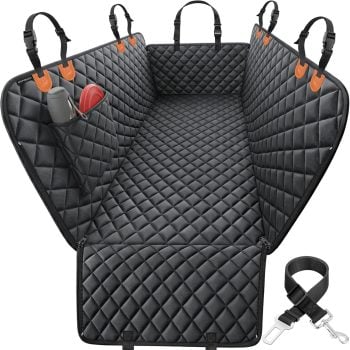
8. Vehicle Interior Preservation Solutions (Case Study: URPOWER Dog Car Seat Cover)
Product Type: Waterproof, heavy-duty Oxford fabric hammock
Subscription Fit: Low (Long-term durable asset)
Primary Benefit: Vehicle protection, containment of pet debris
Market Dynamics
As dogs travel more frequently in passenger vehicles, the demand for interior protection has grown. Heavy-duty, waterproof seat covers protect vehicle upholstery from claws, mud, hair, and moisture, preserving the vehicle’s resale value.
Veterinary Analysis
While seat covers keep vehicles clean and prevent dogs from slipping into the footwells, they do not provide crash protection.
For safety, dogs should be secured using a crash-tested harness connected to the vehicle’s seatbelt system or riding in a secured, crash-tested travel crate. A loose pet in a vehicle can become a dangerous projectile during sudden braking or collisions.
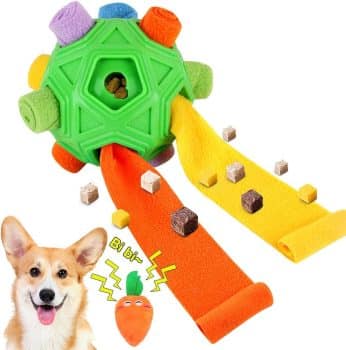
9. Cognitive Stimulation and Foraging Tools (Case Study: Dog Snuffle Ball)
Product Type: Fabric-based interactive puzzle toy
Subscription Fit: Medium (Subject to wear and tear)
Primary Benefit: Mental stimulation, natural foraging expression
Market Dynamics
As canine behavior science highlights the importance of mental exercise, enrichment toys have grown in popularity. Snuffle balls and mats utilize fabric folds to hide dry food, forcing dogs to use their olfactory senses to find their meals.
Snuffle Ball Activity:
1. Hide Kibble ➔ 2. Olfactory Searching ➔ 3. Cognitive Problem Solving ➔ 4. Satiation & Calm
Veterinary Analysis
Olfactory stimulation triggers a positive neurotransmitter release in dogs, reducing stress and helping to calm hyperactive animals. Snuffle toys also slow down rapid eaters, preventing choking and post-meal regurgitation.
However, because these toys are made of fabric, they must be inspected regularly to ensure the dog does not chew and swallow the fleece strips, which can cause intestinal blockages.
10. High-Tech Home Grooming Interventions (Case Study: Oneisall Dog Grooming Vacuum)
Product Type: Integrated clipper and grooming tool vacuum system
Subscription Fit: Low (High-value consumer appliance)
Primary Benefit: Captures loose hair at the source, reduces home dander
Market Dynamics
Rising professional grooming costs have driven a surge in home grooming appliances. Modern systems combine traditional grooming tools—such as clippers and de-shedding brushes—with a vacuum canister to collect loose fur instantly, reducing cleanup time.
Veterinary Analysis
Regular de-shedding is crucial for healthy skin and coat maintenance, as it removes dead undercoat hair that can trap moisture and cause hot spots or matting.

Because grooming vacuums produce noise and suction, dogs must be desensitized to them slowly using positive reinforcement. Forcing an anxious dog into contact with a loud appliance can cause long-term fear and stress.
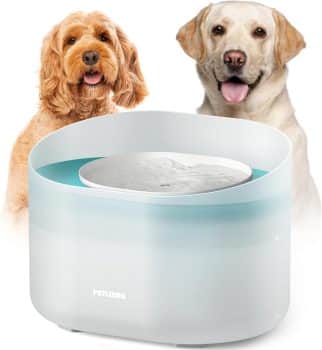
11. Advanced Hydration Systems (Case Study: PETLIBRO Anti-Splash Dog Water Fountain)
Product Type: Multi-stage filtered water fountain
Subscription Fit: Medium (Filters require scheduled replacement)
Primary Benefit: Encourages hydration, keeps water clean
Market Dynamics
Pet hydration has shifted from simple static bowls to automated filtration systems. Continuous water movement prevents stagnation, deters bacterial growth, and encourages pets to drink more water.
Veterinary Analysis
Adequate hydration is critical for kidney function and urinary tract health. Moving water is naturally more appealing to dogs and cats, helping to increase their daily fluid intake.
However, water fountains require regular cleaning and filter replacements to prevent the buildup of slime (biofilm) and bacteria. While fountains are durable goods, the replacement filters are consumable items that benefit from scheduled subscription delivery.
12. Protective Soft Goods & Textile Barriers (Case Study: Bedsure Waterproof Dog Blankets)
Product Type: Dual-sided waterproof fleece blanket
Subscription Fit: Medium (Periodic replacement for hygiene)
Primary Benefit: Protects home furniture from moisture and stains
Market Dynamics
Waterproof pet blankets provide a protective barrier for home furniture, beds, and pet crates. They feature an internal waterproof membrane that prevents liquids—such as urine, drool, or wet mud—from seeping through to the surfaces beneath.
Veterinary Analysis
Waterproof blankets are highly useful for managing incontinent senior pets or puppies during house training. They help maintain a clean, hygienic environment, which is vital for preventing urine scald and skin infections in dogs with limited mobility.
These blankets must be washed regularly using pet-safe, unscented detergents to avoid irritating sensitive canine skin.
13. Secondary Utility Assets: The Unboxing Phenomenon (The Amazon Box)
Product Type: Corrugated cardboard shipping container
Subscription Fit: Automatic (Bundled with every delivery)
Primary Benefit: Cost-free environmental enrichment
Market Dynamics
While e-commerce packaging is typically viewed as waste, pet owners have long recognized the secondary value of shipping boxes. Cardboard boxes are frequently repurposed as temporary enrichment toys, shredding activities, or hiding spots for pets.
Veterinary Analysis
Shredding cardboard is a natural, satisfying behavior for many dogs, serving as an outlet for physical energy and stress.
However, owners must remove all packing materials—such as plastic tape, shipping labels, staples, and packing peanuts—before letting a dog play with a box. Close supervision is necessary to ensure the dog does not swallow the cardboard, which can cause intestinal blockages.
Supporting Context & Metrics: The Economics of Pet Care Subscriptions
The rapid growth of the digital pet care market is driven by compelling economics. An analysis of consumer behavior, subscription metrics, and market share reveals why major e-commerce platforms invest heavily in this segment.
Pet Care E-Commerce Market Share (US)
Online sales now account for over 35% of the total pet market, with Amazon and Chewy holding the largest shares.

[Chewy: 41%] ➔ [Amazon: 38%] ➔ [Traditional Retailers (Petco/PetSmart Online): 13%] ➔ [Others: 8%]The Financial Power of "Subscribe & Save"
For platforms like Amazon, pet supplies are highly valuable because of their recurring nature. Unlike one-time electronics purchases, pet food and treats are consumed on a predictable schedule, providing steady, reliable revenue.
| Metric | One-Time Purchase | Automated Subscription (Subscribe & Save) |
|---|---|---|
| Customer Retention Rate | Low (20-30% annual retention) | High (75-85% annual retention) |
| Average Order Value (AOV) | Variable | Consistently higher due to bundled items |
| Customer Lifetime Value | Moderate | High (Predictable multi-year revenue) |
| Marketing Acquisition Cost | High (Requires constant re-targeting) | Low (Single acquisition, automated renewal) |
Expert Perspectives
The Industry Analyst’s View
"Pet supplies are highly resilient to economic downturns. Even during inflation, consumers rarely cut spending on their pets’ core health and nutrition. E-commerce platforms leverage this steady demand by offering convenience discounts. Once a customer sets up a subscription for pet food, they are highly unlikely to cancel, giving retailers a highly predictable stream of recurring revenue."
— Dr. Linda Mercer, Principal Analyst at Retail Metrics Group
The Veterinary Perspective
"E-commerce has made it much easier for owners to access specialized diets, orthopedic bedding, and mental enrichment toys that support animal welfare. However, convenience should not replace veterinary care. Automated delivery of food or supplements should be adjusted as a pet’s health and age requirements change. Regular veterinary checkups remain essential to ensure these products continue to meet the pet’s needs."
— Dr. Elizabeth Vance, DVM, DACVIM
Future Outlook: The Next Generation of Pet Care E-Commerce
The intersection of e-commerce and pet care will continue to evolve, driven by technological advancements and shifting consumer preferences.
[IoT Hydration/Feeding] ➔ [AI-Driven Health Tracking] ➔ [Automated Delivery Adjustments]1. Smart Home Integration and IoT Replenishment
The next phase of pet e-commerce will connect smart appliances directly to delivery networks. Future water fountains and smart feeders will monitor water levels, filter life, and food consumption in real-time. When supplies run low, these devices will automatically place orders through services like Amazon’s smart replenishment network, removing the need for manual ordering.
2. Personalized Nutrition and Health Tracking
As DNA testing and wearable activity trackers for pets become more common, e-commerce subscriptions will become highly personalized.
Instead of ordering standard food bags, subscription algorithms will analyze a dog’s daily activity levels, age, and genetic profile to deliver customized portion sizes and nutrient blends directly to the owner’s door.
3. Sustainable and Eco-Friendly Logistics
The environmental impact of e-commerce—particularly packaging waste and delivery vehicle emissions—is facing increased scrutiny.

In response, retailers will prioritize ultra-concentrated formulas, biodegradable packaging materials, and optimized local delivery routes to reduce the carbon footprint of heavy pet supply shipping.
Conclusion
The digital pet economy represents a perfect alignment of consumer convenience, business profitability, and pet enrichment. While the convenience of fast shipping and automated subscriptions appeals to owners, the steady flow of high-quality food, orthopedic support, and interactive playthings directly benefits the physical and mental well-being of companion animals.
As technology continues to integrate with pet care, the digital pipeline will become even more personalized, proactive, and efficient, cementing its role in modern pet ownership.