
Executive Overview
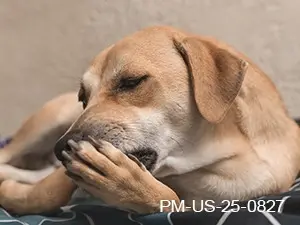
The landscape of veterinary medicine is undergoing a profound dual transformation, defined simultaneously by major breakthroughs in clinical therapeutics and shifting economic realities for practice owners. On the clinical front, the management of canine and feline dermatological conditions—specifically allergic and atopic dermatitis—has entered a new era of convenience and efficacy. Innovations in once-daily treatments are transforming the standard of care, offering rapid relief from debilitating itch and improving the quality of life for countless patients.
Simultaneously, veterinary practice management is confronting a complex macroeconomic environment. While broader economic indicators show signs of stabilization, consumer spending remains guarded. Veterinary practices can no longer rely on traditional pricing strategies or organic client volume increases to drive revenue. Sustainable expansion now demands sophisticated economic navigation, strategic adaptation, and deep operational insights.
This comprehensive report explores these twin pillars shaping the modern veterinary sector: the rapid advancements in targeted dermatology and the forward-looking economic strategies required to scale veterinary practices effectively through the remainder of the decade and beyond.
Detailed Chronology: The Evolution of Dermatological Care and Practice Economics
To understand where the veterinary industry stands today, it is essential to trace the trajectory of how chronic disease management and practice economics have converged over recent years.
The Shift Toward Precision Dermatology
For decades, managing atopic dermatitis and allergic skin diseases in companion animals was an exercise in compromise. Corticosteroids offered fast relief but carried heavy long-term systemic side effects. Early non-steroidal alternatives improved safety profiles, but dosing complexities, variable efficacy, and delayed onset of action often left pets suffering through prolonged itch-scratch cycles.
- The Early 2010s: The introduction of targeted immunomodulating therapies shifted the paradigm from broad-spectrum immune suppression to targeted molecular intervention. Veterinarians gained the ability to interrupt the specific cytokine pathways responsible for the sensation of itch (pruritus).
- The Mid-to-Late 2010s: Extended-release formulations and monoclonal antibody therapies entered the market, reducing the burden of frequent medication administration for pet owners and improving compliance.
- The Current Era (2025–2026): Modern therapeutics have refined this approach even further. The latest generation of treatments combines high efficacy with streamlined, once-daily administration regimens. These formulations are specifically engineered to target the inflammatory cascades of allergic dermatitis at their root, resulting in visibly improved itch relief within remarkably short timeframes. This clinical milestone minimizes discomfort and dramatically reduces secondary skin infections associated with chronic trauma.
The Economic Transformation of Practice Management
Parallel to these clinical advancements, the business of veterinary practice has experienced seismic shifts, particularly in the post-pandemic era.
- 2021–2023: Driven by the "pandemic pet" boom and an initial surge in disposable income, veterinary practices experienced unprecedented demand. Pricing adjustments were easily absorbed by enthusiastic clients, and revenue growth often masked underlying operational inefficiencies.
- 2024–2025: As inflationary pressures took hold and consumer confidence cooled, the veterinary sector faced a notable cooling-off period. Client visit frequencies plateaued or declined, and price resistance emerged as a significant hurdle. Practices that relied solely on blanket price increases to maintain margins began to see client retention drop.
- Late 2026: The industry has entered a maturation phase. While the broader macroeconomic environment shows stabilization, consumer caution has become the permanent baseline. Veterinary leaders realize that the old growth equation—more patients plus higher prices—is no longer viable. Success now hinges on strategic optimization, economic literacy, and delivering undeniable value through both medical excellence and client communication.
Supporting Context & Metrics: Understanding the Data
Navigating the modern veterinary landscape requires a firm grasp of the metrics governing both pet health trends and clinic economics.
The Burden of Atopic Dermatitis
Dermatological complaints remain among the most frequent reasons for veterinary visits globally. Industry data consistently demonstrates that:
- Approximately 10% to 15% of the canine population suffers from atopic dermatitis, making it one of the most common chronic inflammatory skin conditions seen in clinical practice.
- Up to 40% of all dermatology consultations are repeat visits driven by chronic, relapsing pruritus.
- Client compliance directly correlates with dosing simplicity. Studies in veterinary behavior and pharmacology indicate that once-daily treatment protocols increase owner compliance by nearly 35% compared to multi-dose or complex tapering regimens. Fast-acting relief is particularly critical for client retention; owners who witness a rapid reduction in their pet’s suffering are significantly more likely to adhere to long-term management plans.
The Macroeconomic Reality of Practice Growth
According to leading veterinary economists, the current economic climate requires a fundamental re-evaluation of key practice performance indicators (KPIs):
- Client Visit Frequency (CVF): CVF has experienced downward pressure across general practices. Clinics can no longer assume clients will visit multiple times a year for routine preventative care without deliberate engagement strategies.
- Realized Fee Growth: Practices must balance inflation-driven operational costs with consumer price sensitivity. Pushing prices upward without enhancing the perceived value of the veterinary experience leads to client attrition.
- Operational Efficiency: Labor costs, pharmaceutical inventory management, and overhead require rigorous tracking. Clinics that leverage advanced practice management software and optimize team utilization are outperforming those relying on legacy operational models.
Official Statements and Industry Insights
As the industry adapts to these dual clinical and economic pressures, thought leaders and veterinary economists are weighing in on the path forward.

Perspectives on Advanced Dermatological Therapies
Veterinary dermatologists have long emphasized the psychological toll that chronic pruritus takes on both pets and their human families.
"When an animal suffers from unremitting itch, the entire household dynamic is disrupted," notes a leading veterinary dermatologist. "Sleep is lost, behavioral changes occur, and the pet’s skin barrier breaks down, inviting secondary bacterial and fungal infections. Having access to a treatment that can be administered just once a day and delivers visibly fast relief changes the therapeutic conversation. It allows us to break the itch-scratch cycle before irreversible epidermal damage occurs, restoring comfort to the patient and peace of mind to the owner."
Perspectives on Practice Growth and Economics
Addressing the structural changes in the veterinary economy, veterinary economist Matt Salois, PhD, highlights the necessity for a new growth mindset. In upcoming leadership forums, such as the widely anticipated VMG Demo-Cast titled "The New Growth Equation: How Veterinary Practices Grow From Here," Dr. Salois explores the modern challenges facing clinic owners.
"Veterinary medicine is entering a fascinating and challenging phase of growth," Dr. Salois explains. "While the broader economy shows positive signals, the consumer mindset remains cautious. Veterinary visits are under pressure, and practice leaders can no longer rely on the pricing strategies that drove success in recent years. To grow in this environment, practices must look beyond conventional metrics and embrace innovative operational models that deliver clear value, optimize efficiency, and foster long-term client loyalty."
Future Outlook: Where Veterinary Medicine is Headed
Looking toward the remainder of the decade, the convergence of advanced therapeutics and sophisticated economic strategy will define the most successful veterinary practices.
1. The Rise of Personalized and Simplified Therapeutics
The future of veterinary pharmacology clearly points toward convenience, speed, and safety. As pharmaceutical research continues to decode inflammatory pathways, treatments will increasingly focus on minimizing the administration burden. For conditions like atopic dermatitis, once-daily—and eventually long-acting injectable—options will become the gold standard. This shift will not only improve clinical outcomes but also strengthen the human-animal bond by reducing the daily stress associated with medicating pets.
2. Data-Driven Practice Management
To combat flatlining client visit frequencies and cautious consumer spending, veterinary practices will need to adopt business intelligence tools historically reserved for human healthcare and corporate retail. Predictive analytics will help clinics identify at-risk clients, streamline inventory to reduce holding costs, and optimize staffing schedules around peak demand times.
3. Elevating the Client Experience
In a market where consumers are careful with their expenditures, the perceived value of veterinary care must be crystal clear. Practices that pair cutting-edge medical treatments—such as fast-acting dermatological therapies—with transparent communication, educational resources, and seamless digital check-in processes will stand out.
Ultimately, the health of the veterinary industry depends on its resilience and adaptability. By embracing therapeutic innovations that deliver rapid relief to suffering patients and adopting strategic economic models to navigate a cautious marketplace, veterinary professionals are well-positioned to meet the challenges of 2026 and beyond with confidence.