
Executive Overview
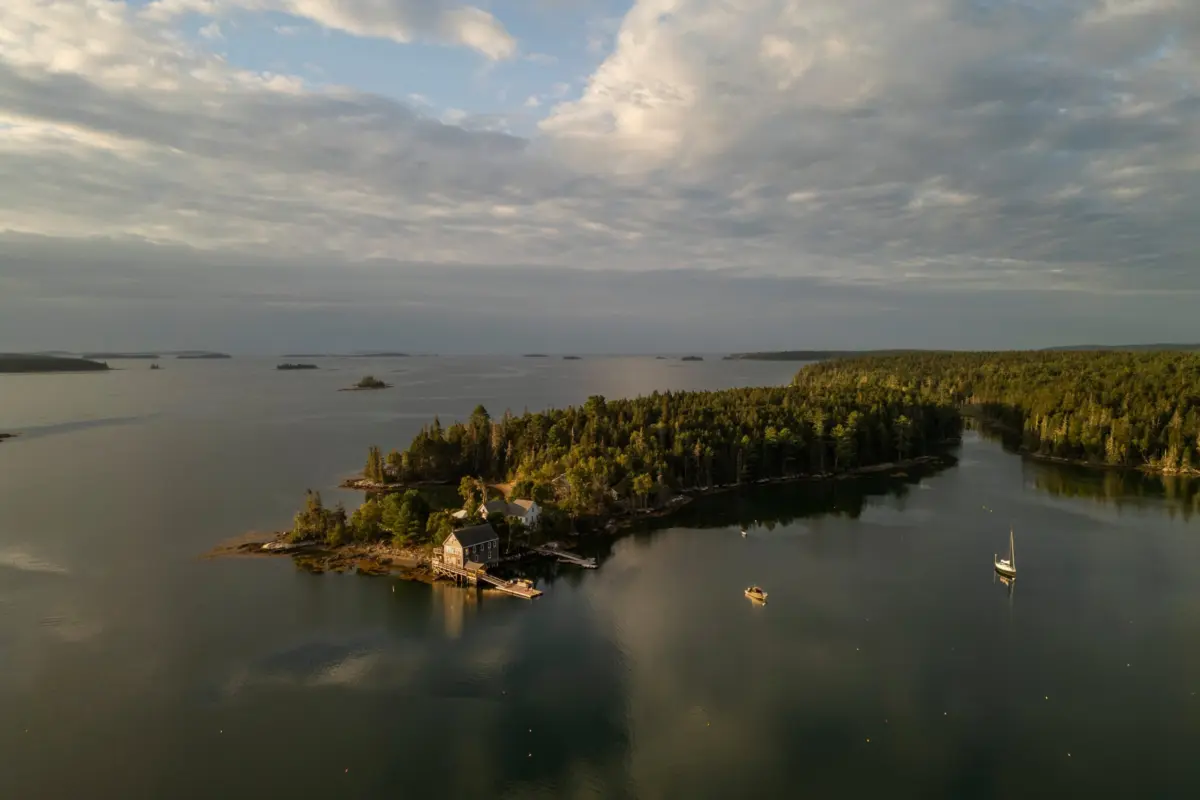
Nestled within the serene, mist-shrouded spruce forests of Muscongus Bay in Maine, Hog Island stands as a monument to American conservation history. For ninety years, this storied landscape has served as the cradle of modern nature education, operating as the National Audubon Society’s very first nature camp. Recently, over 200 historians, environmentalists, campers, alumni, and passionate volunteers converged on the island to celebrate a remarkable milestone: the 90th-anniversary celebration of the Hog Island Audubon Camp, held from August 20th to the 23rd.
The multi-day milestone event was more than a mere look backward; it was a vibrant, forward-looking symposium that brought together generations of environmental stewards. Attendees evaluated the enduring legacy of a sanctuary born out of the Great Depression, marveled at the resilience of an ecosystem marked by ancient "wolf trees" and dramatic New England weather events, and charted an ambitious course for the next decade of avian and habitat conservation.
Powered by the relentless dedication of the Friends of Hog Island (FOHI)—a volunteer community whose contributions form the backbone of the camp’s operational success—Hog Island continues to thrive. As climate pressures mount and global biodiversity faces unprecedented threats, the lessons forged along the rocky shores of this Maine island remain more critical than ever. This comprehensive report explores the rich tapestry of Hog Island’s past, the human-driven engine of its present, and the bright, strategic vision guiding its future.
Detailed Chronology: From Wabanaki Shores to Audubon’s Crown Jewel
The Deep Roots of the Land: Pre-Colonial and Agricultural Eras
Long before it became a sanctuary for birders and poets, Hog Island bore witness to centuries of ecological and human history. The island’s ancient spruce forests harbor silent witnesses known to forest ecologists as "wolf trees." These are massive, wide-spreading trees that stand out sharply among the surrounding second-growth timber.
During the eras when New England forests were systematically clear-cut to create grazing pastures for livestock, a single, dominant tree was frequently left standing to provide critical shade for herds. Released from the fierce competition of a dense canopy, these trees developed extraordinarily wide, sweeping branches—resembling, as naturalists often note, "creatures without kin."
Those wolf trees that survived centuries of environmental pressures now stand as elder statesmen across the landscape. They have silently observed:
- The indigenous Wabanaki people harvesting rich coastal shellfish beds.
- Early European settlers and farmers tending sheep, cattle, and hogs on the cleared pastures.
- The natural succession of spruce saplings reclaiming the land to regenerate a dense, healthy forest.
- Generations of artists, poets, and ornithologists treading softly through the mossy understory.
- Cataclysmic weather events, including the devastating hurricane of 1952 and the fierce nor’easter of 2024.
- The joyous laughter of summer campers juxtaposed against the stealthy movements of native wildlife, including white-tailed deer and porcupines.
The Visionaries: Mabel Todd, Millicent Todd Bingham, and Literary Legacies
The transformation of Hog Island into a protected ecological sanctuary is inextricably linked to the visionary tenacity of two remarkable women: Mabel Loomis Todd and her daughter, Millicent Todd Bingham. Mabel was a fiercely independent, worldly intellectual who traveled extensively across the globe alongside her husband, David Todd, an eminent astronomer. Remnants of their global journeys still whisper through the island today; most notably, striking Japanese torii arches mark the threshold of the island’s sacred, natural sanctuaries.
Beyond her travels, Mabel left an indelible mark on American literature as the original editor and publisher of the enigmatic poet Emily Dickinson. Following Mabel’s passing, Millicent Todd Bingham carried forward her mother’s literary torch, conducting much of the meticulous editorial work during long, contemplative summer retreats on Hog Island. This enduring literary affinity established a rich artistic legacy on the island—a tradition that lives on today through the Bingham cottages, which annually host prestigious writer-in-residence programs.
The Great Depression and the Birth of a Movement
It was the shared dream of Mabel and Millicent to shield the pristine natural beauty of Hog Island from commercial exploitation and preserve it intact for future generations. When Mabel passed away in 1932, Millicent assumed the mantle of this monumental mission.
Navigating the harrowing economic headwinds of the Great Depression, Millicent spent years searching for a national institution capable of matching her conservation vision. Her persistence finally paid off in 1936 when she forged a historic partnership with John Baker, the visionary leader of the National Audubon Society. Baker agreed to help protect the island’s fragile ecosystems and establish an innovative nature training camp specifically designed for educators.
Thus, the Hog Island Audubon Camp was born. What began as a bold experiment in experiential environmental education has spent nine decades evolving into a globally recognized beacon for nature educators, ornithologists, and conservation enthusiasts.
Supporting Context & Metrics: The Engine of Preservation
The Friends of Hog Island (FOHI): The Backbone of Stewardship
While institutional leadership provided the framework, the day-to-day vitality and physical survival of the Hog Island camp have long relied upon an extraordinarily dedicated grassroots community: The Friends of Hog Island (FOHI).
FOHI has been instrumental in securing the camp’s financial health through targeted fundraising campaigns and the establishment of the Audubon Hog Island Endowment. The numbers behind their impact are staggering:
- Thousands of volunteer hours contributed annually every single summer to maintain trails, repair historic buildings, and manage camp logistics.
- Significant annual financial contributions bridging operational funding gaps and ensuring access through scholarship programs.
- Countless in-kind donations, ranging from specialized equipment to professional labor, keeping the island’s infrastructure resilient against harsh coastal weather.
A Night of Role Reversal: The FOHI Appreciation Dinner
Recognizing that volunteer burnout is a genuine threat to grassroots organizations, the 90th-anniversary celebration kicked off with a heartwarming tribute. Attendees of past camp sessions understand intimately that FOHI volunteers are the invisible gears turning the operation—handling everything from complex meal preparation and dietary coordination to dining hall distribution and post-meal cleanups.
In a clever, Freaky Friday-style role reversal on August 21st, the professional National Audubon Society staff stepped entirely out of their administrative and educational roles to take over kitchen duties. Audubon staff chopped, cooked, served, and cleaned, allowing the exhausted and dedicated FOHI members to sit back, relax, and fully immerse themselves in the evening’s programming without lifting a finger. It was a poignant gesture of institutional gratitude that highlighted the deeply collaborative culture of the island community.
Official Statements & Symposium Insights
Following the appreciation dinner, the historic Fish House hosted a premier evening panel discussion entitled "The Future is Bright at Hog Island." The panel brought together prominent voices in modern conservation to dialogue with an engaged audience of staff, campers, and alumni:
- Marshall Johnson, Chief Conservation Officer for the National Audubon Society.
- Maggie Dewane, veteran Hog Island Instructor.
- Anthony Hill, Camp Instructor and FOHI Board Member.
Key Thematic Takeaways from the Panel
The conversation pushed participants to look beyond the nostalgia of the past 90 years and dream boldly about the next decade.
"Hog Island is not merely a geographic location or a seasonal summer camp; it is a living laboratory of empathy. When we bring educators, children, and scientists together under the canopy of these ancient spruces, we are instilling a generational muscle memory of care. The resilience we need to fight modern ecological collapse starts right here, in the quiet observation of a single nesting seabird or the rings of an ancient wolf tree," noted Marshall Johnson during the opening remarks.
Panelists emphasized several strategic imperatives for the future:
- Expanding Accessibility: Leveraging the endowment to bring historically underrepresented youth and educators from urban centers to the Maine coast.
- Climate Adaptation Science: Turning the island’s coastal ecosystem into an active site for climate resilience monitoring, tracking shifting bird migration patterns and rising sea levels.
- Technological Integration: Pairing time-tested, boots-on-the-ground field naturalism with modern digital archiving (such as the FOHI Digital Archive project) to ensure institutional memory remains accessible globally.
Future Outlook: A Living Legacy for the Next Century
The 90th Anniversary Open House
On Saturday, August 22nd, the celebration culminated in a vibrant Open House that welcomed the broader public and alumni back to the grounds. The event featured a classic lineup of quintessential Hog Island experiences:
- Expert-led educational talks and bird-banding demonstrations.
- Guided nature walks through the spruce-fir forests and rocky intertidal zones.
- Deeply emotional reunions between multi-generational staffers and campers—some of whom walked the very same trails during the camp’s formative decades in the mid-20th century.
Watching modern children frolic through the fern-laden understory while seasoned birders shared spotting scopes with wide-eyed novices proved that Hog Island’s fundamental mission remains unbroken. It is a sanctuary where human curiosity meets the untamed majesty of the natural world, bridging generational divides through a shared reverence for wildlife.
The Ripple Effect of Conservation Education
As the 90th-anniversary celebrations drew to a close, the prevailing sentiment across Muscongus Bay was one of profound gratitude and resolute optimism. The seed planted by Mabel Loomis Todd and Millicent Todd Bingham nearly a century ago has grown into a mighty oak—or, fittingly, a sprawling spruce wolf tree—casting its protective shade far beyond the physical boundaries of the island.
The ripple effects of a single week spent immersed in Hog Island’s educational programming travel across the globe. Campers return to their home communities as passionate advocates; teachers return to classrooms equipped with experiential tools that ignite ecological literacy in thousands of students; and researchers leave with sharper insights into avian conservation.
The National Audubon Society and the Friends of Hog Island extend their deepest thanks to every instructor, volunteer, donor, staff member, and camper who has contributed to this miraculous ninety-year run. As Hog Island looks toward its centenary, one truth remains abundantly clear: the future of bird conservation and environmental stewardship is bright, rooted deeply in the resilient soil of Maine, and sustained by an unbroken chain of human care.