For decades, popular culture has unfairly categorized domestic felines as aloof, solitary creatures largely indifferent to the comings and goings of their human caregivers. While dogs have long been celebrated for exuberant, highly visible homecomings, recent behavioral observations and feline studies suggest a more nuanced reality. When a preferred human companion is away, cats register the disruption deeply—not necessarily through human-like emotional longing, but through acute awareness of altered routines, shifting acoustic environments, and the absence of familiar olfactory markers.
Upon a caregiver’s return, bonded felines frequently initiate specific, observable reunion behaviors. These range from waiting vigilantly by the entryway and scent-marking belongings to orchestrating vocal greetings and adopting "shadow-like" tracking habits. This comprehensive investigative report explores the behavioral science behind feline homecoming rituals, dissecting how environmental cues, sensory recognition, and social attachments shape the everyday lives of our feline companions.
Detailed Chronology: The Arc of Feline Separation and Re-engagement
To understand how cats respond to an absent owner, animal behaviorists evaluate the experience through a chronological lens, broken down into the phases of absence, the anticipation of return, and the immediate post-reunion cycle.
Phase 1: The Period of Absence and Environmental Shift
When a primary caregiver leaves the home, the immediate household environment shifts dynamically. Cats, which are creatures of habit and master observers of human domestic patterns, quickly detect the cessation of specific audio-visual cues—such as the unique cadence of footsteps, the rustle of workwear, or the predictable timing of morning schedules.
During this interval, some felines adapt by entering conservation mode, spending extended hours resting in familiar, secure areas. Others actively seek out residual comfort. They navigate to areas carrying the highest concentration of human scent, such as beds, couches, or discarded clothing. While this behavior is fundamentally driven by a search for security, warmth, and olfactory reassurance, it underscores how deeply integrated human scent markers are into the cat’s landscape of safety.
Phase 2: The Anticipation of Return
As the typical hour of a human’s return approaches, behavior patterns frequently shift. Cats known for their deep social bonds often migrate toward high-visibility zones within the home, most notably the front entryway, mudroom, or hallway.
This behavior is rooted in associative learning and acute sensory perception. Long before a human unlocks the door, cats can detect subtle environmental precursors—the distinct hum of a familiar vehicle pulling into the driveway, the vibration of footsteps on an exterior path, or the metallic jingle of keys. Rather than counting down the hours chronologically, the cat recognizes a familiar acoustic sequence that reliably precedes social interaction, setting the stage for an active reunion.
Phase 3: The Immediate Post-Reunion Window
The moment the door opens, the cat transitions from anticipation to active re-engagement. This phase is characterized by a high-intensity burst of behavioral expressions designed to restore social homeostasis. Depending on the individual cat’s temperament, this may manifest as vocal chirps and trills, insistent cheek rubbing to commingle scents, or a sudden, unwavering determination to follow the returning human from room to room.
Behavioral Expressions: How Cats Express the Return of Familiar Companionship
Behavioral specialists categorize post-separation feline actions into several distinct clusters. Understanding these responses helps human caregivers distinguish between normal social reconnection and potential stress-related behaviors.
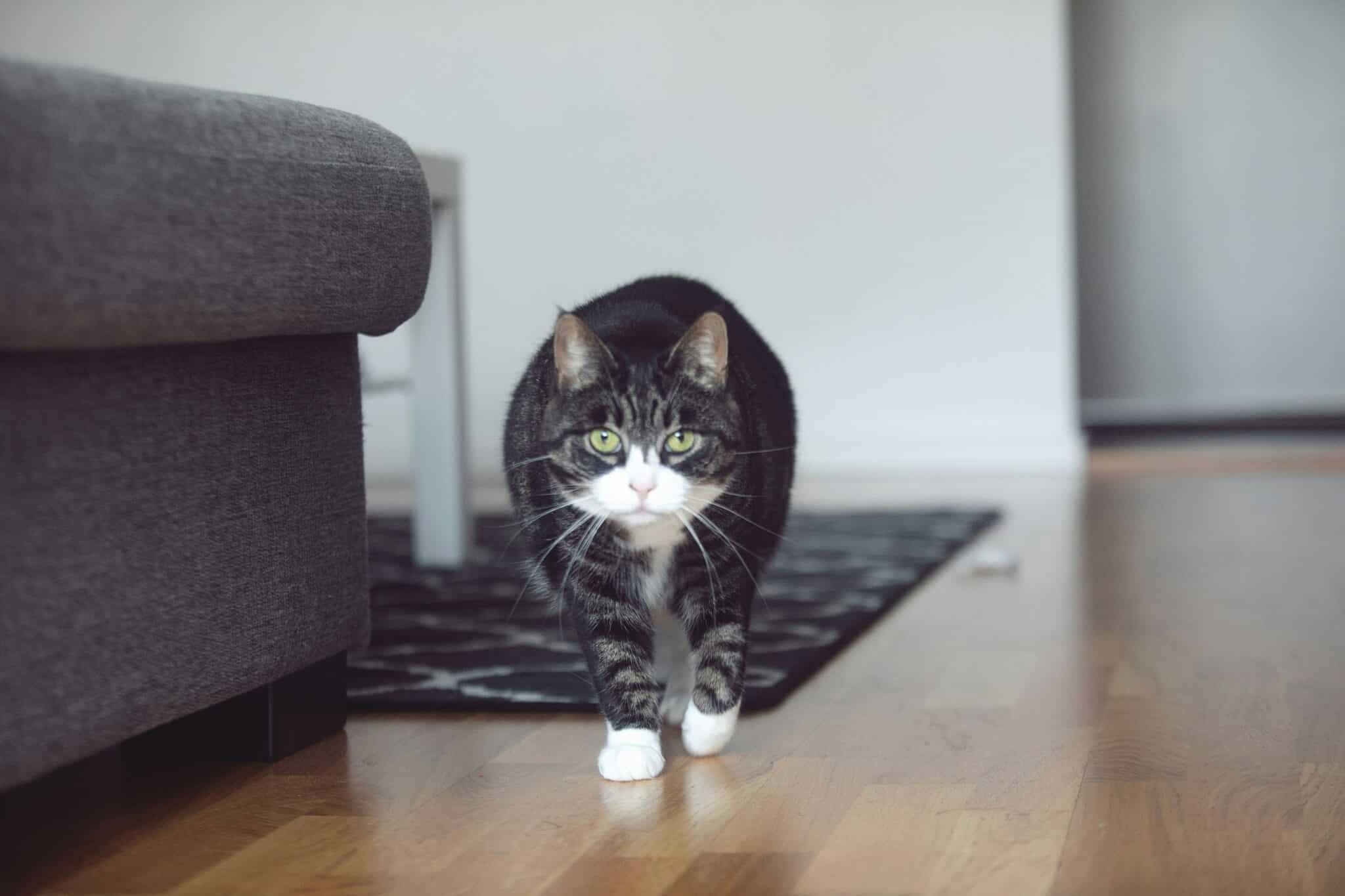
1. Sentinel Positioning Near the Entryway
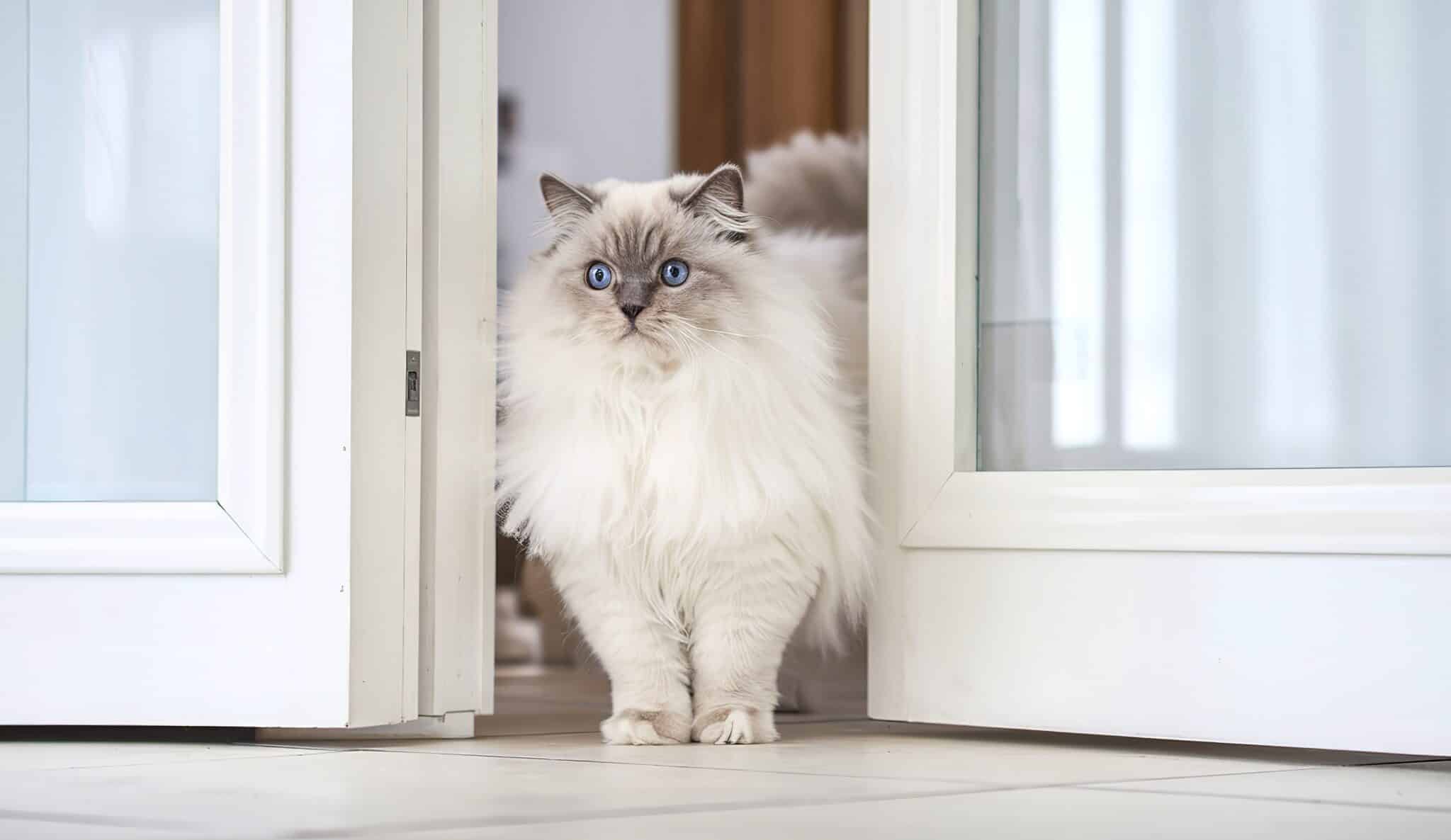
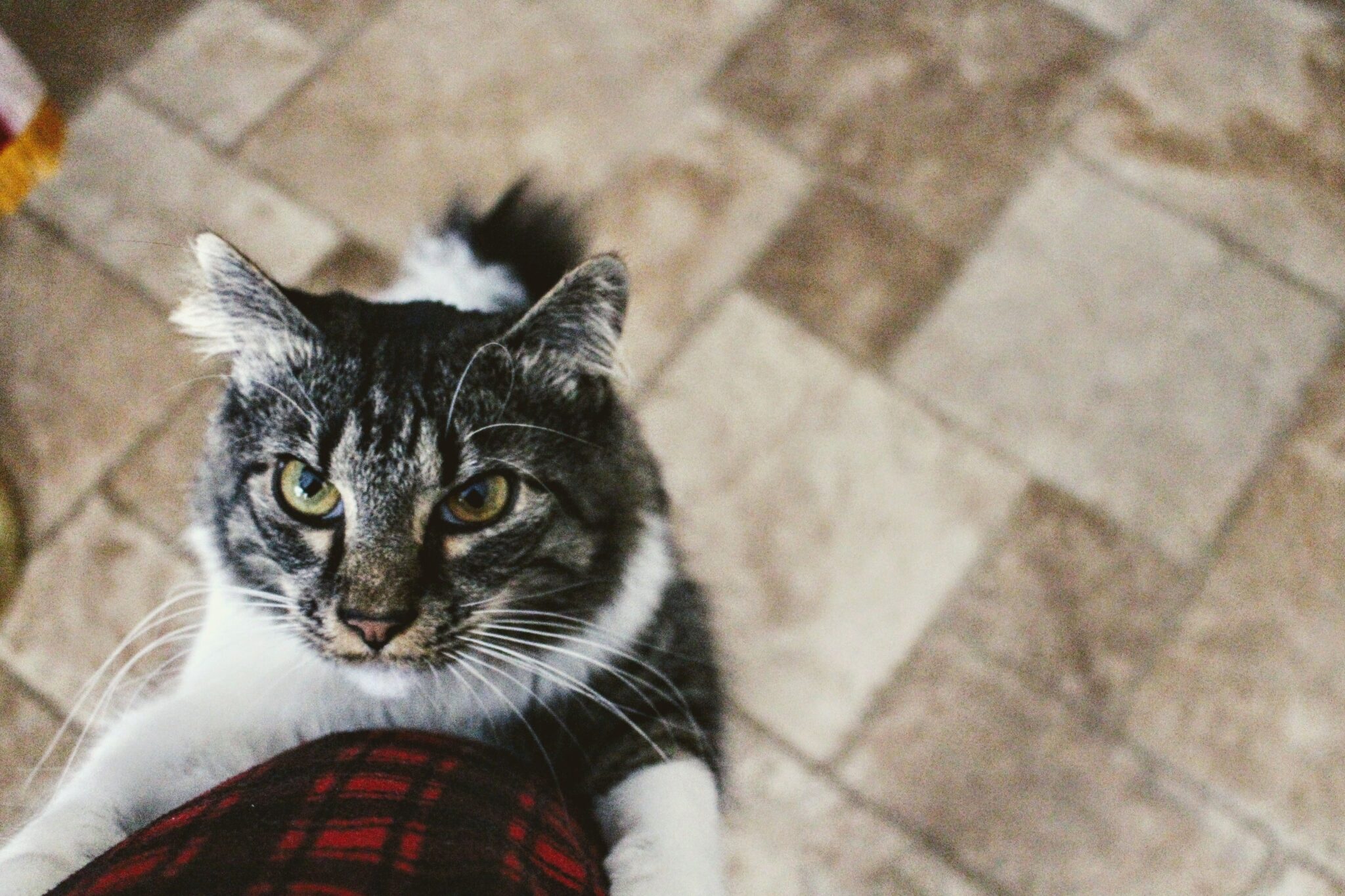
A cat settling vigilantly beside the front door is not merely wasting time; they are positioning themselves at the epicentre of anticipated sensory input. Because the entrance serves as the primary threshold where familiar smells, sounds, and faces reappear, it transforms into an anchor point for reunion routines.
2. The "Shadow" Phenomenon and Room-to-Room Tracking
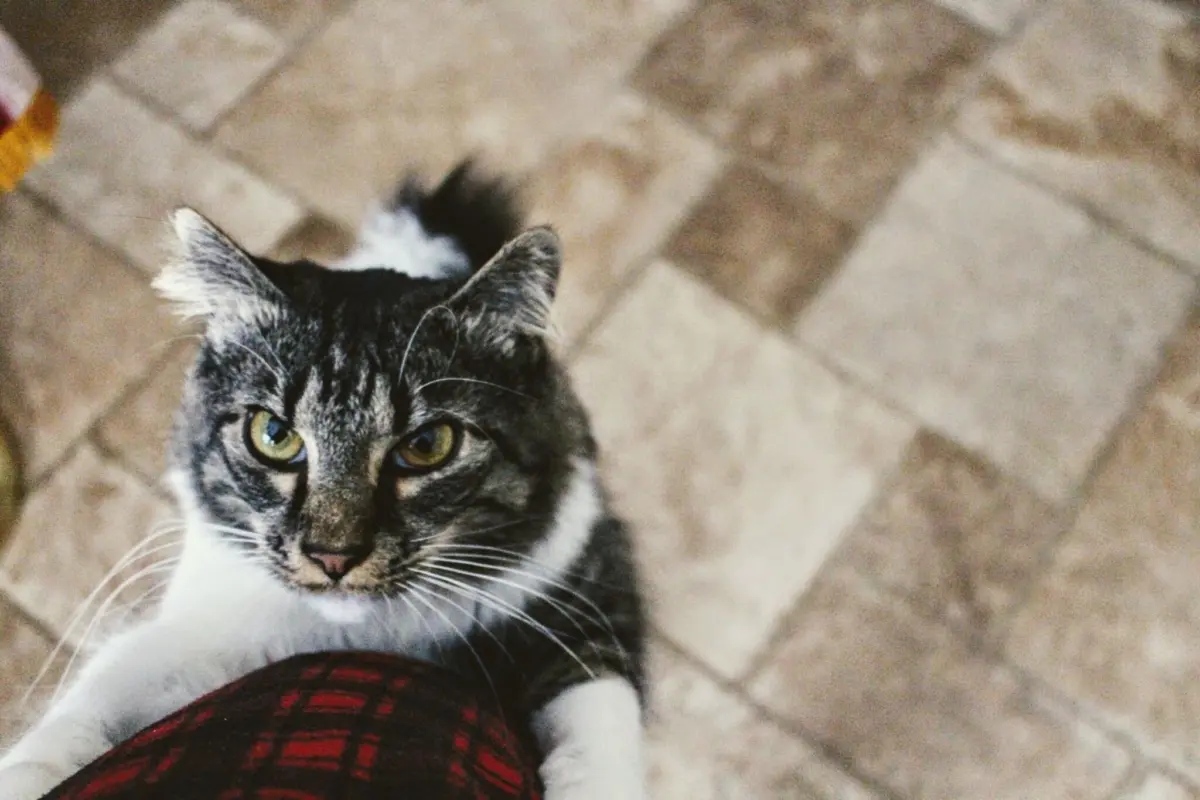
Upon a human’s arrival, previously independent cats frequently transform into domestic shadows. Following a caregiver from the kitchen to the home office satisfies both social curiosity and the desire for renewed contact. Furthermore, cats quickly learn that a human’s return often coincides with predictable rewards, such as meal service, interactive play, or quiet companionship.
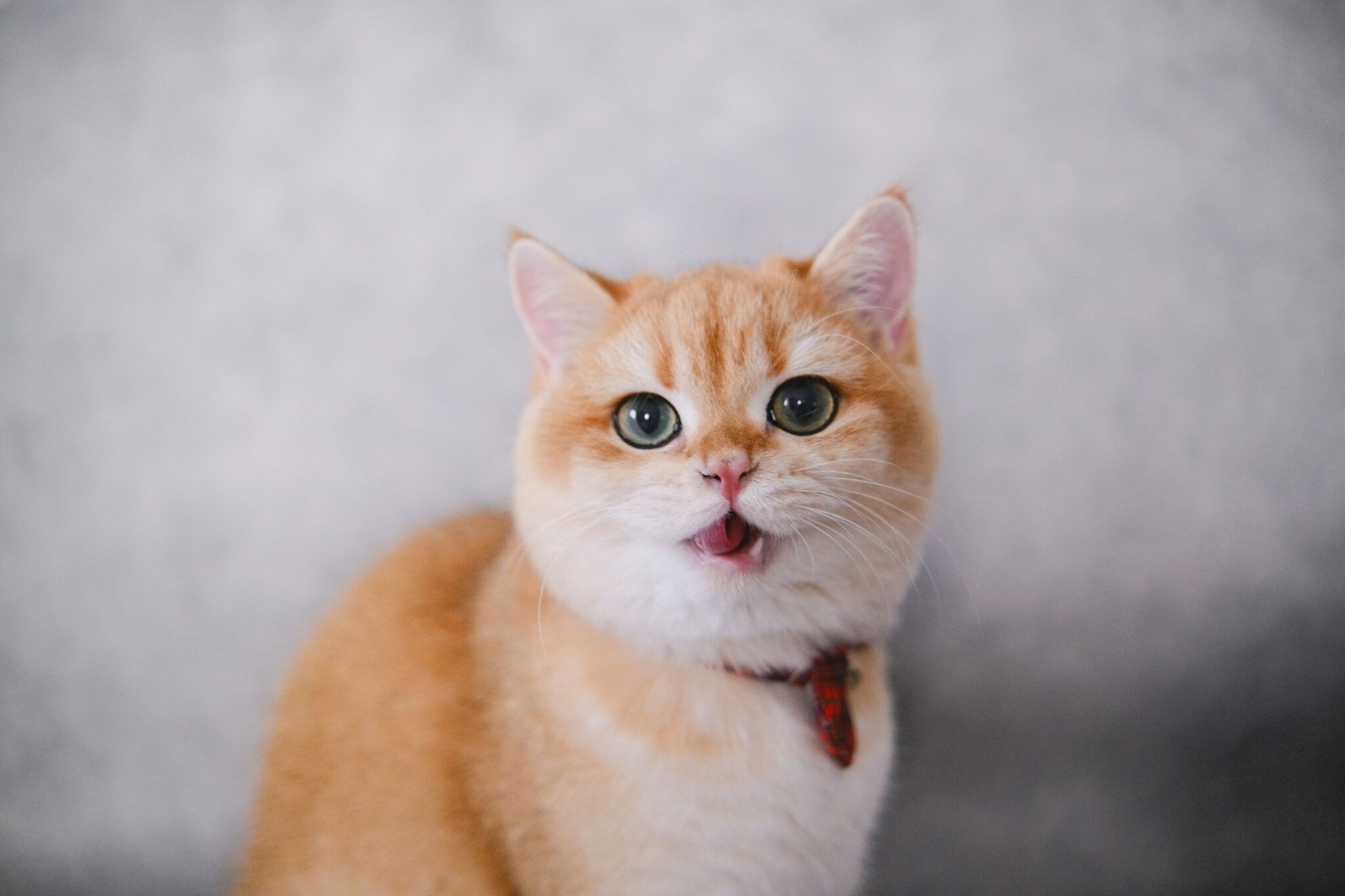
3. Vocalization and Conversational Greetings
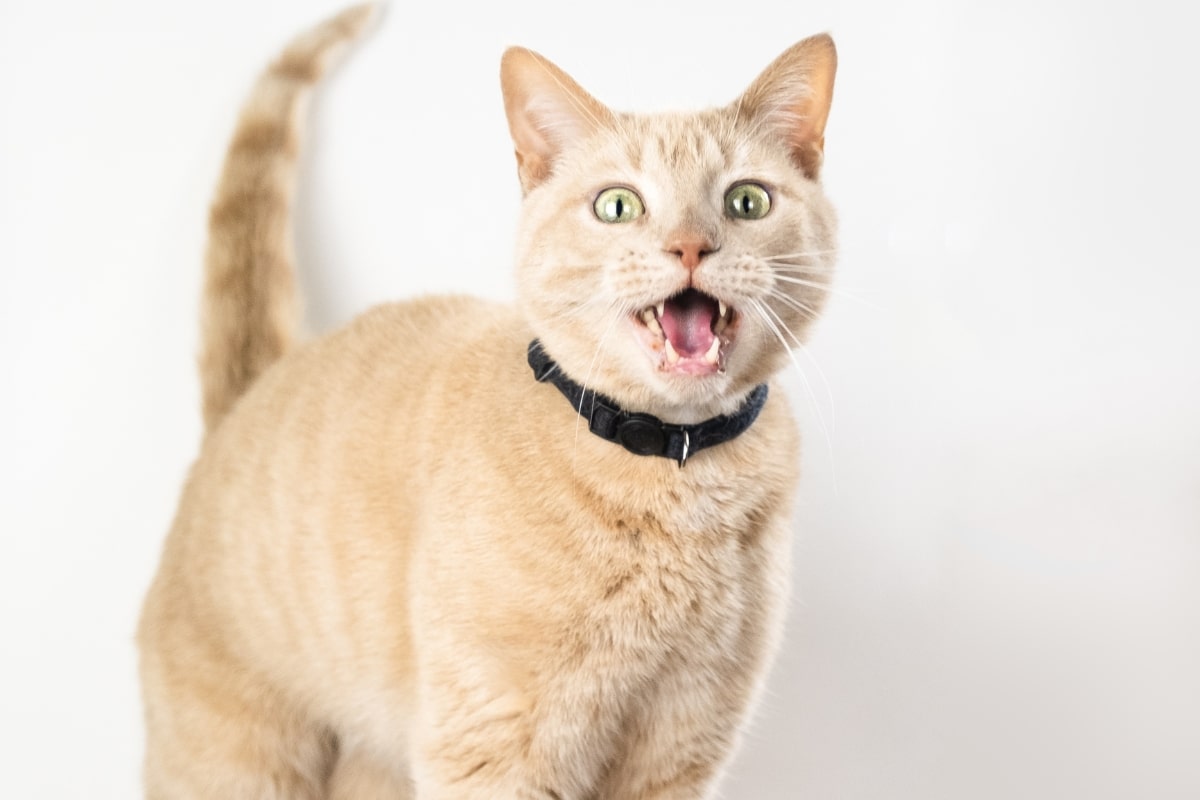
Feline vocal repertoires expand significantly during homecoming windows for certain talkative breeds and individuals. Meows, chirps, trills, and soft chirruping noises serve as multi-functional communication tools. While some cats are naturally more vocal, an enthusiastic greeting vocalization is a learned and reinforced behavior: if a human responds with conversation, petting, or treats, the cat learns that talking bridges the gap of separation.
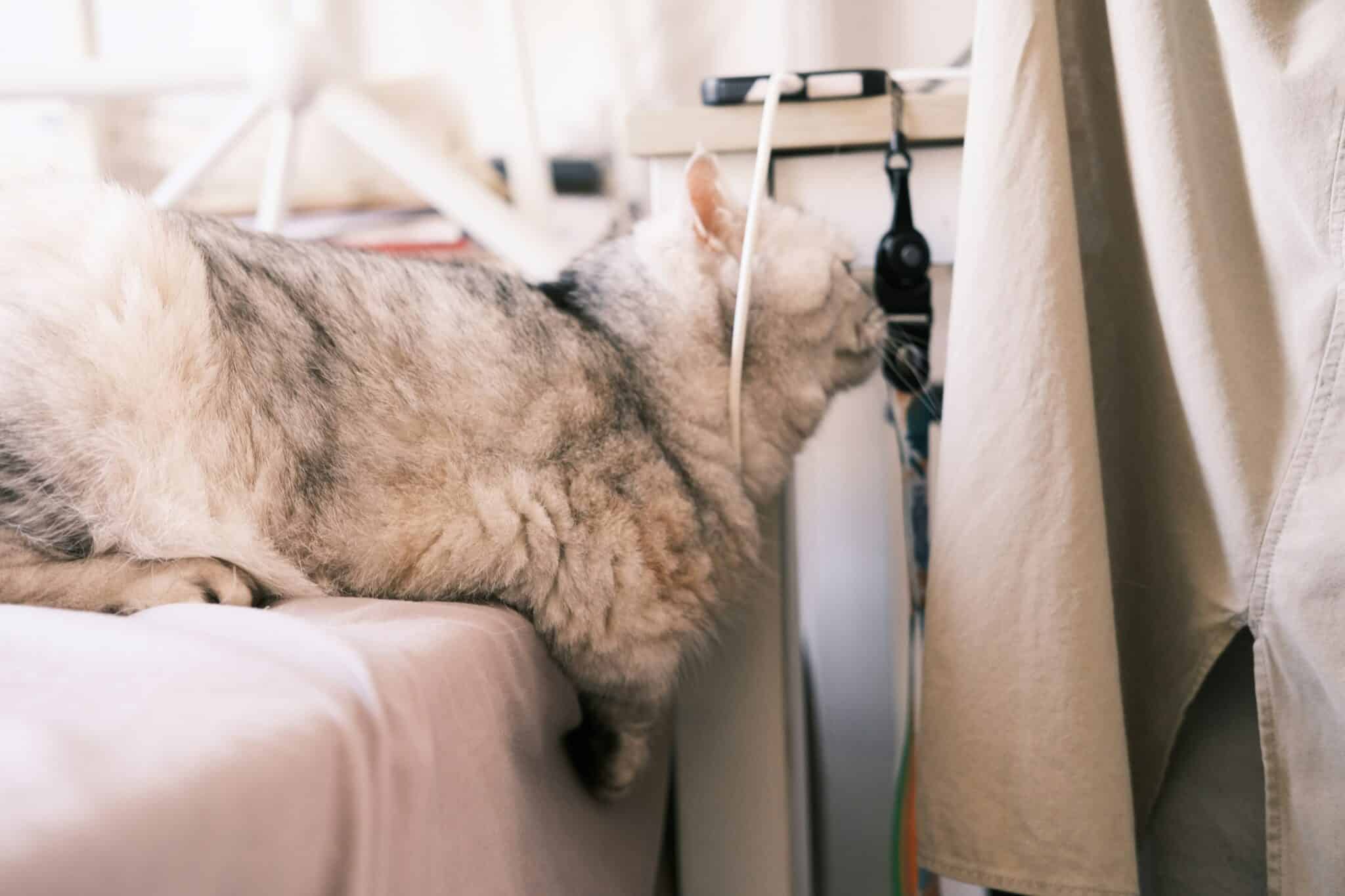
4. Olfactory Verification: Sniffing Clothes and Belongings
Because cats navigate the world primarily through scent, an absent human leaves behind a vacuum of recognizable pheromones. When confronted with a worn jacket, gym bag, or set of shoes, felines will frequently pause to deeply inhale these items. This olfactory investigation allows the cat to gather data on where their human has been, re-establish familiarity, and often deposit their own facial pheromones via cheek rubbing to claim the object anew.
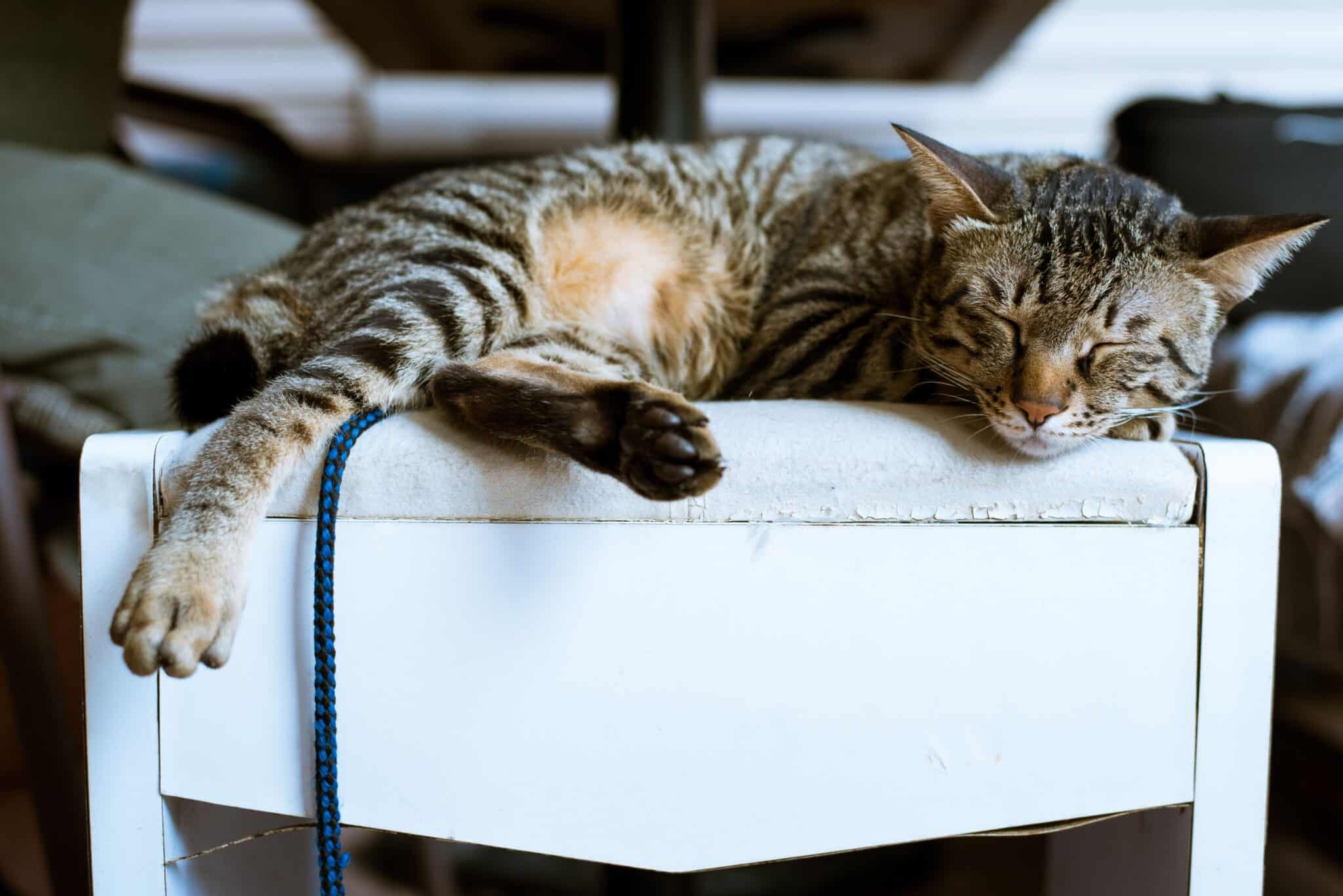
5. Reclaiming Resting Spaces and Bedtime Proximity
During an absence, cats regularly migrate to the human’s side of the bed, favorite armchair, or preferred couch cushion. Following a reunion, this behavior often intensifies at bedtime. The combination of high concentrations of human scent, physical warmth, and the restoration of predictable nighttime routines offers an unmatched sense of security for a bonded feline.
6. Heightened Attention-Seeking and Physical Affection
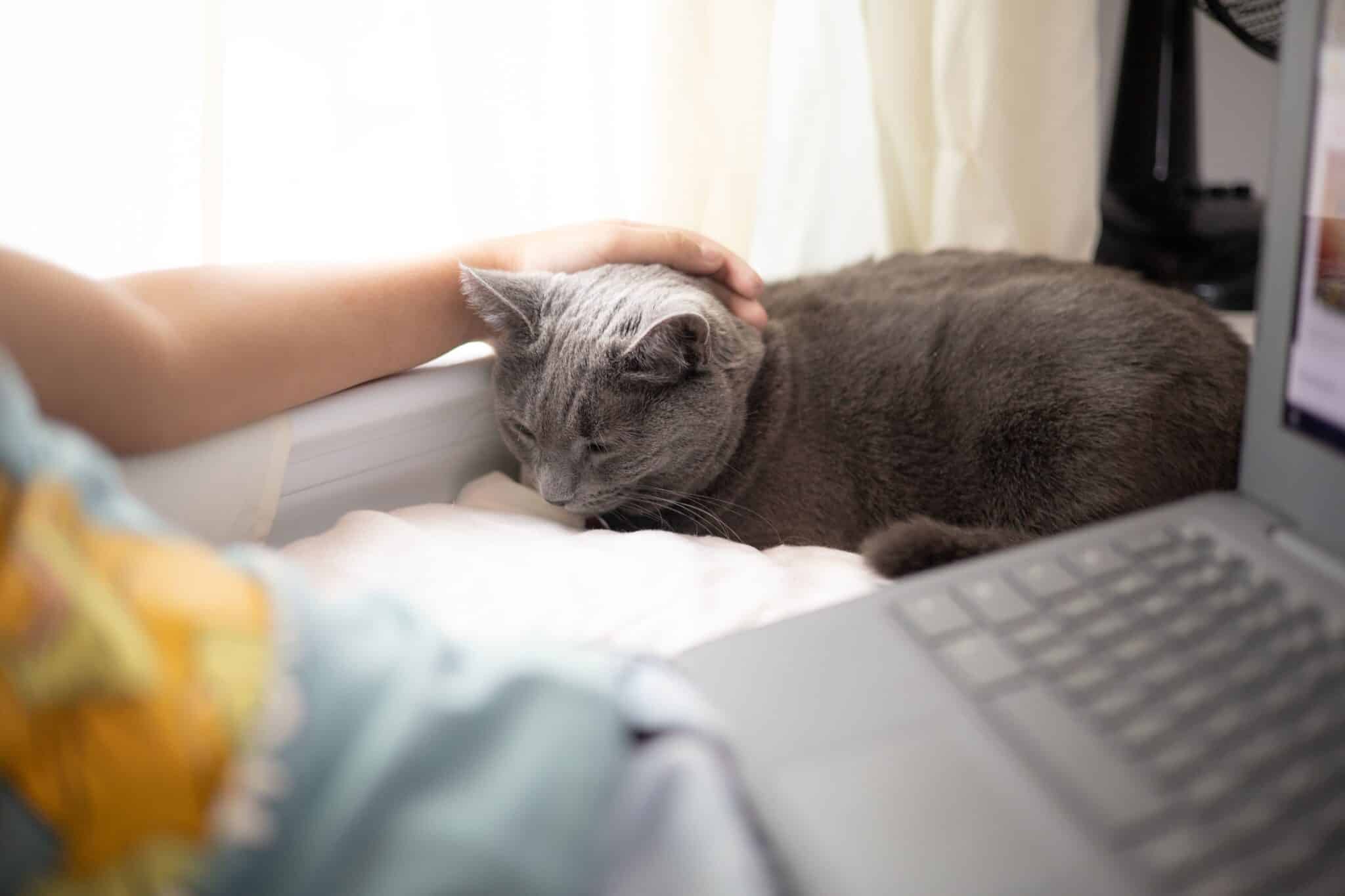
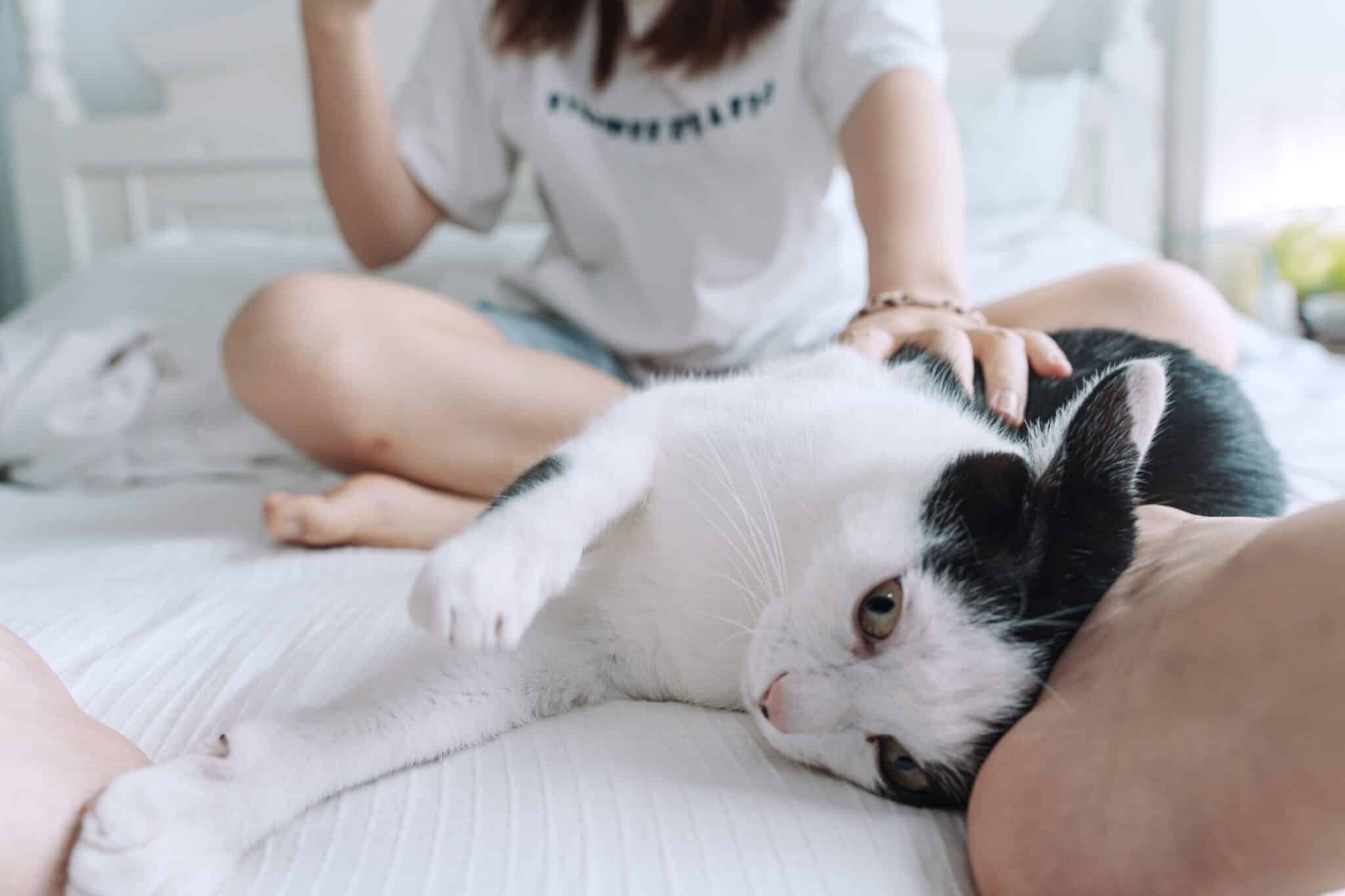
Reconnection often involves deliberate, tactile interaction. Cats may actively head-butt, nudge hands, climb onto laps, or demand face-to-face proximity. By pressing their forehead or cheeks against a human’s face, they engage in both scent-marking and close-range sensory evaluation, taking in visual, auditory, and olfactory cues all at once.
Supporting Context & Metrics: Feline Social Bonds and Cognition
While society often contrasts feline independence with canine dependency, modern ethology paints a more complex picture of domestic cat (Felis catus) sociology.
Attachment Security Studies: Research into feline behavioral psychology (utilizing modified Ainsworth Strange Situation tests) indicates that a significant percentage of domestic cats form secure attachments to their human caregivers. These securely attached cats display reduced stress levels and balanced exploratory behavior when their human is present, contrasted with distinct behavioral adjustments when left isolated.
Olfactory Acuity: A cat’s sense of smell is estimated to be roughly 14 times more sensitive than a human’s. This biological reality explains why scent-based behaviors—such as investigating clothing or rubbing against returning ankles—form the core of their separation-coping and reunion strategies.
Routine Predictability: Behavioral metrics show that felines experience lower baseline stress in households with rigid, predictable temporal structures. Disruptions to routine trigger compensatory mechanisms, making the return of a predictable human catalyst an essential balancing event in the cat’s daily ecosystem.
Official Statements and Expert Perspectives
Animal behaviorists and veterinary experts emphasize that interpreting cat behavior requires moving away from human projections and looking at evolutionary biology.
"When we talk about cats ‘missing’ us, we have to ground our understanding in feline terms," explains Dr. Elena Vance, a leading comparative ethologist specializing in domestic carnivores. "They do not experience existential loneliness in the human sense, but they do experience radical environmental disruption. When you walk through that door, you represent the restoration of predictability, safety, and sensory balance. Every head-butt, every meow, and every step of that following behavior is an active participation in restoring their world to rights."
Veterinary behaviorists also stress the importance of monitoring the baseline of these reunion habits.
"A healthy reunion is enthusiastic, communicative, and settles down quickly as the household falls back into rhythm," notes Dr. Marcus Holloway, a small-animal practitioner. "However, if a cat’s post-separation habits involve destructive pacing, obsessive grooming, refusal to eat while you are away, or frantic, non-soothable distress upon your return, it crosses the line from normal bonding into separation anxiety. Those are instances where behavioral intervention or environmental enrichment becomes vital."
Future Outlook: The Evolution of Human-Feline Bonds
As more households adopt cats and scientific interest in feline cognition expands, our appreciation for subtle cat behavior continues to mature. Future research initiatives are expected to further decode the complex interplay of feline vocalizations during homecomings and map out the neurological responses of cats reunited with bonded human companions.
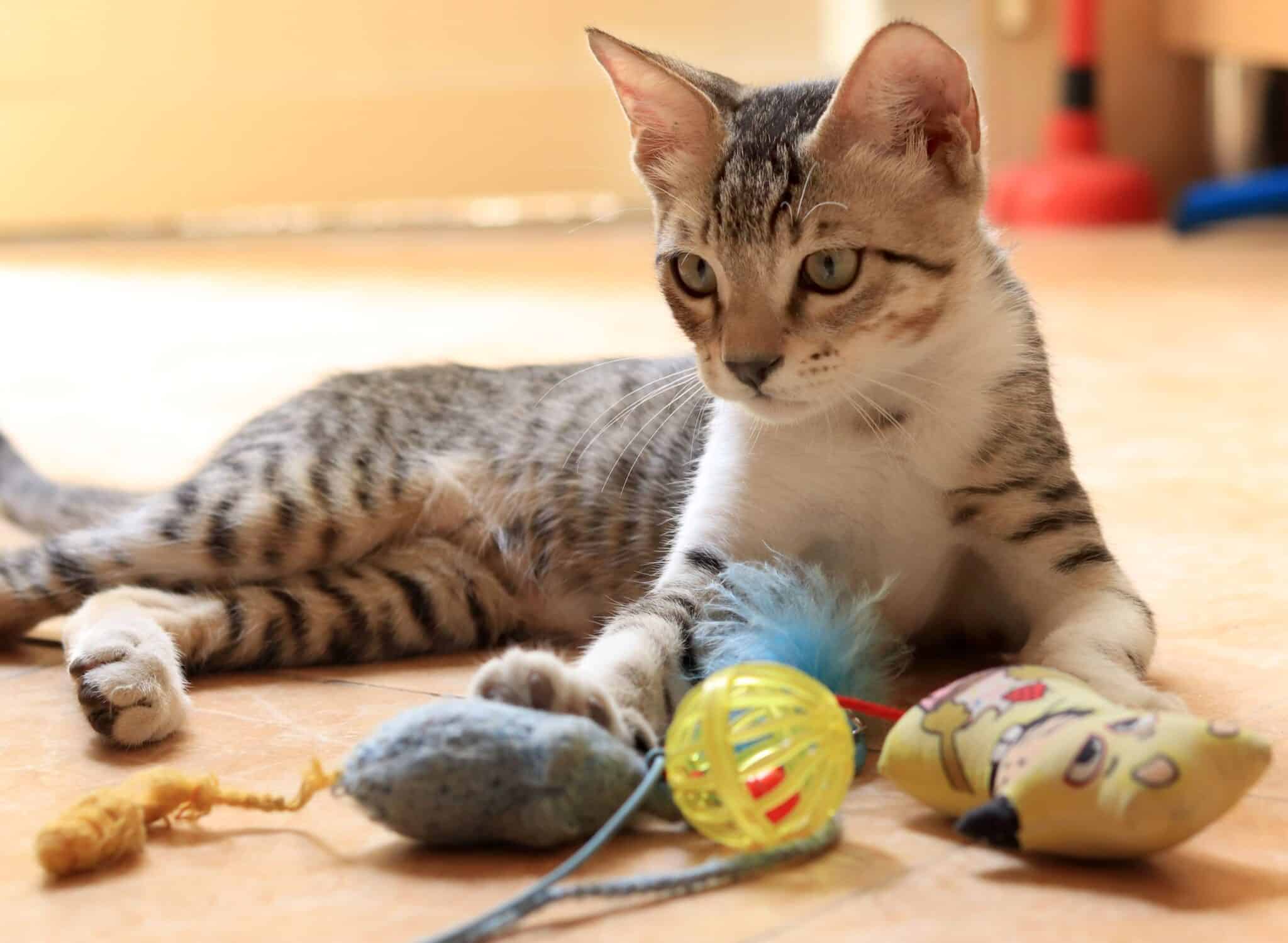
For everyday cat owners, understanding these nuanced behaviors transforms the way homecomings are experienced. That quiet cat waiting by the door, the insistent shadow following you to the kitchen, or the enthusiastic cat bringing their favorite feather toy to your feet are all participating in a sophisticated, ancient ritual of trust. Far from being indifferent roommates, our feline companions reveal through these small, consistent habits that familiar human companionship is a cornerstone of their daily world.