
Executive Overview
For decades, popular culture has unfairly stereotyped domestic felines as emotionally aloof, independent creatures that care very little about whether their human companions are present or absent. While dogs are widely celebrated for their exuberant, tail-wagging greetings at the front door, cats have historically been mischaracterized as indifferent roommates who view humans merely as automated food dispensers. However, modern feline behavioral science reveals a profoundly different reality.
When a favorite person is away, many cats notice the disruption instantly. Although felines do not experience grief or chronological time in the exact same manner as humans, alterations in daily household routines, the absence of familiar scents, and the interruption of established social contact affect them deeply. For cats closely bonded with their owners, these subtle changes manifest in distinct post-separation habits. From waiting expectantly by the entryway and following their humans from room to room to investigating abandoned clothing and vocalizing with remarkable intensity, cats demonstrate that familiar companionship is a crucial component of their everyday lives. This comprehensive report explores the scientific mechanisms underlying feline attachment, detailing the specific behaviors cats exhibit when reunited with their humans and offering insight into how pet parents can better understand and support their furry companions.
Detailed Chronology: The Arc of Separation and Reunion
Understanding how a cat processes a human’s absence requires examining the timeline of events—from the moment a person prepares to leave, through the hours of separation, to the eventual homecoming and subsequent readjustment.
Phase 1: Anticipation and Routine Recognition
Long before a human actually walks out the front door, perceptive cats are already gathering data. Felines are master observers of household patterns. They note the sequential cues of departure: the jingling of keys, the putting on of shoes, the rustle of a work bag, or the changing of clothes at specific morning hours.
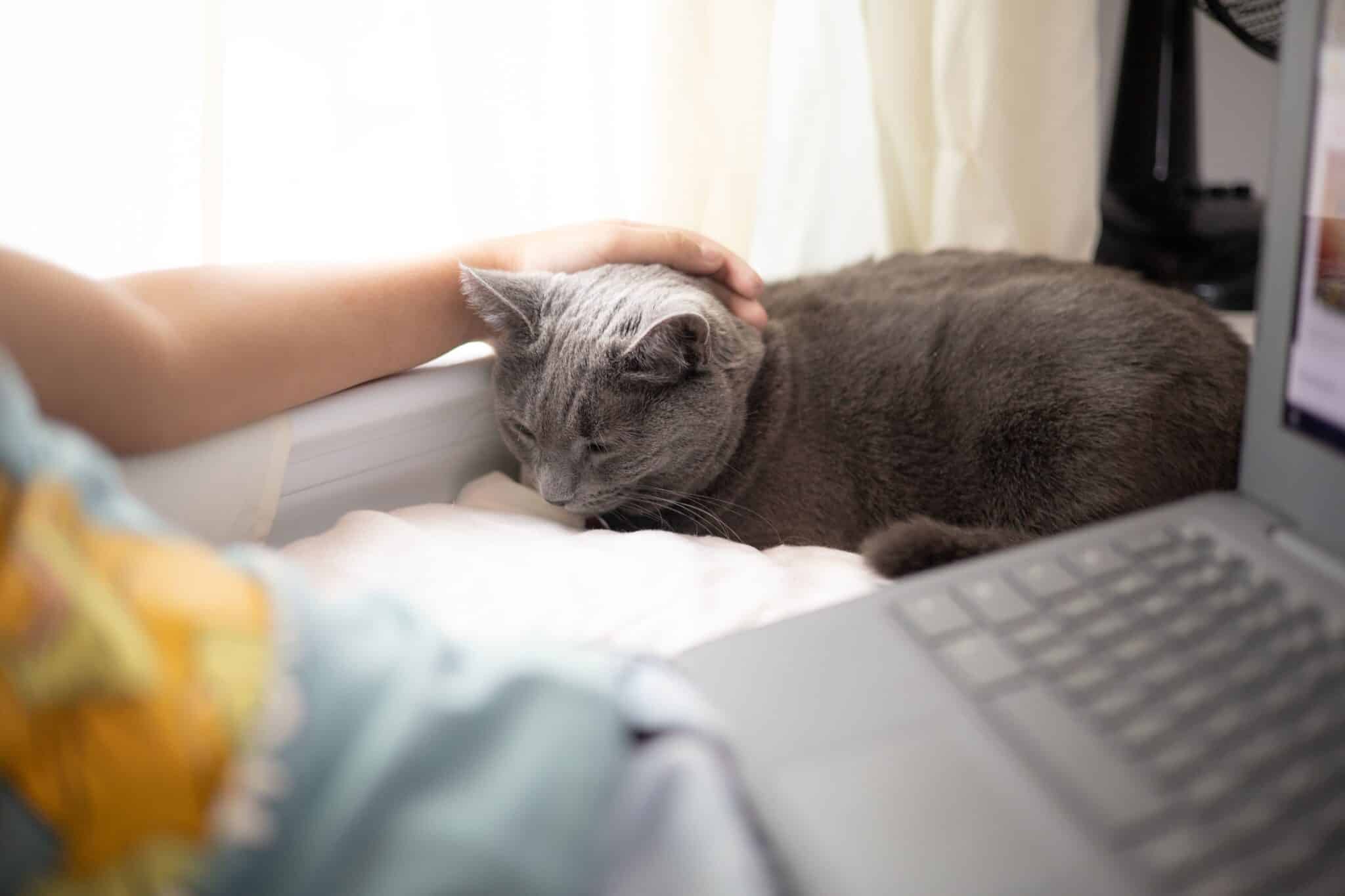
- Behavioral Shifts: Some cats begin shadowing their humans closely during the preparation phase, while others retreat to high vantage points or quiet resting spots, mentally preparing for the quiet hours ahead.
- Cognitive Processing: Because cats thrive on predictability, these routine disruptions signal a shift in the environmental landscape, prompting them to adapt their energy levels and behavioral states accordingly.
Phase 2: The Hours of Absence
Once the home is empty or populated only by other family members, the cat enters the separation window. While some independent felines use this time to sleep deeply, hunt for sunbeams, or explore the quiet space, socially bonded cats often engage in investigative or anticipatory behaviors.
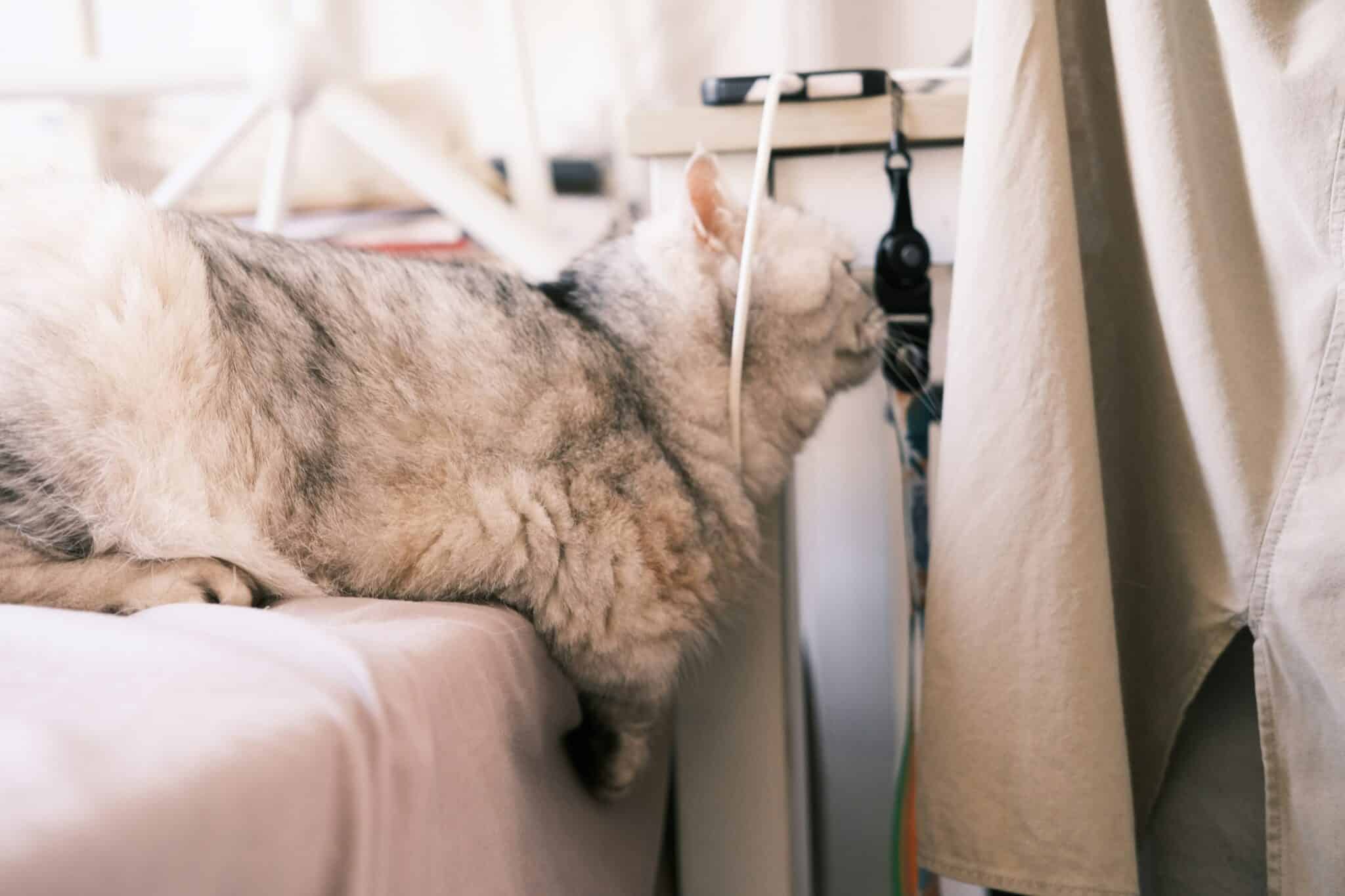
- Scent Tracking: Cats rely heavily on their olfactory systems to make sense of their environment. During an absence, a worn jacket, a pair of shoes, or a favorite blanket left on a couch cushion becomes a focal point of comfort. By sniffing these items, the cat accesses familiar human pheromones, which provide temporary reassurance and information about their person’s identity.
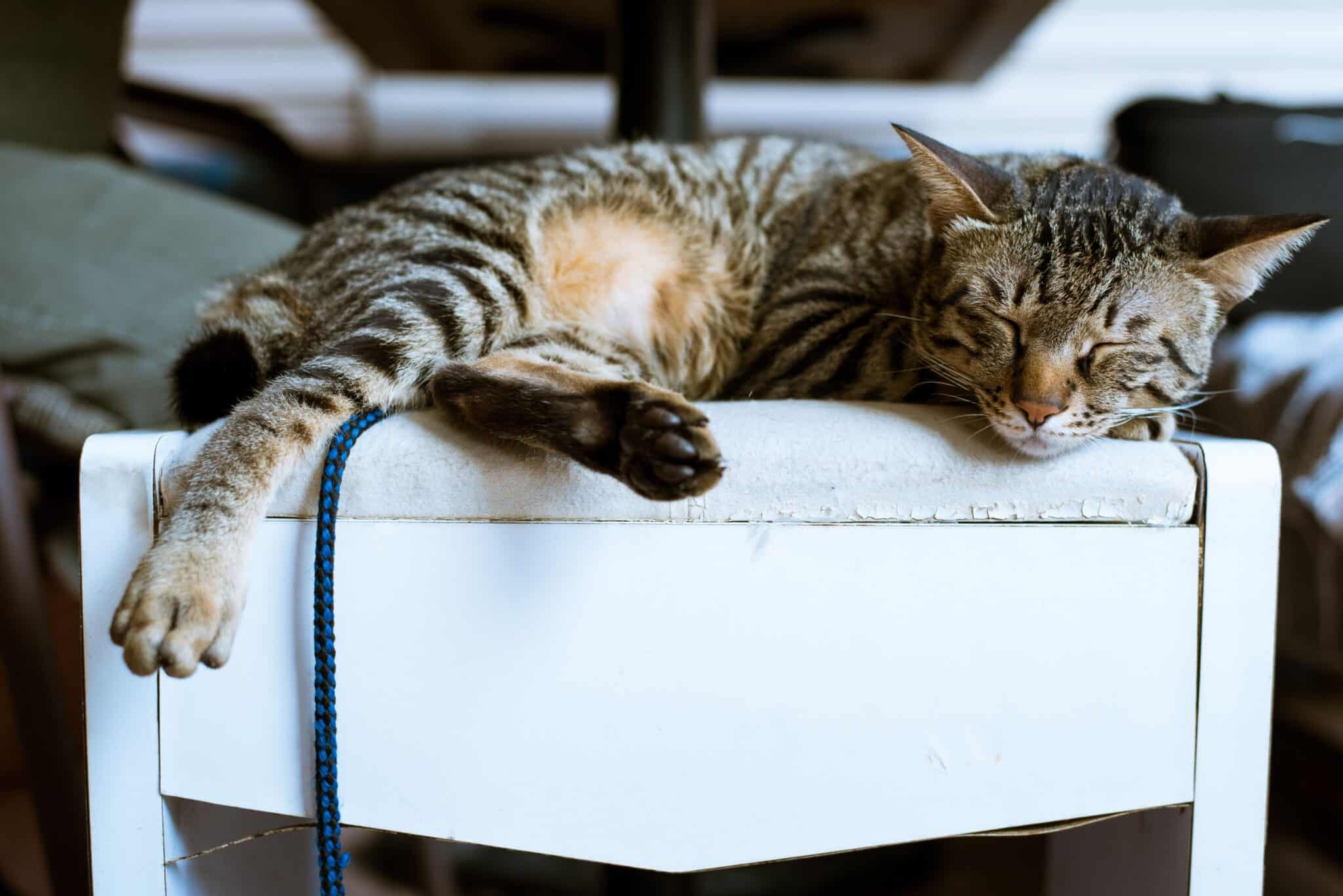
- Resting in Human Spaces: It is common for a cat to seek out and sleep in the human’s usual spot—such as the center of the bed or a preferred armchair. This location offers a concentrated dose of familiar scent combined with the physical comfort, security, and warmth the cat associates with safety.
Phase 3: The Homecoming and Reunion Routine
The sound of a vehicle pulling into the driveway, footsteps in the hallway, or the turning of a key in the lock triggers an immediate physiological and behavioral response in an attached cat. This marks the beginning of the reunion routine, which can last anywhere from a few minutes to several hours.
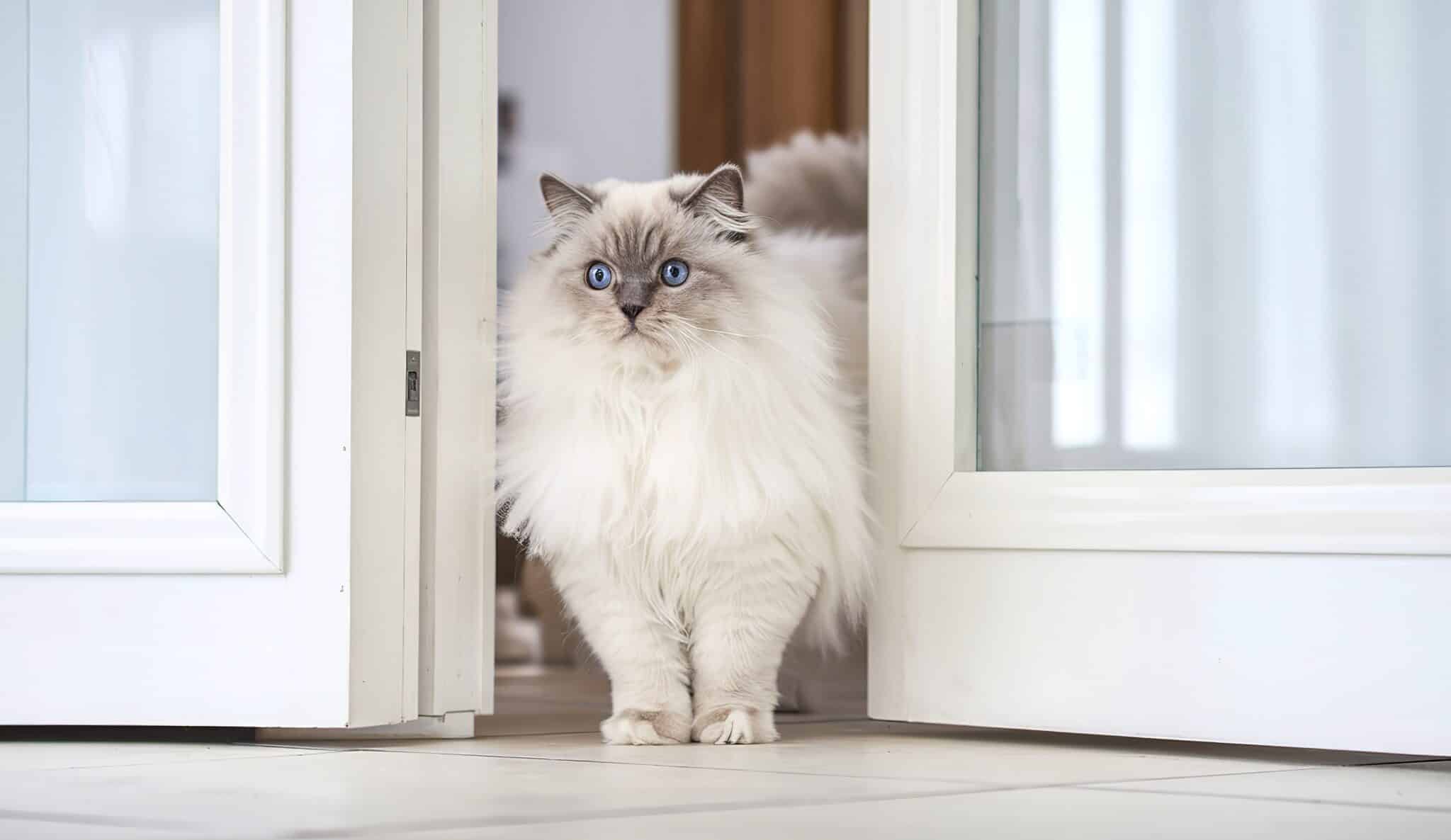
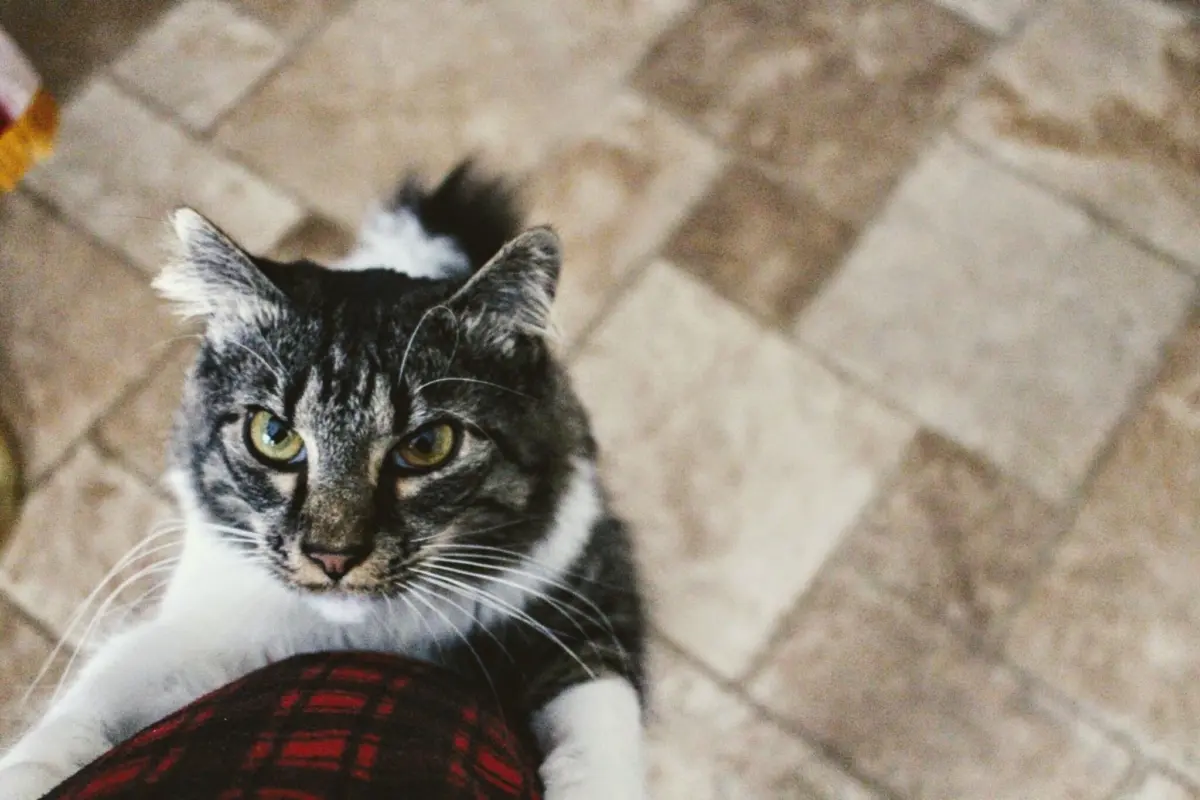
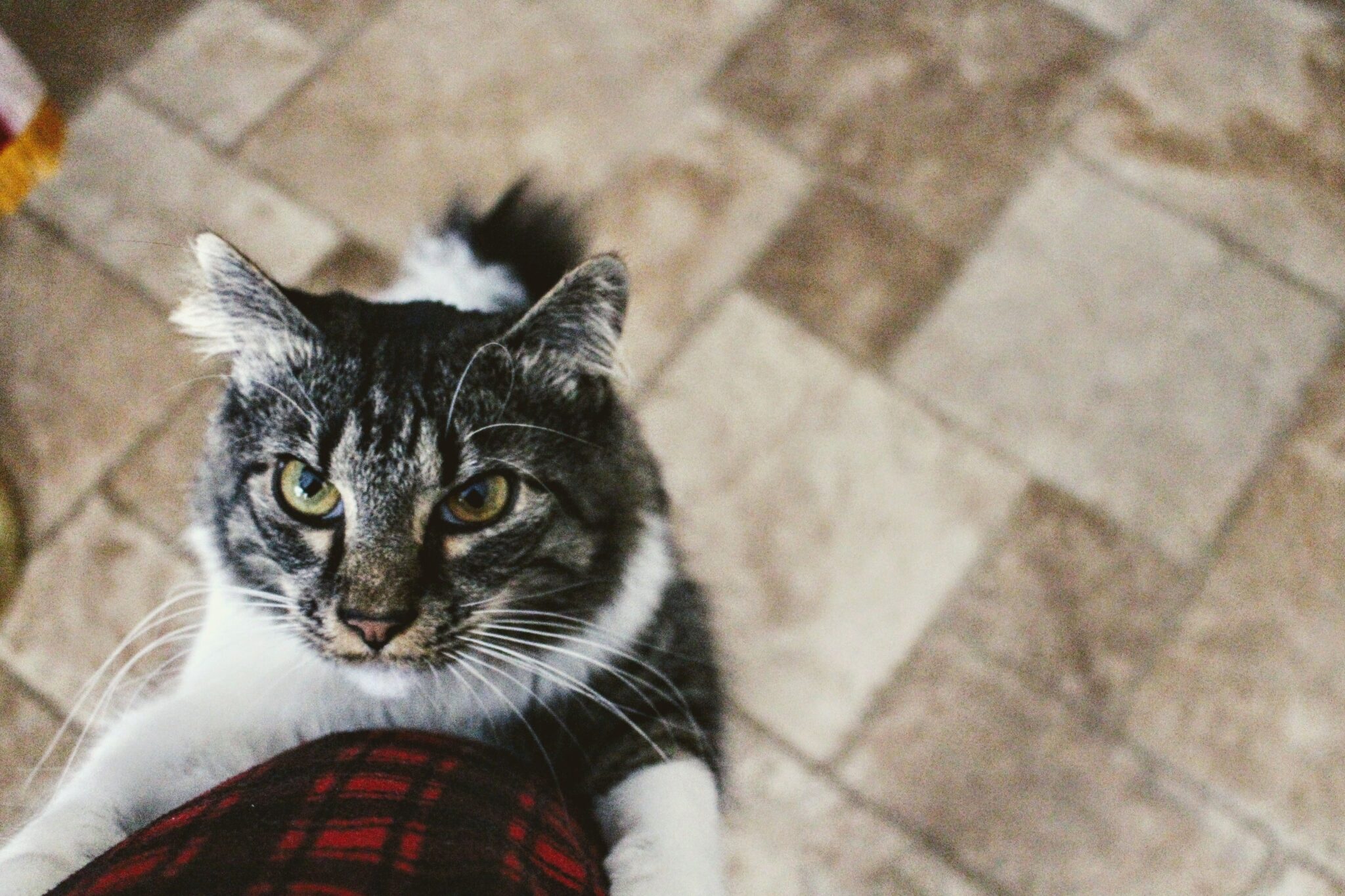
- The Doorstep Vigil: Many cats transition from resting areas to the immediate vicinity of the front door upon hearing familiar homecoming cues. While they may not be tracking minutes on a clock, they anticipate the reward of reunion.
- The Shadow Phase: Upon entering the house, the human is frequently greeted by a cat that instantly transforms into a dedicated shadow. Whether walking to the kitchen, unpacking groceries, or sitting down to work, the cat remains close by, drinking in the renewed social contact.
Phase 4: Readjustment and Normalization
As the initial excitement of the homecoming subsides, the household gradually returns to its normal rhythm.
- Settling In: Cats that displayed heightened attention-seeking behaviors, such as demanding extra playtime, persistent vocalization, or intense face-rubbing, begin to relax.
- Restoring Equilibrium: Once the human’s presence is firmly re-established as a permanent fixture for the evening, the cat’s vigilance fades, replaced by comfortable routine activities such as bedtime cuddling and relaxed resting.
Supporting Context & Metrics: Feline Cognition and Behavioral Science
To truly appreciate why cats behave the way they do upon a human’s return, we must examine the scientific metrics and behavioral studies surrounding feline social bonds.
The Myth of Independence vs. Scientific Reality
For generations, the solitary nature of the African wildcat—the primary ancestor of the domestic cat—led researchers to assume that modern felines lacked the capacity for complex social attachments. However, landmark studies in animal behavior have shattered this misconception.
- Attachment Security: Research utilizing modified versions of the Ainsworth Strange Situation Test—originally designed to evaluate infant-parent attachment—has demonstrated that domestic cats form secure and insecure attachment bonds with their human caregivers, much like dogs and human infants do.
- Percentage of Bonded Cats: Studies indicate that roughly 65% to 70% of tested cats display secure attachments to their owners, characterized by a balanced mix of exploratory confidence and a clear desire to seek proximity and comfort from their human upon reunion.
Olfactory Communication and Scent Profiling
Unlike humans, who rely primarily on vision to navigate and interpret the world, cats experience their environment largely through scent.
- Apocrine and Sebaceous Glands: Cats possess scent-producing glands located around their lips, chin, cheeks, forehead, tail base, and paw pads.
- Chemical Signatures: When a cat rubs their face or body against a human returning from an absence, they are not merely showing affection; they are engaging in a sophisticated act of olfactory negotiation. Because the human has traveled outside the home, they have collected a myriad of foreign smells. The cat’s rubbing behavior deposits familiar facial pheromones onto the human while simultaneously helping the cat re-establish a recognizable, unified scent profile within the shared territory.
Vocalization Dynamics
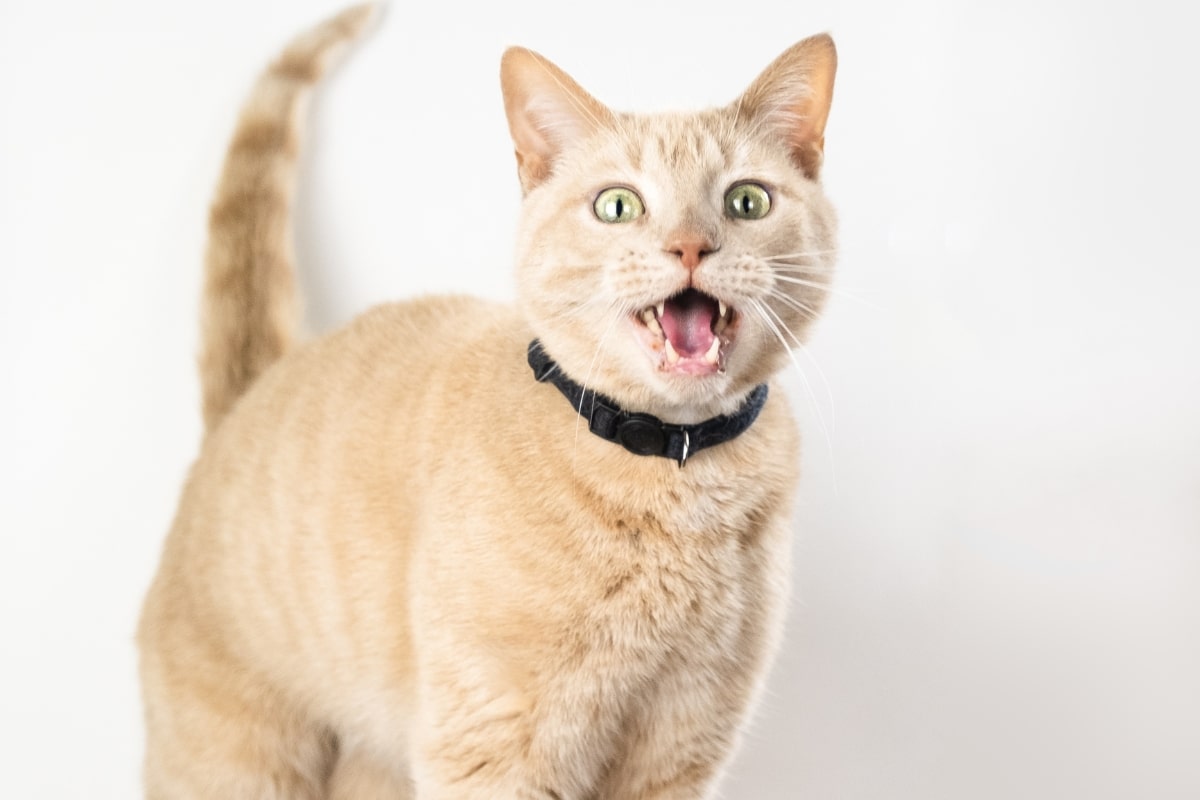
Feline vocal communication with humans is largely a learned behavior developed specifically through domestication. While adult cats rarely meow at one another in the wild (reserving vocalizations mostly for mother-kitten communication or territorial aggression), they utilize a vast repertoire of chirps, trills, meows, and purrs to communicate with human companions.
- Positive Reinforcement: When a cat greets a returning human with a flurry of vocalizations and receives immediate positive feedback (such as being fed, petted, or spoken to), the behavior is strongly reinforced.
- Excitement and Demand: A talkative greeting following a period of separation is a composite signal reflecting physiological arousal, excitement, learned communication strategies, and a direct request for social interaction.
Official Statements & Expert Insights
Animal behaviorists and veterinary specialists emphasize that recognizing a cat’s subtle expressions of attachment is essential for maintaining optimal feline welfare.
"People often project human standards of emotion onto animals, expecting dogs to act like overly exuberant children and cats to act like stoic introverts," notes Dr. Sarah Jenkins, a prominent feline behaviorist and researcher. "In reality, cats communicate their attachment through micro-behaviors. When a cat waits by the door, sniffs your travel bag, or insists on sleeping right beside your head after you’ve been gone for the weekend, they are telling you in cat-language that your presence brings safety, predictability, and social comfort."
Veterinary behaviorists also point out that while post-separation habits are typically normal and healthy expressions of affection, owners must remain vigilant about distinguishing between normal greeting routines and distress.
"A cat that happily follows you around the kitchen, rubs against your ankles, and brings you a toy is demonstrating a healthy, secure attachment," explains Dr. Marcus Vance, a small animal practitioner. "However, if those behaviors cross the line into obsessive pacing, excessive over-grooming, destructive scratching at doors during your absence, or complete refusal to eat while you are away, that moves past normal anticipation and into separation anxiety. In those instances, environmental enrichment and professional behavioral modification may be required."
Future Outlook: Enhancing the Human-Feline Bond
As our understanding of animal psychology continues to evolve through advanced ethological research, the way we care for and interpret our feline companions is undergoing a much-needed renaissance. The outdated notion of the "loner cat" is steadily being replaced by a sophisticated appreciation for the emotional depth and social complexity of the domestic feline.
Key Takeaways for Pet Parents
- Appreciate Subtle Cues: Recognize that a cat does not need to leap into your arms to miss you. A quiet sit near the entryway, an intense session of face-sniffing, or claiming your side of the bed are all profound indicators of trust and attachment.
- Respect Personal Space: While many cats become eager for affection and play after a separation, others prefer to monitor your movements from a respectful distance. Allowing your cat to dictate the pace of the reunion ensures they feel secure and in control.
- Establish Predictable Routines: Because felines find immense comfort in predictability, maintaining consistent feeding, playing, and interacting schedules can dramatically reduce any stress associated with human absences.
- Monitor for Distress: Keep an eye out for sudden, drastic behavioral shifts. If post-separation habits escalate into destructive tendencies or health issues like stress-induced cystitis or anorexia, consult a veterinarian or certified animal behaviorist promptly.
Ultimately, a cat’s post-separation routine serves as a heartwarming reminder of the invisible threads that tie us to our pets. By paying close attention to these quiet rituals, cat owners can deepen their connection with their feline friends, ensuring a harmonious, affectionate, and deeply enriched life together for years to come.