In the modern professional landscape, the traditional boundaries of the workday have fundamentally shifted. Whether navigating the high-stakes environment of a corporate office, managing a complex remote workflow from a home setup, or driving the unpredictable hours of an entrepreneurial venture, professionals constantly seek ways to balance career demands with personal well-being. For many, this includes welcoming a furry companion into their lives. However, the common assumption that all cats are universally low-maintenance creatures capable of enduring indefinite isolation is a dangerous misconception that can lead to behavioral issues, stress, and compromised animal welfare.
According to data compiled by the Cat Fanciers’ Association (CFA) and The International Cat Association (TICA), the secret to successful pet ownership for busy professionals lies in meticulous breed selection matched to lifestyle constraints. Independent, low-maintenance adult cats possessing calm, low-energy, and low-vocal temperaments—such as the British Shorthair, Russian Blue, Persian, and Scottish Fold—are structurally and temperamentally equipped to tolerate standard eight-to-ten-hour intervals of solitude. Conversely, high-energy or hyper-social breeds like the Abyssinian, Devon Rex, or Siamese demand active daytime engagement. When left unattended for prolonged periods, these dynamic breeds frequently manifest destructive behaviors, including excessive scratching, vocalization, and household chewing, as highlighted by American Society for the Prevention of Cruelty to Animals (ASPCA) behavioral studies.
Furthermore, this guide establishes a critical baseline for animal welfare: age matters above all breed traits. Regardless of a cat’s genetic predisposition toward independence, no kitten under four to six months of age should ever be left isolated for a full workday. Doing so jeopardizes critical milestones in nutrition, litter training, and socialization. By examining expert veterinary guidance, official breed classifications, and practical home setups, this report provides a comprehensive blueprint for professionals seeking the ideal feline assistant.
Detailed Chronology & Evolution of the "Work-From-Home" Pet Dynamic
The intersection of professional life and pet ownership has undergone a remarkable evolution over the past several decades. Understanding how cats adapted to human work schedules requires a historical look at domesticity, urbanization, and the rise of the modern knowledge economy.
Phase 1: The Industrial Era to the 20th Century
Historically, domestic cats served utilitarian roles as pest controllers on farms, in warehouses, and within urban merchant shops. Feline schedules were largely self-directed. They roamed freely, hunted at will, and maintained a semi-independent relationship with human handlers. As populations urbanized and apartments became common residential spaces, cats transitioned from working mousers to indoor companion animals. During this period, little thought was given to matching cat breeds to specific office schedules, as multi-generational households or agrarian lifestyles usually ensured someone was home.
Phase 2: The Rise of the Dual-Income Household and Remote Work (Late 20th Century)
As corporate office culture expanded through the late 20th century, millions of households transitioned into dual-income setups, leaving homes entirely vacant for eight to ten hours daily. Shelter organizations noted a surge in surrender rates driven by separation-related behavioral issues in pets that were ill-equipped for solitude. Concurrently, veterinary behaviorists began categorizing feline personalities more systematically, identifying which lineages could manage prolonged human absence.
Phase 3: The Digital Revolution and Modern Flexibility (2020–Present)
The post-pandemic landscape permanently altered professional environments. The mass adoption of remote work, hybrid schedules, and digital nomadism created an unprecedented boom in pet adoption. Professionals spending 100% of their time at home suddenly realized they had constant company—until global return-to-office mandates forced millions of pets back into extended isolation. This jarring transition underscored the critical need for evidence-based breed matching. Today, organizations like the CFA and TICA emphasize that choosing a cat must be approached with the same strategic foresight as selecting a career path, factoring in long-term travel, irregular working hours, and workspace ergonomics.
Supporting Context & Metrics: Breed Profiles and Behavioral Compatibility
To assist professionals in making an informed decision, we examine the leading cat breeds classified by major feline registries for their compatibility with demanding professional schedules.
Breed
Energy Level
Vocalization
Ideal Professional Match
Key Maintenance Need
British Shorthair
Low
Low
Office Workers, Engineers
Minimal brushing; watch for obesity
Russian Blue
Low to Moderate
Low
Digital Nomads, Remote Workers
Standard weekly grooming
Persian
Very Low
Low
Quiet Home Offices, Deep Focus
Daily coat maintenance to prevent matting
Scottish Fold
Low to Moderate
Low
Small Business Owners
Ear health monitoring
Ragdoll
Moderate
Low
Remote & Hybrid Workers
Plush coat upkeep
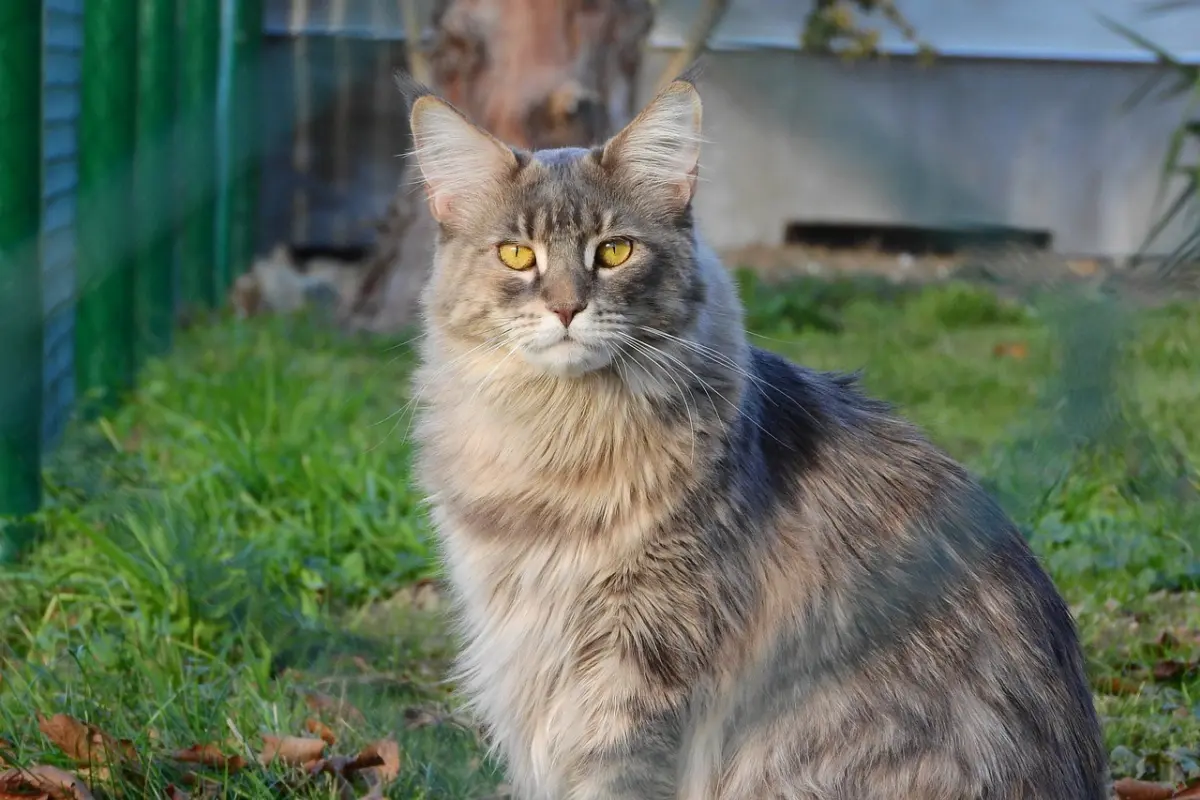
Maine Coon
Moderate
Low-Moderate
Balanced Professionals
Regular fur combing
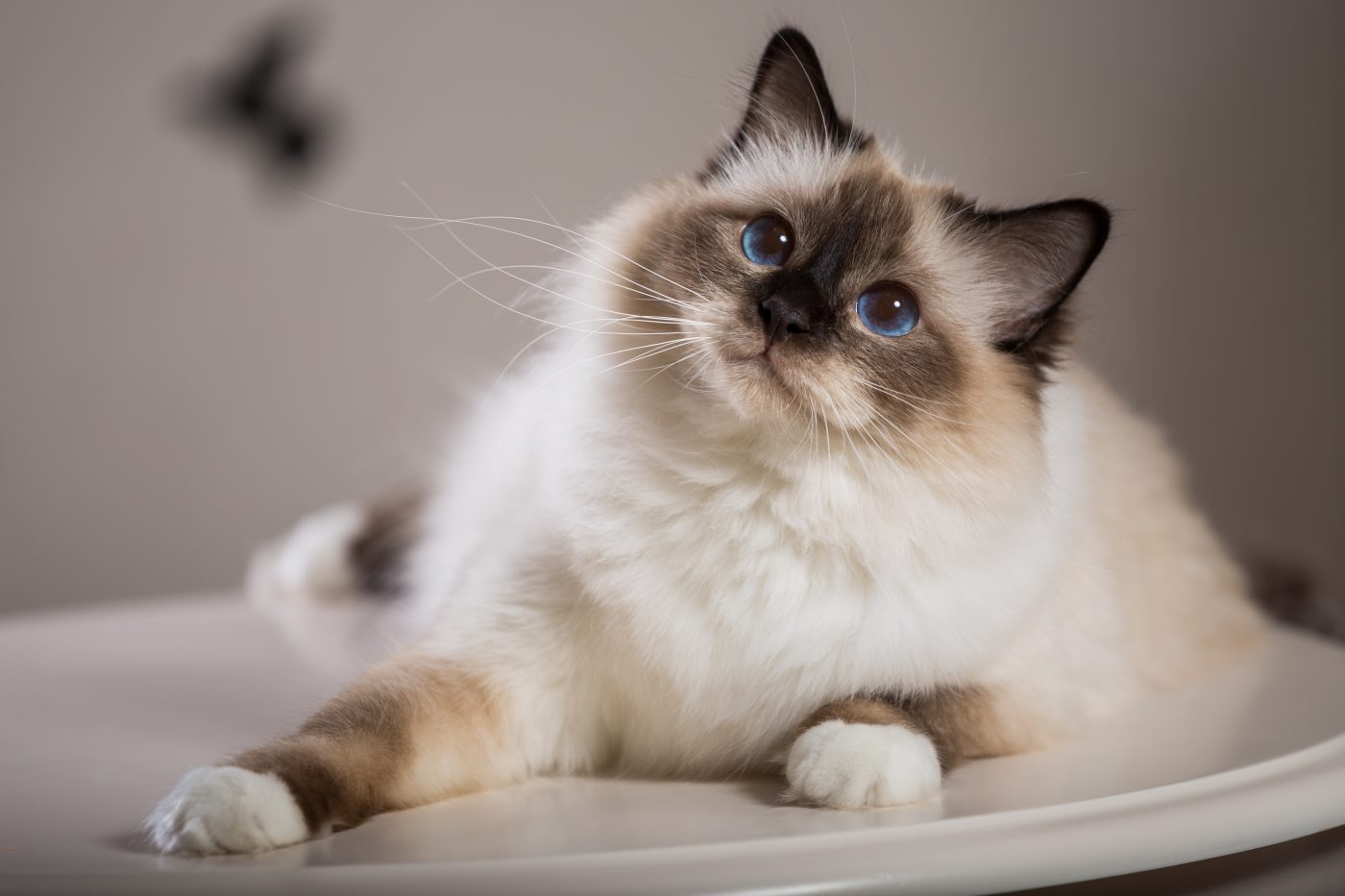
Birman
Low
Low
Peaceful Work Environments
Moderate coat care
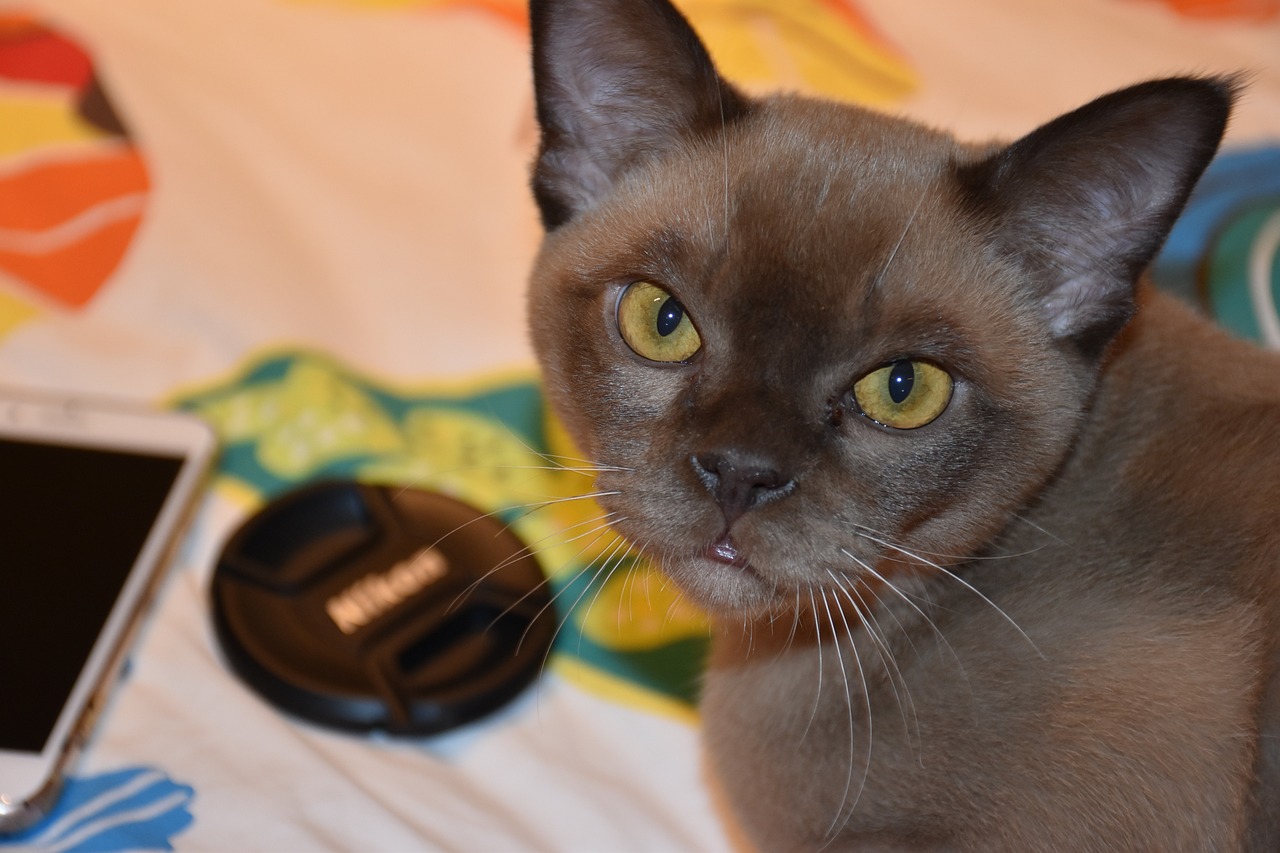
Burmese
Moderate to High
Moderate
Hybrid/Work-from-Home
Needs interactive play during breaks
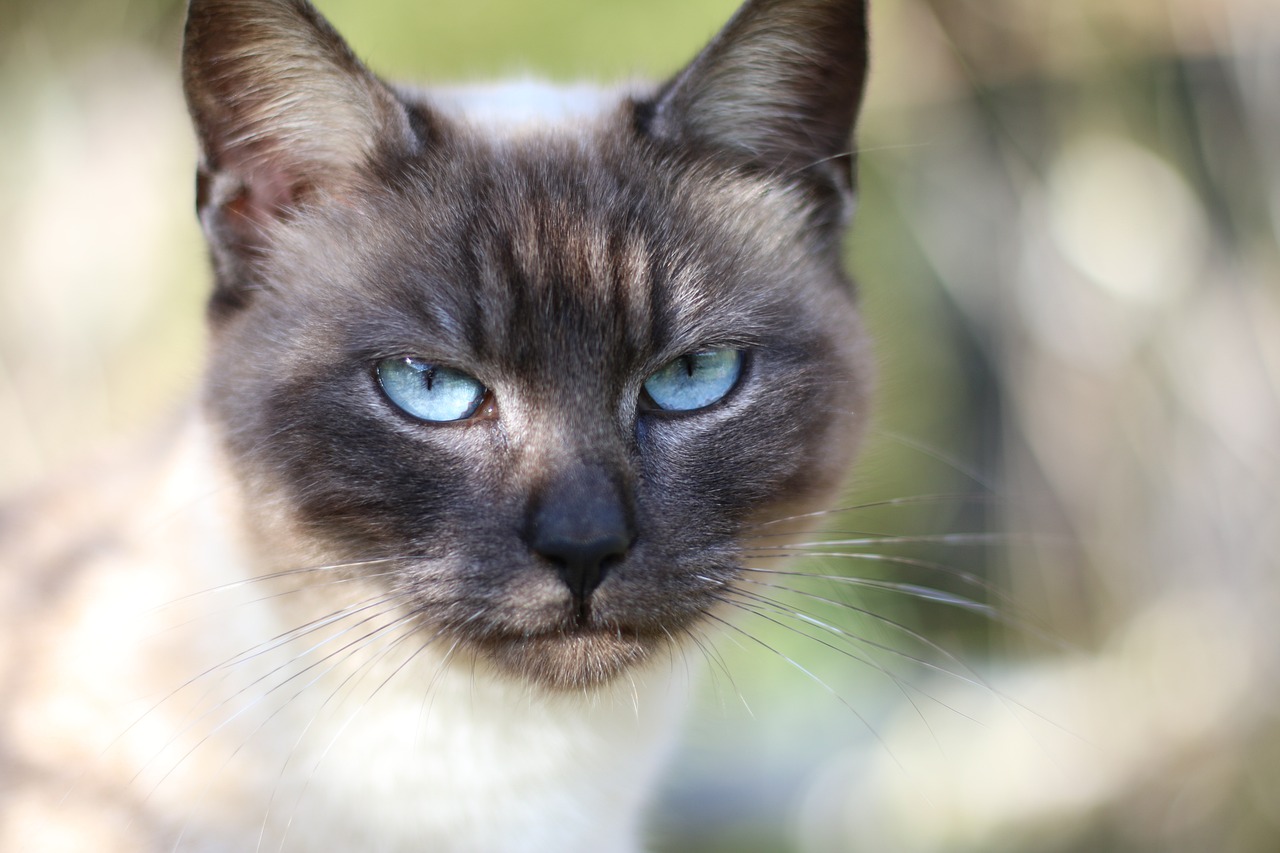
Siamese
High
High
Highly Engaged Remote Workers
Mental stimulation & companionship
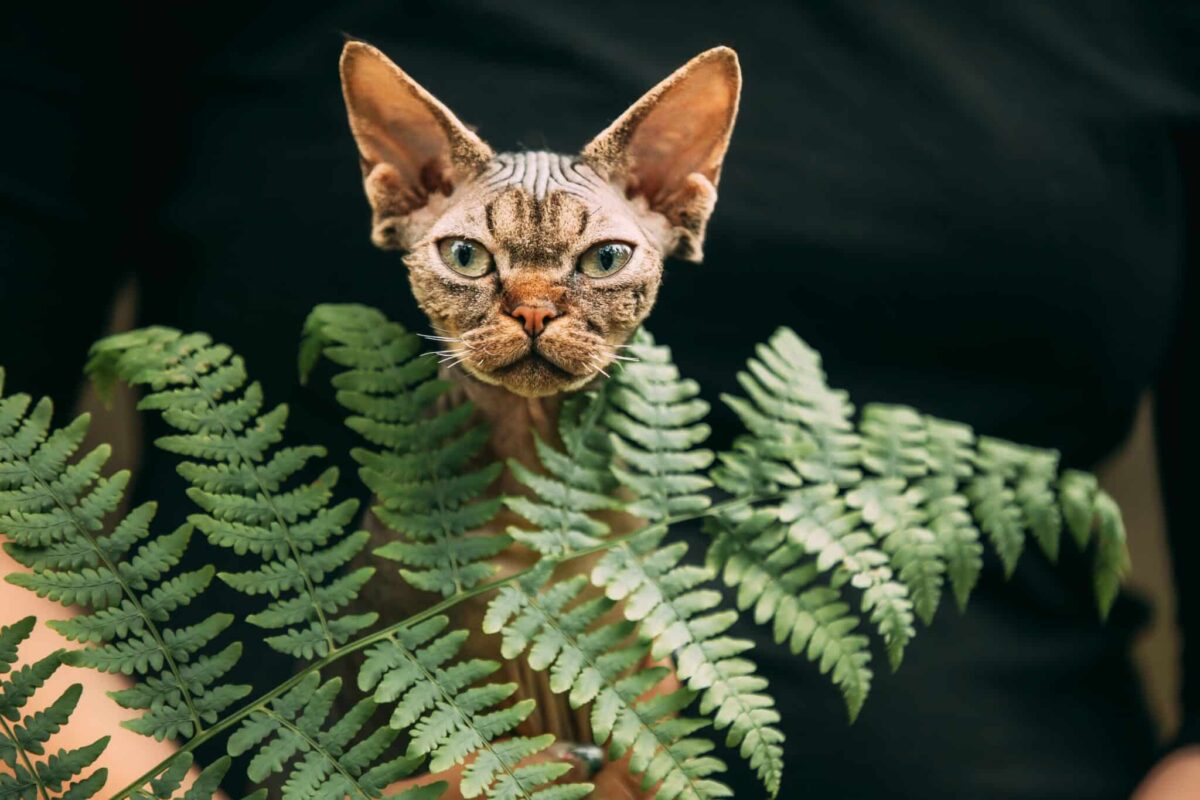
Devon Rex
High
Moderate-High
Creative Professionals
Minimal coat grooming; high interaction
Abyssinian
Very High
Moderate
Active Owners (Not ideal for 10hr solo)
Extensive mental & physical engagement
In-Depth Analysis of Top Professional-Friendly Breeds
1. British Shorthair
Renowned for their plush coats, round faces, and easygoing demeanor, British Shorthairs are the quintessential independent work companions. The Cat Fanciers’ Association classifies them as a low-energy, low-vocal breed. They enjoy spending time in the same room as their human counterparts but do not demand constant physical validation. They readily adapt to automatic feeding schedules and self-cleaning litter boxes, making them exceptionally well-suited for corporate professionals working standard 9-to-5 office hours away from home.
2. Russian Blue
Characterized by striking emerald eyes and a dense, silvery-blue coat, the Russian Blue is celebrated for its quiet elegance and balanced temperament. They are deeply affectionate with their chosen humans yet fiercely independent during daytime hours. According to CFA breed documentation, their low-energy profile ensures they will not scale curtains or disrupt deep-focus coding sessions. They are also known for adapting exceptionally well to structured daily routines, appealing heavily to digital nomads and remote professionals who prize tranquility.
3. Persian
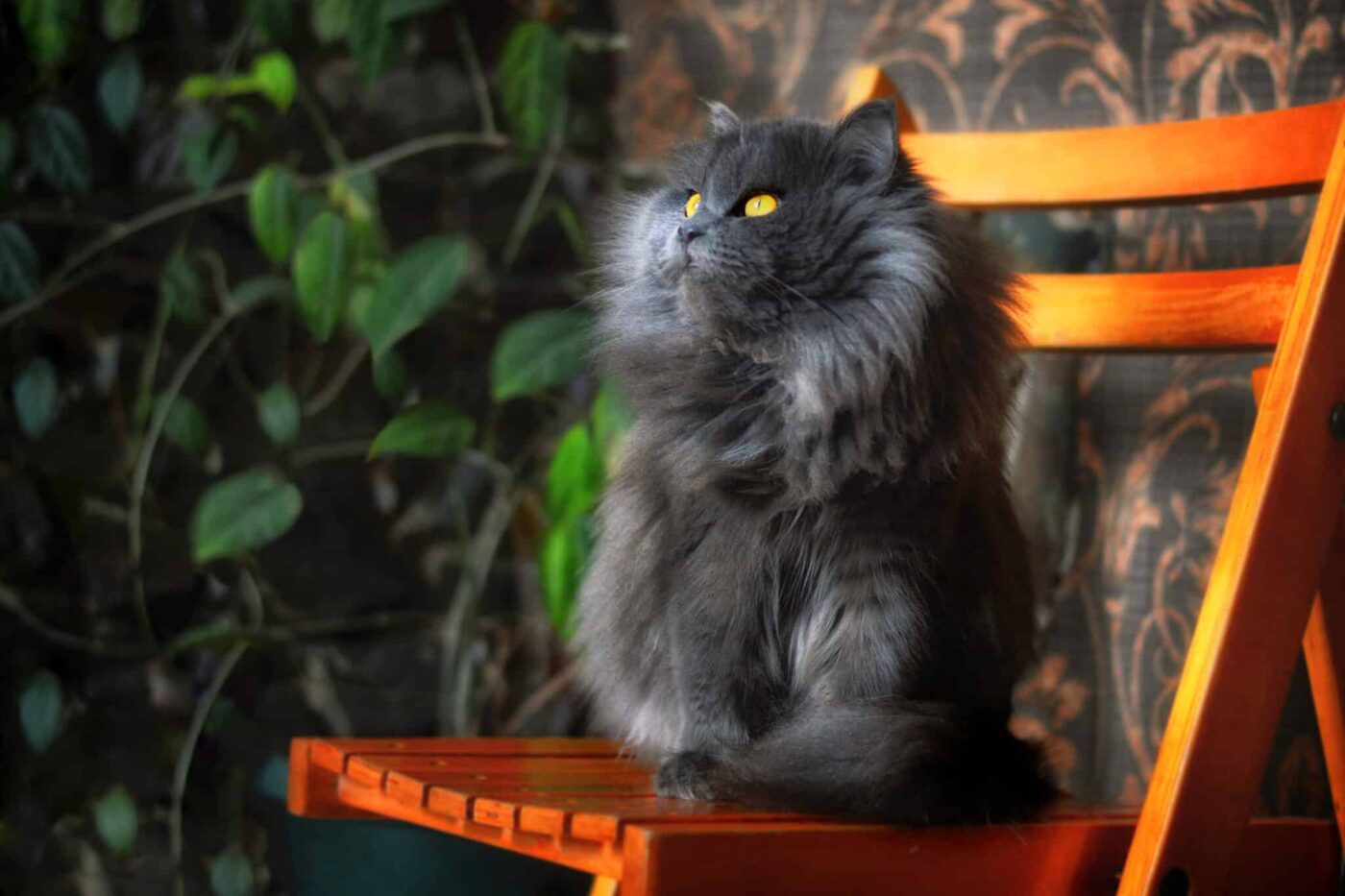
For professionals whose work requires absolute peace and sustained mental clarity, the Persian offers the ultimate stress-relieving presence. Persians are famously sedentary, often spending the majority of their workday lounging peacefully in a designated sunbeam or cozy bed. While their luxurious double coats require rigorous daily maintenance to prevent matting—as emphasized by veterinary guidelines from the Cornell Feline Health Center—their lack of high-energy acrobatics ensures they will never inadvertently knock over office equipment or interrupt important video calls.
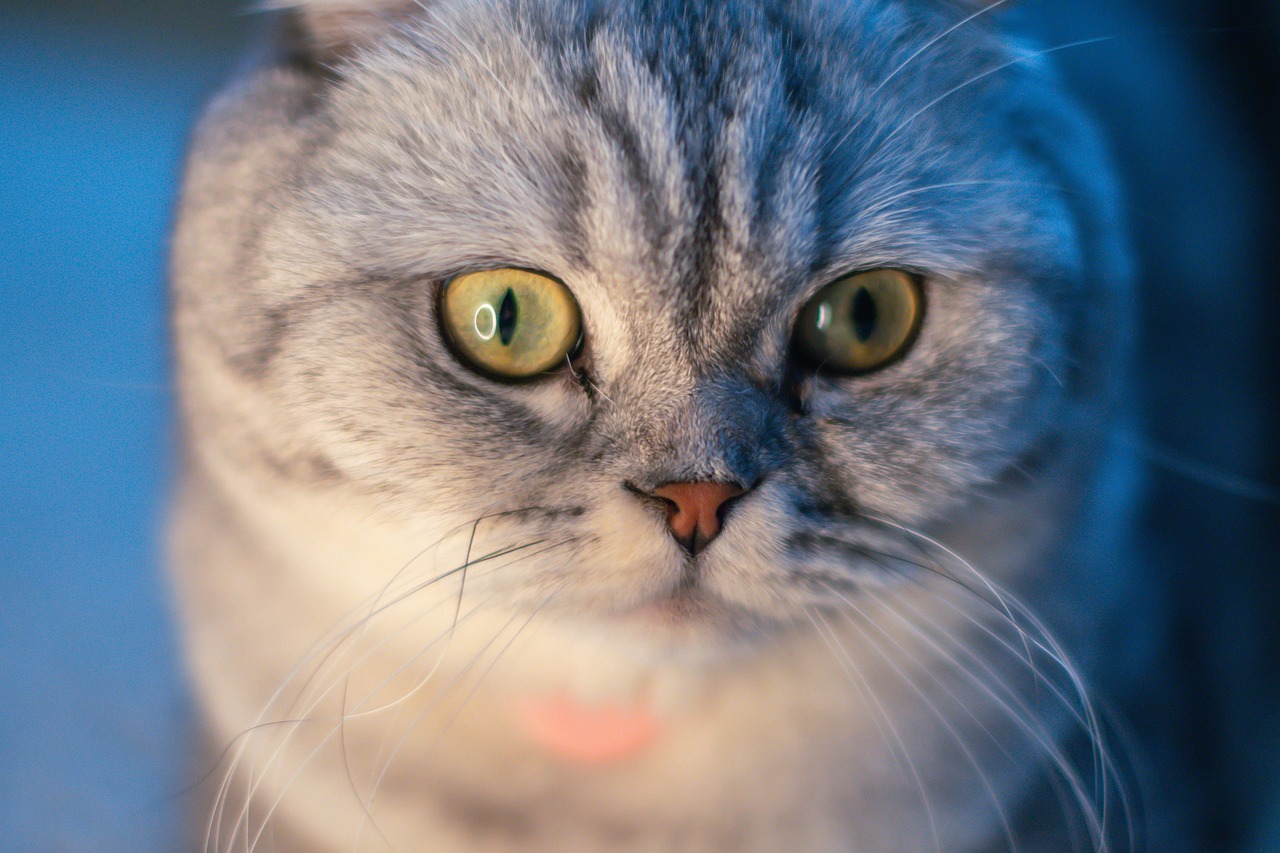
4. Scottish Fold
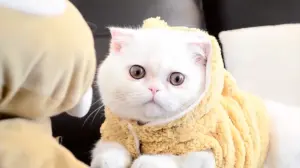
Distinguished by their folded ears and owl-like appearance, Scottish Folds combine sweetness with a relaxed, low-to-moderate energy level. They are profoundly people-oriented without being clingy, happily curling up on an adjacent chair while you tackle spreadsheets or client meetings. Their soft, unobtrusive purring acts as an organic white-noise machine, helping to lower stress levels during high-pressure work assignments.
5. Ragdoll
As their name suggests, Ragdolls have a legendary tendency to go limp when cuddled. They are exceptionally affectionate, making them premier companions for remote workers who enjoy a lap cat during video calls. While they adore human company, their calm disposition prevents them from engaging in destructive separation anxiety when left alone for reasonable stretches, provided they receive quality interactive attention at the start and end of the day.
Official Statements and Expert Guidance
Navigating pet ownership while maintaining a rigorous career requires adherence to established veterinary and behavioral standards. Leading institutions have issued clear frameworks regarding animal isolation, development windows, and environmental enrichment.
ASPCA Guidelines on Feline Behavioral Health
The American Society for the Prevention of Cruelty to Animals (ASPCA) continually stresses that environmental enrichment is vital for indoor cats. In guidelines reviewed for common cat behavior issues, animal behaviorists note:
"High-energy cats left without adequate physical and mental stimulation during long stretches of solitude are statistically prone to developing destructive coping mechanisms, including excessive scratching of furniture, compulsive grooming, and litter box avoidance. Selecting a low-energy breed is the first line of defense in preventing workplace-induced behavioral friction."
Cornell Feline Health Center on Kitten Development
Addressing the frequent question of whether a young animal can handle a standard workday, the Cornell Feline Health Center emphasizes strict developmental timelines:
"A kitten under four to six months of age has high metabolic demands, requiring frequent feeding intervals every four to six hours. Furthermore, this period represents the critical socialization window that shapes adult temperament. Subjecting a developing kitten to eight to ten consecutive hours of daily isolation risks severe developmental setbacks in litter training, social confidence, and emotional security."
Cat Fanciers’ Association (CFA) Temperament Classification
The CFA utilizes standardized breed profiles to help prospective owners align animal energy outputs with human schedules. Official registry literature highlights that breeds selected for independent office workers must score low on scales of demand for vocalization and constant physical interaction, ensuring harmony in professional environments.
Future Outlook: The Evolving Workplace and Feline Welfare
As the global workforce continues to redefine itself through hybrid models, remote hubs, and flexible hours, the integration of pets into professional lives will only deepen. Several key trends are shaping the future of pet-friendly professional life:
Smart Home Automation for Pets: The proliferation of IoT (Internet of Things) devices—such as precision automatic feeders, remote-controlled laser toys, interactive pet cameras with two-way audio, and automated self-cleaning litter boxes—has significantly reduced the friction of leaving independent adult cats alone during standard work hours.
Co-Working Spaces and Pet Policies: A growing number of modern co-working hubs and entrepreneurial incubators are adopting pet-friendly policies. Calm, low-vocal breeds like the British Shorthair and Russian Blue are uniquely suited for these environments, providing emotional grounding without disrupting communal productivity.
Preventative Veterinary Telehealth: As professionals manage packed schedules, the rise of veterinary telehealth allows owners to monitor subtle shifts in animal behavior, stress levels, and dietary habits without interrupting the workday with emergency clinic visits.
Data-Driven Breed Matching: Future adoption platforms are increasingly utilizing algorithmic temperament matching, cross-referencing user work hours, travel frequency, and housing square footage with TICA and CFA databases to ensure sustainable, long-term matches between career-driven individuals and companion animals.
Frequently Asked Questions (FAQ)
1. What age can a kitten handle a full workday alone?
Most kittens reach an appropriate developmental maturity around 4 to 6 months of age. By this stage, they are reliably using the litter box, eating on a standard adult schedule, and moving past the most intense phases of early socialization. Before reaching this milestone, owners must arrange for midday check-ins, professional pet sitters, or dual-kitten adoption to ensure the animal’s nutritional and emotional needs are met.
2. What are the best cat breeds for digital nomads?
Digital nomads require pets that adapt rapidly to new environments and tolerate independent routines. Low-energy, low-vocal breeds like the Russian Blue and British Shorthair excel in these scenarios. Supplementing their environment with puzzle toys ensures they remain mentally stimulated whether residing in a co-working space, a rental apartment, or a temporary home office.
3. Which cat breeds are ideal for software engineers and deep-focus professionals?
Engineers and technical specialists requiring hours of uninterrupted concentration benefit most from quiet, low-maintenance breeds such as the British Shorthair, Russian Blue, Persian, and Scottish Fold. Classified by the CFA as quiet and calm, these breeds will not interrupt complex coding sessions or technical reviews with constant vocal demands.
4. How do small business owners with irregular hours manage cat ownership?
Small business owners juggling unpredictable schedules should prioritize the most independent, low-energy breeds on record. These animals tolerate fluctuating daily routines far better than hyper-social breeds that demand rigid daily schedules. Additionally, selecting robust, healthy breeds minimizes unexpected veterinary emergencies during intense business growth cycles.
5. Does an independent cat mean it doesn’t bond with a busy owner?
No. Independence and affection are not mutually exclusive. Independent breeds like the Russian Blue or Birman often form profound, quiet bonds with their favorite human. They appreciate your presence, greet you warmly upon your return from the office, and offer unwavering emotional support without demanding high-maintenance supervision throughout the workday.