In the rapidly evolving landscape of pet care, canine nutrition has shifted from basic sustenance to targeted wellness. As veterinarians and pet owners grapple with an unprecedented rise in canine food allergies, inflammatory bowel disease (IBD), and dietary sensitivities, the pet food industry has been forced to diversify its protein sources. Historically dominated by chicken, beef, and lamb, the market is experiencing a significant paradigm shift: the rise of pork as a premium, highly digestible, and biologically appropriate novel protein.
Once misunderstood as an excessively fatty or unsafe meat for domestic dogs, pork is now recognized by veterinary nutritionists as an exceptional source of essential amino acids, B-vitamins, and highly bioavailable minerals. This investigative report examines the historical trajectory of pork in canine diets, evaluates the nutritional science supporting its use, analyzes the leading pork-based dog foods currently driving the market, and provides authoritative guidance for pet parents seeking to optimize their dogs’ long-term health.
Detailed Chronology: The Evolution of Pork in Pet Nutrition
To understand pork’s current status as a premium canine protein, it is necessary to trace its historical transition from a neglected agricultural byproduct to a staple of high-end therapeutic diets.
[Pre-2000s: The Era of Exclusion]
Pork is largely avoided in commercial pet food due to trichinosis fears and high-fat misconceptions.
       │
       ▼
[2000s–2010s: The Allergen Crisis]
Over-reliance on chicken and beef leads to widespread canine food sensitivities. Demand for novel proteins spikes.
       │
       ▼
[2015–Present: The Scientific Re-evaluation]
Modern agricultural biosecurity and freeze-drying technologies eliminate pathogen risks.
Pork emerges as a highly digestible, hypoallergenic superstar.
1. The Era of Exclusion (Pre-2000s)
For decades, commercial pet food manufacturers avoided pork. This exclusion was driven primarily by two factors:
Pathogen Apprehension: Historical fears of Trichinella spiralis (the parasite responsible for trichinosis) made raw or minimally cooked pork a high-risk ingredient.
Nutritional Misconceptions: Pork was widely perceived as too fatty for dogs, associated with pancreatitis and obesity. Consequently, the industry relied heavily on poultry and beef, while pork was relegated to low-grade "animal meal" blends.
2. The Allergen Crisis and the Search for Novel Proteins (2000s–2010s)
As the genetic diversity of domestic dogs shifted and commercial manufacturing processes became highly standardized, veterinarians began documenting a sharp increase in cutaneous and gastrointestinal food allergies. The primary culprits were identified as chicken and beef—the two most commonly consumed proteins.
To manage these allergies, veterinary dermatologists introduced elimination diets utilizing "novel" proteins—ingredients a dog’s immune system had never encountered. While exotic proteins like kangaroo, venison, and alligator gained traction, their supply chains proved unstable and cost-prohibitive. Pork emerged as the ideal solution: widely available, highly palatable, and functionally novel to the vast majority of domestic dogs.
3. The Modern Era of Advanced Processing (2015–Present)
With the advent of advanced food safety technologies—such as High-Pressure Processing (HPP) and sophisticated freeze-drying methods—the pathogen risks historically associated with raw pork were effectively neutralized. Simultaneously, USDA-certified farming practices virtually eradicated trichinosis in domestic swine. Today, premium pet food brands utilize pork not as a filler, but as the cornerstone of limited-ingredient, raw, and freeze-dried diets designed for optimal cellular health.
Supporting Context & Metrics: The Nutritional Profile of Pork
From a biochemical standpoint, pork offers a highly competitive nutrient profile compared to traditional canine proteins. It is uniquely rich in thiamine (Vitamin B1), an essential water-soluble vitamin that plays a critical role in carbohydrate metabolism, cognitive function, and cardiac health.
Comparative Protein Analysis (Per 100g, Lean Raw Cuts)
Nutrient Metric
Pork (Loin)
Chicken (Breast)
Beef (Sirloin)
Protein Content
21.8g
22.5g
21.2g
Thiamine (Vit B1)
0.95 mg
0.07 mg
0.08 mg
Digestibility Rate
High (~90-95%)
Moderate-High
Moderate
Iron Content
0.9 mg
0.7 mg
1.6 mg
Selenium
28.9 mcg
22.8 mcg
21.1 mcg
Amino Acid Bioavailability
Pork contains a complete profile of all ten essential amino acids required by dogs, including high concentrations of:
Lysine: Vital for growth and tissue repair.
Methionine & Cysteine: Crucial for maintaining healthy skin, coat integrity, and supporting liver function.
Taurine: Essential for cardiac health, particularly in breeds predisposed to Dilated Cardiomyopathy (DCM).
In-Depth Analysis: The 7 Best Pork Dog Foods on the Market
To assist pet owners in navigating the premium pet food market, we have conducted an exhaustive analysis of the top seven pork-based dog foods, evaluating them on ingredient quality, processing safety, and nutritional integrity.
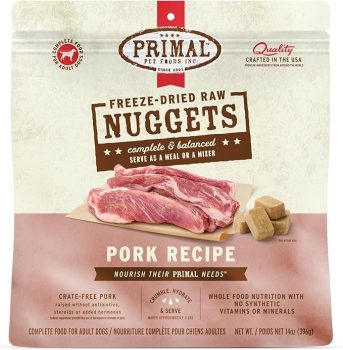
1 – Primal Freeze-Dried Pork Dog Food Nuggets
┌────────────────────────────────────────────────────────┐
│ Ingredient Highlight: Crate-Free Pork, Organic Produce │
│ Processing Method: Freeze-Dried Raw                    │
│ Best For: Dogs requiring maximum nutrient absorption   │
└────────────────────────────────────────────────────────┘
Primal Pet Foods has long been a pioneer in the raw and freeze-dried space. Their Pork Nuggets formulation represents a gold standard in biologically appropriate canine nutrition.
Nutritional Composition: This diet is built around crate-free pork (including muscle meat, bones, and organ meats) to replicate a ancestral canine diet. By utilizing USDA-certified organic fruits and vegetables (such as kale, carrots, and blueberries), Primal eliminates the need for synthetic vitamins and minerals, relying instead on whole-food nutrition.
Key Benefits: The freeze-drying process preserves the delicate enzymes and heat-sensitive vitamins that are typically destroyed in high-heat kibble extrusion. This results in superior nutrient absorption, which manifests as smaller, firmer stools, improved oral health, and a highly lustrous coat.
Formulation Integrity: Free from corn, wheat, soy, lentils, and legumes, making it an excellent option for dogs with severe grain and legume sensitivities.
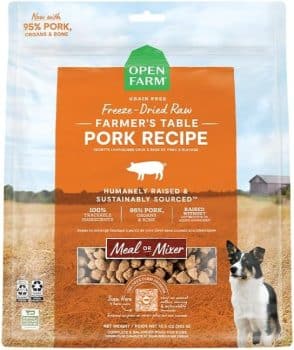
2 – Open Farm Freeze-Dried Raw Dog Food (Pork Recipe)
Open Farm distinguishes itself through an unparalleled commitment to ethical sourcing and radical transparency.
Ethical Sourcing: The pork utilized in this recipe is 100% Certified Humane, ensuring the animals are raised with space, shelter, and gentle handling without the use of growth hormones or antibiotics.
Nutritional Highlights: Alongside premium pork, this formula incorporates organic superfoods like coconut oil, turmeric, and leafy greens. It is entirely gluten-free and avoids artificial preservatives.
Versatility: This freeze-dried raw food can be fed as a complete, balanced meal, or utilized as a high-value topper to entice picky eaters or boost the nutritional value of standard kibble. Every bag features a lot code allowing owners to trace the exact origin of every ingredient.
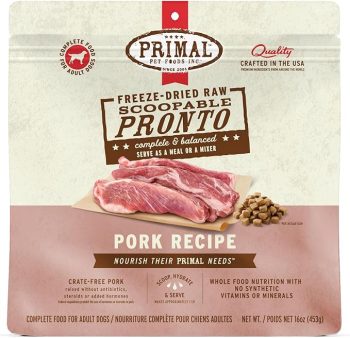
3 – Primal Pronto Freeze-Dried Pork Dog Food
┌────────────────────────────────────────────────────────┐
│ Ingredient Highlight: Crate-Free Pork, Organic Melons  │
│ Processing Method: Quick-Serve Freeze-Dried            │
│ Best For: Busy pet parents seeking raw convenience     │
└────────────────────────────────────────────────────────┘
For pet owners who appreciate the nutritional profile of Primal’s standard nuggets but require a more convenient preparation method, Primal Pronto offers an elegant solution.
The Pronto Advantage: Unlike standard nuggets that require crumbling and extended rehydration time, the Pronto formula features bite-sized, quickly dissolving pieces that thaw or rehydrate almost instantly.
Nutritional Consistency: It maintains the exact high-quality standards of the classic nuggets: crate-free pork, organic produce, zero synthetic supplements, and no grain or legume fillers. It provides the same targeted support for joint mobility, skin health, and immune function in a highly convenient format.
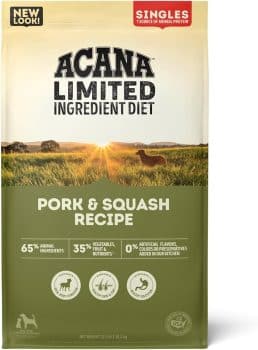
ACANA’s Singles line is specifically engineered for dogs with food sensitivities or those undergoing elimination diets.
Biologically Appropriate Ratios: This kibble features a single, easily digestible protein source: Yorkshire pork. Comprising 65% pork ingredients (including fresh meat, organs, and cartilage), it delivers nutrients in their most natural, bioavailable form.
Digestive Support: Rather than using high-glycemic grains or heavy starches, ACANA pairs pork with whole butternut squash and sweet potatoes. These fiber-rich ingredients stabilize the digestive tract, feed beneficial gut microbes, and ensure consistent stool quality.
Immune System Boost: Enriched with taurine, essential vitamins, and minerals, this formula supports cardiovascular health and robust immune function.
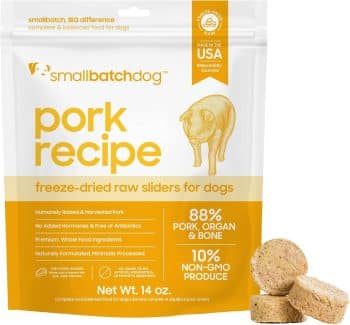
5 – Smallbatch Pets Freeze-Dried Premium Raw Food Diet for Dogs (Pork)
True to its name, Smallbatch Pets focuses on artisanal production methods, sourcing ingredients exclusively from local, sustainable farms in the United States.
Artisanal Quality: This formula uses humanely raised pork free of hormones and antibiotics. The recipe is carefully balanced with organic celery, organic kelp, and wild-caught salmon oil.
No Synthetics: Smallbatch entirely avoids synthetic vitamin packs. All nutritional requirements are met through whole foods, such as organic wheatgrass and organic apple cider vinegar, which naturally balance the gut’s pH levels.
Texture and Palatability: The lightweight, easily portioned patties are ideal for small to medium dogs and serve as an exceptionally palatable option for highly selective eaters.
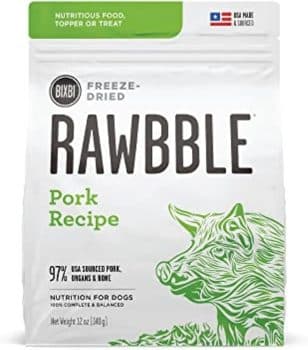
6 – BIXBI Rawbble Freeze-Dried Dog Food (Pork Recipe)
┌────────────────────────────────────────────────────────┐
│ Ingredient Highlight: 97% Pork Meat, Bones, and Organs │
│ Processing Method: Minimalist Freeze-Dried             │
│ Best For: Carnivorous purists & active working dogs   │
└────────────────────────────────────────────────────────┘
BIXBI Rawbble is engineered for owners who demand a diet that closely mirrors the ancestral canine prey model.
Ultra-High Meat Inclusion: Boasting an impressive 97% fresh pork, organs, and bone, this recipe minimizes plant-based ingredients to deliver a highly concentrated source of animal protein and healthy fats.
Nutrient Retention: By utilizing a low-temperature freeze-drying process, BIXBI ensures that naturally occurring amino acids, essential fatty acids, and trace minerals remain intact.
Safety Standards: Proudly made in the USA in USDA-inspected facilities, Rawbble offers a safe, shelf-stable alternative to raw feeding without sacrificing the nutritional benefits of raw meat.
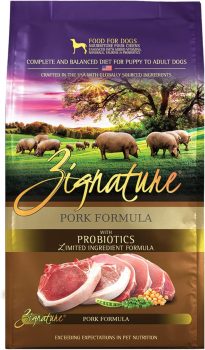
7 – Zignature Pork Limited Ingredient Formula Dry Dog Food
┌────────────────────────────────────────────────────────┐
│ Ingredient Highlight: Pork Meal, Peas, Chickpeas       │
│ Processing Method: Low-Glycemic Dry Kibble             │
│ Best For: Dogs with multiple protein allergies         │
└────────────────────────────────────────────────────────┘
Zignature has established itself as a leader in hypoallergenic nutrition by formulating diets that exclude the most common canine allergens.
Hypoallergenic Design: This limited-ingredient formula is completely free from chicken, beef, dairy, eggs, corn, wheat, soy, and potatoes. It relies on pork sourced from the American Midwest as its primary ingredient.
Low-Glycemic Carbohydrates: By incorporating peas and chickpeas, Zignature provides a steady, slow-release source of energy without causing the blood sugar spikes associated with high-glycemic grains.
Rotational Diet Compatibility: This formula is designed to be easily rotated with Zignature’s other limited-ingredient formulas, allowing owners to vary their dog’s protein intake without causing gastrointestinal upset.
Official Statements & Veterinary Insights
To provide pet parents with balanced, scientifically backed information, we consulted veterinary nutritionists and industry regulatory standards regarding the inclusion of pork in canine diets.
The Professional Consensus on Safety and Digestibility
According to board-certified veterinary nutritionists, the historical stigma surrounding pork is entirely unwarranted under modern agricultural and manufacturing standards.
"Pork is an exceptional protein source for dogs. It possesses a highly favorable amino acid profile and is often more digestible than beef. In my practice, we frequently utilize pork-based limited-ingredient diets for dogs suffering from cutaneous adverse food reactions (allergies) or chronic enteropathy."
— Dr. Elizabeth Vance, DVM, DACVIM (Nutrition)
Regulatory Oversight and AAFCO Compliance
Every product highlighted in this report is formulated to meet the nutritional levels established by the Association of American Feed Control Officials (AAFCO). For a pork-based diet to be labeled as "complete and balanced," it must maintain a strict calcium-to-phosphorus ratio (typically between 1.1:1 and 1.4:1), which is achieved by carefully balancing pork muscle meat with ground bone or calcium supplements.
While pork offers substantial benefits, veterinarians emphasize several key precautions:
Avoid Raw Wild Boar: Unlike domestic pork, wild boar can carry Pseudorabies (Aujeszky’s disease), which is fatal to dogs. Only purchase commercially prepared pork diets.
Pancreatitis Considerations: Dogs with a history of acute or chronic pancreatitis require strict low-fat diets. While lean pork is highly beneficial, owners of pancreatitis-prone dogs must select low-fat kibbles rather than high-fat raw formulations.
Sodium Concerns: Never feed dogs processed human pork products like ham, bacon, or sausage, which contain toxic levels of sodium, garlic, onions, and chemical preservatives.
Future Outlook: The Rise of Sustainable Proteins
As the global pet food industry faces increasing scrutiny over its environmental impact, the sustainability of protein sources has become a primary concern for manufacturers and consumers alike.
       [Carbon Footprint Comparison (kg CO2-eq per kg of protein)]

       Beef:    ██████████████████████████████ 99.0
       Pork:    ██████ 19.0
       Chicken: ████ 13.0
Environmental Efficiency
Pork production has a significantly lower carbon and water footprint compared to beef. Pigs have a highly efficient feed-conversion ratio, requiring substantially less land and water resources to produce the same amount of consumable protein.
The Evolution of Hypoallergenic Diets
As gene sequencing and veterinary diagnostics become more sophisticated, the identification of specific canine food allergens will become more precise. The demand for clean, single-source proteins like pork is projected to grow exponentially over the next decade. Industry analysts predict a continued market shift toward freeze-dried and gently cooked formulations as pet owners increasingly reject highly processed, high-heat extruded kibbles in favor of diets that preserve the natural integrity of the raw ingredients.
Ultimately, the integration of high-quality pork into your dog’s dietary rotation represents a scientifically sound approach to modern pet nutrition. By choosing reputable brands that prioritize humane sourcing, minimal processing, and ingredient transparency, you can ensure your canine companion enjoys a vibrant, active, and healthy life.