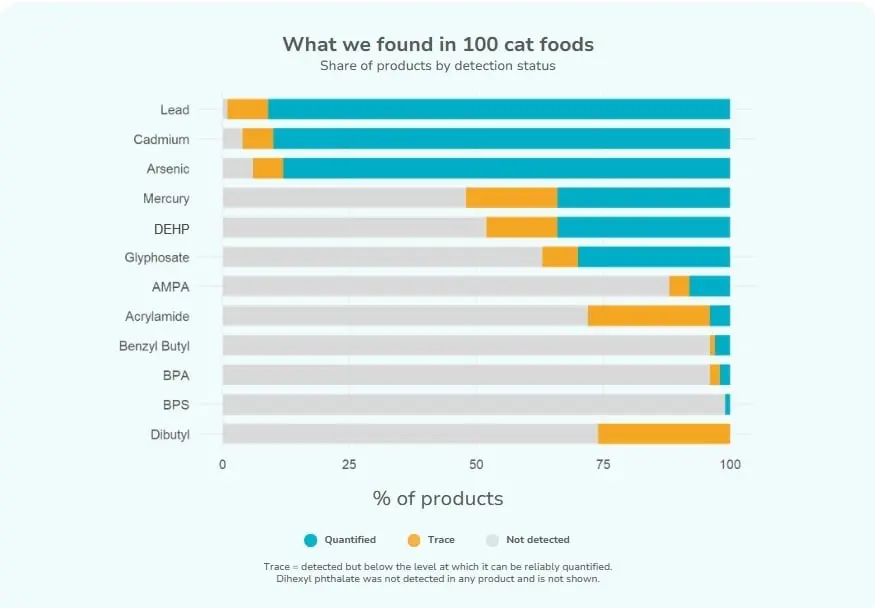
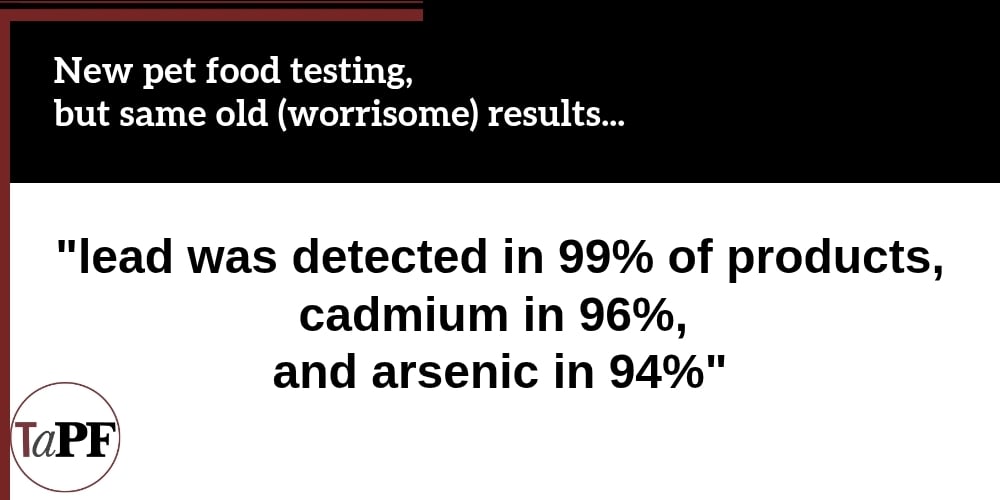
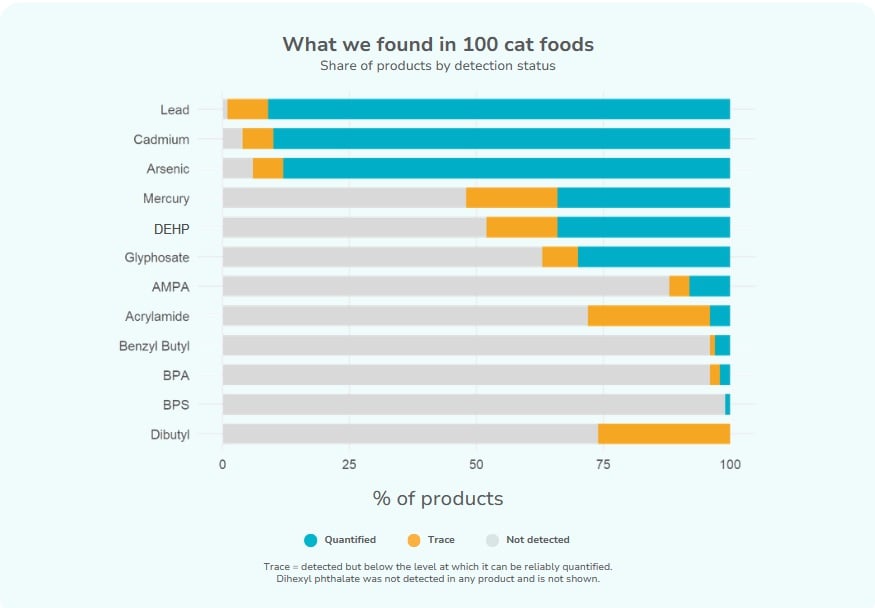
A growing body of independent scientific research has exposed a systemic quality and safety crisis within the commercial pet food industry. Recent laboratory testing conducted by the non-profit Clean Label Project revealed that up to 99% of cat food products tested across 62 popular brands contained measurable levels of heavy metals, including lead, mercury, arsenic, and cadmium. This revelation follows a companion study published earlier in 2026 detailing similarly alarming concentrations of industrial contaminants in dry dog food formulations.
For decades, pet owners have operated under the assumption that commercial pet foods are subjected to rigorous safety benchmarks comparable to those governing human nutrition. However, investigative analysis into federal oversight reveals a stark regulatory vacuum. The United States Food and Drug Administration (FDA) Center for Veterinary Medicine (CVM) currently enforces no specific legally binding maximum action levels or regulatory tolerances for heavy metals in pet food. Instead, federal authorities defer to outdated guidelines derived from livestock management—standards originally engineered to prevent acute poisoning in farm animals prior to slaughter, rather than protecting domestic dogs and cats from the insidious, long-term health consequences of chronic, lifelong exposure.
As independent studies from top-tier research universities and third-party analytical laboratories accumulate, pet food consumer advocates are calling on federal regulators to institute mandatory maximum limits for heavy metals, pesticides, plasticizers, and other environmental toxins. The gap between marketing claims and laboratory reality raises profound questions about supply chain integrity, ingredient sourcing, and the urgent need for systemic regulatory reform in animal feed governance.
Detailed Chronology of Contamination Studies (2009–2026)
The findings released by the Clean Label Project do not represent an isolated incident; rather, they mark the culmination of nearly two decades of repeated, independent laboratory warnings regarding heavy metal toxicity and ingredient fraud in pet food manufacturing.
+-----------------------------------------------------------------------------------+
| CHRONOLOGY OF PET FOOD SAFETY INVESTIGATIONS                                      |
+-----------------------------------------------------------------------------------+
| 2009–2019 : SPEX CertiPrep multi-year testing tracks heavy metals over a decade.   |
| 2021      : Univ. of Nevada, Reno exposes chronic mercury levels & DNA fraud.    |
| Feb 2026  : Clean Label Project publishes White Paper on dry dog food toxics.     |
| Late 2026 : Clean Label Project Cat Food Study reveals contamination in 99% of    |
|             tested products across 62 major commercial brands.                    |
+-----------------------------------------------------------------------------------+
2009–2019: SPEX CertiPrep Baseline Analysis
Initial baseline testing regarding toxic trace elements in animal feed was conducted by SPEX CertiPrep in 2009 and updated in 2019. Over this ten-year observation period, analytical spectrographic evaluations demonstrated that industrial heavy metal contamination was a persistent, unaddressed issue across commercial pet food labels. The decade-long analysis established that trace elements like lead, cadmium, and arsenic were consistently entering the pet food supply chain, primarily through rendered animal byproducts, contaminated mineral mixes, and agricultural soil accumulation.
2021: The University of Nevada, Reno Study
In 2021, researchers at the University of Nevada, Reno (UNR) published a critical study examining heavy metal concentrations and genetic composition in commercial pet foods. The study’s dual approach yielded alarming findings on two fronts:
Heavy Metal Accumulation: The laboratory detected high concentrations of total mercury across numerous pet food samples, determining that the levels present posed significant risk under conditions of chronic daily consumption.
Genetic Mislabeling and DNA Fraud: Molecular DNA testing revealed rampant ingredient substitution across the samples evaluated. Researchers observed that every single sample analyzed demonstrated some degree of labeling inaccuracy. Low-cost proteins, primarily poultry byproducts, were consistently substituted for premium ingredients. Products marketed as featuring high-value proteins—such as specific ocean fish or novel meats—typically contained significantly more cheap chicken than the advertised protein source.
February 2026: Clean Label Project Dog Food Investigation
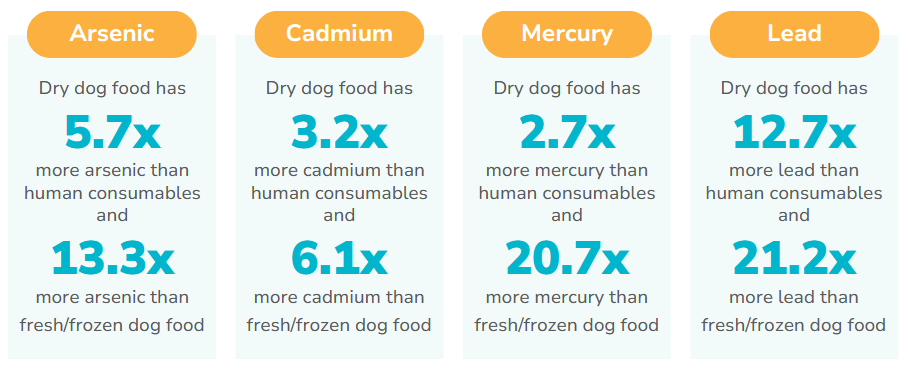
In early 2026, the Clean Label Project published a white paper titled “Extremely High Levels of Lead, Mercury, Arsenic, and Cadmium Found in Dry Dog Food.” The study drew direct comparisons between commercial pet foods and human food contamination thresholds. Crucially, the testing demonstrated a severe disparity based on processing type: traditional ultra-processed dry kibble exhibited significantly higher heavy metal loads, whereas fresh, gently cooked, and frozen pet food formulations tested remarkably better, displaying dramatically lower contaminant profiles.
Late 2026: Clean Label Project Cat Food Study
Building on its canine nutrition findings, the Clean Label Project released its comprehensive report, “Heavy Metals Found in Up to 99% of Cat Food Products Tested Across 62 Brands.” Analyzing hundreds of individual products across feline dietary categories, the study confirmed that toxic trace elements are nearly ubiquitous in commercial cat food, elevating concerns for a species uniquely vulnerable to renal failure and metabolic stress.
To understand why heavy metals permeate commercial pet foods at such high rates, it is necessary to examine the physical mechanisms of pet food manufacturing, ingredient sourcing, and animal physiology.
The "Big Four" Heavy Metals and Companion Animal Toxicity
Heavy metals accumulate in vital organs over time, meaning even low-level, daily exposure can lead to irreversible physiological harm.
+-----------------------------------------------------------------------------------+
| TOXICOLOGICAL IMPACT OF HEAVY METALS IN COMPANION ANIMALS                         |
+-----------------------------------------------------------------------------------+
| CONTAMINANT | PRIMARY SOURCES IN PET FOOD       | TARGET ORGAN SYSTEMS / IMPACT   |
+-------------+-----------------------------------+---------------------------------+
| Lead (Pb)   | Bone meal, rendered animal fats,  | Neurological damage, kidney     |
|             | contaminated soil ingredients     | dysfunction, blood disorders    |
+-------------+-----------------------------------+---------------------------------+
| Mercury (Hg)| Apex predator marine fish (tuna,  | Renal necrosis, central nervous |
|             | tilefish), ocean-sourced meals    | system toxicity, blindness      |
+-------------+-----------------------------------+---------------------------------+
| Arsenic (As)| Rice bran, grain fillers, agricultural| Gastrointestinal distress, cancer|
|             | runoff in crop ingredients        | risks, skin lesions             |
+-------------+-----------------------------------+---------------------------------+
| Cadmium (Cd)| Organ meats (kidney/liver), cheap | Chronic kidney disease (CKD),   |
|             | synthetic mineral premixes        | bone demineralization           |
+-----------------------------------------------------------------------------------+
Lead (Pb): Frequently introduced via contaminated bone meal, rendered animal fats, and soil-borne root vegetables. In felines and canines, lead targets the central nervous system and kidneys, leading to encephalopathy, behavioral changes, and impaired red blood cell synthesis.
Mercury (Hg): Concentrated primarily in fish-based pet foods through biomagnification in the marine food chain. Apex marine species used in cat food formulations store organic methylmercury in muscular tissue, which targets feline renal units and central nervous tissue upon ingestion.
Arsenic (As): Common in grain-inclusive formulations reliant on rice, which naturally absorbs inorganic arsenic from agricultural water and soil. Arsenic exposure impairs cellular respiration and increases long-term oncological risks.
Cadmium (Cd): Absorbed heavily by livestock organ tissues (kidneys and liver) incorporated into pet food meals, as well as low-grade synthetic mineral premixes. Cadmium preferentially concentrates in the renal cortex, directly damaging nephrons over time.
Processing Vectors: Kibble vs. Fresh Formulations
The stark contrast between dry kibble and fresh or frozen pet food lies in the raw ingredients and manufacturing methods employed:
[ Raw Offal & Bone Meal ] ---> [ High-Heat Rendering ] ---> [ Concentrated Heavy Metals ]
                                                                        |
                                                                        v
[ Low-Grade Premixes ]  ---> [ High-Extrusion Kibble ] ---> [ Chronic Exposure Risk ]
Rendering and Concentration: Dry kibble relies heavily on rendered meat meals (e.g., poultry byproduct meal, meat and bone meal). The rendering process cooks raw animal tissues at high temperatures to remove moisture and fat, concentrating proteins, bone matter, and any fat-soluble or bone-bound heavy metals like lead and cadmium.
Synthetic Premix Quality: Lower-cost kibble brands often utilize inexpensive, industrial-grade trace mineral packs sourced from industrial byproducts, which frequently contain unrefined trace heavy metal contaminants.
Fresh/Frozen Integrity: Fresh and minimally processed pet foods generally utilize whole, human-grade muscle meats and non-rendered ingredients, significantly reducing the concentration of heavy metals linked to bone meal and rendered offal.
Economic Adulteration and DNA Misrepresentation
The findings from the University of Nevada, Reno highlight an economic driver behind pet food contamination: economically motivated adulteration. When manufacturers substitute cheap, rendered chicken byproducts for premium or novel proteins (such as salmon, venison, or duck), they introduce uncontrolled inputs into the supply chain. Low-cost rendered poultry components, often sourced from high-density agricultural systems, carry distinct environmental contaminant loads that bypass quality assurance testing focused solely on the advertised premium protein.
Official Statements & The Regulatory Reality
The regulatory framework governing animal feed in the United States relies on a complex, often fragmented arrangement between the FDA Center for Veterinary Medicine (CVM), state feed control officials, and advisory bodies like the Association of American Feed Control Officials (AAFCO).
The FDA Position
In an official statement addressing heavy metal contaminants in animal feed, the FDA CVM outlined its regulatory approach:
"While the FDA CVM has not promulgated guidance, action levels, or tolerances for heavy metal levels in animal food, the FDA has—and uses—the authority to take action on a case-by-case basis where a particular animal food is found through routine or targeted testing to be adulterated. This is accomplished by taking into consideration information provided in the National Research Council of the National Academies Mineral Tolerance of Animals book (NRC) as well as information provided in the Association of American Feed Control Officials Official Publication (AAFCO OP)."
Translating Regulatory Policy
To fully understand the FDA’s statement, it must be translated from administrative language into operational reality:
No Explicit Statutory Limits: The federal government enforces no proactive, enforceable legal ceiling for heavy metals tailored specifically to domestic pet food products.
Reactive Enforcement: The FDA does not routinely screen commercial pet foods for heavy metals prior to retail distribution. Instead, intervention occurs reactively on a "case-by-case" basis after an issue is flagged.
Misaligned Benchmarks: The reference standards cited by the FDA—published by the National Research Council (NRC) and AAFCO—were created to assess toxicity thresholds in farm livestock (cattle, swine, poultry).
The Flaw in Existing Benchmarks
The Clean Label Project’s Cat Food Report directly challenges the validity of using livestock-derived reference values for household pets:
"While human foods can often be compared to third-party regulatory thresholds, few (if any) regulations exist surrounding these contaminants in cat food. The The few reference values that do exist for animal feed—maximum tolerable levels published by the National Research Council and the Association of American Feed Control Officials (AAFCO)—were derived to prevent acute poisoning in livestock, not to protect a housecat eating the same food every day for fifteen years. These regulations, heavily influenced by trade, provide false security and a ready-made excuse to reassure consumers about the products’ purported safety."
+-----------------------------------------------------------------------------------+
| REGULATORY STANDARD COMPARISON: LIVESTOCK VS. COMPANION ANIMALS                   |
+-----------------------------------------------------------------------------------+
| METRIC                | LIVESTOCK FEED STANDARDS      | COMPANION ANIMAL NEED     |
+-----------------------+-------------------------------+---------------------------+
| Target Species        | Cattle, Swine, Poultry        | Felines and Canines       |
| Lifespan Expectancy   | Months to 1–2 years           | 10 to 20 years            |
| Primary Objective     | Prevent acute toxicity prior  | Prevent chronic disease & |
|                       | to commercial slaughter       | organ failure over time   |
| Dietary Diversity     | Forage, variable feeds        | Mono-diet (same food daily)|
| Regulatory Threshold  | High tolerance levels         | Strict, low-dose limits   |
+-----------------------------------------------------------------------------------+
Consumer Advocacy and the Demand for Accountability
Susan Thixton, a prominent pet food consumer advocate, founder of TruthaboutPetFood.com, and representative at the Association for Truth in Pet Food, has leveraged these cumulative findings to press federal authorities for formal policy revisions.
Addressing the regulatory gap, Thixton poses a fundamental challenge to federal regulators:
"How many studies evidencing US pet food is frequently contaminated/adulterated is it going to take for FDA to establish maximum allowed levels for heavy metals, pesticides, plastics in pet foods?"
Advocates argue that regulatory inaction places an unreasonable burden of risk on pet owners. Unlike humans, who consume a varied diet that naturally dilutes exposure to any single contaminant source, household pets typically consume a single, uniform commercial diet twice a day for their entire lives. Under this mono-diet regime, even micro-doses of persistent toxins like lead, cadmium, arsenic, and mercury bioaccumulate in kidney and liver tissues, compounding chronic health conditions such as feline chronic kidney disease (CKD)—the leading cause of death in aging cats.
Future Outlook & Industry Implications
The convergence of third-party laboratory data, academic studies, and consumer advocacy is forcing an industry-wide re-evaluation of pet food safety and supply chain transparency.
Market Shift Toward Transparent Sourcing
In response to published findings on heavy metal contamination, consumer demand is shifting toward brands that offer comprehensive supply chain traceability. Third-party certifications, such as the Clean Label Project Purity Award, are becoming critical differentiators in the premium pet food market. Manufacturers are increasingly pressured to provide independent, batch-level Certificate of Analysis (COA) testing for heavy metals, glyphosate, and plasticizers.
Emerging Regulatory and Legal Pressures
Continued exposure of heavy metal contamination in mainstream brands creates significant legal risk for manufacturers. Class-action litigation surrounding false advertising, deceptive trade practices, and failure to disclose toxic contaminants is expected to increase. Furthermore, as consumer awareness grows, state-level feed control officials may face legislative pressure to mandate explicit heavy metal testing protocols independent of federal FDA standards.
Recommendations for Consumers and Industry Stakeholders
To navigate current market vulnerabilities, industry analysts and advocacy groups recommend the following proactive measures:
Establishment of Mandatory Standards: Regulatory bodies (FDA, AAFCO) must establish species-specific, chronic-exposure maximum limits for lead, mercury, cadmium, and arsenic in companion animal food.
Diversification of Protein Sources: Pet owners are advised to rotate diets and protein sources periodically to reduce the bioaccumulative risk associated with mono-diets.
Prioritization of Whole Food Formulations: Transitioning toward gently cooked, fresh, or human-grade certified diets can reduce exposure to rendered bone meals and industrial mineral premixes known to carry elevated toxic loads.
Third-Party Verification: Pet food brands must adopt independent laboratory verification, making raw ingredient testing results fully transparent to the public.
Without systemic regulatory changes that replace livestock-era standards with true companion-animal safety thresholds, the commercial pet food market will continue to operate with unquantified risks to long-term pet safety.