
The landscape of pet travel has undergone a profound transformation over the past half-decade, shifting from an era of robust, cross-country mobility to an unprecedented period of stasis and digital community building. For travel enthusiasts and pet owners alike, the onset of the global health crisis in early 2020 abruptly halted a burgeoning movement toward experiential, animal-inclusive tourism. This report examines the hiatus and subsequent digital renaissance of Dog Jaunt, a prominent digital resource for pet travel enthusiasts, spearheaded by its founder and her traveling canine companion, Chloe.
Following years of intensive personal logistics—specifically, orchestrating complex cross-country relocations for aging parents and in-laws to the Pacific Northwest—the platform’s operations experienced a temporary lull. Just as these family transitions reached completion, global travel restrictions intervened. Rather than succumbing to prolonged dormancy, the Dog Jaunt community, affectionately known as "Dog Jaunt Nation," has pivoted toward resilience, resource-sharing, and digital archiving.
This retrospective and forward-looking analysis details the logistical triumphs of pre-pandemic transcontinental relocations, the operational adjustments made to essential travel databases during a period of zero tourism, and the sociological importance of digital communities in mitigating isolation among pet owners. Through an examination of updated airline policies, personal travel logs through America’s most striking national parks, and community engagement metrics, this feature explores how niche travel journalism adapts when the very act of travel is temporarily suspended.
Detailed Chronology
Phase I: The Transcontinental Relocation Era (2015–2019)
For the better part of five years, the operational focus of Dog Jaunt was largely subsumed by demanding family logistics. The primary objective involved executing seamless, low-stress relocations for elderly family members, moving both in-laws and parents from their long-term eastern and midwestern residences out to Seattle, Washington.
These multi-stage transitions required meticulous planning, balancing the specialized medical and comfort needs of senior citizens with the logistical demands of long-distance driving. During this intensive period, public-facing updates on the blog slowed significantly. However, these years served as an exhaustive field study in American highway infrastructure, vehicular pet containment, and the art of the cross-country road trip.
Phase II: The Utah Expedition and Canine Resilience
Amidst the grueling moving schedule, opportunities for exploratory travel persisted. The author utilized nearly every major east-west interstate corridor across the United States. However, the final preparatory road trip broke from convention. Eschewing the traditional path of historic Route 66 past Gallup, New Mexico, the itinerary pivoted northward to explore the geological wonders of Moab, Utah, and Capitol Reef National Park.
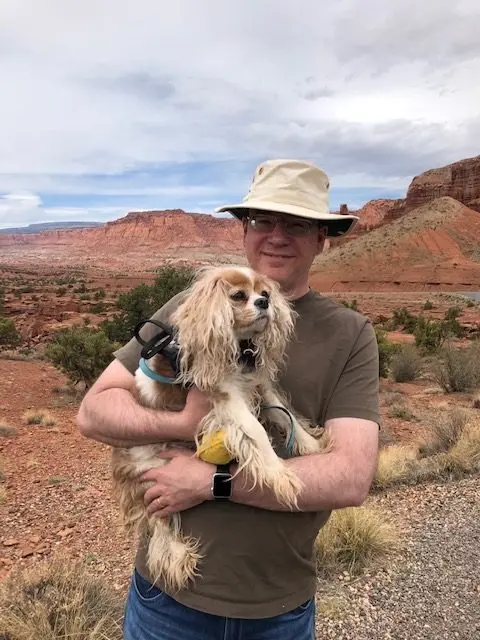
Throughout these exhaustive journeys, Chloe—the platform’s resident travel mascot—demonstrated remarkable adaptability. Observers noted that exposure to the high-desert sun and red dust altered her appearance, leaving her coat tinted in a distinct shade colloquially dubbed "Capitol Reef Red." Despite the physical demands of vehicular travel across thousands of miles, veterinary check-ups confirmed that the canine remained in peak physical condition, displaying high energy levels and resilience.
Phase III: The Pandemic Pivot and Digital Re-Entry (Early 2020)
As the personal relocations concluded in late 2019 and early 2020, the emergence of the global health crisis abruptly halted worldwide leisure travel. With commercial aviation grounded and interstate road trips discouraged, the fundamental premise of a pet travel blog faced an existential challenge.
Rather than suspending operations indefinitely, the platform initiated a strategic re-entry plan. Recognizing that while physical travel was impossible, the desire and future planning for travel remained high among consumers, the editorial focus shifted inward. The immediate priority became the exhaustive auditing and updating of core informational assets—specifically, the compendiums tracking U.S. and international airline pet policies.
Supporting Context & Metrics
The Economics and Logistics of Pet-Inclusive Travel
The pet travel sector represents a multi-billion-dollar segment of the broader tourism industry. According to historical data from the American Pet Products Association (APPA), over 70% of U.S. households own a pet, and a rapidly growing percentage of these owners refuse to leave their companions behind when traveling.
However, navigating the regulatory environment for animal transport remains notoriously complex. Commercial airline policies regarding in-cabin versus cargo hold transport vary wildly between domestic carriers and international flag carriers. Dog Jaunt has historically filled this informational void by maintaining meticulously researched, up-to-date comparative charts.
During the 2020 operational reboot, two primary reference tools underwent total verification and modernization:
- The U.S. Airline Pet Policies Master Chart: A comprehensive breakdown of carrier-specific kennel dimensions, weight restrictions, reservation fees, and documentation requirements across major domestic airlines (including Delta, United, American, and Southwest).
- The International In-Cabin Pet Policies Chart: A specialized matrix outlining foreign carrier willingness to accommodate small pets within the passenger cabin, alongside destination-specific quarantine and rabies documentation protocols.
Community Engagement and the Psychology of Niche Forums
Despite the author’s self-identification as a "textbook introvert," the organic growth of the Dog Jaunt readership highlighted the profound psychological need for peer-to-peer connection among specialized travelers. Travel anxiety—magnified exponentially during periods of public health crises—often isolates pet owners who worry about the safety and well-being of their animals.
Data collected from reader submissions, direct emails, and social media interactions indicate that user retention during periods of non-travel relies heavily on shared nostalgia and forward-looking anticipation. The platform’s engagement strategy relies on a dual-pronged digital approach:
- Permanent Archives (Blog Comments): Providing a structured, searchable environment where travel stories, tips, and troubleshooting advice remain permanently accessible to future travelers.
- Transient Feeds (Social Media): Utilizing platforms like Facebook for immediate, conversational engagement, acknowledging that while social media posts quickly vanish into algorithmic feeds, the core blog serves as an enduring knowledge base.
Official Statements & Community Feedback
The re-engagement campaign launched in the spring of 2020 elicited an immediate, emotionally resonant response from the readership, collectively referred to as "Dog Jaunt Nation."
In an official editorial communication released to subscribers, the platform addressed both the prolonged silence and the path forward:
"Isn’t it ironic? For the past few years, I’ve been entirely focused on moving my in-laws, and then my own parents, out to Seattle from their respective homes, and you haven’t heard a peep from me or Chloe. Now the parents are settled—and this dreadful virus is upon us, and no one is traveling. But Dog Jaunt Nation is resilient, and hopeful, and we can share tips and stories and look forward to better days."
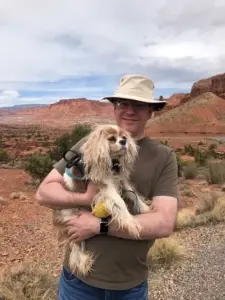
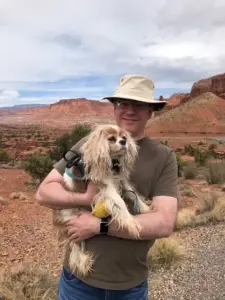
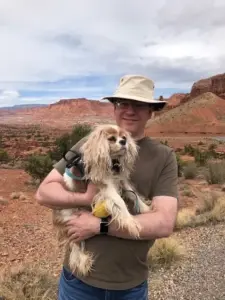
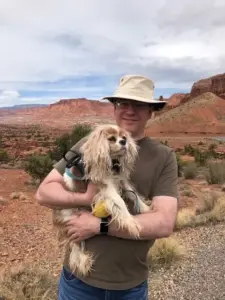
Addressing widespread reader inquiries regarding the mascot’s health and whereabouts, the platform shared visual documentation of Chloe during her travels through Utah’s red rock country:
"First things first: Chloe is absolutely fine. She’s — well, let’s call it blonder — than she was, but she’s full of pep and bounce. Thank you to all of you who worried about her during this downtime, and forgive me for not writing back with reassurance."
Reflecting on the psychological value of the community during an era of heightened global anxiety, the founder emphasized the unique bond forged among travelers:
"The thing I valued most about Dog Jaunt — and this is odd, coming from a textbook introvert — was the community we created together. Especially in this anxious time, it’ll be a great source of comfort to be back in touch with Dog Jaunt Nation."
Future Outlook
As the travel industry looks toward eventual recovery and readjustment, platforms dedicated to specialized transit are re-evaluating their long-term utility. While immediate physical journeys remain constrained by health guidelines and evolving regulatory frameworks, the appetite for exploratory mobility has not diminished.
Future projections for Dog Jaunt and the broader pet tourism niche point toward several key developments:
- Enhanced Regulatory Scrutiny: Airlines are anticipated to implement stricter behavioral and health verification standards for traveling pets, increasing the demand for authoritative, regularly updated policy guides.
- The Rise of Domestic Road Culture: With international aviation facing protracted recovery timelines, regional road trips and national park exploration with canine companions are expected to surge, placing a premium on vehicular travel tips, pet-friendly lodging reviews, and trail regulations.
- Digital Community Resilience: Niche forums that successfully maintained audience engagement through periods of forced immobility are positioned to capture heightened loyalty as travel restrictions lift.
Ultimately, the enforced pause of 2020 served as a stress test for travel journalism. By pivoting from active trip reporting to archival maintenance and community curation, platforms like Dog Jaunt have demonstrated that the spirit of adventure survives even when movement itself is brought to a temporary halt.