
Executive Overview
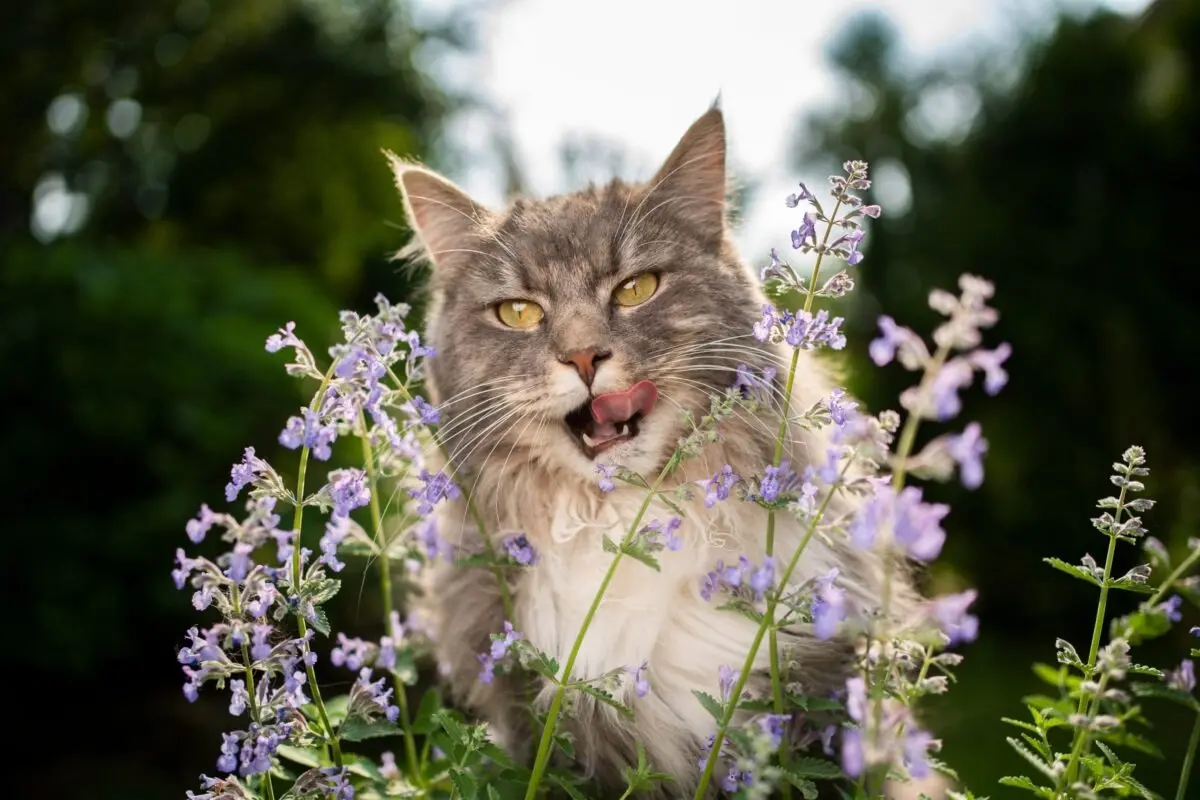
For millions of cat owners worldwide, the transition from a serene, quiet afternoon to an impromptu household obstacle course happens in the blink of an eye. One moment, a coffee mug rests securely on a side table; the next, a deliberate, curious paw sends it sliding into the abyss. While these spontaneous acts of domestic chaos often test the patience of human companions, animal behaviorists and feline geneticists view them through a very different lens: as vital expressions of high intelligence, relentless curiosity, and primal predatory instincts.
Cats do not possess a malicious bone in their bodies; rather, their evolutionary programming demands continuous environmental assessment, problem-solving, and play. However, certain cat breeds are exceptionally gifted in the art of constructive—and sometimes destructive—mischief. From high-flying agile leapers to water-obsessed explorers and relentlessly vocal masterminds, these breeds treat the domestic sphere as an endless playground.
This investigative report examines the psychological, physiological, and behavioral profiles of the world’s most mischievous cat breeds. Furthermore, it explores the veterinary consensus on channeling feline energy, the economic impact of pet-proofing a home, and actionable strategies for redirecting high-octane curiosity into enriching, safe engagement.
Detailed Chronology: The Evolution of Feline Domestic Curiosity
To understand why modern house cats turn our living rooms into stunt tracks, one must trace the timeline of feline domestication and behavioral evolution.
- Pre-Domestication (Approx. 10,000+ Years Ago): Wild progenitors of the domestic cat (Felis lybica) survived strictly through relentless vigilance. Their daily survival depended on detecting micro-movements in tall grass, scaling vertical surfaces to scout for prey or evade larger predators, and investigating every novel scent or sound in their territory.
- Early Agricultural Era: As cats integrated themselves into human settlements to control rodent populations, their natural curiosity became an asset. They mapped out grain stores, barns, and shipholds, treating every dark corner and enclosed space as a potential hunting ground.
- Selective Breeding and Breed Development (19th–21st Centuries): As humans began selectively breeding cats for specific aesthetic and behavioral traits, certain lineages were amplified for traits like extreme athleticism, high social dependency, or hyper-intelligence. Breeds like the Siamese, Abyssinian, and Bengal retained—and in some cases magnified—the wild, exploratory drive of their ancestors.
- The Modern Indoor Era: Today, these high-drive breeds find themselves in climate-controlled apartments and suburban homes. Lacking the need to hunt for actual survival, their ancient instinctual programming for exploration, climbing, and tactile investigation remains entirely intact. Consequently, modern domestic environments become substitute ecosystems where doorknobs, faucets, shopping bags, and open kitchen cabinets serve as the new wilderness.
Supporting Context & Metrics: The Science of Feline Mischief
Why do certain cats constantly feel the need to investigate, bat, and overturn household items? Veterinary science and ethology point to several core drivers:
[Feline Boredom / Under-stimulation]
       │
       ▼
[Unfulfilled Hunting/Exploratory Drive]
       │
       ▼
[Redirected Energy (Cabinet Opening, Pushing Objects, Vocalizing)]
       │
       ▼
[Human Reaction (Laughter, Attention, Reprimand)]
       │
       ▼
[Reinforced Behavioral Loop (The Cat Learns How to Summon Humans)]
1. The Cognitive Need for Novelty
Felines possess working memories that allow them to remember spatial layouts and track moving objects over time. Highly intelligent breeds—such as the Oriental Shorthair, Abyssinian, and Cornish Rex—experience cognitive stagnation if their environments remain static. When toys never change and rooms offer nothing new to inspect, these cats invent their own amusement, which frequently involves testing the gravitational integrity of household objects.
2. Tactile and Kinesthetic Exploration
Unlike dogs, which primarily explore the world through scent, cats rely heavily on whiskers, paws, and mouth-feel to assess textures and spatial boundaries. Large-pawed breeds like the Maine Coon or hairless breeds like the Sphynx use tactile investigation to understand temperature, density, and resistance. This explains why they are so frequently caught dipping paws into water glasses or digging through open laundry baskets.
3. The Reinforcement Loop
Many feline behavioral experts note that "mischief" is often an attention-seeking mechanism. When a cat knocks a pen off a desk and the human reacts by gasping, laughing, or getting up to intervene, the cat registers a clear cause-and-effect relationship: Action X summons Human Y immediately.
Breed Profiles: The Masters of Domestic Chaos
To truly appreciate feline mischief, we must examine the specific physical and psychological traits of the breeds most frequently cited for turning homes upside down.
The Abyssinian
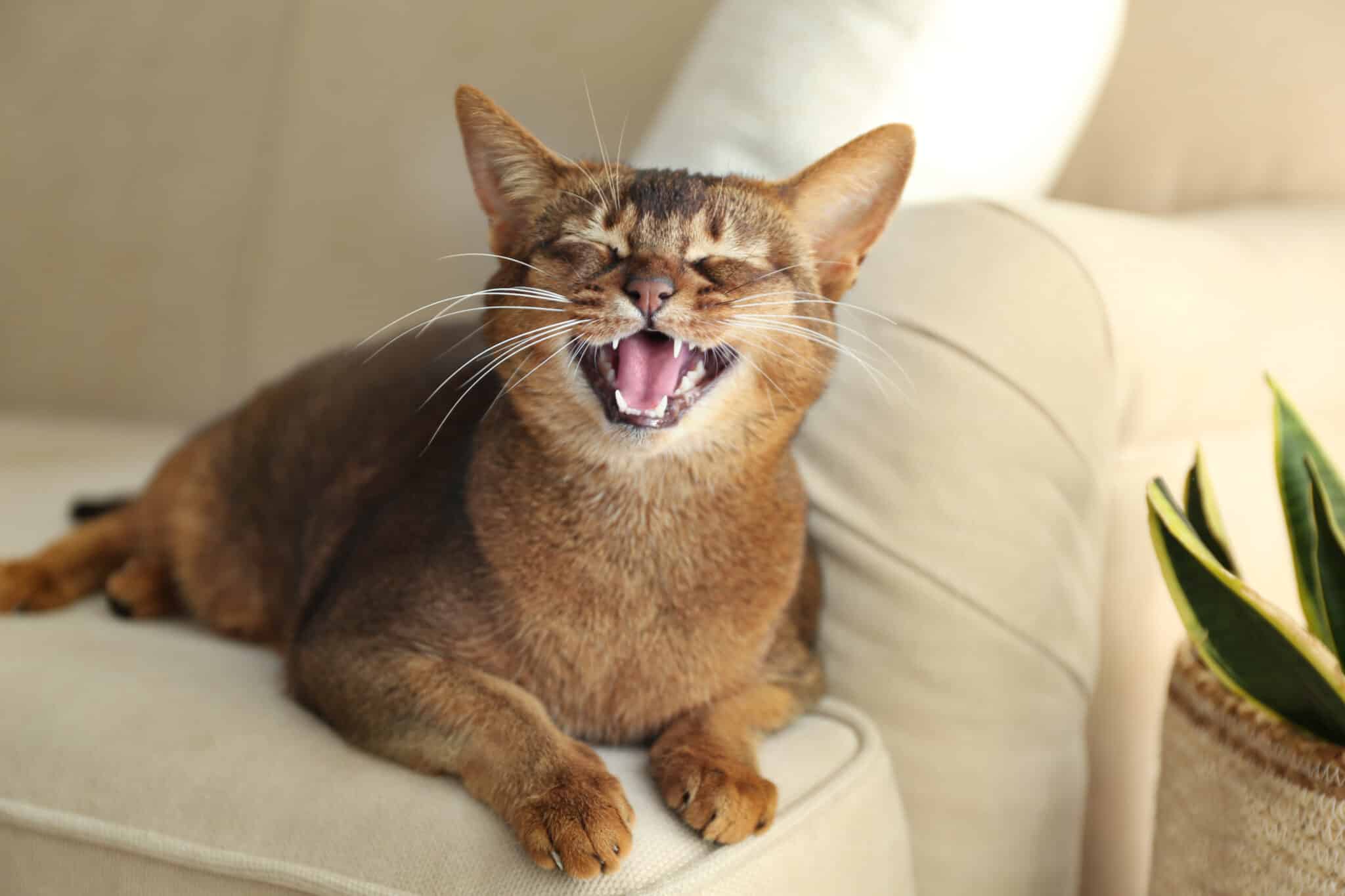
Recognized as a natural explorer with an elite athletic pedigree, the Abyssinian possesses an insatiable appetite for discovery. An unattended room is an open invitation for an Abyssinian to scale bookcases, inspect open drawers, or perch atop high kitchen shelves. Because they require robust mental and physical challenges, a stagnant environment will quickly prompt them to engineer their own thrilling adventures.
The Bengal
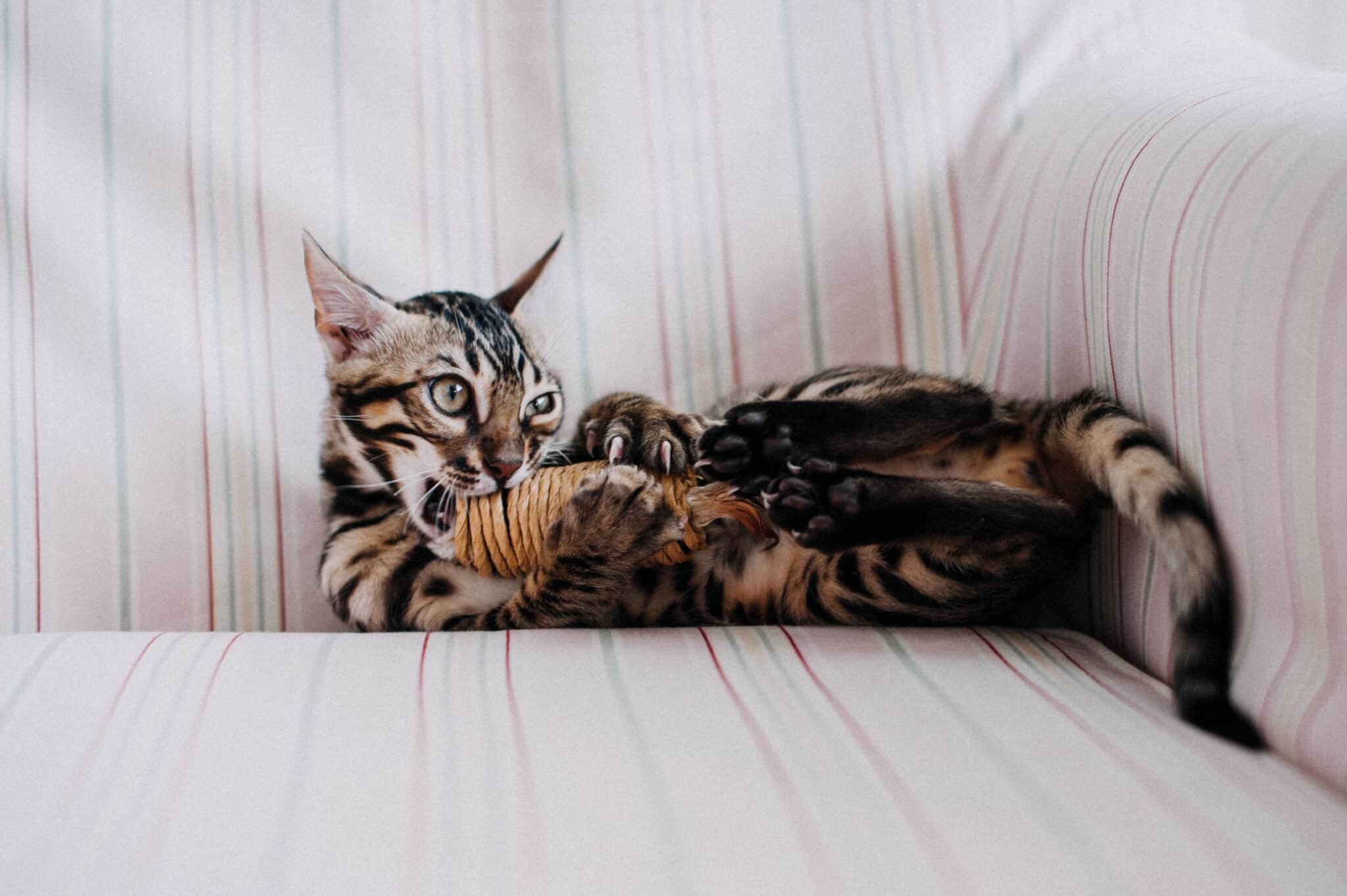
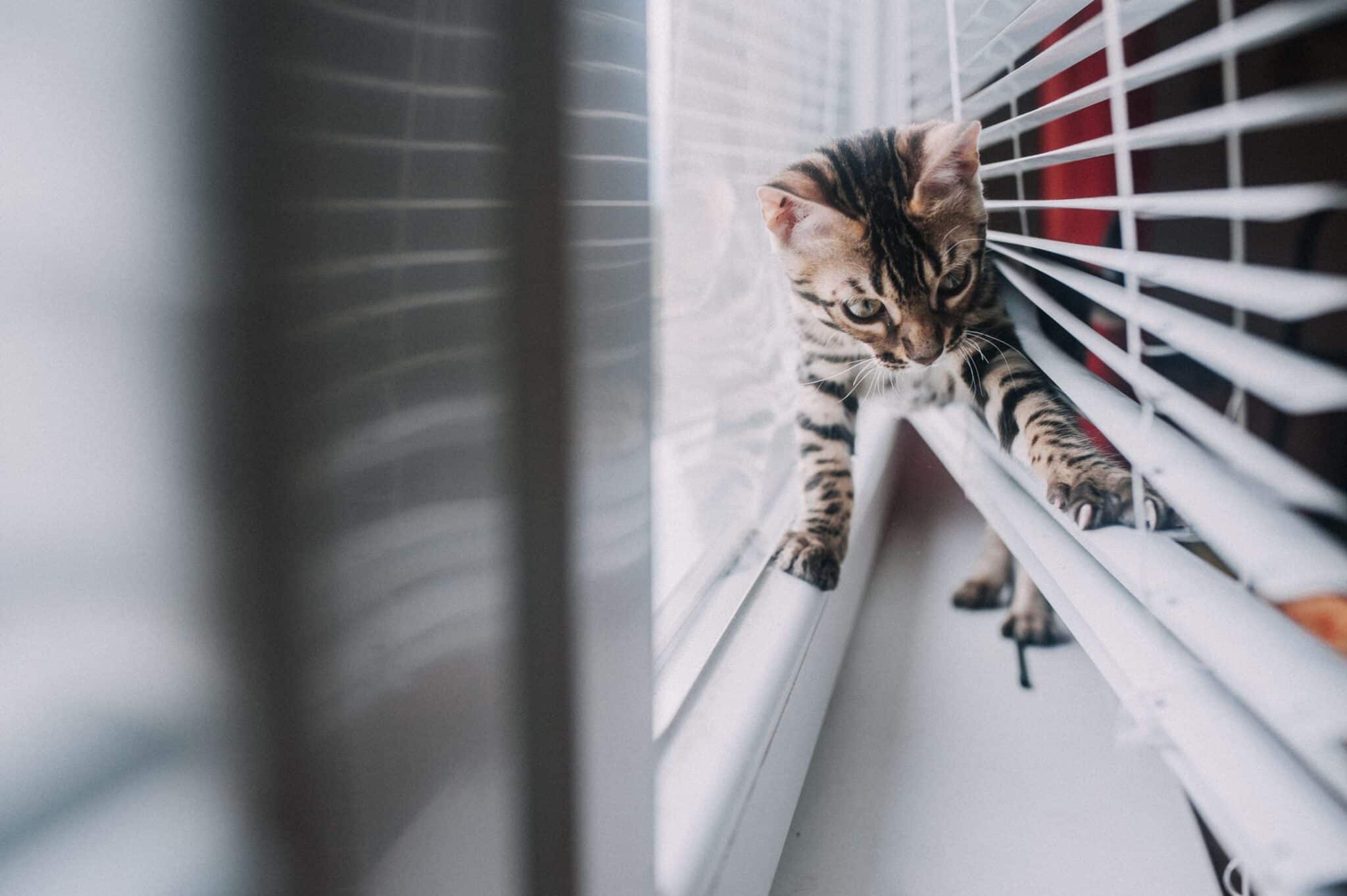
With their striking spotted coats and muscular, wild-cat appearance, Bengals look like miniature leopards ready to conquer the jungle. Their high intelligence and boundless energy make them master tacticians of trouble. A Bengal can easily figure out how to open low cabinets, turn simple toys into high-stakes hunting simulations, or obsessively investigate running faucets. Without dedicated stimulation, they will effortlessly transform a tranquil living room into a high-octane obstacle course.
The Siamese
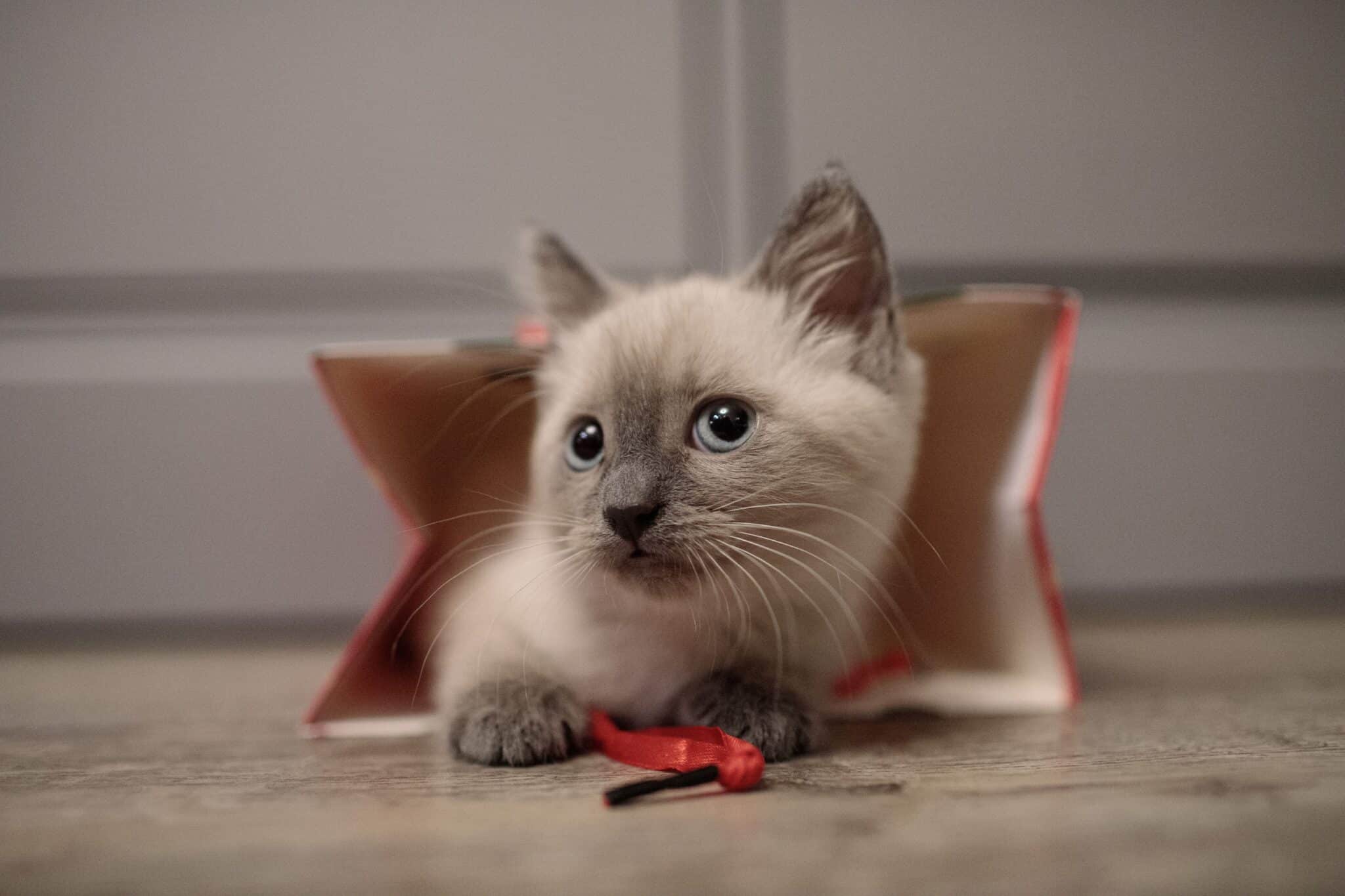
Famously vocal, social, and whip-smart, Siamese cats are consummate communicators. Their cleverness manifests as relentless persistence when something catches their eye. Whether pawing at a closed door, tearing into shopping bags, or vocalizing near treat cupboards, they understand how to command attention. Because they thrive on interaction, even mild reprimands or laughter from their humans can reinforce these entertaining stunts.
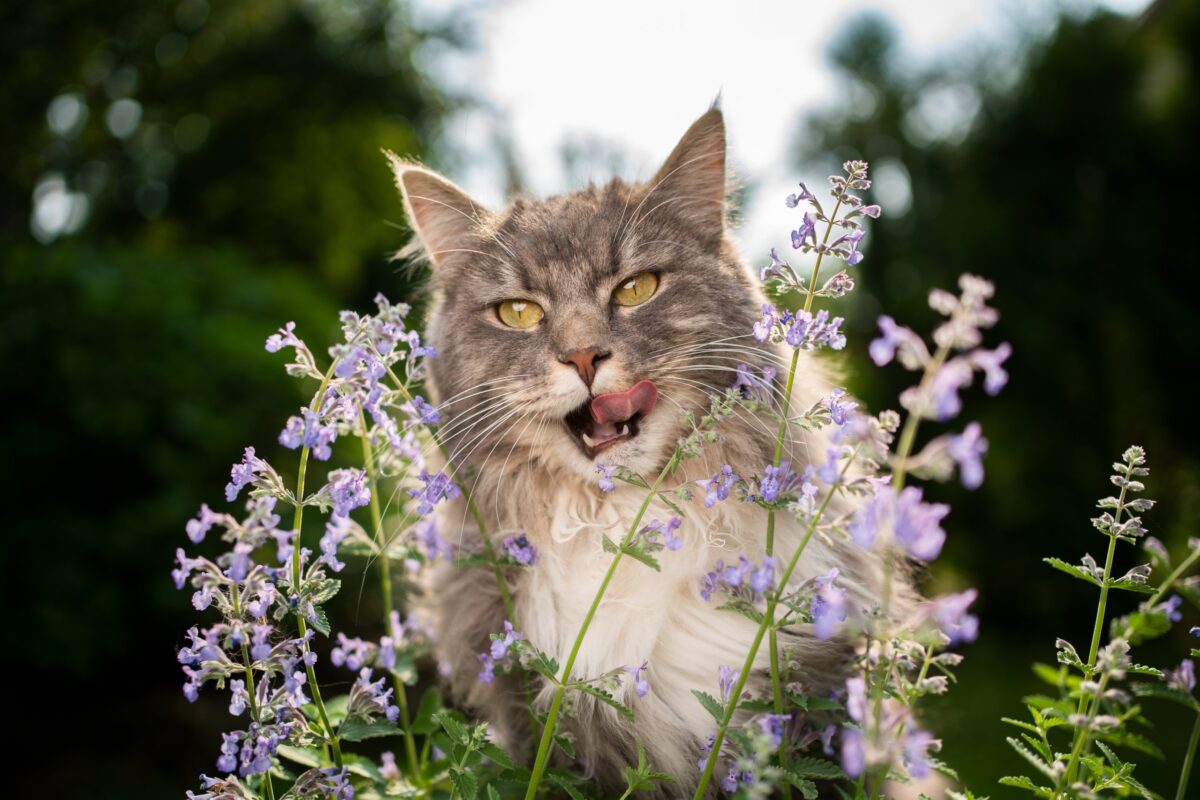
The Maine Coon
Don’t let their gentle giant status and fluffy coats fool you; Maine Coons are champion investigators. Their enormous paws make everyday acts—like inspecting a drinking glass or digging through a cardboard box—dramatic and impactful. While rarely destructive by nature, their sheer physical size means casual curiosity can lead to broken ceramics if proper climbing furniture isn’t provided.
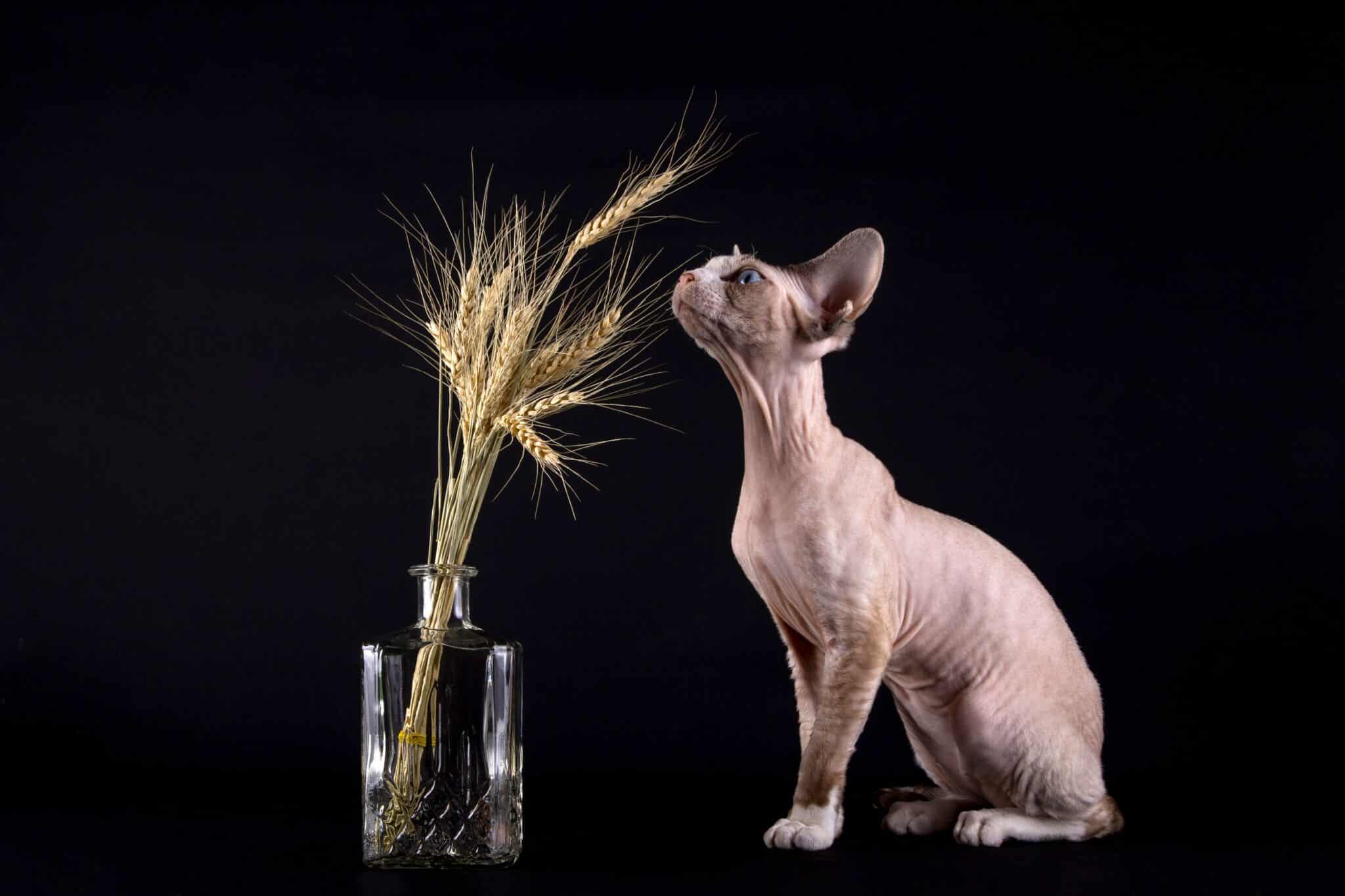
The Sphynx
With their suede-like skin, oversized ears, and perpetual warmth-seeking behavior, Sphynx cats demand constant inclusion in household affairs. Their social intelligence drives them to seek attention through persistent antics, especially if they feel left out. From inspecting newly delivered packages to scaling desks during video calls, a Sphynx is a constant, tactile supervisor of human life.
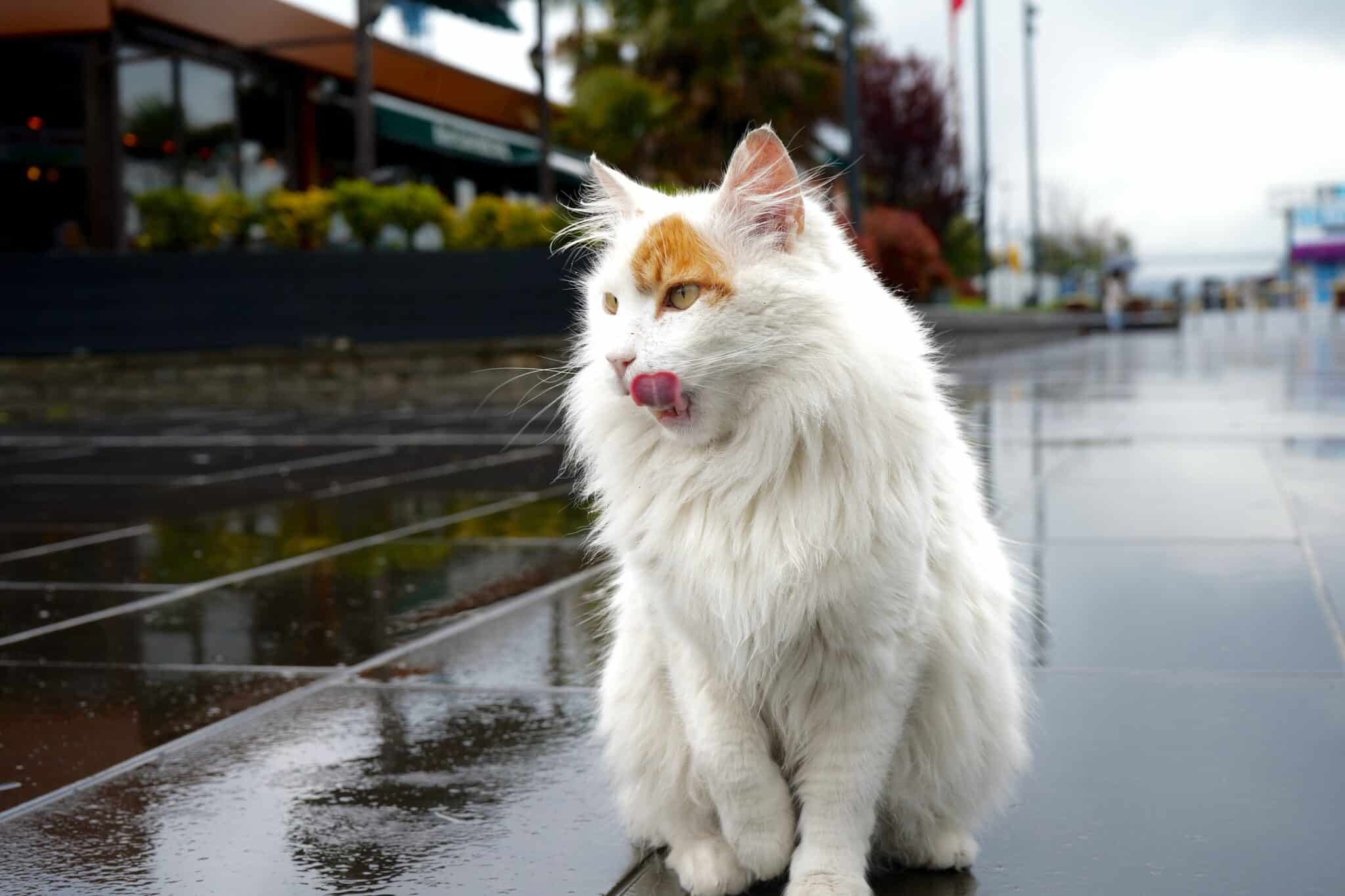
The Turkish Van
Often dubbed the "swimming cat," the Turkish Van possesses an unusual fascination with water. Their powerful builds make them exceptional climbers and water-lovers who will happily bat at running taps, test ripples in water bowls, and leave wet paw prints across kitchen counters in the name of scientific inquiry.
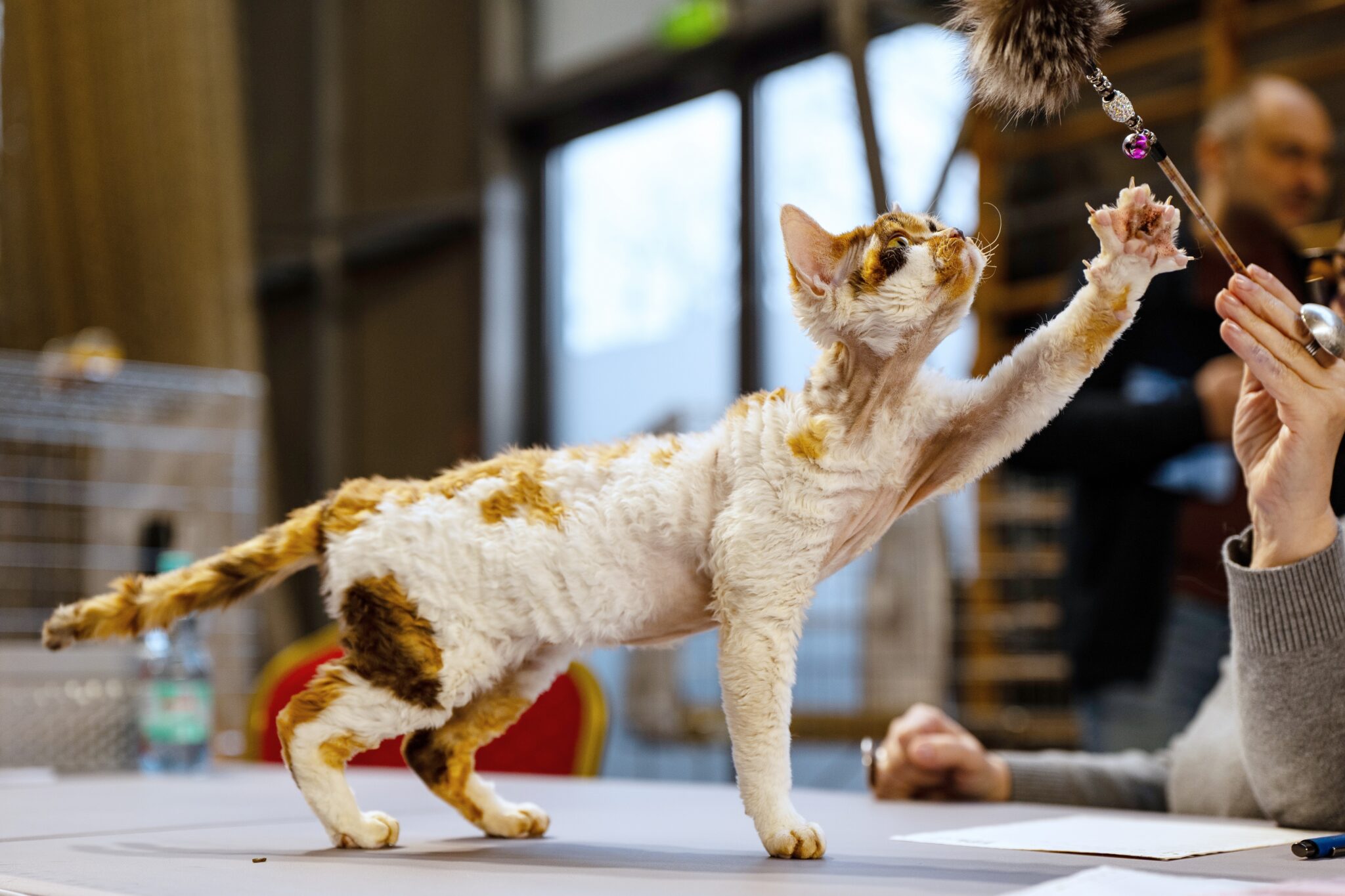
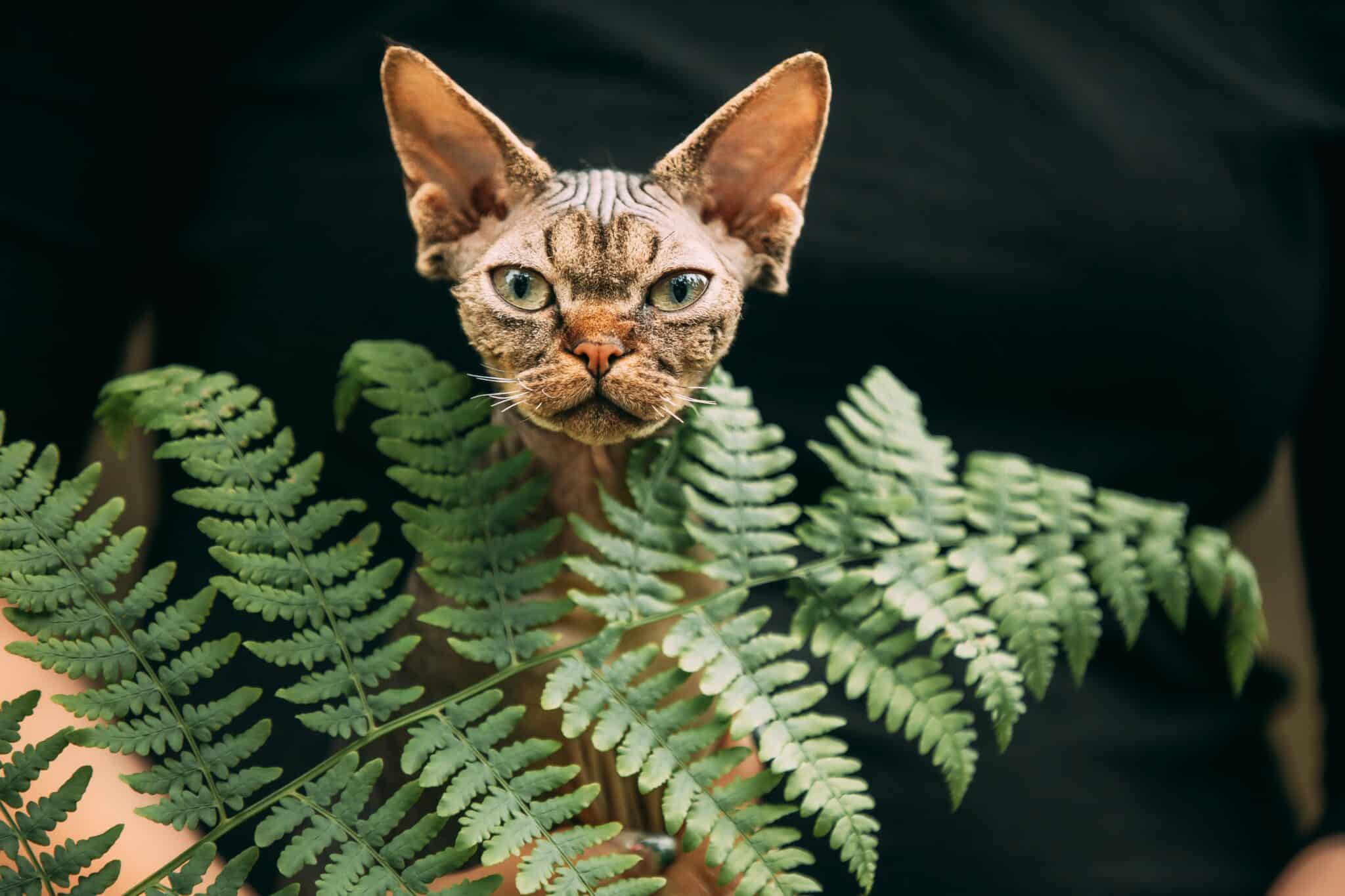
The Cornish Rex and Devon Rex
Both Rex breeds are characterized by slender, athletic frames, oversized ears, and endless stores of nervous energy. The Cornish Rex relies on lightning-fast reflexes to turn stray receipts and rolling pens into high-speed chases. Meanwhile, the Devon Rex—often described as looking like an elf with a mischievous plot—loves scaling shoulders, diving into blankets, and inventing surprise pounce games from behind curtains.
The Somali, Oriental Shorthair, Burmese, Manx, and Scottish Fold
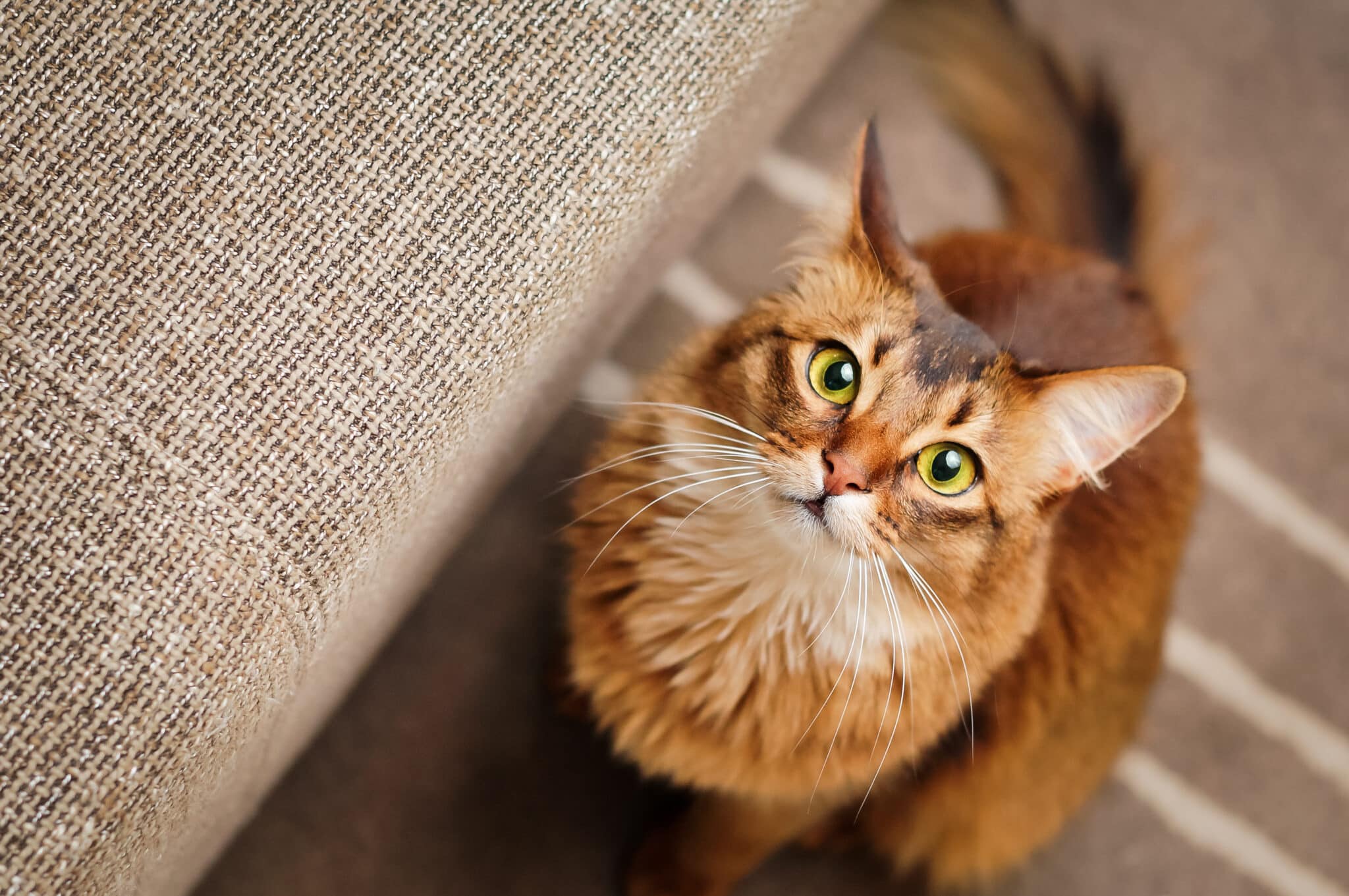
- Somali: The long-haired cousin of the Abyssinian; loves high perches, intricate toy investigations, and following family members from room to room.
- Oriental Shorthair: Mentally intense and highly vocal; anticipates household routines and invades keyboards or bags with relentless curiosity.
- Burmese: Retains a kitten-like demeanor into adulthood; thrives on inserting itself into the exact center of human activities.
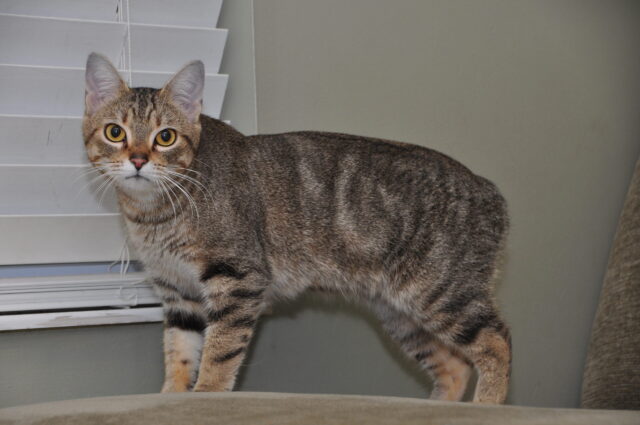
- Manx: Powerful hind legs and a tailless frame back up a natural urge to bat small objects under sofas and supervise human tasks from high chairs.
- Scottish Fold: Sweet-faced and folded-eared, they investigate shopping bags and drawers with intense focus, though their joint health requires careful management to avoid high-impact leaps.
Official Statements and Veterinary Perspectives
Leading feline veterinarians and animal behaviorists emphasize that managing a mischievous cat requires shifting perspective from punishment to proactive environmental design.
Dr. Elena Vance, a prominent feline behavioral specialist, notes:
"When an owner complains that their cat is ‘bad,’ what they are almost always describing is an intelligent, high-energy animal whose evolutionary needs are not being met by a sterile indoor environment. Cats do not misbehave out of spite; they explore because staying still goes against every fiber of their biological makeup. The solution is never to suppress the curiosity, but rather to curate it."
Veterinary organizations consistently recommend environmental enrichment protocols—such as puzzle feeders, rotational toy schedules, and vertical territory expansion—as the gold standard for mitigating destructive or overly chaotic indoor behaviors.
Future Outlook: The Intersection of Feline Enrichment and Modern Living
As urban living spaces become more compact and more cat owners work remotely, the intersection of feline behavior and interior design is evolving rapidly. The future of managing high-energy cat breeds lies in smart home integration and advanced enrichment technology.
Innovations such as automated interactive laser toys, programmable puzzle feeders that dispense treats at random intervals, and modular, wall-mounted climbing systems are transforming how humans accommodate their feline companions. Rather than attempting to suppress a cat’s adventurous spirit, modern pet architecture embraces it, creating harmonious spaces where Abyssinians, Bengals, and Siamese cats can safely satisfy their wild instincts without turning the household upside down.
Ultimately, embracing a mischievous cat means accepting a daily dose of comedy, unpredictability, and charm. By understanding the root causes of their curiosity and providing the proper outlets, owners can turn potential disasters into moments of shared joy, ensuring that a cat’s natural zest for life remains a celebrated feature of the modern home.