
Executive Overview
For decades, chronic skin disease in companion animals has been categorized primarily as a seasonal nuisance or an isolated dermatological reaction. Standard veterinary responses have traditionally relied on quick-fix palliatives—most notably, long-term courses of corticosteroids, antihistamines, and immunosuppressive medications such as cyclosporine. However, a growing faction of integrative and regenerative veterinarians argues that these conventional therapies act merely as a digital "smoke detector switch," silencing the alarm without ever investigating or extinguishing the fire underneath.
Authored by prominent veterinary leaders Dr. Scarlett Magdalen and Dr. Jyl Rubin, recent clinical perspectives reveal that chronic pruritus, recurrent pyoderma, and treatment-resistant dermatitis are rarely skin-deep. Instead, they frequently serve as cutaneous expressions of deeper systemic imbalances. These include adrenal dysfunction, hidden environmental toxic burdens, immune dysregulation, compromised gut integrity, and profound microbiome disruption.
By shifting away from purely symptom-suppressing protocols and embracing a comprehensive, multi-systemic framework, modern veterinary medicine is beginning to offer lasting healing. This paradigm shift utilizes advanced diagnostics—such as hair tissue mineral analysis (HTMA) and comprehensive gut microbiome profiling—alongside progressive, low-toxicity interventions including fecal microbiota restoration, medical ozone therapy, and photobiomodulation. The goal is no longer lifetime management of symptoms, but the complete restoration of systemic homeostasis.
Detailed Chronology: Unraveling the Root Causes of Systemic Dermatitis
To understand why traditional dermatology protocols frequently fail in chronic cases, clinicians must trace the cascade of physiological events that lead up to visible skin lesions. The pathophysiology of chronic skin disease can be mapped across three primary axes: the adrenal-endocrine axis, the gut-skin axis, and the toxic burden axis.
Phase 1: The Adrenal-Endocrine Axis and Mineral Imbalance
Endocrine disorders and adrenal insufficiency are fundamental drivers of modern allergic presentations in pets. Animals today are continuously exposed to environmental stressors—ranging from household chemicals and toxic molds to pollens and highly processed commercial food ingredients. When the body’s homeostatic mechanisms are overwhelmed, the adrenal glands struggle to produce adequate hormones to cope with stress.
Historically, practitioners relied solely on avoidance strategies. However, modern nutritional and functional veterinary science emphasizes that correcting underlying biochemical imbalances makes the body more resilient, rendering strict avoidance less critical. A landmark 2017 study by Dr. Ava Frick in the Journal of the American Holistic Veterinary Medical Association (JAHVMA) revealed that 94 percent of evaluated dogs presented with high sodium-to-potassium ratios accompanied by low calcium and magnesium levels—a textbook biomarker of chronic systemic inflammation.
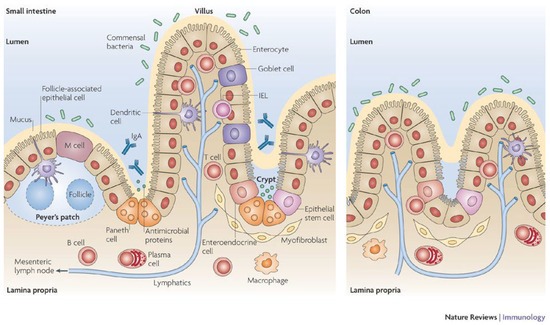
Adrenal function relies heavily on micronutrients, including vitamins A, C, D, and E, as well as manganese, copper, pantothenic acid, and targeted amino acids. Deficiencies in these nutrients impair hormone synthesis. Furthermore, high histamine levels, often driven by mineral imbalances, exacerbate allergic reactivity. In fast-oxidizing animals, calcium and magnesium deficiencies increase cell membrane permeability, causing histamine to flood surrounding tissues. Concurrently, zinc deficiencies trigger additional histamine releases.
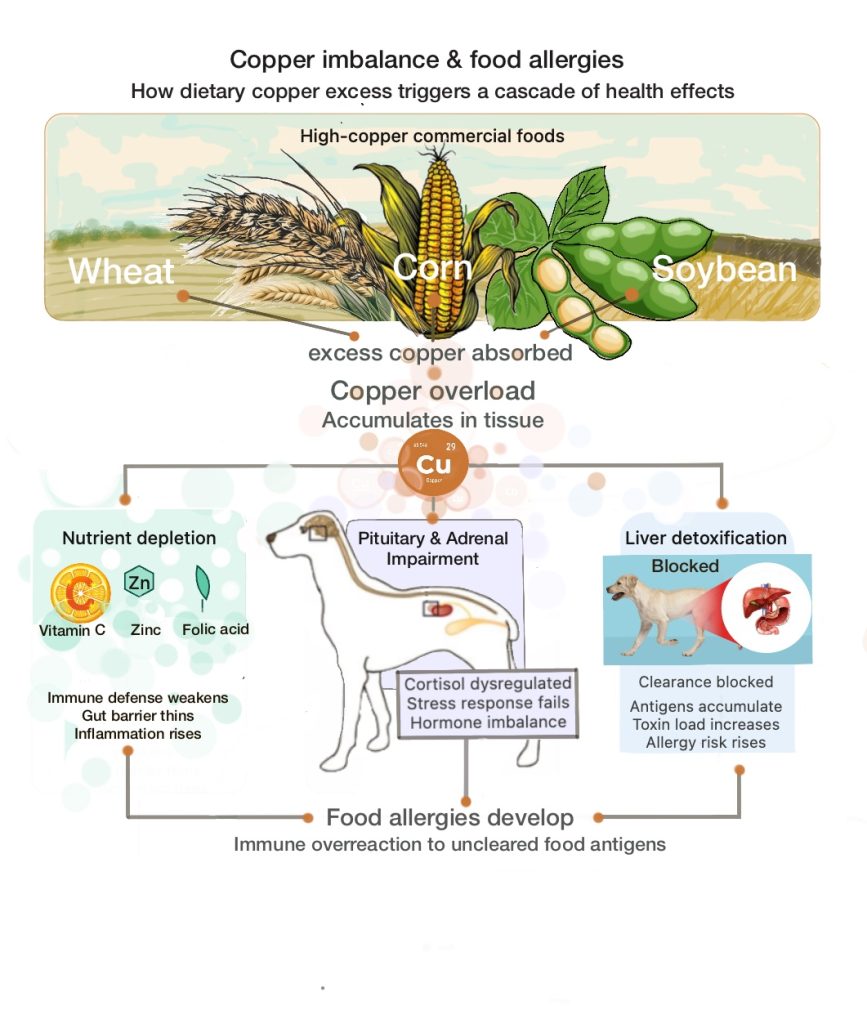
Compounding this endocrine disruption is dietary copper overload. Ingredients commonly found in commercial kibble—such as wheat, corn, and soy—can introduce excess copper into the animal’s system. This surplus depletes vital vitamin C, folic acid, and zinc reserves, impairing both pituitary and adrenal function while overburdening the liver’s detoxification pathways. Crucially, these copper imbalances remain entirely undetectable on standard blood chemistry panels, requiring advanced diagnostics like HTMA for accurate identification.
Phase 2: The Gut-Skin Axis and Intestinal Permeability
The connection between gastrointestinal health and dermatological vitality—known as the gut-skin axis—is one of the most rapidly evolving areas of veterinary research. Operating through complex endocrine, immune, and nervous system pathways, microbial disruptions in the gut frequently manifest directly on the skin.
A 2025 study published in Veterinary Dermatology established a clear gut-metabolite-skin link, demonstrating that dogs suffering from atopic dermatitis exhibit significantly lower fecal concentrations of short-chain fatty acids (SCFAs) than healthy counterparts. SCFAs are vital metabolites that fuel host energy metabolism, maintain an acidic intestinal environment to block pathogen colonization, and reinforce mucosal integrity.
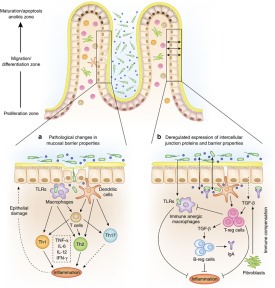
When gut microbial diversity plummets—a state termed dysbiosis—the tight junctions holding intestinal epithelial cells together weaken. This intestinal permeability allows lipopolysaccharides (LPS) from gram-negative bacteria to leak into the bloodstream, igniting a low-grade systemic inflammation that directly compromises the skin barrier.
Confirming this dynamic, peer-reviewed research published in BMC Microbiology (2025) demonstrated that dogs with canine atopic dermatitis (cAD) possess significantly impoverished gut microbial diversity and severely distorted microbiome profiles compared to healthy controls. These atopic patients also exhibited heightened intestinal biomarkers of epithelial damage, solidifying a causative, rather than merely correlative, relationship between gut health and skin disease.
Phase 3: Toxic Burden and Bioavailability
Environmental toxins, heavy metals, and chronic nutritional imbalances represent an invisible dimension of dermatological pathology. Minerals are essential cofactors for enzyme function, hormone synthesis, and cellular metabolism. When critical minerals like zinc, magnesium, and selenium are depleted, or when heavy metals such as lead, mercury, and aluminum accumulate in tissues, severe metabolic disruption ensues.
Standard blood panels fail to capture these anomalies because they measure only circulating blood levels, which the body maintains within narrow margins at the expense of tissue stores. Zinc is particularly critical due to the skin’s rapid cellular turnover. However, the inorganic zinc sources heavily utilized in commercial pet foods (such as zinc oxide and zinc sulfate) feature drastically lower bioavailability compared to organic alternatives like zinc proteinate, leaving many pets functionally deficient despite outwardly adequate dietary labels.
Supporting Context & Metrics: Diagnostic Innovations
Moving past surface-level diagnostics requires adopting clinical tools capable of mapping long-term physiological status rather than fleeting snapshots.
Hair Tissue Mineral Analysis (HTMA)
Unlike blood tests that capture a single moment in time, hair tissue mineral analysis (HTMA) reflects mineral accumulation and depletion patterns over months of coat growth (typically two to four months). Using inductively coupled plasma mass spectrometry (ICP-MS), HTMA quantifies 17 or more elements, including essential nutrients (calcium, magnesium, potassium, zinc, selenium) and toxic heavy metals (lead, aluminum, mercury, arsenic).
Key mineral ratios derived from HTMA—such as calcium-to-magnesium and sodium-to-potassium—provide deep insight into adrenal stress responses, energy metabolism, and systemic inflammatory tendencies. This data allows clinicians to design hyper-targeted nutritional protocols and detoxification strategies.
Comprehensive Gut Microbiome Testing
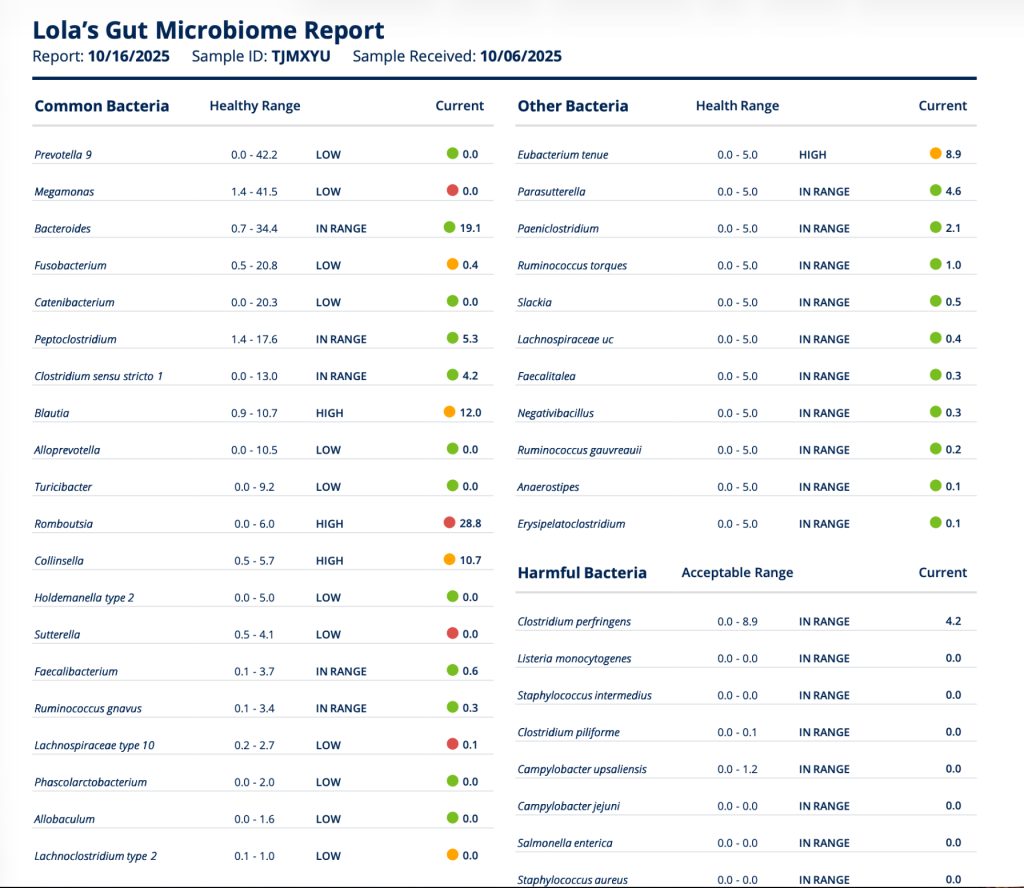
Modern gastrointestinal panels offer quantitative evaluations of microbial diversity, the ratio of beneficial to pathogenic species, and markers of intestinal barrier integrity. For companion animals presenting with chronic skin disease alongside subtle GI disturbances—such as intermittent soft stools, flatulence, or capricious appetites—gut testing exposes dysbiosis patterns entirely missed by standard fecal flotations. Furthermore, these tests can identify pathogenic surface overgrowths, such as Staphylococcus species, which clinical research directly correlates with worsening atopic inflammation.
Clinical Case Studies and Integrative Treatment Modalities
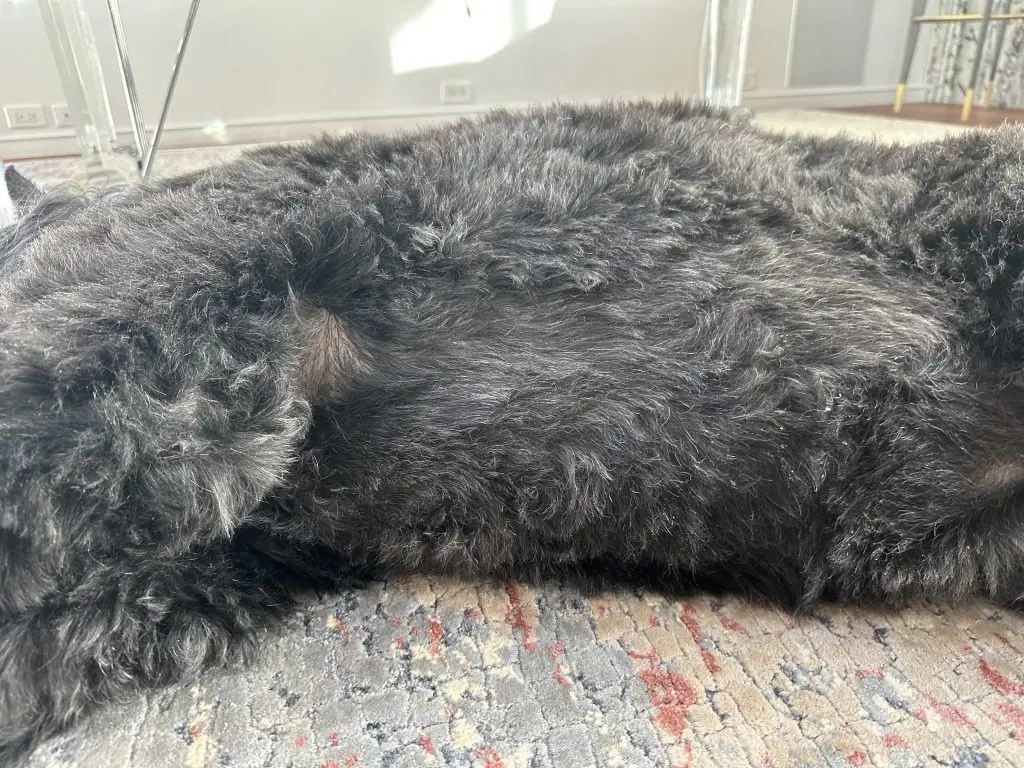
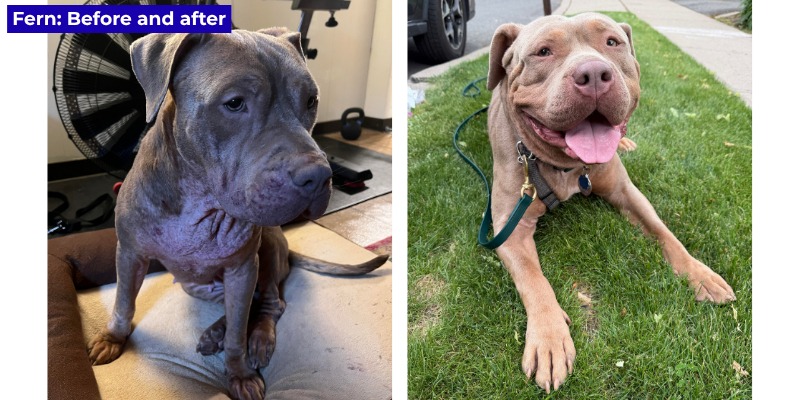
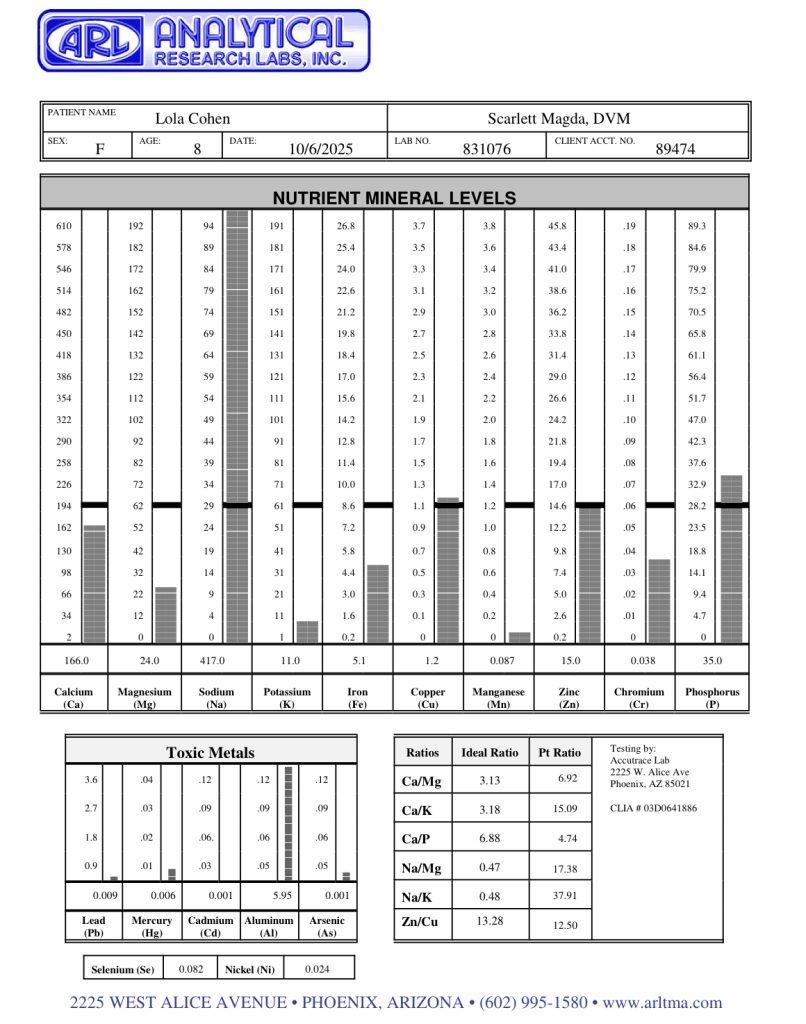
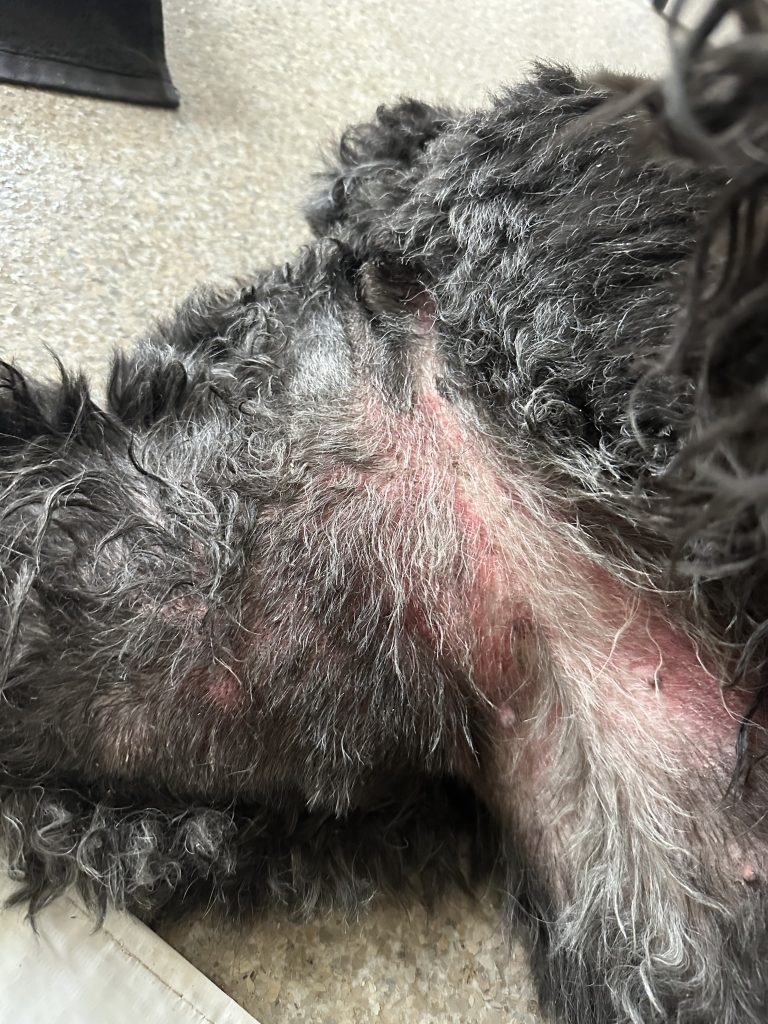
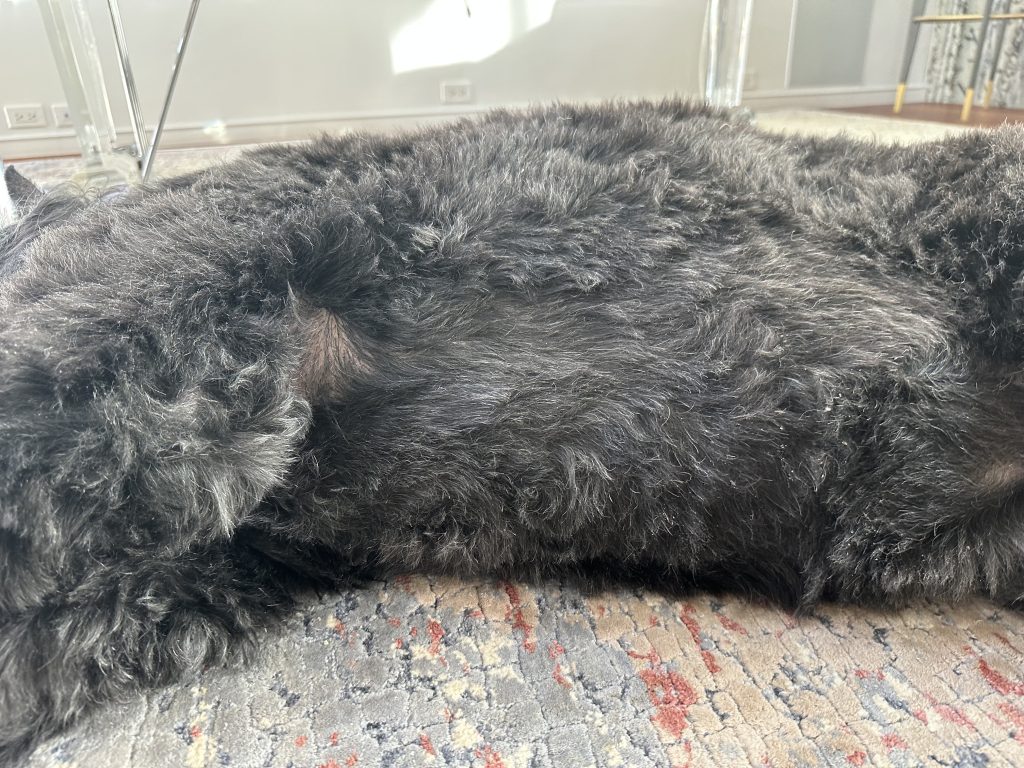
The efficacy of a regenerative approach is best demonstrated through clinical application. Patients like Lola, an eight-year-old spayed Bouvier, and Fern, a 3.5-year-old Pitbull mix, illustrate the transformative power of systemic care. Lola presented with a multi-year history of chronic skin and ear infections managed unsuccessfully with endless courses of steroids and antibiotics. HTMA testing revealed severe elevations in sodium, extreme sodium-to-magnesium and sodium-to-potassium ratios, and copper toxicity indicative of profound adrenal stress and inflammation.
By moving away from immunosuppressive drugs and embracing a multimodal integrative protocol, practitioners have achieved remarkable recoveries.
Core Interventions with Favorable Safety Profiles:
- Microbiome Restoration: Utilizing species-specific probiotics, postbiotics, dietary prebiotic fibers, and Fecal Microbiota Restoration Therapy (FMRT), clinicians can actively upregulate regulatory T-cells (Tregs). These specialized cells produce anti-inflammatory cytokines like IL-10 and TGF-β, effectively shutting down the IgE-mediated allergic cascade without hepatotoxic or immunosuppressive side effects. Butyrate produced by healthy gut microbes also directly promotes filaggrin expression, reinforcing skin barrier integrity.
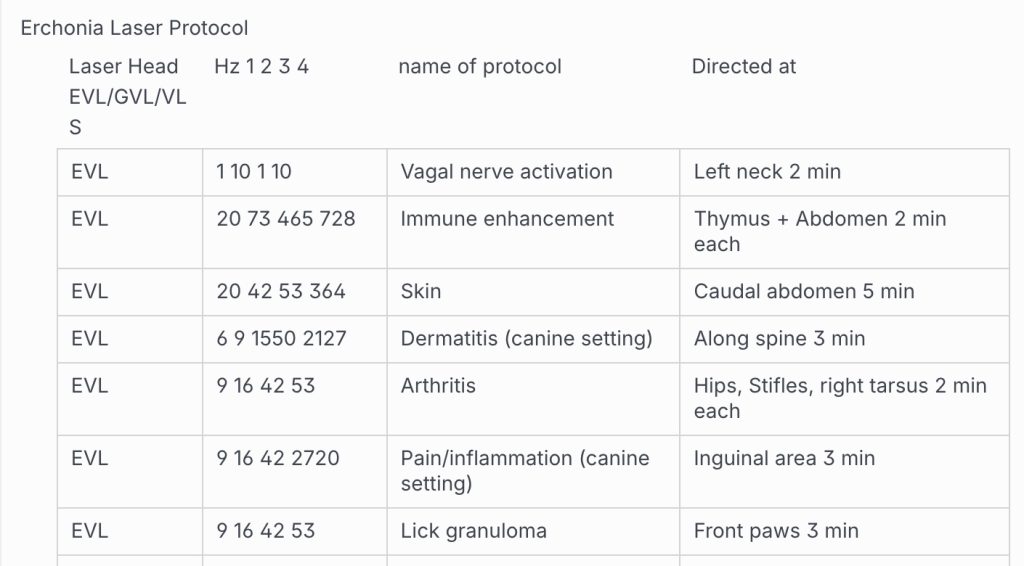
- Photobiomodulation (Therapeutic Laser): Low-level laser therapy provides powerful anti-inflammatory and tissue-regenerative properties through mitochondrial activation. In vitro studies from the American Journal of Veterinary Research (2025) have also shown that low-level laser therapy directly inhibits the growth of Malassezia pachydermatis, a yeast frequently implicated in chronic canine otitis and seborrheic dermatitis.
- Medical Ozone Therapy: Generated by passing medical-grade oxygen through an ozone generator, medical ozone ($O_3$) produces reactive oxygen species with documented antimicrobial, anti-inflammatory, and immunomodulatory properties. Whether administered via rectal insufflation, intravenous ozonated glycerin, topical ozonated oils, or ozone baths, research demonstrates that ozone therapies match the efficacy of traditional antiseptics like chlorhexidine in reducing bacterial load while carrying zero hepatotoxic or immunosuppressive risk.
- Customized Clinical Nutrition: Guided by HTMA and microbiome data, targeted nutritional interventions correct specific deficiencies. Supplementation with bioavailable omega-3 fatty acids (EPA and DHA) modulates the arachidonic acid pathway, while organic zinc and targeted antioxidants mitigate tissue-level oxidative stress.
| Therapeutic Modality | Clinical Protocol & Application |
|---|---|
| Rectal Ozone Therapy | 45 gamma, 120 cc administered every other day for 3 weeks, then transitioned to weekly maintenance. |
| Ultraviolet Blood Irradiation (UVBI) | Intravenous treatment to support immune modulation, antimicrobial activity, and reduction of systemic inflammation; repeated at 30 days. |
| Ozone Hydrotherapy & Topical Care | Ozone baths every 3 days utilizing ozone foaming shampoo; ozonated oil and water sprays applied daily to calm irritation. |
| Ozone Ear Treatments | Insufflations weekly for 6 weeks and ozonated ear oil applied twice weekly to resolve chronic otitis. |
| Fecal Microbiota Restoration Therapy (FMRT) | Frozen fecal slurry implanted into the transverse colon to rapidly reset host microbiome diversity. |
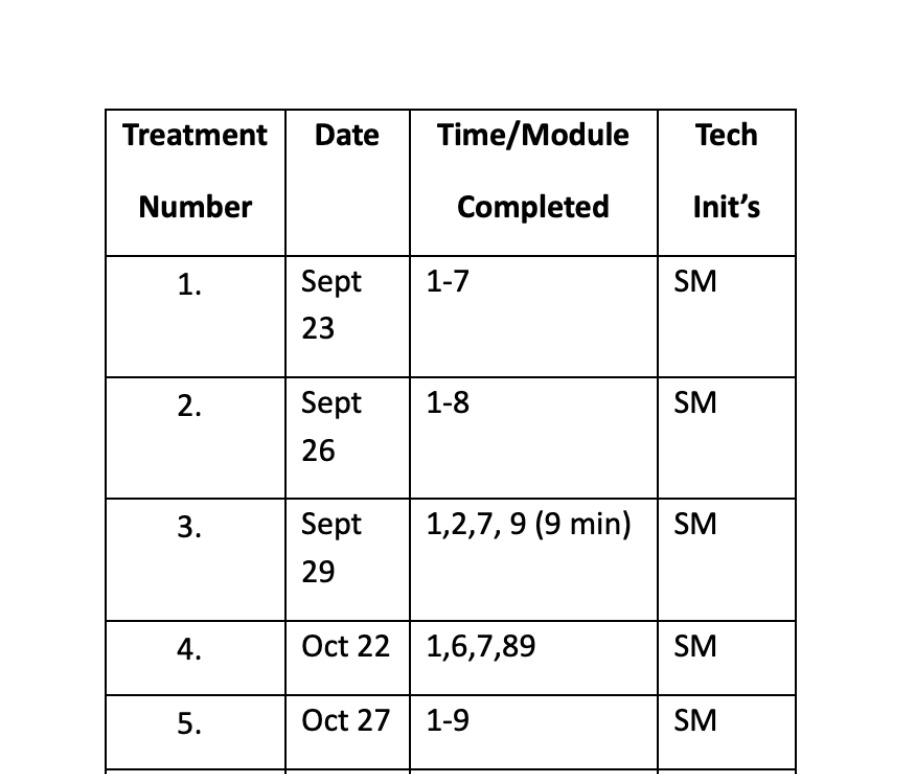
| Photobiomodulation (Laser) | Applied to affected areas twice weekly for 4 weeks to resolve localized lesions like pododermatitis. |
| Targeted Supplementation & Diet | Daily omega-3 fatty acids, vitamin D3, and species-specific probiotics paired with a strict elimination diet free of reactive allergens (such as potatoes). |
Future Outlook
The landscape of veterinary dermatology is undergoing a profound and necessary evolution. As veterinarians increasingly recognize that chronic skin disease is a systemic signal rather than a localized annoyance, the reliance on lifelong pharmaceutical suppression is facing heavy scrutiny.
By embracing root-cause diagnostics—such as HTMA and deep microbiome sequencing—alongside regenerative therapies like photobiomodulation, medical ozone, and microbiome restoration, the veterinary profession is equipped to break the frustrating cycle of disease recurrence. For millions of companion animals suffering from chronic itch and recurrent infections, this systemic pivot promises not just temporary relief, but genuine, lasting health and restored vitality from the inside out.