The paradigm of feline companionship has long suffered under the cultural misnomer of independence bordering on aloofness. For generations, domestic cats (Felis catus) have fought an uphill battle against canine-centric definitions of loyalty, struggling to prove that their emotional repertoires are just as complex, profound, and people-oriented. However, contemporary ethological research and decades of breed curation reveal a fascinating truth: certain feline lineages have evolved—or been selectively bred—to exhibit extraordinary levels of social attachment, human orientation, and emotional intelligence.
Affection in cats is not a monolith. It manifests across a vast spectrum, ranging from the high-octane, shadow-like following of a Siamese to the quiet, dignified proximity of a Persian or the athletic, shoulder-perching antics of a Devon Rex. Understanding these nuances is critical for prospective pet parents, feline behaviorists, and animal shelters alike. Matching human lifestyle expectations with the specific emotional architecture of a cat breed drastically reduces abandonment rates and fosters deeply symbiotic human-animal bonds. This comprehensive investigative report explores the specific cat breeds renowned for their affectionate dispositions, examining the physiological, genetic, and behavioral underpinnings that make these animals extraordinary companions.
Detailed Chronology: The Evolution of Human-Feline Coexistence and Breed Curation
To understand why certain cat breeds display profound affection today, one must trace the evolutionary timeline of feline domestication and subsequent human intervention.
Cats did not undergo the rigorous, utilitarian pack-hunter selection pressures that shaped canines. Instead, feline domestication was largely self-directed. Wild cats (Felis lybica) gravitated toward early agricultural settlements in the Fertile Crescent, capitalizing on rodent populations attracted by stored grain. Early humans recognized the immense ecological value of these predatory visitors, leading to a loose, mutually beneficial commensal relationship. During this era, affection was secondary to utility; survival depended on the cat’s predatory prowess.
Phase II: The Cult of the Bastet and Global Dispersal (1500 BCE – 1800 CE)
In ancient Egypt, cats transitioned from mere pest controllers to sacred entities, celebrated in art, religion, and daily life. This era marked the first documented cultural appreciation of feline personality traits, including grace, curiosity, and companionship. As maritime trade routes expanded, cats traveled the globe aboard merchant vessels, establishing localized populations across Europe, Asia, and the Americas. Natural selection favored resilient, adaptable cats capable of enduring long voyages, laying the groundwork for foundational regional landraces such as the American Shorthair and the Norwegian Forest Cat.
Phase III: The Victorian Fancy and Intentional Curation (19th – 20th Century)
The modern concept of cat breeds was officially born during the Victorian era, highlighted by the first organized cat show at the Crystal Palace in London in 1871. Feline enthusiasts began selectively breeding cats not merely for physical aesthetics—such as coat length, ear set, or body type—but increasingly for temperament.
The Siamese and Abyssinian imports introduced high-energy, vocal, and intensely human-focused traits to European and American drawing rooms.
The Persian was refined for an exquisite, calm, and placid indoor demeanor, tailoring the breed specifically for quiet, lap-oriented companionship.
Phase IV: The Modern Ethological Era (Late 20th Century – Present)
In recent decades, scientific inquiry into animal behavior has dismantled old myths regarding feline emotional capacity. Studies in animal cognition demonstrate that cats form secure and insecure attachments to their human caregivers, mirroring the attachment styles observed in infants and dogs. Breeders and geneticists now utilize modern veterinary science to balance aesthetic breed standards—such as the folded ears of the Scottish Fold or the hairless skin of the Sphynx—with ethical imperatives centered on animal welfare, longevity, and emotional stability.
Supporting Context & Metrics: The Anatomy of Feline Affection
Quantifying affection in a species as diverse as the domestic cat requires analyzing multiple behavioral metrics. Ethologists categorize feline bonding behaviors into several distinct metrics:
Proximity-Seeking Behavior: The frequency with which a cat chooses to occupy the same physical space as its human, ranging from sleeping at the foot of a bed to shadowing their every move through the house.
Tactile Engagement: The desire for physical contact, including head-bumping (allorting), kneading (making biscuits), and lap-sitting.
Vocal and Auditory Communication: The use of complex vocalizations—such as chirps, trills, and soft meows—designed specifically to initiate dialogue with humans, rather than feral distress calls.
Play Interactivity: The willingness to engage in cooperative, object-oriented play that requires human participation.
Profile Breakdown of High-Affection Breeds
The High-Energy & Highly Vocal Communicators
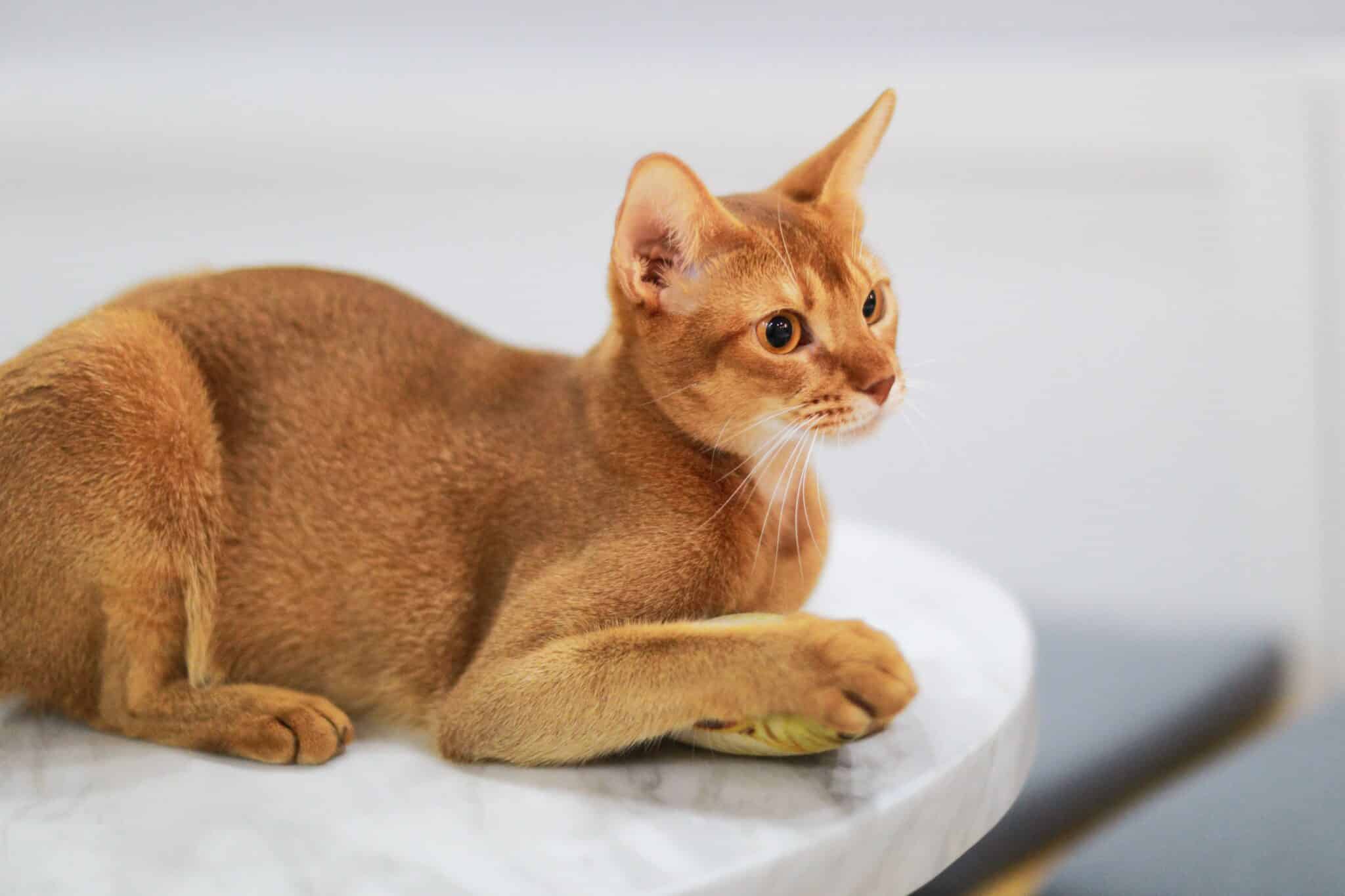
Abyssinian: Known for their striking ticked coats and lean, athletic builds, Abyssinians are endlessly curious. They express attachment by supervising household projects and maintaining constant situational awareness of their humans.
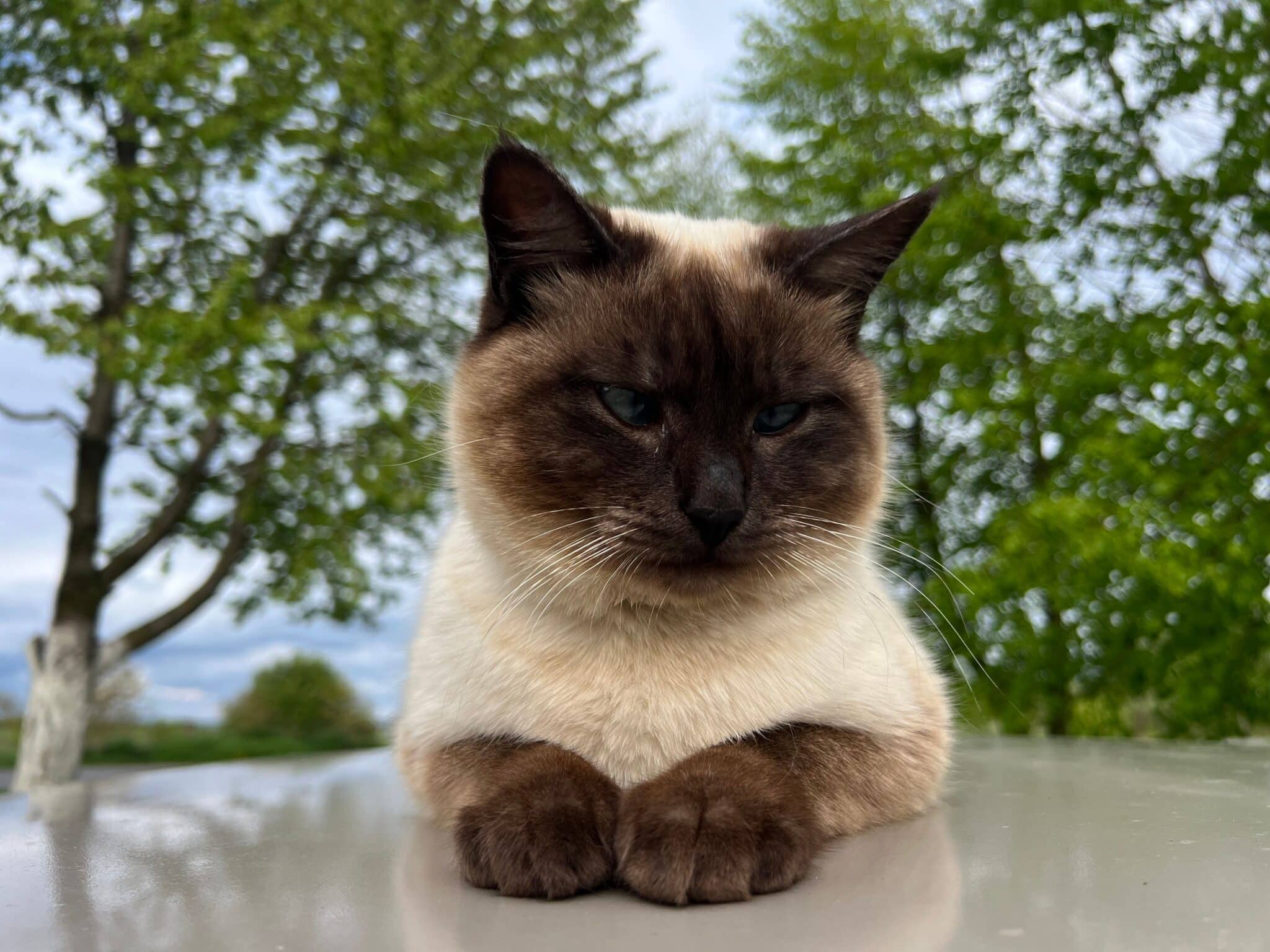
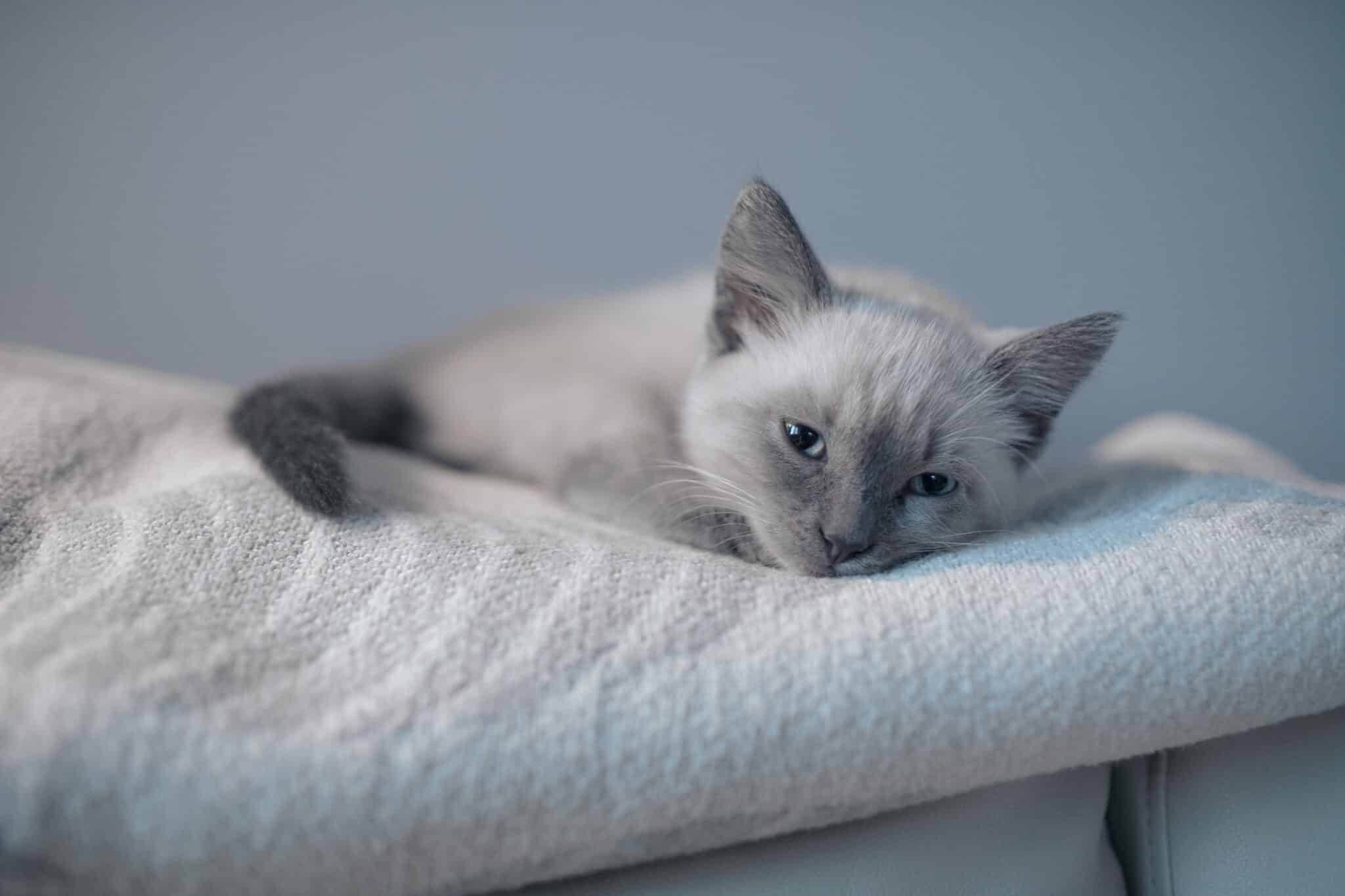
Siamese & Oriental Shorthair: Renowned for their vocal prowess, these slender, large-eared aristocrats demand active engagement. They view humans not as providers, but as equal members of their social circle, often offering running commentaries on daily chores.
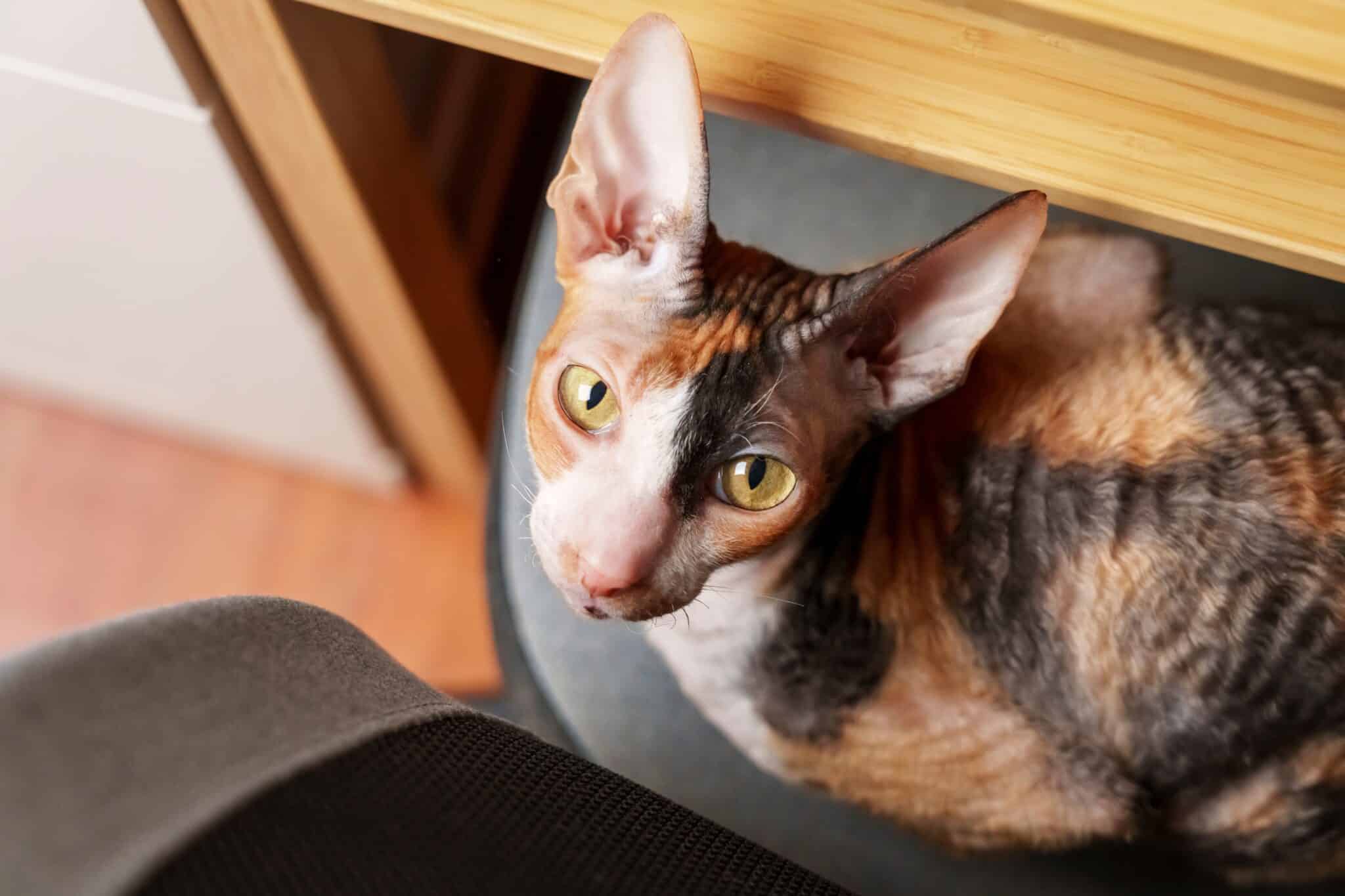
Devon Rex & Cornish Rex: Featuring unique wavy coats and oversized ears, these "poodle cats" are notorious for seeking out human shoulders as perches and demanding intense tactile interaction.
The Gentle Giants & Placid Cuddlers
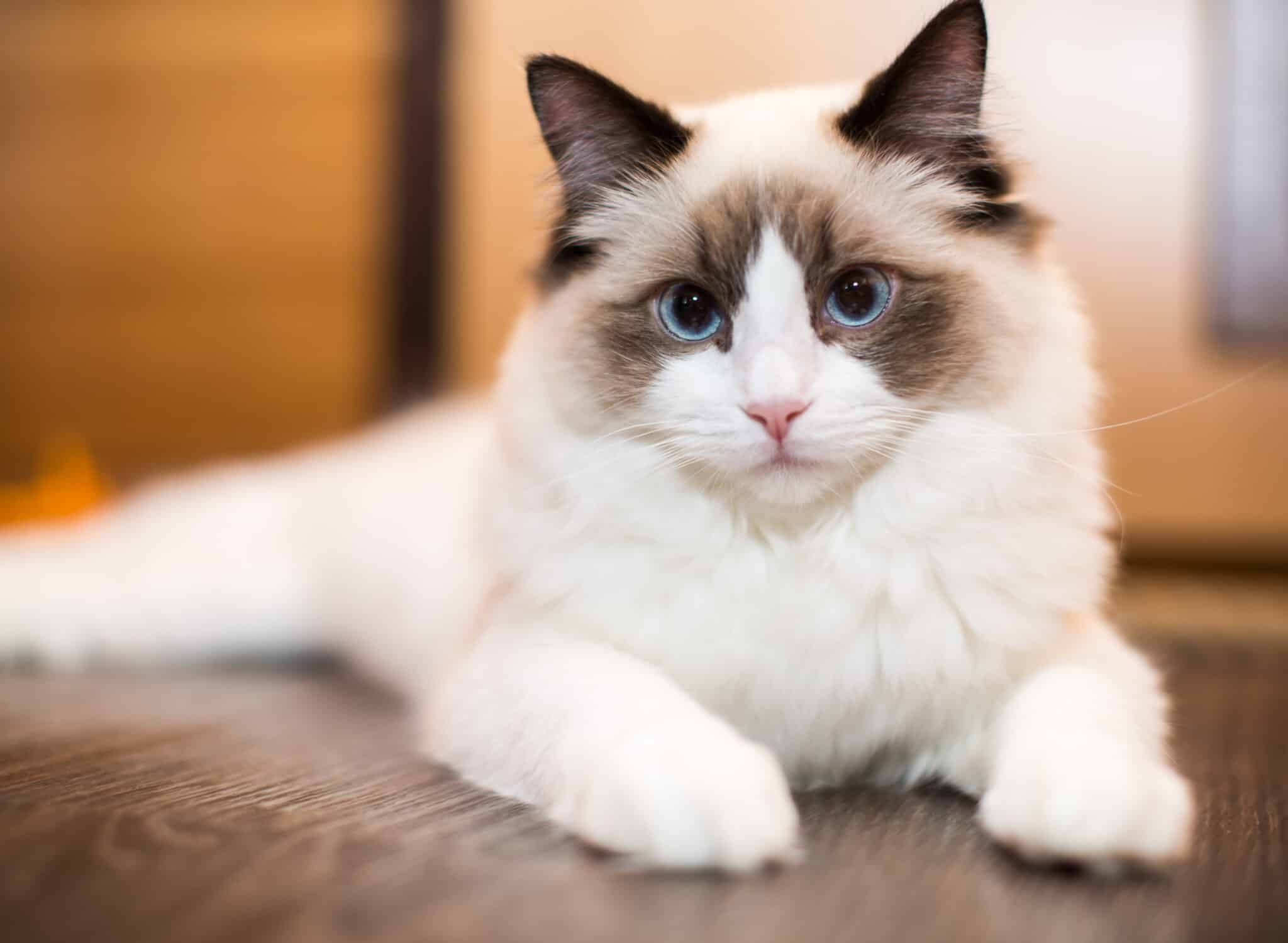
Ragdoll: Earning their moniker from their tendency to go limp when cradled, Ragdolls combine striking blue eyes with an unshakeable, trusting devotion to their families.
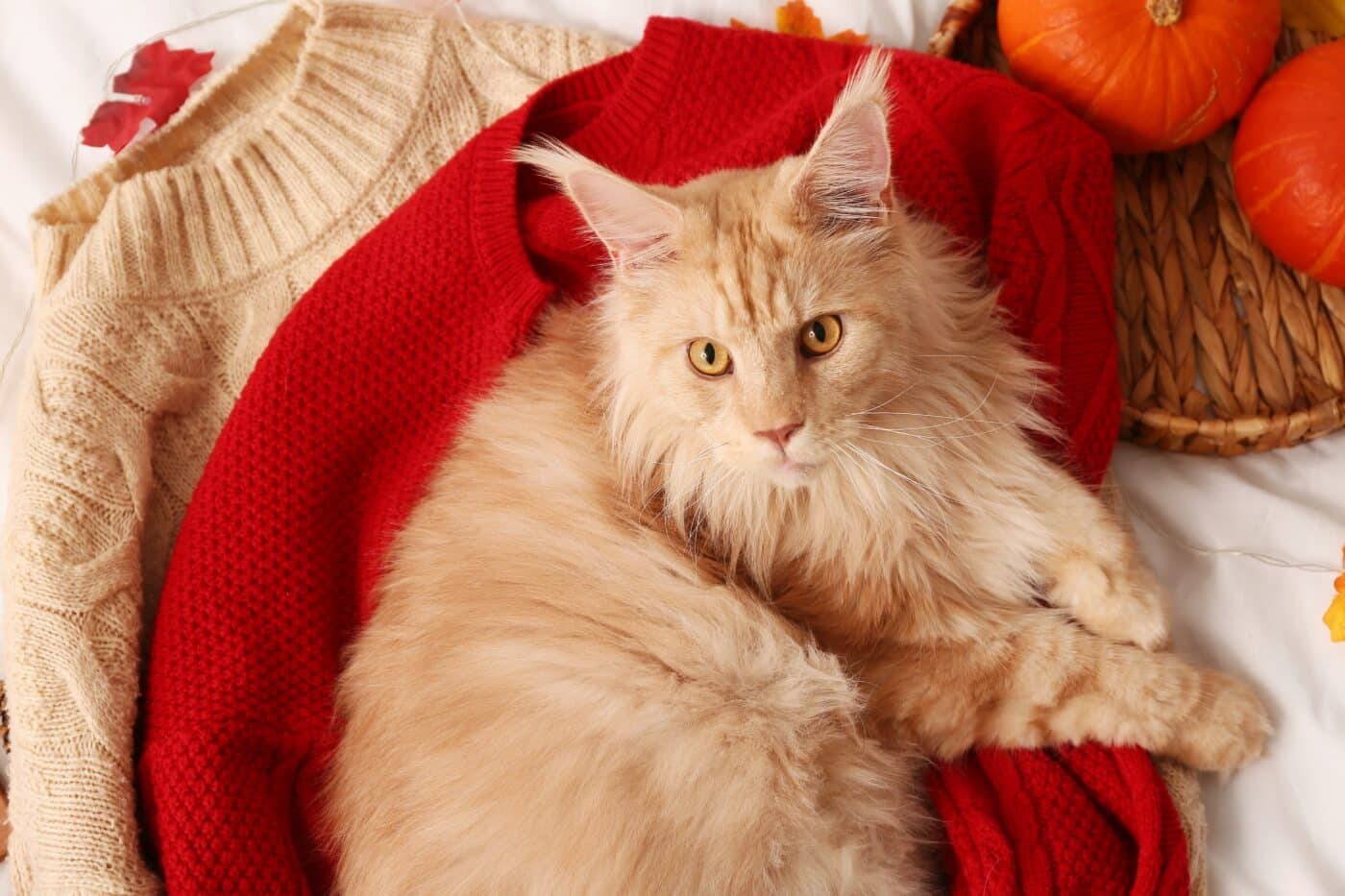
Maine Coon: As the quintessential American gentle giant, the Maine Coon balances a rugged, weather-resistant outdoor heritage with a remarkably sweet, dog-like loyalty indoors.
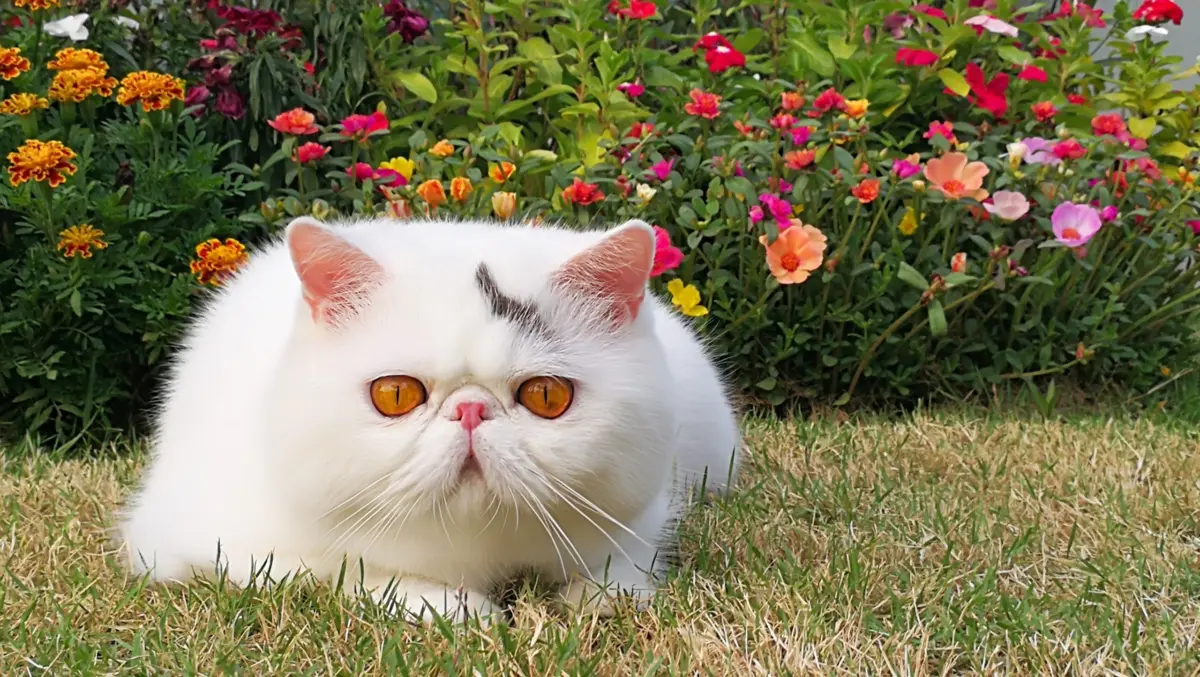
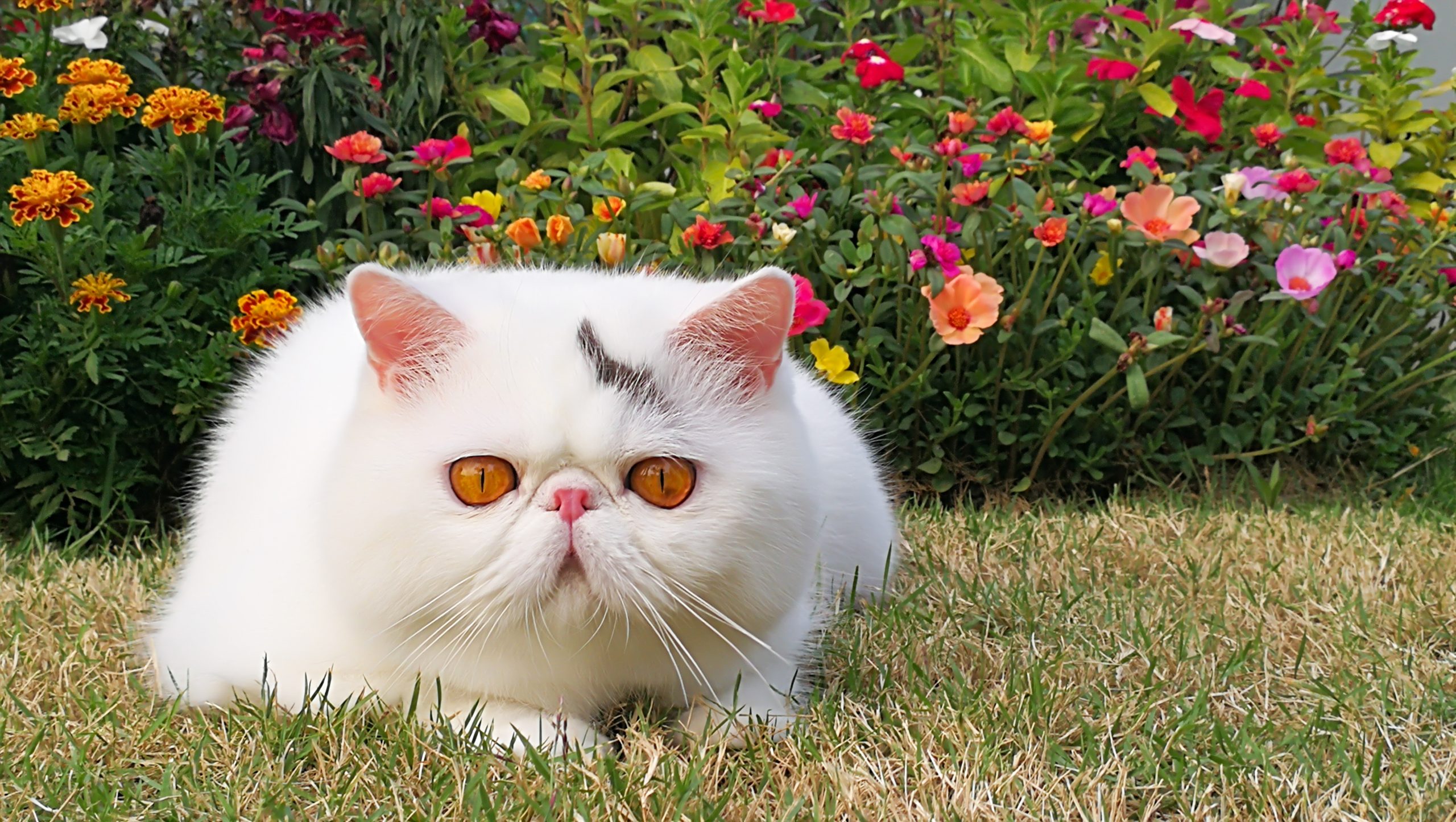
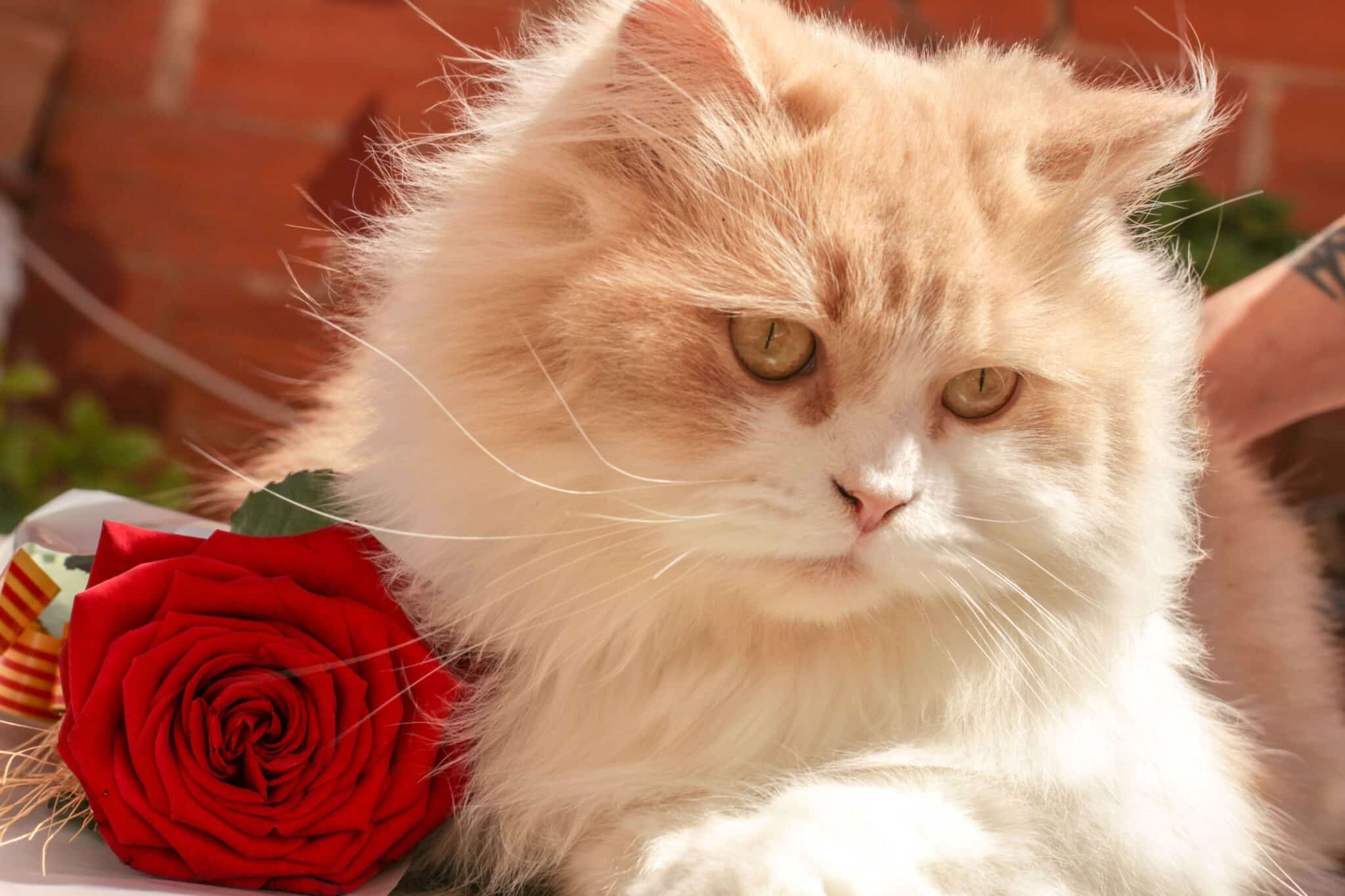
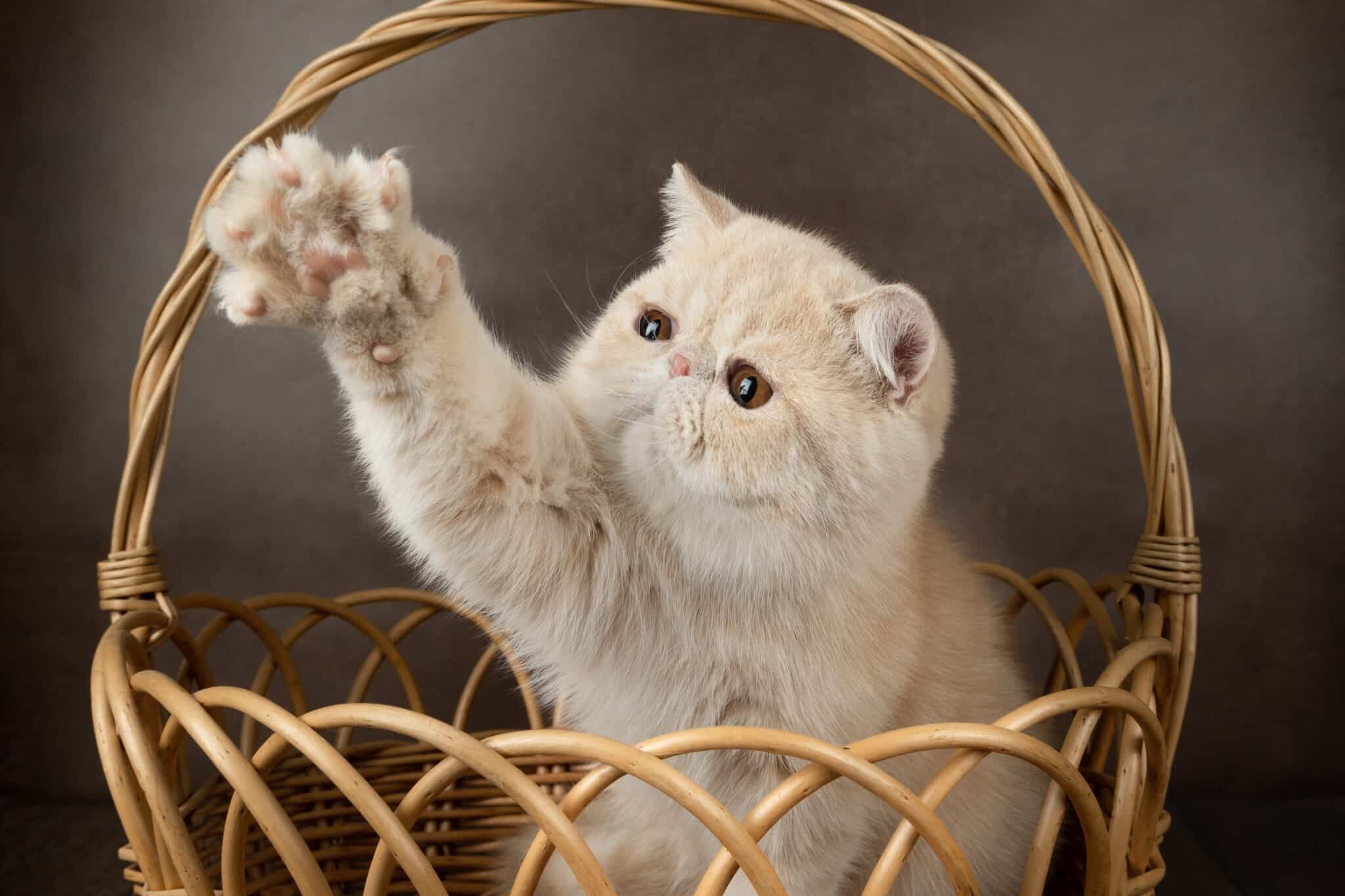
Persian & Exotic Shorthair: The epitome of indoor tranquility, these brachycephalic beauties prefer calm, predictable environments where affection is measured in quiet couch-sharing sessions and gentle chin scratches.
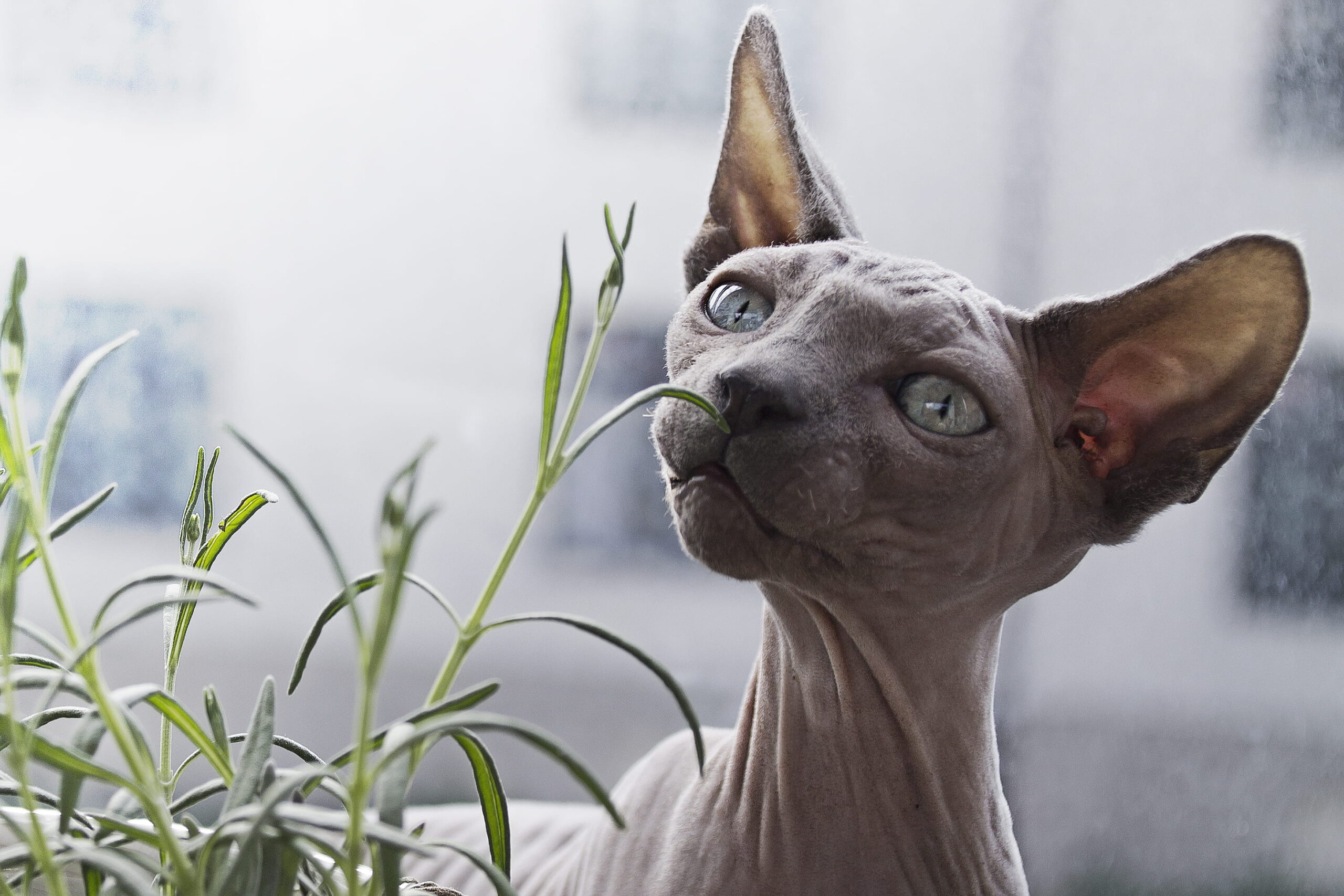
Sphynx: Lacking a protective fur coat, the hairless Sphynx relies on human skin contact and warm blankets for thermoregulation, making them exceptionally cuddly and physically clingy companions.
The Independent Moderates
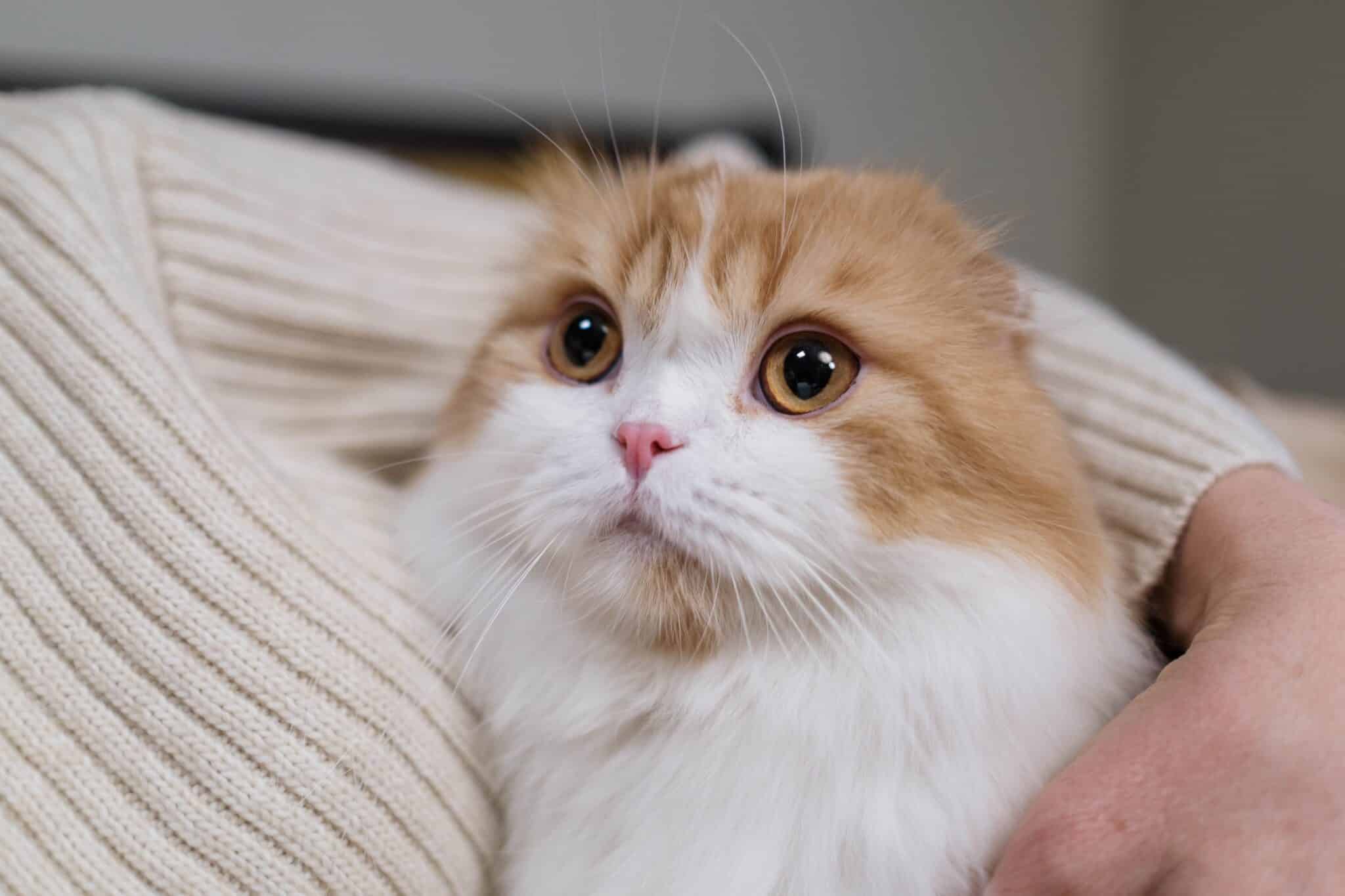
Scottish Fold: Famous for their folded ears and owl-like expressions, Folds offer a quiet, contemplative form of companionship. (Note: Prospective owners must navigate complex genetic health considerations regarding osteochondrodysplasia).
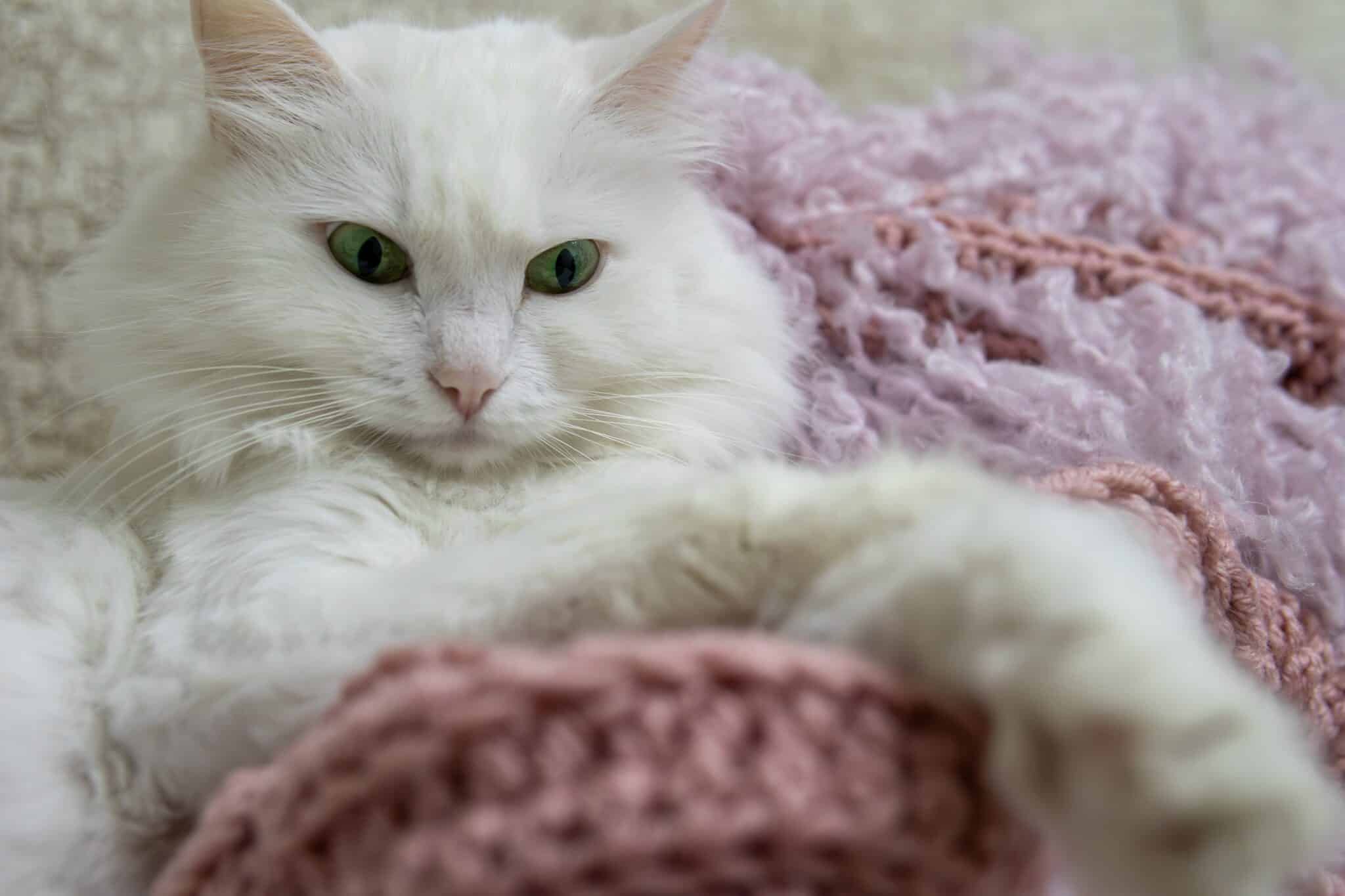
Turkish Angora: Graceful and highly intelligent, Angoras form deep, localized attachments, often selecting one primary human for intense devotion.
Norwegian Forest Cat: Built for harsh Scandinavian winters, "Wegies" balance a strong independent hunting instinct with a profound, gentle affection for their household pack.
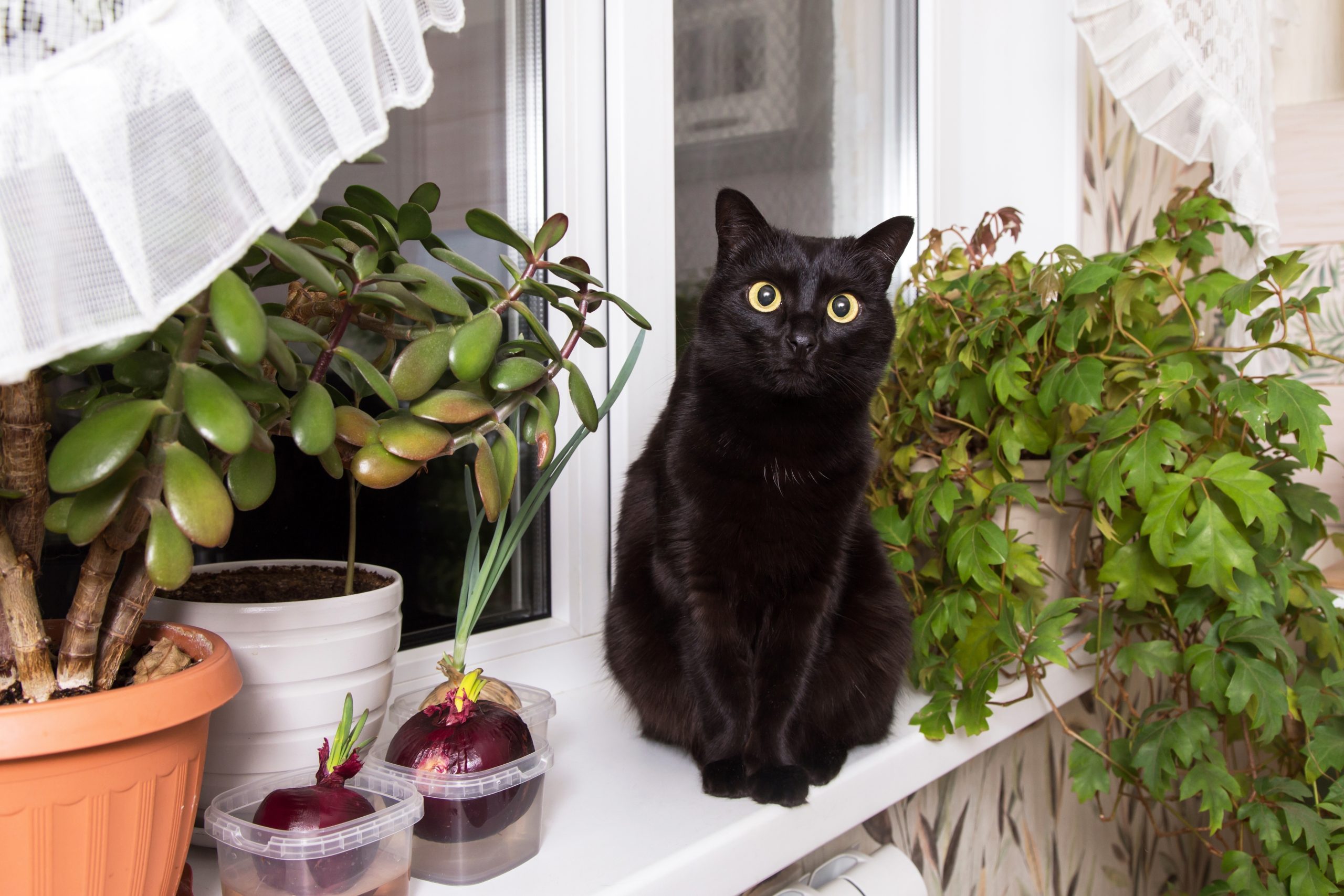
Bombay: Possessing the sleek look of a miniature panther and striking copper eyes, Bombays act as persistent little shadows, craving human contact and warm laps.
American Shorthair: Adaptable and robust, these cats show affection through steady, reliable routines and quiet, companionable presence rather than demanding theatrics.
Official Statements & Expert Perspectives
Animal behaviorists and veterinary associations emphasize that breed disposition is only one variable in the complex equation of feline temperament.
Dr. Elena Vance, a prominent feline ethologist, notes:
"While breed genetics provide a foundational blueprint—predisposing an Abyssinian to high curiosity or a Ragdoll to relaxed handling—the expression of affection is heavily mediated by early socialization. Kittens handled gently by humans between the crucial window of two to seven weeks of life exhibit lifelong sociability that outstrips raw genetics."
Furthermore, veterinary medical boards have issued standardized guidance regarding brachycephalic and mutation-driven breeds. The International Cat Care organization emphasizes that aesthetic preferences must never supersede physiological welfare:
"Breeds featuring extreme physical modifications—such as the extreme facial shortening in Persians and Exotic Shorthairs, or the cartilage mutations in Scottish Folds—require heightened veterinary vigilance. True affection for these animals involves not just enjoying their cuddly nature, but aggressively safeguarding their respiratory, skeletal, and ocular health."
Shelter medicine specialists also stress that individual personality always supersedes breed stereotypes. Countless mixed-breed rescue cats display levels of affection and loyalty that rival or exceed any purebred lineage, proving that love in the feline world transcends pedigree.
Future Outlook: The Intersection of Feline Welfare and Human-Animal Studies
As our understanding of animal sentience deepens, the future of human-feline relationships is poised for significant transformation. The demand for people-oriented cat breeds is projected to rise as urban populations increasingly reside in vertical housing developments where canine ownership presents logistical hurdles.
Key Trends Shaping the Future:
Ethical Breeding Standards: Ethical breeders are placing greater emphasis on genetic diversity and health screening, moving away from hyper-exaggerated physical traits in favor of robust, long-lived, and emotionally stable companions.
Advanced Environmental Enrichment: Recognizing that high-affection breeds—such as Siamese, Abyssinians, and Oriental Shorthairs—suffer profoundly from under-stimulation, the pet industry is investing heavily in high-tech puzzle feeders, augmented reality toys, and specialized vertical territory solutions.
Personalized Matching Algorithms: Animal shelters and rescue organizations are increasingly utilizing behavioral assessment matrices to match human lifestyle profiles with specific feline temperaments, ensuring that quiet introverts are paired with Persians, while active families are matched with Devon Rexes or Abyssinians.
Ultimately, the wide spectrum of feline affection proves that love cannot be standardized. Whether a cat expresses devotion through a vocal, high-speed greeting at the front door or a silent, heavy warmth resting against your ribs on a quiet evening, the bond between human and cat remains one of the most rewarding partnerships in the animal kingdom. By respecting their individual boundaries, prioritizing their health, and honoring their unique behavioral blueprints, humans unlock a profound capacity for connection that enriches both species.