
Executive Overview
Halloween—traditionally a night of localized revelry, costumed pageantry, and festive domestic decoration—presents an array of acute behavioral and physiological challenges for domestic felines. While human participants experience the autumn holiday as a source of creative expression and social engagement, cats are fundamentally creatures of routine, olfactory orientation, and strict territorial stability. The intersection of domestic space invasion, unfamiliar visual stimuli, constant acoustic disruption from doorbells and partygoers, and potential exposure to toxic ingestibles creates an environment ripe for feline stress, behavioral regression, and accidental injury.
Veterinary behaviorists and animal welfare organizations consistently report spikes in emergency clinic visits, accidental escapes, and stress-induced medical episodes during the October 31st festivities. This comprehensive review examines the neurosensory impact of Halloween on domestic cats, categorizes the primary environmental and physiological hazards, and outlines authoritative, evidence-based protocols for safeguarding feline well-being without sacrificing human celebration.
Detailed Chronology: How Halloween Unfolds from a Cat’s Perspective
To understand the scope of feline distress during Halloween, one must examine the progression of the holiday from the perspective of an animal governed by sensory acuity and environmental predictability.
Phase 1: The Invasion of Domestic Territory (Early-to-Mid October)
The disruption rarely begins on Halloween night; rather, it creeps into the household weeks in advance. The introduction of synthetic skeletons, animated props, artificial cobwebs, and large lawn inflatables alters the home’s established topography. Cats rely heavily on scent-marking (facular and temporal rubbing) to map their territory and confirm its safety.
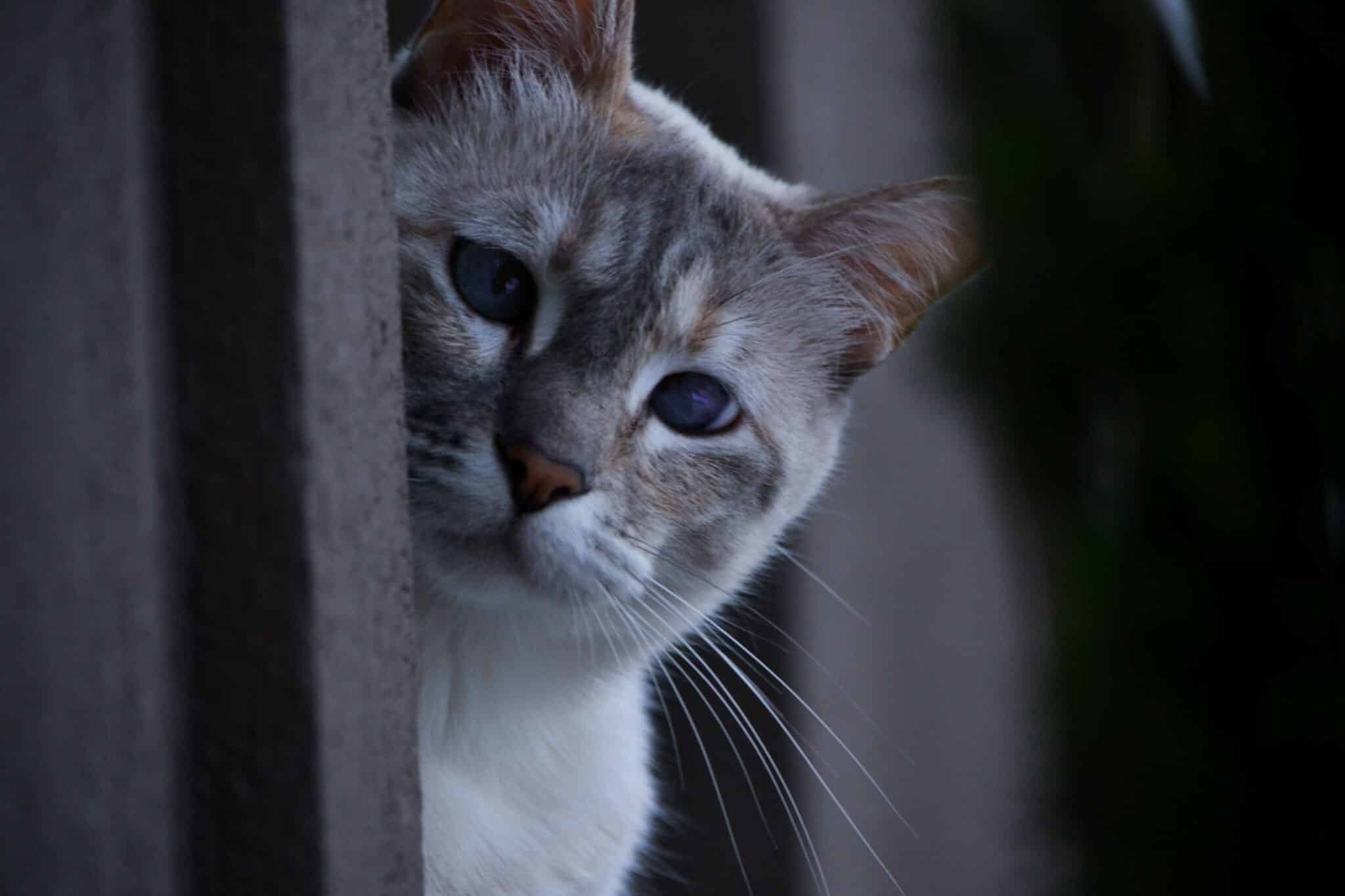
- Olfactory and Visual Disruption: New decorations introduce foreign chemical odors, plastics, and unnatural visual silhouettes into an otherwise secure zone.
- The Behavioral Split: Confident felines may approach these objects with piloerection or cautious swatting, whereas timid cats may immediately experience chronic low-level anxiety, manifesting as hypervigilance or withdrawal.
Phase 2: The Masking of the Familiar Human (Late Afternoon, October 31)
As human occupants don costumes, wigs, masks, and theatrical makeup, the fundamental sensory profile of the caregiver shifts dramatically. Cats identify their humans through a multi-modal matrix of scent, vocal resonance, routine movement, and facial recognition.
- Sensory Confusion: A mask eliminates facial expression and muffles vocal tone, while oversized costumes distort human silhouettes.
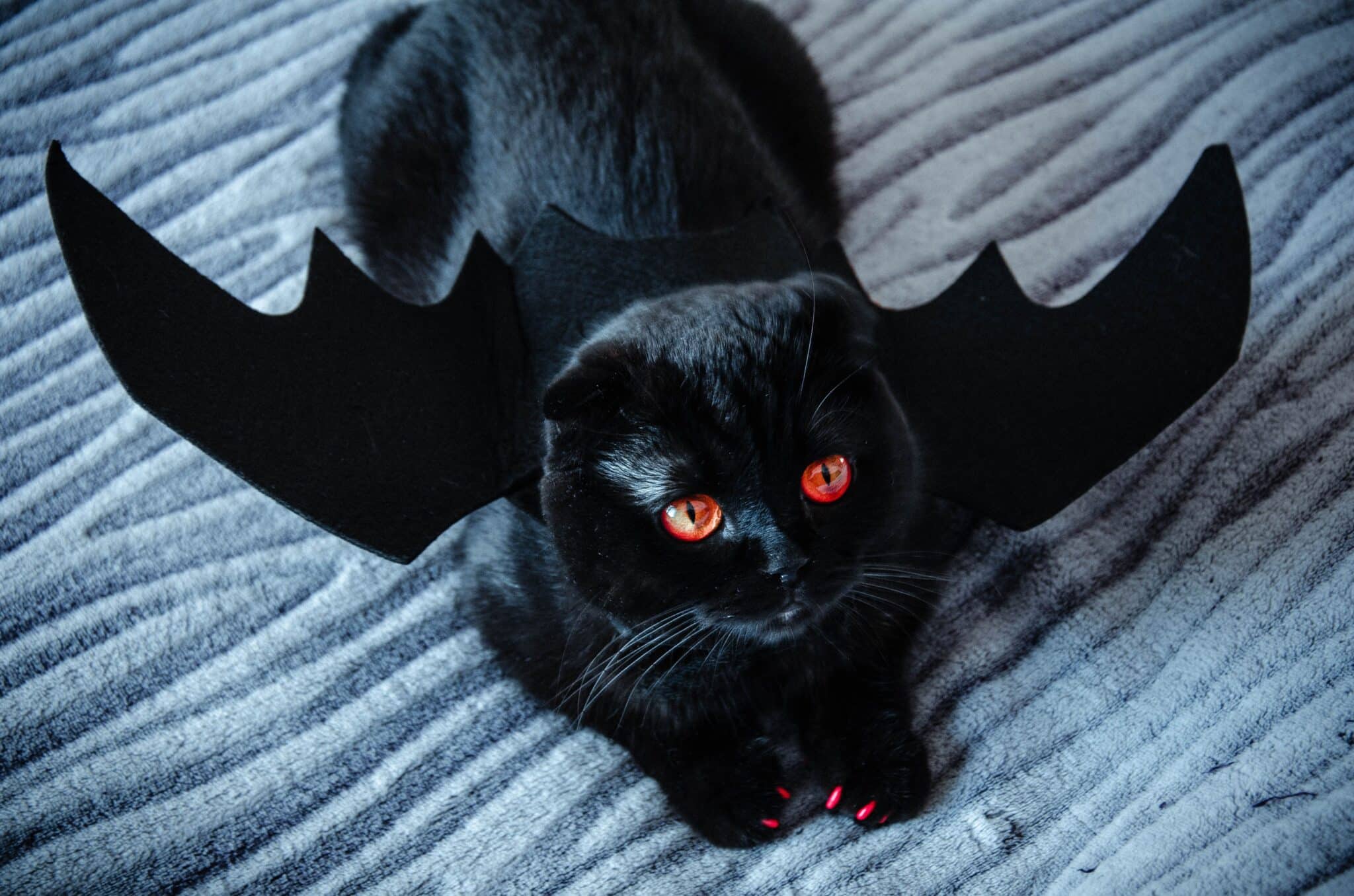
- The Threat Response: This perceptual dissonance can cause a cat to misidentify its trusted owner as an unknown, threatening intruder. Attempts to force costumes onto cats further exacerbate this trauma, restricting musculoskeletal movement and inducing panic.
Phase 3: The Acutely Chaotic Peak (Evening Hours)
As dusk settles, the frequency of door chimes, repetitive knocking, and high-pitched juvenile shouting escalates exponentially.
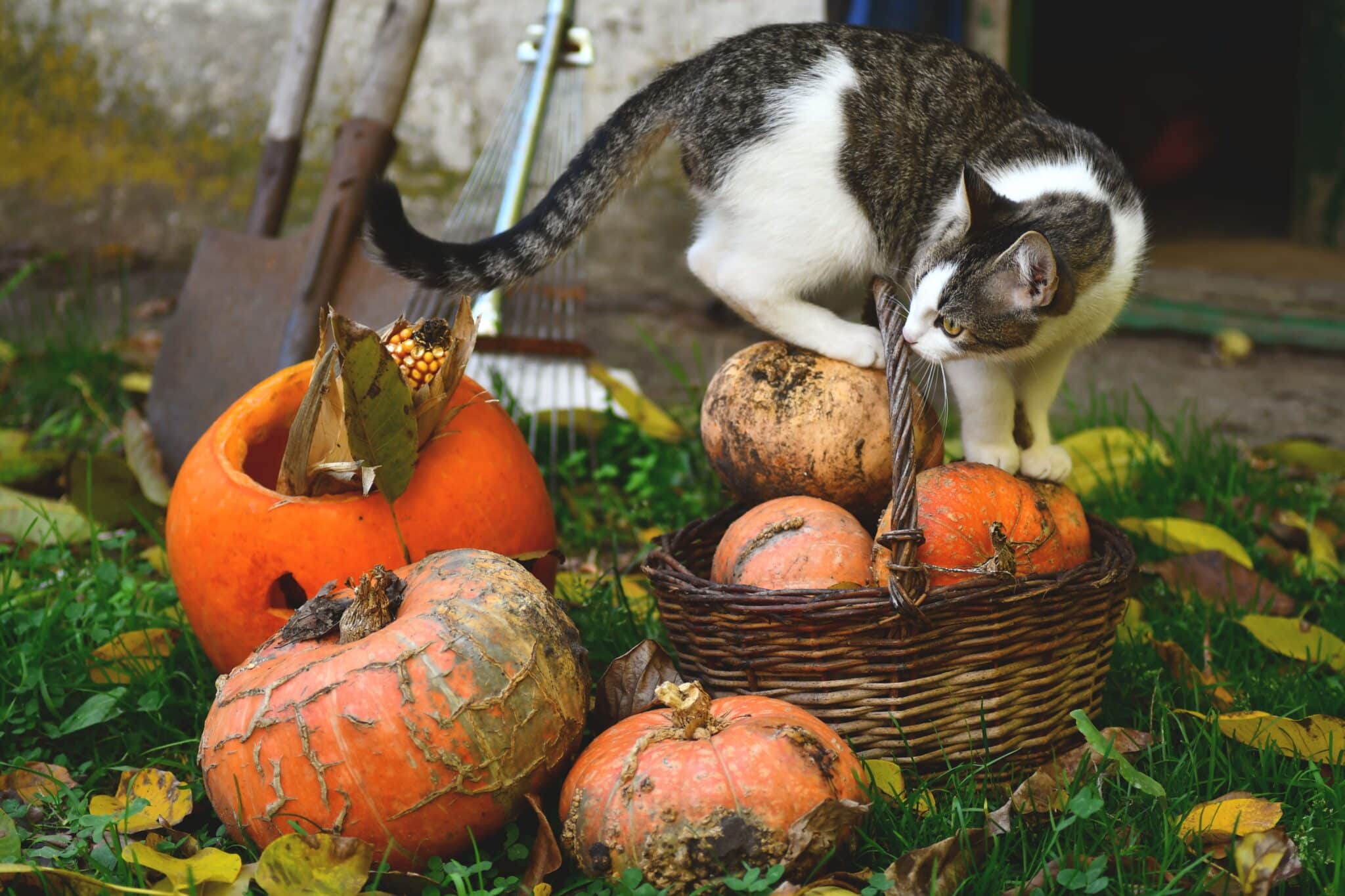
- Acoustic Overload: Feline auditory ranges far exceed human capabilities, rendering sudden, concussive sounds like doorbells and loud party music intensely jarring.
- Territorial Breach: Every ring of the doorbell signals a potential intrusion at the perimeter of the cat’s core territory, triggering repeated surges of adrenaline and cortisol without a clear resolution or flight path.
Supporting Context & Metrics: Environmental Hazards and Feline Biology
An analytical examination of Halloween hazards reveals several distinct categories of risk that demand proactive mitigation by pet guardians.
1. Perimeter Breaches and Egress Risks
The constant opening and closing of exterior doors creates a statistical spike in accidental outdoor escapes.
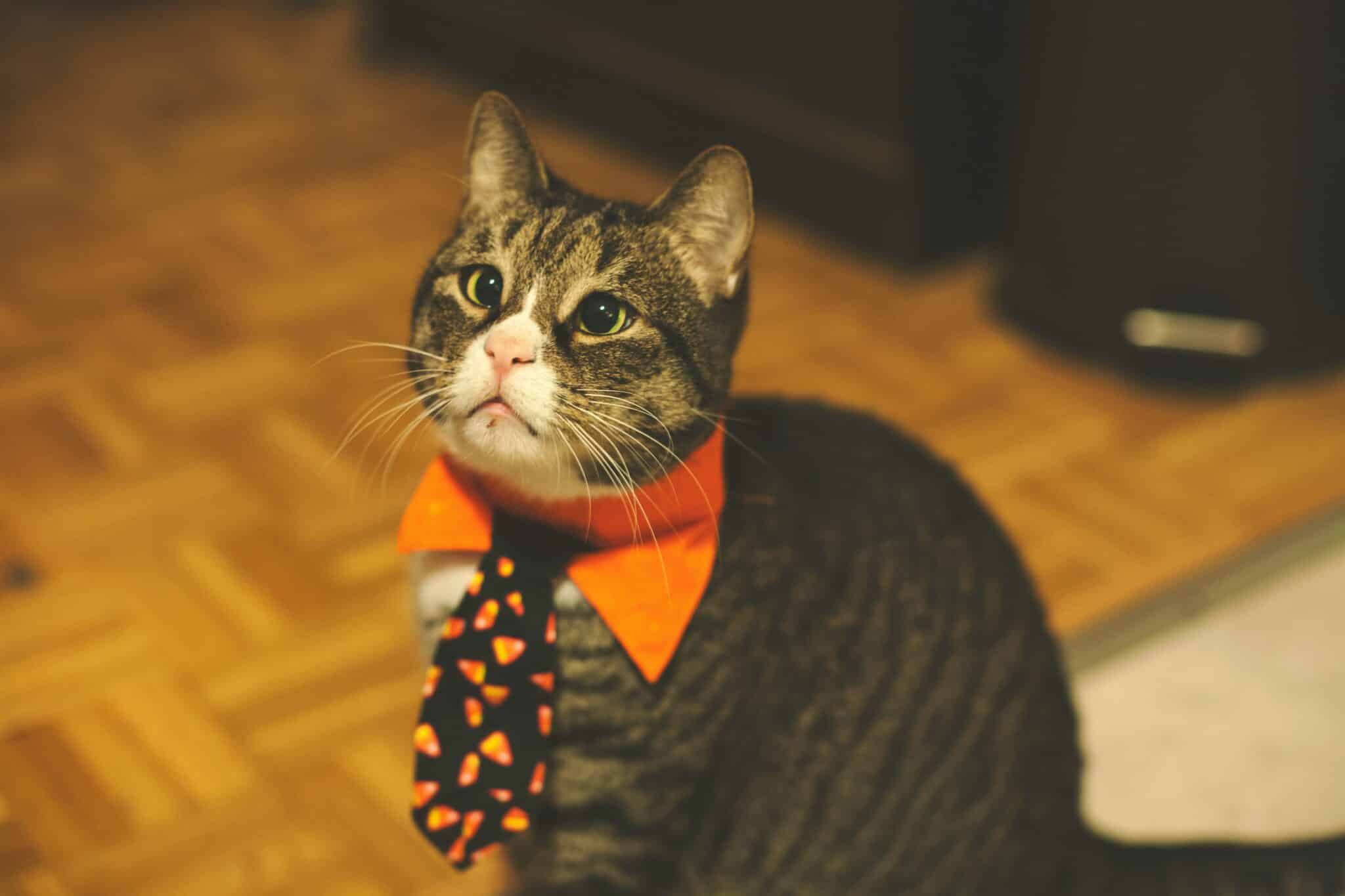
- The Disoriented Escapee: An indoor-only cat that breaches the threshold during twilight or total darkness faces immediate sensory overload. Street traffic, flashing lights, costumed pedestrians, and territorial outdoor animals frequently cause severe panic.
- Identification Deficits: Studies consistently show that indoor cats are significantly less likely to wear breakaway collars equipped with up-to-date tags or possess functioning microchips compared to their outdoor counterparts, compounding the danger of permanent separation.
2. Ingestion Hazards: Confectionery and Decoration
The culinary staples of Halloween are fundamentally incompatible with feline physiology.
- Chemical Toxicity: Chocolate contains theobromine and caffeine, both of which are metabolized slowly by cats and can induce cardiac arrhythmias, neurological tremors, and death. Sugar-free candies often contain xylitol (or similar artificial sweeteners), which can provoke rapid, life-threatening hypoglycemia and hepatic failure.
- Linear Foreign Bodies: Tinsel, artificial cobwebs, dangling ribbons, and string-like packaging materials mimic natural prey movement, inviting predatory play. If ingested, these items become linear foreign bodies, cutting through intestinal tissue and requiring emergency surgical intervention.
- Thermal and Electrical Risks: Open flames from traditional jack-o’-lantern candles pose immediate burn risks to inquisitive whiskers and tails, while dangling electrical cords for illuminated displays tempt feline chewers with severe electrocution hazards.
Official Statements and Veterinary Consensus
Leading animal welfare authorities and veterinary medical associations have established standardized guidelines for managing holiday stress in companion animals.
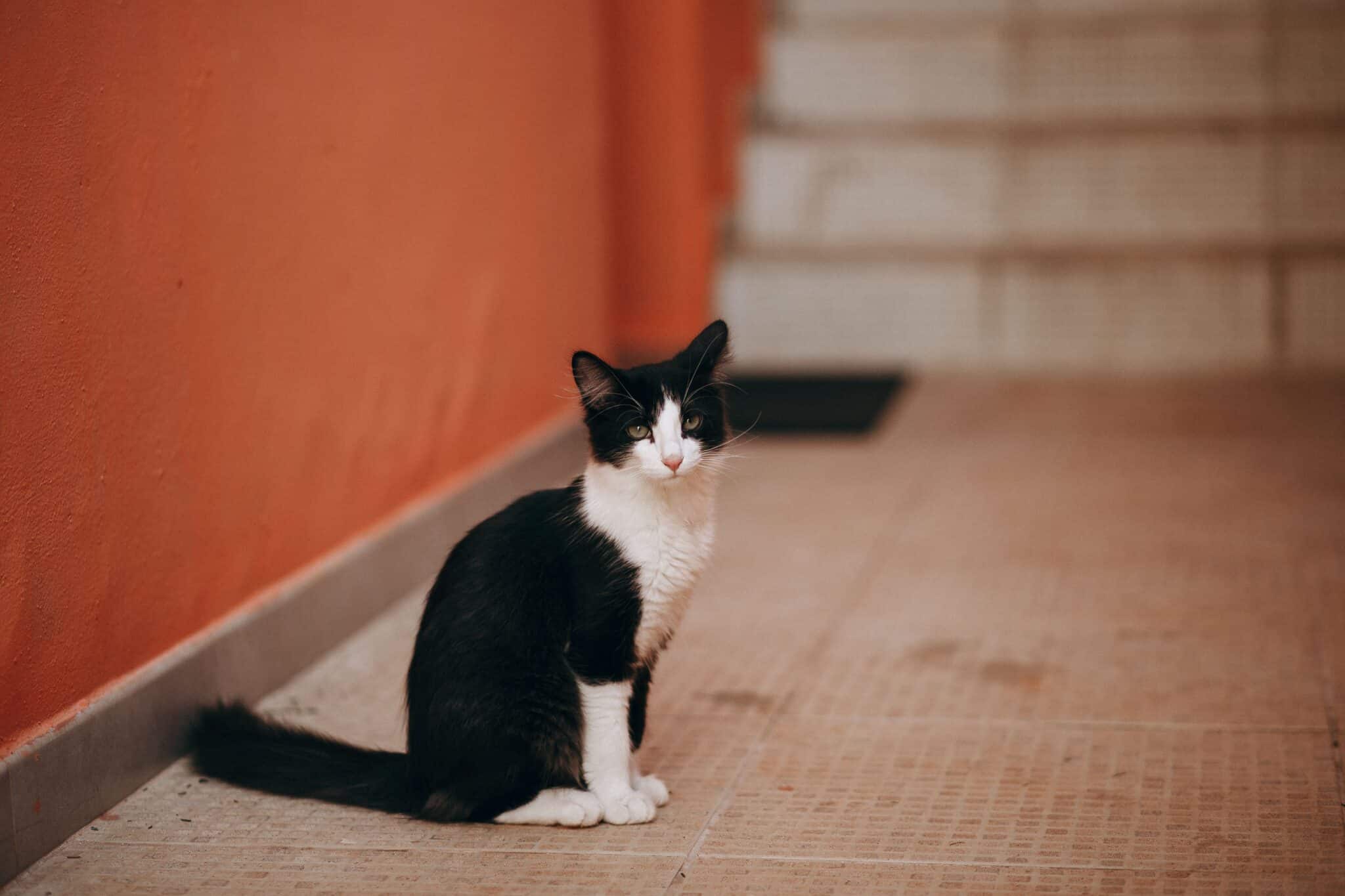
"Cats do not process novelty the way humans do. What is whimsical to a child is a direct challenge to a cat’s sense of environmental control. Minimizing forced interactions, securing toxic items, and establishing a designated ‘safe room’ are not optional luxuries—they are fundamental veterinary care obligations for the holiday season."
— Dr. Elizabeth M. Ramos, Comparative Feline Behaviorist
The American Society for the Prevention of Cruelty to Animals (ASPCA) and the Humane Society emphasize the following mandatory precautions:
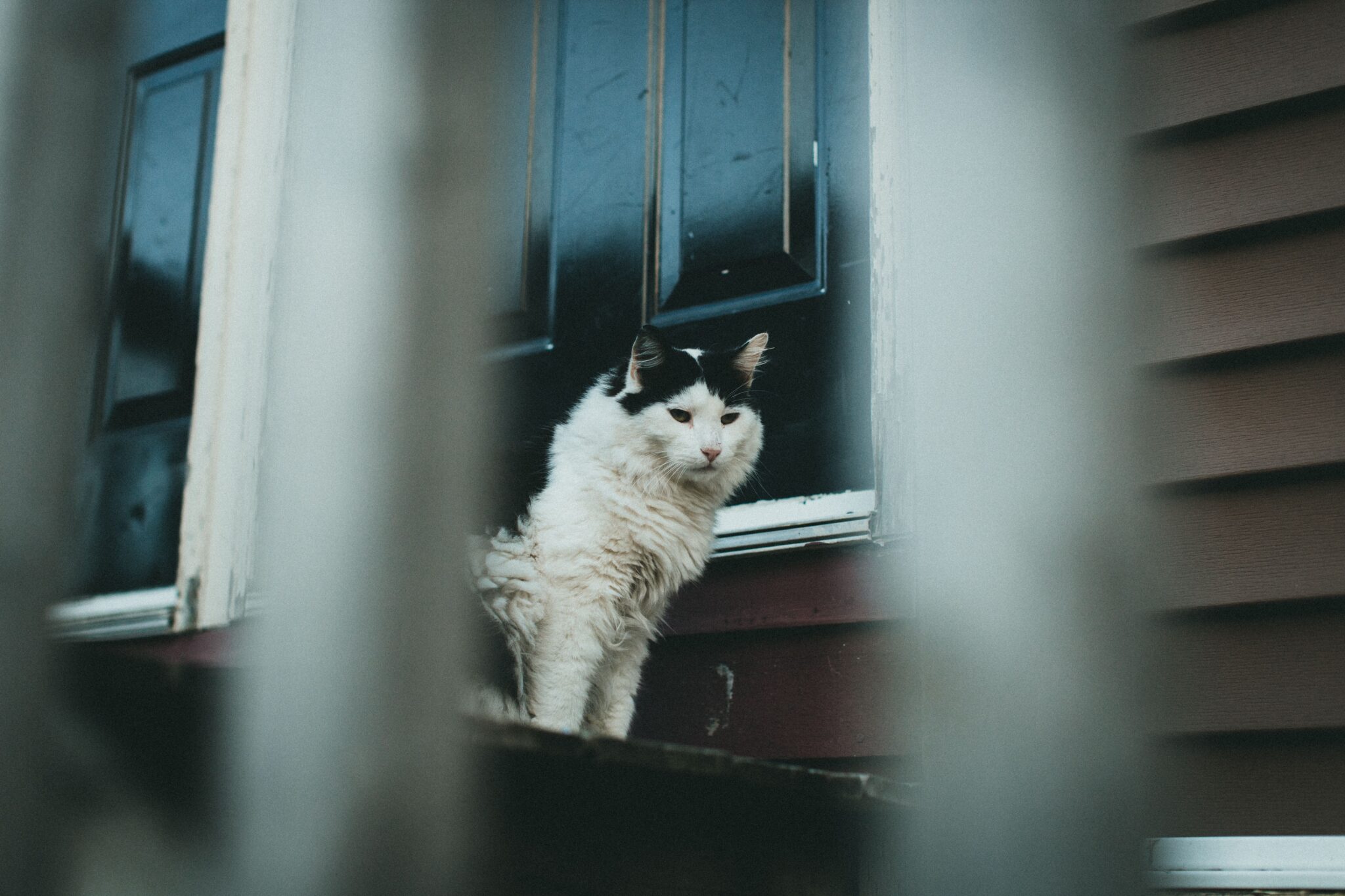
- Confinement Protocols: Restricting cats to a secure, interior room well before trick-or-treating commences eliminates the risk of door-darting.
- Environmental Enrichment: Providing vertical hiding spaces (such as cat trees or covered igloo beds) gives felines absolute agency over their level of environmental exposure.
- Dietary Vigilance: Treating candy bowls as hazardous waste zones by sealing them in upper-cabinet storage away from paw-reach.
Future Outlook: Modern Solutions for Feline Holiday Welfare
As public awareness regarding animal mental health and welfare continues to evolve, pet product manufacturers and veterinary researchers are developing innovative interventions to ease holiday stress for domestic pets.
Technological and Behavioral Innovations
- Pheromone Therapy: The deployment of synthetic feline facial pheromones (such as Feliway Classic or Multi-Cat) in designated safe rooms has proven effective in mitigating anxiety-related behaviors during high-stress events like Halloween and New Year’s Eve.
- Smart Home Integration: Smart doorbell systems that allow volume reduction, custom chime settings (such as silent phone alerts instead of blaring physical chimes), or temporary deactivation significantly reduce acoustic trauma for indoor pets.
- Automated Enrichment Devices: The use of puzzle feeders and independent robotic toys helps maintain the cat’s regular biological schedule, keeping them mentally occupied and physically satisfied away from the commotion of the front hallway.
Conclusion
Ultimately, a successful Halloween for a cat-owning household is measured by the absence of trauma, escape, and medical emergencies. By respecting feline instincts—acknowledging their need for territory, routine, and predictable sensory environments—owners can enjoy the festivities while ensuring their feline companions remain safe, secure, and serene behind closed doors.