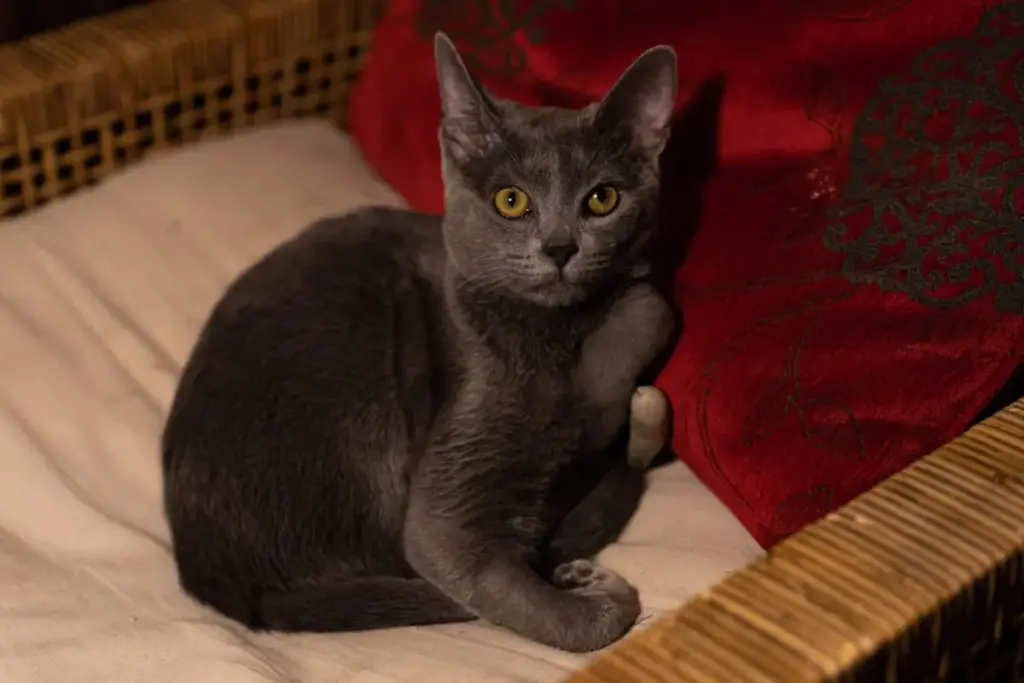
The domestic cat (Felis catus) has long transcended its historical designation as a mere vermin-control agent, evolving into a cherished companion species embedded within millions of households worldwide. While cultural tropes frequently depict the feline as aloof, independent, and emotionally detached, contemporary ethological research and veterinary behavioral studies challenge this reductionist perspective. Felines express affection through a nuanced spectrum of behavioral repertoires—ranging from rhythmic purring and osteopathic head-butting (allorubbing) to persistent shadow-following and deliberate spatial proximity.
Certain feline breeds demonstrate an extraordinarily high degree of human-oriented sociability, demanding or gracefully reciprocating human engagement with distinct personality traits. This investigative feature examines the biological, behavioral, and environmental underpinnings of fifteen prominent cat breeds renowned for their affectionate dispositions. By evaluating their physiological traits, cognitive needs, and social dynamics, this report provides an authoritative guide for prospective owners, animal welfare advocates, and feline behavioral specialists seeking to understand the multifaceted nature of cat-human relationships.
Detailed Chronology: The Evolution of Domestic Feline Sociability
To comprehend how modern cat breeds developed such pronounced attachments to humans, one must examine the timeline of feline domestication and selective breeding. Unlike dogs (Canis lupus familiaris), which underwent tens of thousands of years of intensive co-evolution and working cooperation with humans, cats largely domesticated themselves.
Circa 9,000 BCE (The Neolithic Transition): Wildcats (Felis lybica) gravitated toward early agricultural settlements in the Fertile Crescent, attracted by rodent populations thriving near grain stores. The earliest iteration of the human-cat relationship was transactional and mutualistic.
Circa 1500 BCE (Ancient Egyptian Integration): Felines achieved sacred status in Egypt, transitioning from wild pest-controllers to household deities. This era marks the beginning of intentional human tolerance and selective appreciation for calm, approachable feline temperaments.
The 19th Century (The Birth of Fancy Breeding): Organized cat fancying emerged in Victorian England, notably highlighted by the first official cat show at the Crystal Palace in 1871. Breeders began codifying distinct physical aesthetics alongside behavioral traits, laying the groundwork for modern breeds like the Persian and Siamese.
The Mid-to-Late 20th Century (Emergence of Designer Breeds): Intentional mutations and cross-breeding programs yielded unique socio-centric breeds. The spontaneous genetic mutation of the "floppy" Ragdoll in the 1960s, the folding ears of the Scottish Fold, and the hairless anomaly of the Sphynx redefined the intersection of physical vulnerability and human caretaking instincts.
The 21st Century (Ethological Recognition of Feline Emotion): Modern veterinary science utilizes advanced neuroimaging and behavioral tracking to confirm that cats form secure, complex emotional attachments to their human caregivers, comparable to canine and infant attachment paradigms.
Supporting Context & Metrics: Behavioral Typologies of Affectionate Breeds
Feline affection is neither monolithic nor uniform. Understanding the specific behavioral mechanics of different breeds ensures optimal welfare and harmonious human-animal coexistence.
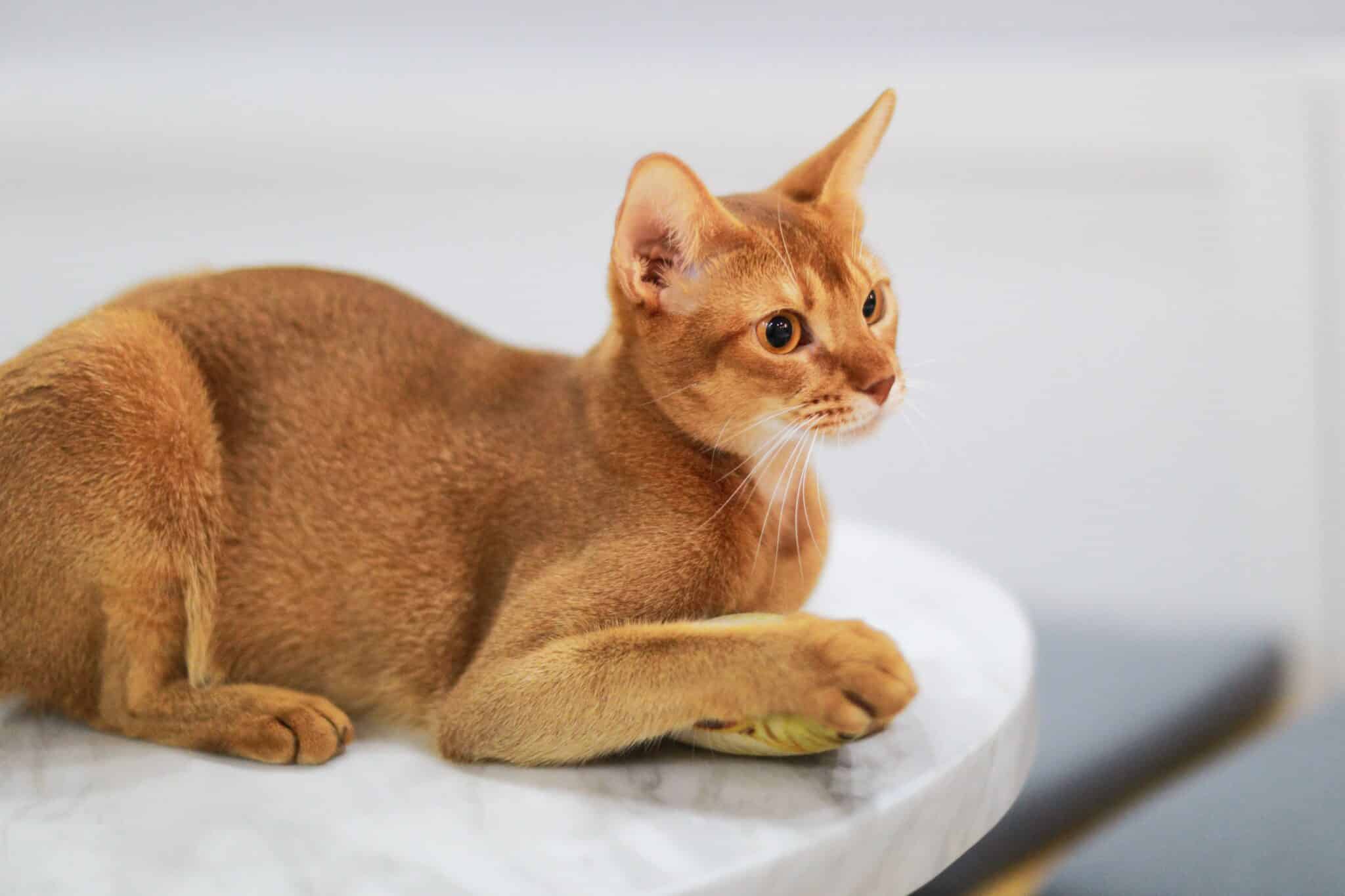
1. Abyssinian
Behavioral Profile: Energetic, hyper-curious, and endlessly participatory. Abyssinians do not merely observe household routines; they integrate themselves directly into them.
Care & Engagement: Requires extensive environmental enrichment, including vertical climbing spaces and puzzle toys. Their sleek, ticked coats demand minimal grooming, shifting the care paradigm entirely toward cognitive and physical stimulation.
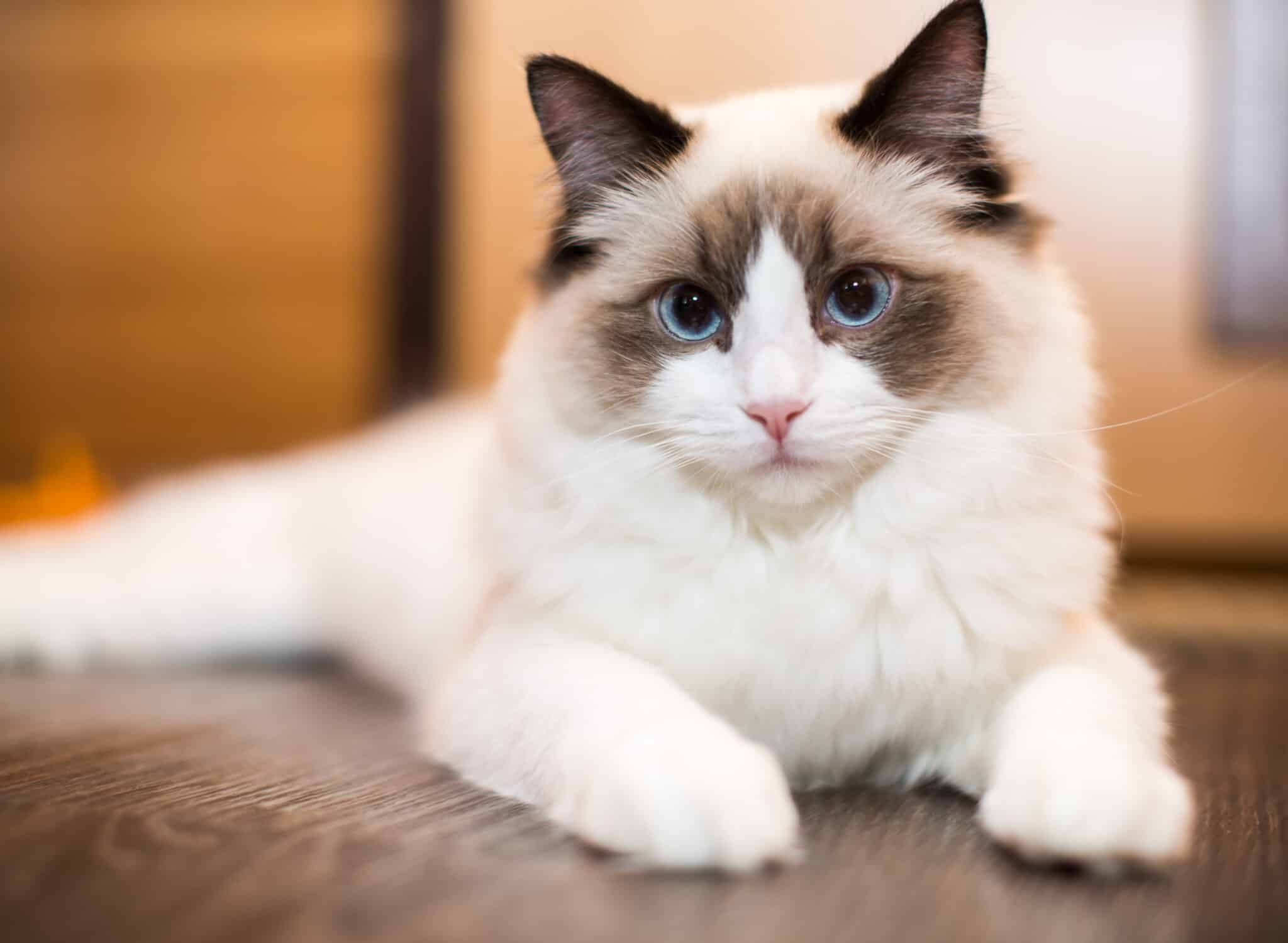
2. Ragdoll
Behavioral Profile: Named for their tendency to go limp when cradled, Ragdolls exhibit profound docility and an unwavering preference for human floor-level proximity.
Care & Engagement: Possess semi-long coats requiring consistent brushing to prevent matting. While generally tolerant, individual boundaries regarding physical handling must always be respected.
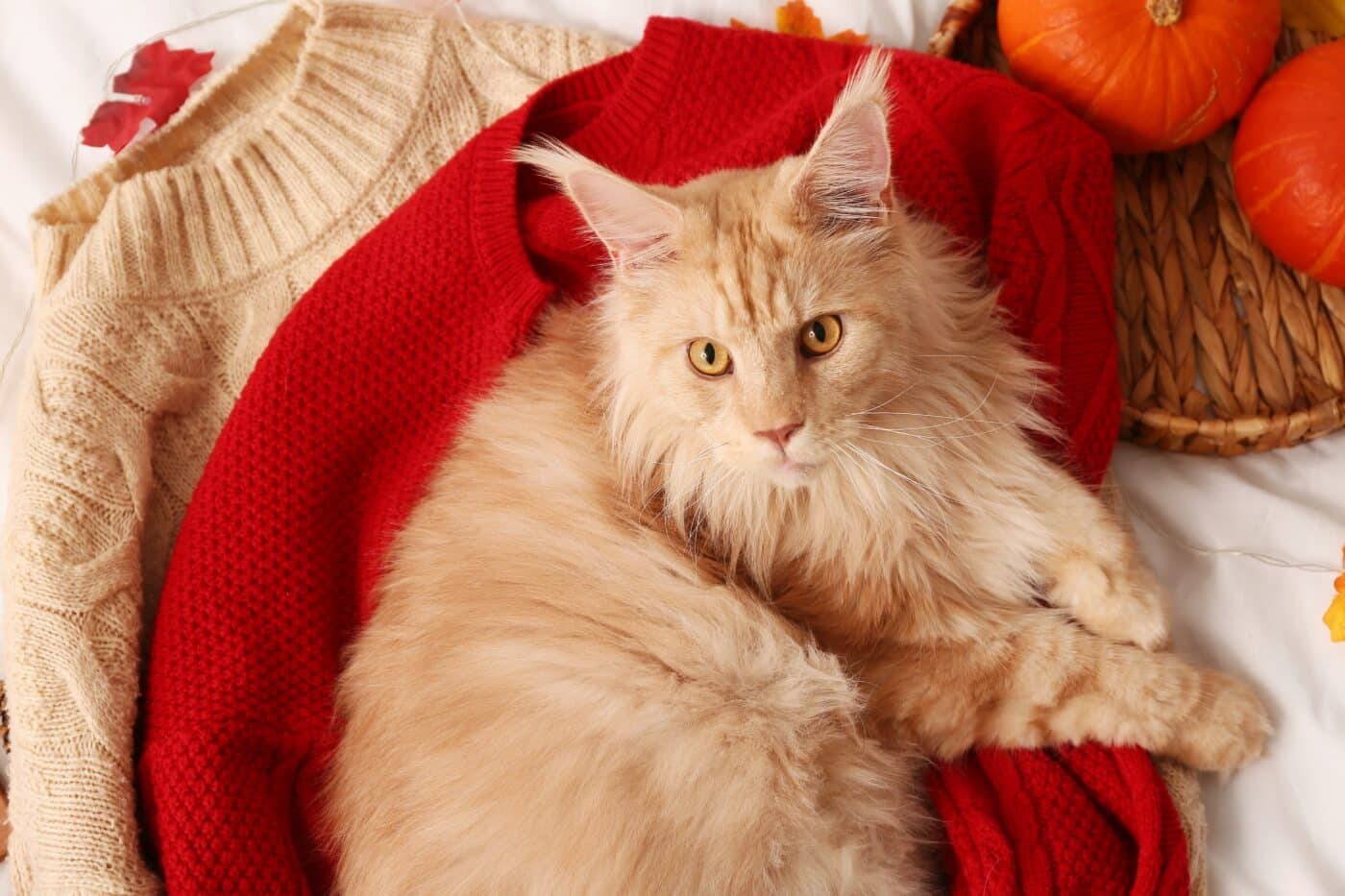
3. Maine Coon
Behavioral Profile: The quintessential "gentle giant." Maine Coons balance massive physical dimensions with a remarkably sweet, unpretentious disposition, often communicating via soft trills and chirps rather than loud vocalizations.
Care & Engagement: Their dense double coats require weekly maintenance. Due to their large frames, joint health and proper nutritional tracking are critical components of long-term care.
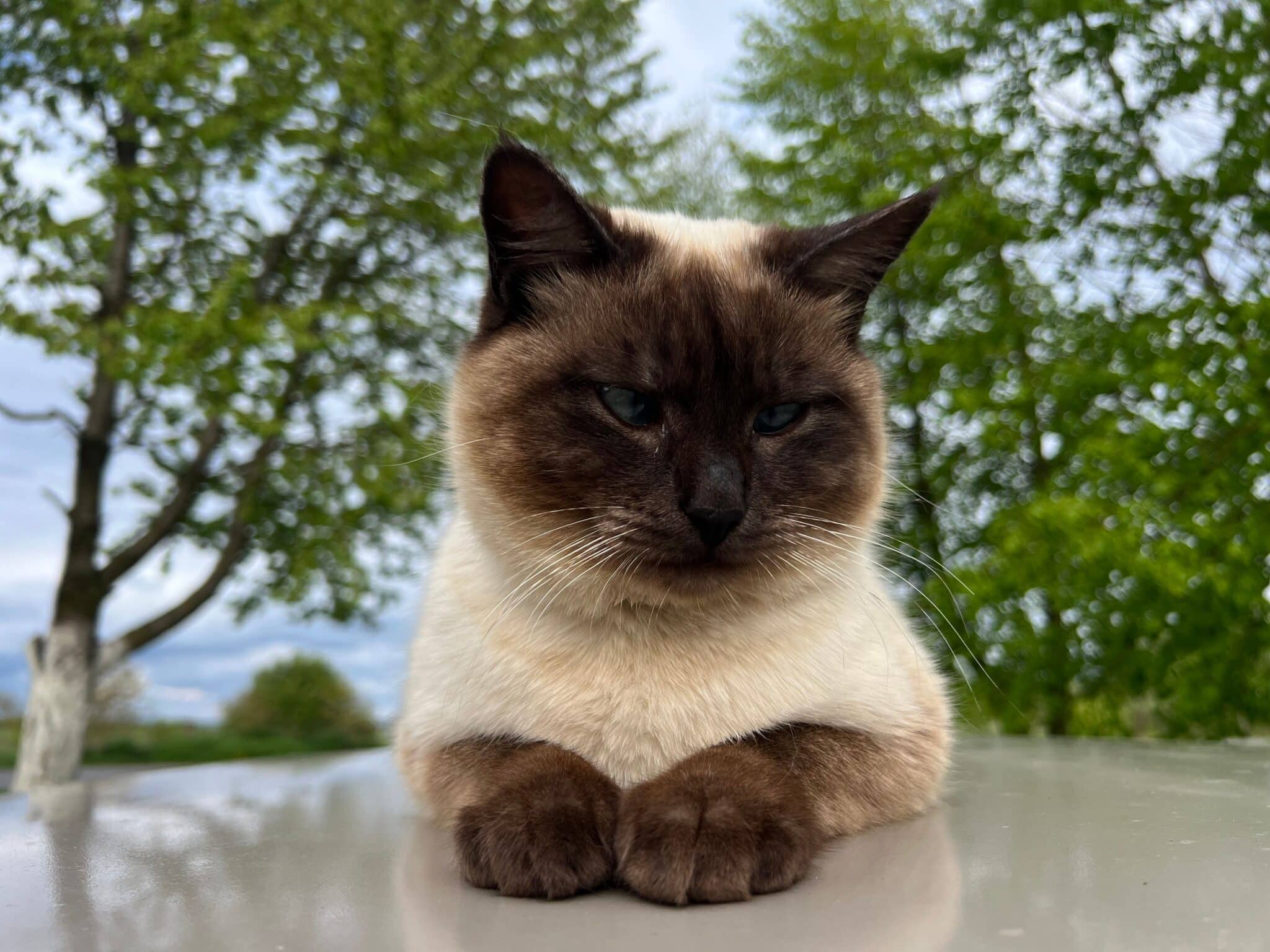
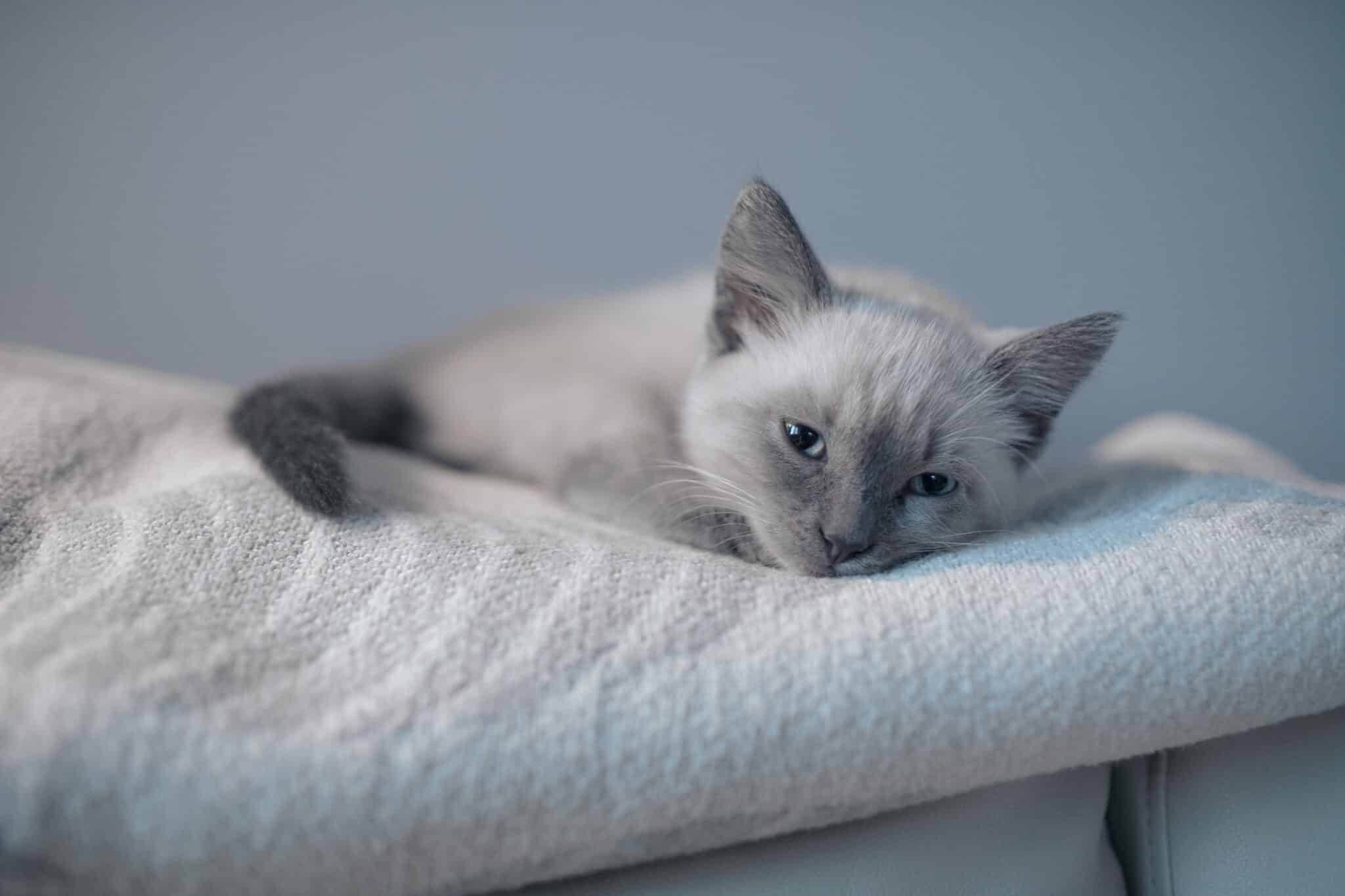
4. Siamese
Behavioral Profile: Vocally expressive, highly social, and emotionally demanding. Siamese cats forge intense, almost dog-like bonds with their chosen humans and suffer greatly under prolonged isolation.
Care & Engagement: Mental stimulation is non-negotiable. Without interactive play, clicker training, or companion animals, they may develop behavioral distress.
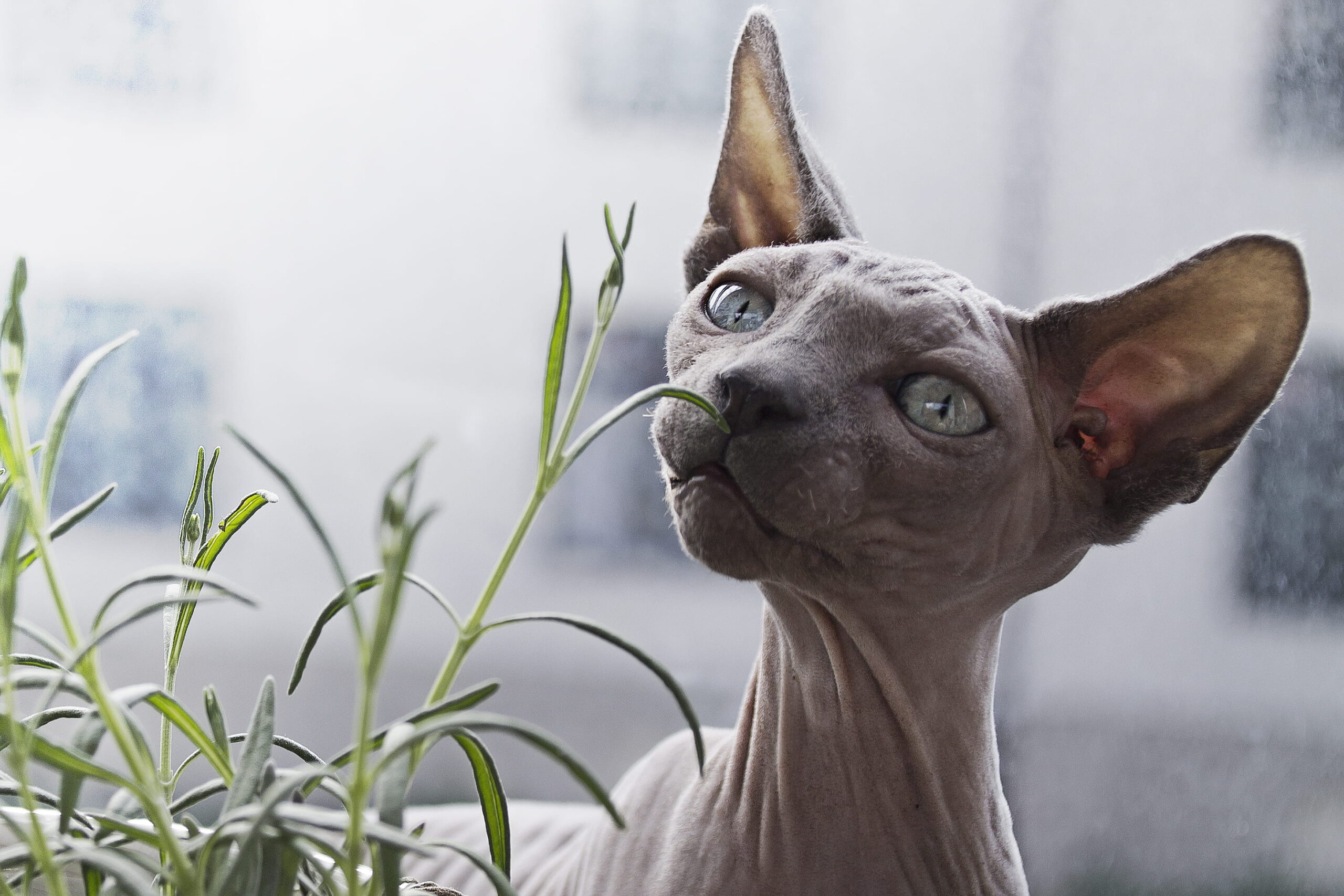
5. Sphynx
Behavioral Profile: Driven by a metabolic need for warmth, Sphynx cats actively seek direct skin-to-skin contact, frequently burrowing under blankets or perching on shoulders.
Care & Engagement: The lack of a protective hair coat necessitates specialized skincare routines to manage natural body oils, alongside environmental climate control to protect them from thermal extremes.
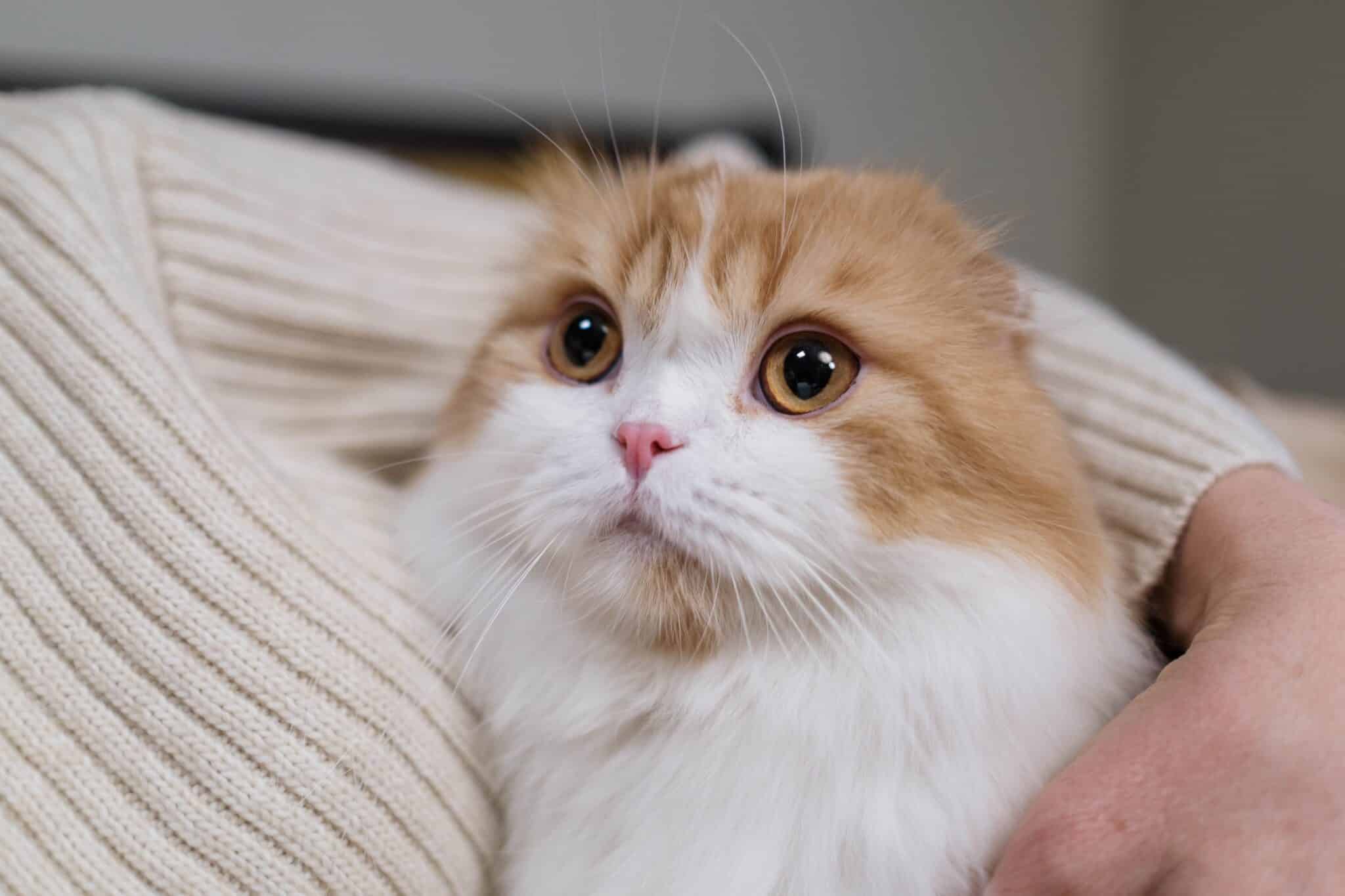
6. Scottish Fold
Behavioral Profile: Quietly companionable, peaceful, and observant. They prefer sitting near their humans rather than demanding continuous physical interaction.
Care & Engagement: Ethical considerations are paramount. The genetic mutation causing folded ears is intrinsically linked to osteochondrodysplasia, a painful cartilage and bone disease. Rigorous veterinary oversight and ethical breeding practices are mandatory.
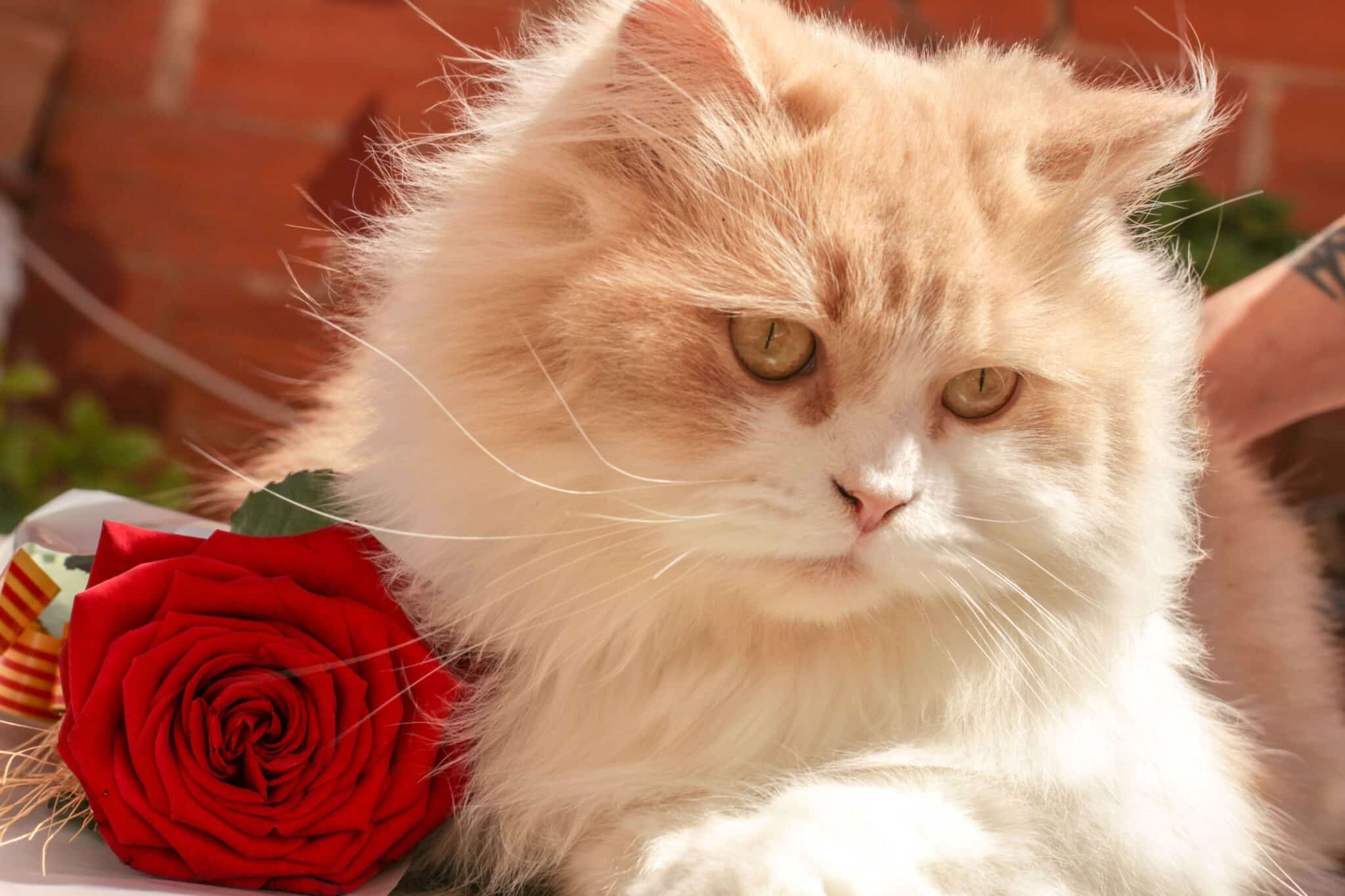
7. Persian
Behavioral Profile: The epitome of serene, aristocratic tranquility. Persians favor predictable routines, plush cushions, and quiet environments over chaotic, high-energy households.
Care & Engagement: Daily coat grooming is essential to avoid severe pelting. Furthermore, brachycephalic facial structures require regular eye and respiratory monitoring.
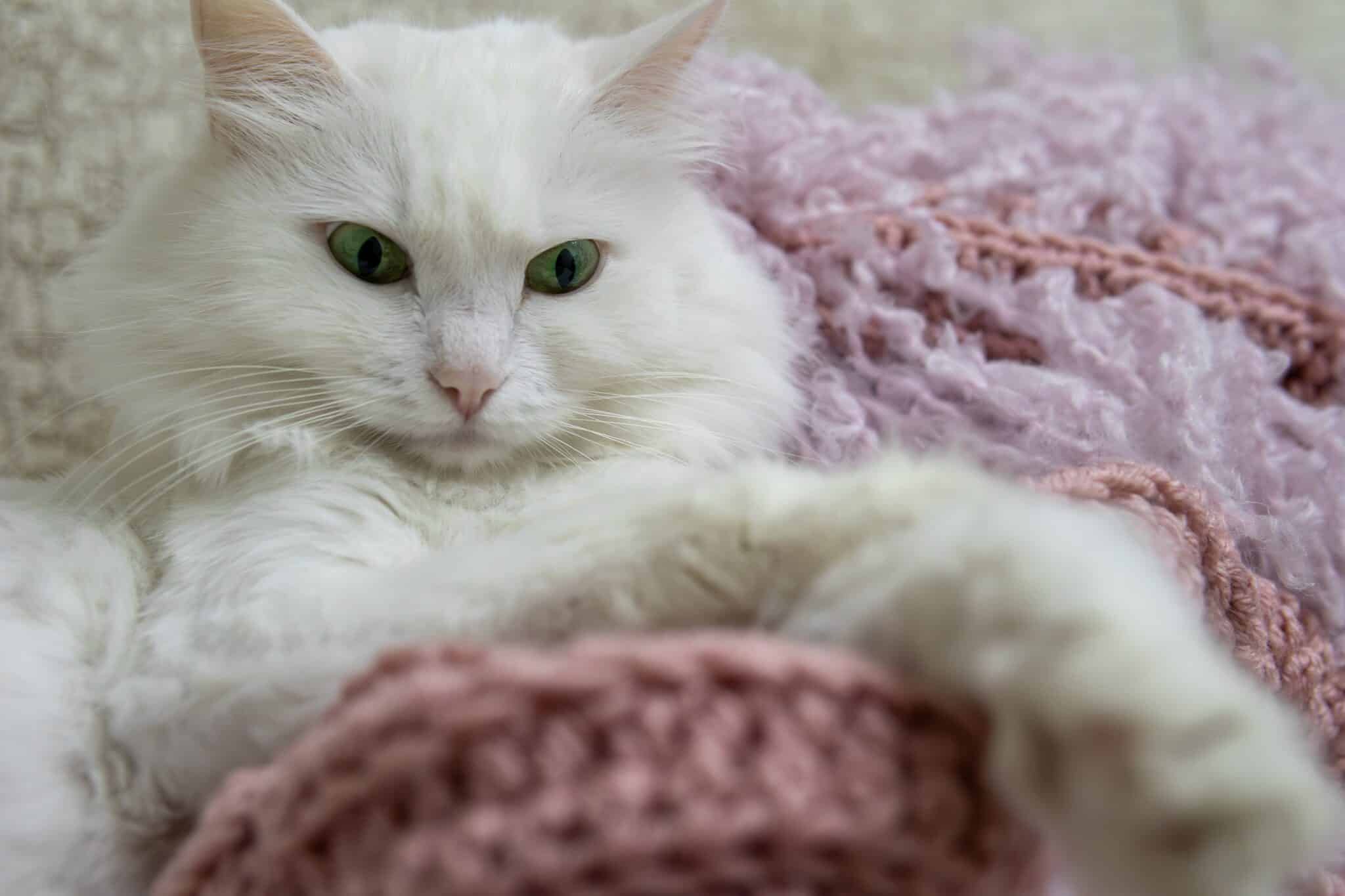
8. Turkish Angora
Behavioral Profile: Graceful, intelligent, and fiercely loyal. They retain a playful kitten-like demeanor well into adulthood, often balancing high-perch observation with bursts of affectionate engagement.
Care & Engagement: Regular coat maintenance keeps their fine, silky fur tangle-free, while interactive toys satisfy their innate predatory curiosity.
9. Norwegian Forest Cat
Behavioral Profile: Rugged outdoor aesthetics matched with a profoundly gentle, trusting interior. They offer a masterclass in independent yet deeply affectionate companionship.
Care & Engagement: Their water-resistant double coats undergo heavy seasonal shedding, requiring robust grooming interventions during transitional weather periods.
10. Bombay
Behavioral Profile: Visually resembling miniature panthers with striking copper eyes, Bombays are domestic shadows that persistently follow their humans from room to room.
Care & Engagement: Short coats require minimal grooming, leaving owners ample time to satisfy the Bombay’s strong desire for interactive play and lap-sharing.
11. Devon Rex & Cornish Rex
Behavioral Profile: Characterized by rippling, wavy coats and oversized ears, both Rex breeds are acrobatic, mischievous, and exceptionally clingy. They treat human laps and shoulders as permanent real estate.
Care & Engagement: Delicate coats and thin skin leave them sensitive to cold temperatures and direct sunlight; indoor climate management is vital.
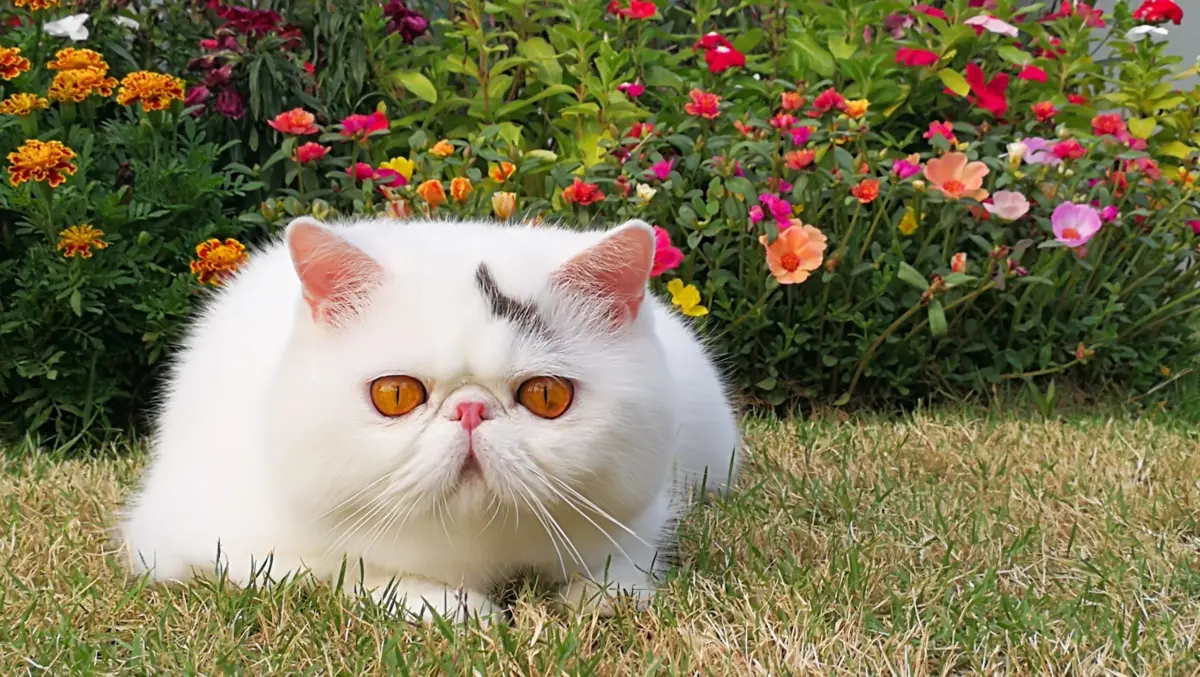
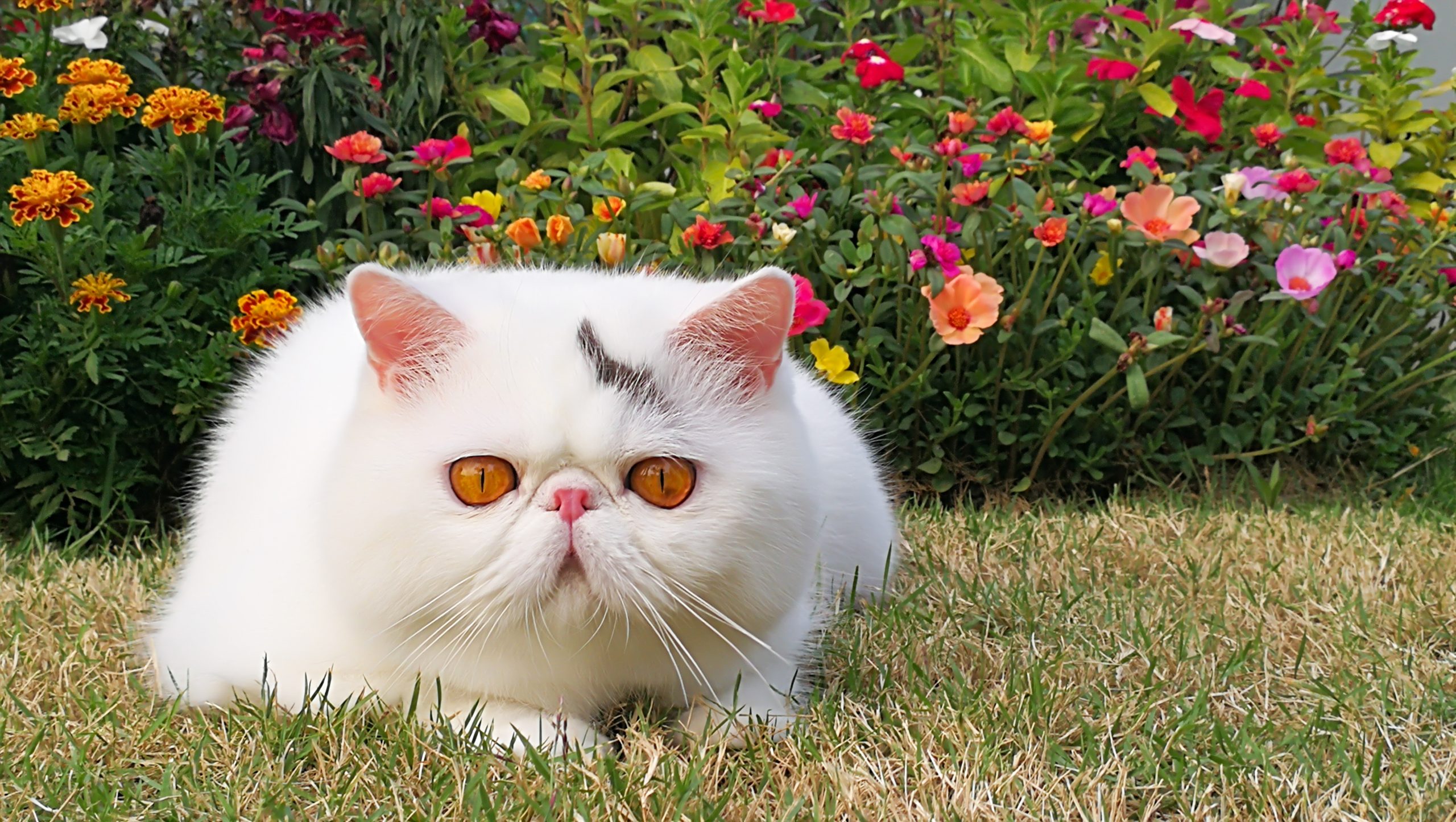
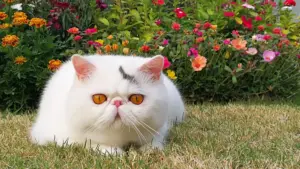
12. Exotic Shorthair
Behavioral Profile: Possessing the plush, rounded aesthetics of the Persian paired with an easygoing, low-maintenance short coat. They are deeply affectionate without being overly clingy.
Care & Engagement: Like Persians, their brachycephalic skulls require vigilant health monitoring regarding airflow, tear duct maintenance, and dental alignment.
13. American Shorthair
Behavioral Profile: Sturdy, adaptable, and balanced. They express affection through quiet steadfastness, greeting family members at the door and establishing reliable household routines.
Care & Engagement: Excellent general health and manageable coats make them ideal for varied domestic environments, provided their hunting instincts are channeled via active play.
14. Oriental Shorthair
Behavioral Profile: Genetically linked to the Siamese, these slender, large-eared felines are intensely expressive, vocal, and emotionally invested in their owners’ daily schedules.
Care & Engagement: They require abundant environmental enrichment and human interaction to prevent separation-induced anxiety or destructive behaviors.
Official Statements & Veterinary Consensus
To maintain an objective, authoritative standard, leading veterinary organizations emphasize that while breed genetics provide a reliable baseline for predictable temperaments, individual variability remains high.
According to Dr. Elizabeth Adams, senior feline behaviorist at the International Association of Animal Behavior Consultants (IAABC):
"Breed categorization is a powerful tool for matching human lifestyles with feline needs, but it must never replace individual assessment. A cat’s early socialization window—specifically between two and seven weeks of age—plays a far more decisive role in determining adult affection levels than genetic lineage alone. When we combine intentional breeding selection with positive reinforcement and secure attachment handling, we unlock the highest potential for deep inter-species bonds."
Furthermore, the American Association of Feline Practitioners (AAFP) continually stresses the importance of preventive veterinary medicine in maintaining affectionate behavior. Unexpressed pain, dental disease, or osteoarthritis frequently manifest not as overt distress, but as sudden withdrawal or aggression. Ensuring a cat is physiologically comfortable is the primary prerequisite for authentic emotional engagement.
Future Outlook: The Intersection of Feline Welfare and Human Companionship
As urbanization increases and modern households trend toward apartment living and remote work models, the demand for companion animals that offer emotional resonance without requiring outdoor acreage has skyrocketed. People-oriented cat breeds are uniquely positioned to meet this psychological and social need.
Looking forward, the future of ethical cat ownership hinges upon two critical pillars:
Responsible Breeding Reform: Eradicating harmful genetic exaggerations—such as extreme brachycephaly in Persians and Exotic Shorthairs, or skeletal deformities in Scottish Folds—to prioritize health over aesthetic novelty.
Advanced Ethological Education: Shifting public perception away from the outdated myth of the "cold, solitary cat." By educating owners on feline body language, subtle communicative cues (such as the slow blink), and environmental enrichment, humans can foster more profound, mutually satisfying relationships with their feline companions.
Ultimately, whether an affectionate feline manifests as a perpetual lap-warmer like the Ragdoll, an energetic shadow like the Abyssinian, or a vocal conversationalist like the Siamese, the underlying constant remains the same: the sweetest cat love is built upon a foundation of mutual respect, safety, and unwavering trust.