
Executive Overview
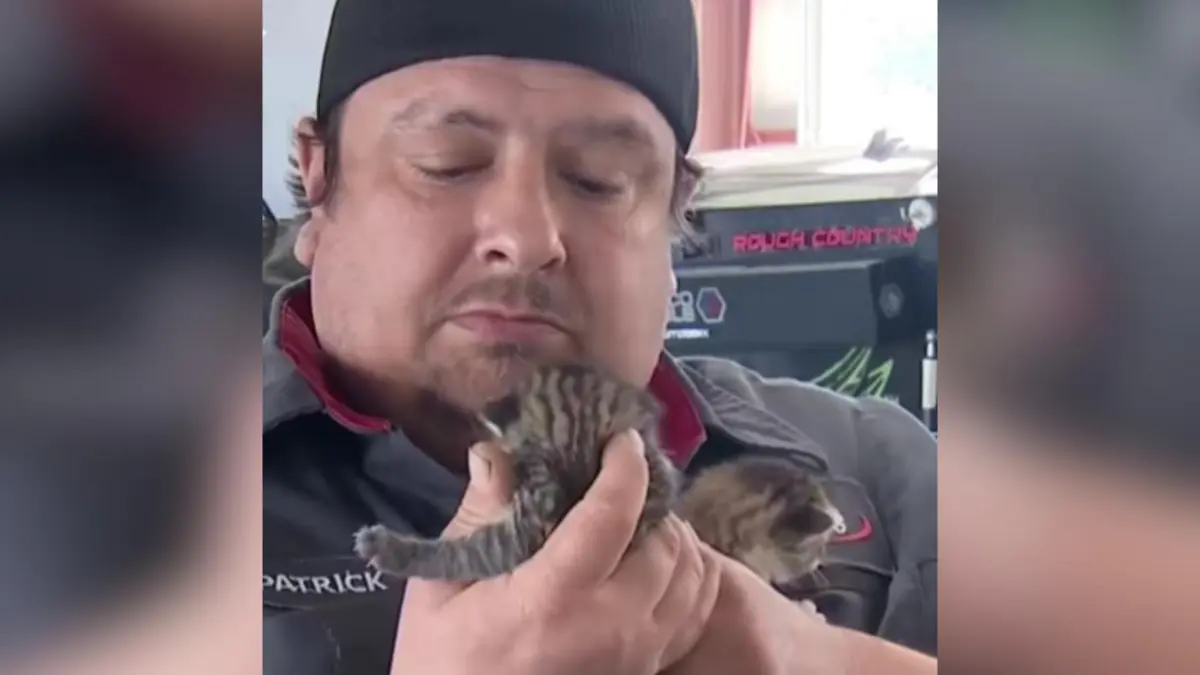
What began as a mundane Monday morning automotive maintenance appointment transformed into an extraordinary narrative of survival, serendipity, and compassion in Mobile, Alabama. Christina J. Harris, a reporter for local outlet News 5, drove her station vehicle to Gipson’s Tire and Auto expecting nothing more than a standard oil change. Instead, veteran mechanic Patrick Long made an astonishing discovery tucked deep within the vehicle’s engine compartment: two tiny, vulnerable kittens.
This unexpected encounter highlights a peril that emerges with the changing seasons across North America. As ambient temperatures drop, stray and feral felines frequently seek refuge inside the mechanical architecture of parked automobiles, drawn by the residual thermal energy radiating from recently operated engines. While engine-bay stowaways are a known occupational hazard for automotive technicians, the fortunate
outcome of this particular incident averts a potentially tragic mechanical accident.
Beyond the immediate drama of the rescue, this event underscores the vital importance of seasonal vehicle checks for animal welfare. In an uplifting resolution to the morning’s unexpected events, mechanic Patrick Long—drawing upon years of experience safely extracting feline passengers from motor vehicles—decided to adopt both kittens. This comprehensive report explores the timeline of the rescue, the seasonal behaviors driving stray animals into motor vehicles, expert recommendations for motorists, and the broader implications for animal safety awareness.
Detailed Chronology: From Routine Maintenance to Miraculous Discovery
The Setup: A Standard Monday Morning Appointment
The sequence of events commenced early on a Monday morning in Mobile, Alabama. Christina J. Harris, fulfilling her journalistic duties, operated a News 5 station vehicle that required standard preventative maintenance. Like countless drivers before her, Harris scheduled a routine oil change at Gipson’s Tire and Auto, a trusted local establishment known for its reliable automotive services.
At the time of drop-off, the vehicle operated normally, and no anomalous sounds or indicators suggested that the car was carrying anything other than mechanical components. Harris anticipated a routine wait while the technicians completed the oil replacement, a service typically lasting less than an hour. However, the operational rhythm of the garage was about to be interrupted by a quiet, persistent mewl from beneath the hood.
The Inspection: Uncovering the Unexpected Passengers
Assigned to service Harris’s vehicle was Patrick Long, a seasoned mechanic with years of hands-on experience in the automotive repair industry. Long initiated the standard service protocol: lifting the vehicle on a hydraulic hoist, draining the spent motor oil, and preparing to inspect the engine bay components.
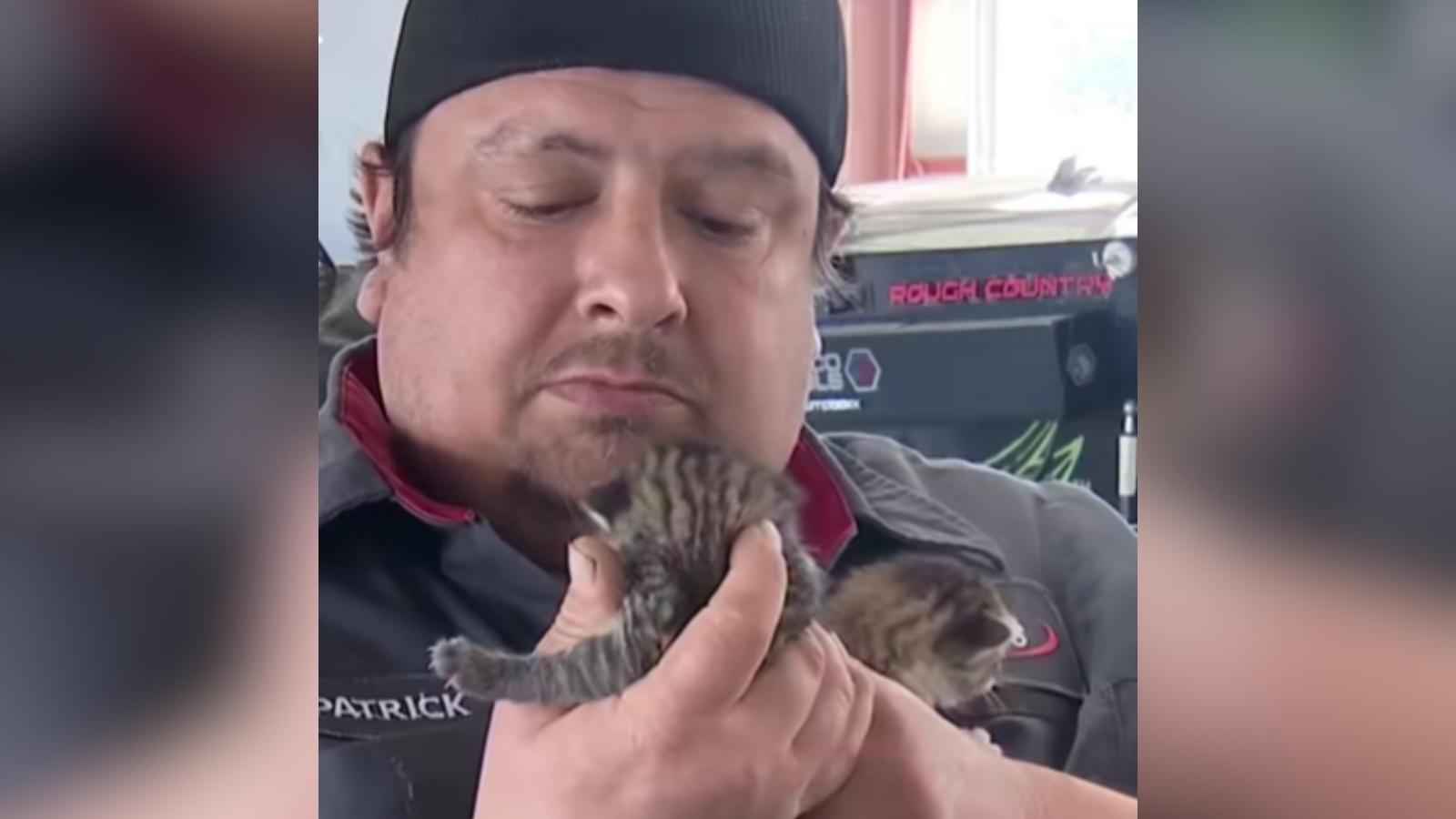
Upon lowering the vehicle and popping the hood to top off fluid levels, Long’s trained eye and ear detected something amiss. Amidst the complex network of hoses, wiring harnesses, and the engine block, two tiny, fragile silhouettes were huddled together. Rather than mechanical debris or nesting materials typical of rodents, Long discovered two live, startled kittens.
The discovery immediately halted the oil change procedure. Recognizing the extreme vulnerability of the animals in such a confined and potentially hazardous space, Long exercised extreme caution. Working carefully to avoid startling the kittens—which could have caused them to dart deeper into the machinery or fall from the elevated vehicle—he successfully coaxed them out of the engine compartment.
Supporting Context & Metrics: The Science and Danger of Engine-Bay Stowaways
Why Vehicles Attract Feline Stowaways
The phenomenon of cats sheltering inside motor vehicles is well-documented among veterinarians, animal rescue organizations, and automotive technicians. To understand why Harris’s station vehicle became a sanctuary for these two kittens, one must examine feline behavioral ecology during periods of shifting weather.
- Thermoregulation: Felines, particularly neonates and juveniles, possess a high surface-area-to-mass ratio, making them acutely susceptible to hypothermia when ambient temperatures drop. A newly parked vehicle retains substantial thermal energy within the engine block, exhaust manifolds, and transmission housing for hours after operation. This residual warmth serves as a powerful thermal beacon for cats navigating chilly outdoor environments.
- Predator Protection: Urban and suburban strays face numerous environmental hazards, including territorial predators, harsh winds, and precipitation. The undercarriage and engine bay of an automobile provide a secure, enclosed micro-habitat that shields vulnerable animals from predators and the elements.
- Proximity to Wooded and Urban Interfaces: As Long noted during interviews regarding the incident, stray and feral cats frequently migrate from wooded peripheries, alleyways, and commercial districts into residential and commercial parking lots. Vehicles parked in these zones present immediate, accessible shelter.
Statistical Risks and Historical Precedents
While exact nationwide statistics on engine-bay animal entrapments are difficult to quantify due to underreporting, animal welfare coalitions estimate that thousands of domestic and wild animals—primarily cats and small rodents—seek shelter in motor vehicles annually across North America.
The physiological and mechanical risks associated with this behavior are severe:
- Thermal Burns: Contact with hot exhaust components or catalytic converters can cause catastrophic burn injuries to uninitiated animals.
- Mechanical Trauma: The initiation of a serpentine belt, cooling fan, or pulley system while an animal is nestled inside frequently results in fatal or disfiguring trauma.
- Chemical Ingestion: Animals trapped in engine compartments may inadvertently ingest toxic automotive fluids, such as ethylene glycol (antifreeze), which is notoriously palatable to domestic animals yet lethal in micro-quantities.
Despite these grim statistics, mechanics like Patrick Long represent the front line of defense. Long’s extensive career history included multiple prior encounters with feline stowaways. Crucially, his experiential knowledge indicates that many of these encounters conclude favorably when technicians remain vigilant during under-hood inspections.
Official Statements and Perspectives
The Mechanic’s Perspective: Patrick Long
Patrick Long’s professional background provided him with the necessary composure and expertise to handle the situation delicately. Reflecting on his career at Gipson’s Tire and Auto, Long noted that finding animals inside vehicles, while startling to vehicle owners, is an occasional reality of the trade.
"During my years working as a mechanic, I’ve encountered several similar situations," Long explained to News 5 reporters. "Most of those discoveries end with the animals surviving, though not every experience has a happy outcome. You learn very quickly to check the spaces drivers rarely think to look."
Long’s familiarity with the behavior of displaced wildlife and stray animals guided his immediate actions. Rather than viewing the kittens as a nuisance or an interruption to the workflow of a busy auto shop, he recognized their urgent need for protection and stability.
The Vehicle Owner’s Perspective: Christina J. Harris
For Christina J. Harris, the morning assignment transformed from a routine journalistic errand into a deeply personal and heartwarming experience. As a reporter accustomed to documenting the news, finding herself at the center of a heartwarming local interest story provided a unique perspective.
Harris expressed profound gratitude toward Long for his attentiveness. Had a less observant technician serviced the vehicle, the consequences could have been tragic upon the next ignition cycle. Instead, Harris’s routine trip to the mechanic resulted in the preservation of two young lives and a memorable human-interest feature for her news station.
Future Outlook & Recommendations for Motorists
The miraculous rescue of the Mobile kittens serves as an invaluable educational catalyst for drivers everywhere. As seasonal temperatures fluctuate, automotive experts and animal welfare advocates urge motorists to adopt simple preventative habits to protect local wildlife and domestic strays.
Actionable Safety Protocols for Drivers
- The "Knock and Tap" Method: Before entering a vehicle—particularly during cold autumn and winter mornings—drivers should develop the habit of firmly rapping on the hood of the car or sounding the horn briefly. This auditory stimulus often startles hidden animals, prompting them to flee safely before the engine is engaged.
- Visual Inspection: Drivers who park in areas known for high stray cat populations should periodically lift the hood to check for paw prints, fur, or vocalizations emanating from the engine compartment.
- Immediate Response to Anomalies: If a driver hears unusual scratching, meowing, or mechanical rattling immediately upon starting a vehicle, they must shut off the ignition instantaneously and inspect the engine bay or contact local animal control or a mechanic.
- Community Awareness: Supporting local Trap-Neuter-Return (TNR) programs helps stabilize stray and feral cat populations, ultimately reducing the number of vulnerable kittens seeking dangerous urban shelters like motor vehicles.
A Heartwarming Resolution
The story concludes on the highest possible note. Rather than leaving the kittens’ fate to local shelters or uncertainty, Patrick Long made the definitive personal choice to adopt both animals. The mechanic who spent his morning extracting the tiny stowaways from the depths of an engine block transitioned seamlessly into their permanent caretaker.
For the Gipson’s Tire and Auto team, Christina J. Harris, and the two resilient kittens, a routine oil change in Mobile, Alabama, became a testament to human empathy, professional vigilance, and the unexpected ways lives can intersect in the most unlikely places.