
In the contemporary household, a quiet revolution has taken place. Long gone are the days when feline companions were content to lounge exclusively in sunbeams, detached from the mechanical rhythms of human existence. Today, millions of cat owners find themselves sharing their living spaces—and often their home-office desks—with self-appointed middle managers equipped with whiskers, sharp intellects, and an unyielding desire to audit every domestic operation.
From inspecting incoming grocery deliveries and monitoring the thermodynamic efficiency of kitchen faucets to offering unsolicited, vocal critiques of corporate Zoom meetings, certain cat breeds have transformed the concept of pet ownership into a supervisory partnership. Animal behaviorists and feline geneticists attribute this phenomenon to a convergence of heightened cognitive traits, deep-seated social motivations, and evolutionary curiosity.
While every cat possesses a unique temperament, breed-specific studies and behavioral observations indicate that certain lineages are disproportionately prone to active oversight. This comprehensive investigative report examines the psychological drivers behind feline micro-management, catalogs the top 12 breeds renowned for their executive tendencies, and explores what this unique interpersonal dynamic means for the modern human-animal bond.
Detailed Chronology: The Evolution of the Household "Floor Manager"
To understand why a modern cat feels compelled to sit directly upon an operational laptop keyboard or critique the folding of laundry, one must examine the chronological progression of the domestic cat (Felis catus) from solitary desert predator to integrated urban roommate.
Phase One: The Agrarian Auditor (Ancient Origins)
Millennia ago, feline ancestors entered human settlements primarily as utilitarian pest controllers. Their duties were sharply defined: patrol the grain stores, eliminate rodents, and maintain a respectful, independent distance from human social structures. Even during this early epoch, however, these animals demonstrated an acute awareness of human logistics, monitoring grain storage facilities and leveraging human habitation for shelter and warmth.
Phase Two: The Salon Aristocrat (The 19th and 20th Centuries)
As selective breeding formalised in the Victorian era, human breeders began isolating specific aesthetic and behavioral traits. Breeds like the Siamese and Abyssinian were imported from ancient trade routes, bringing with them not only striking physical coats but also exceptionally high vocal intelligence, emotional sensitivity, and intense social dependencies. These cats ceased to be mere mousers; they became companions deeply attuned to human emotional states and domestic schedules.
Phase Three: The Remote Work Revolution (The 21st Century)
The most significant acceleration of feline supervisory behavior occurred over the past decade, culminating in the global shift toward remote and hybrid work models. As humans brought their corporate offices into living rooms, dens, and kitchen counters, cats suddenly found themselves sharing workspace with their favorite companions 24 hours a day. The laptop keyboard—warm, vibrating, and emitting fascinating optical displays—became the ultimate nexus of human productivity and feline disruption. Today’s domestic cat does not merely observe human labor; it actively seeks to audit, redirect, and participate in it.
Supporting Context & Metrics: The Psychology of Feline Curiosity
Why do certain cats feel an irresistible urge to oversee household operations? According to recent insights from feline behavioral science, this behavior is governed by three primary pillars: cognitive stimulation, territorial security, and social bonding.
- Cognitive Demand: High-intelligence breeds experience mental stagnation if left in static environments. Auditing human chores—such as watching water boil, tracking the mechanical arms of a vacuum cleaner, or investigating a new Amazon delivery box—provides essential sensory enrichment.
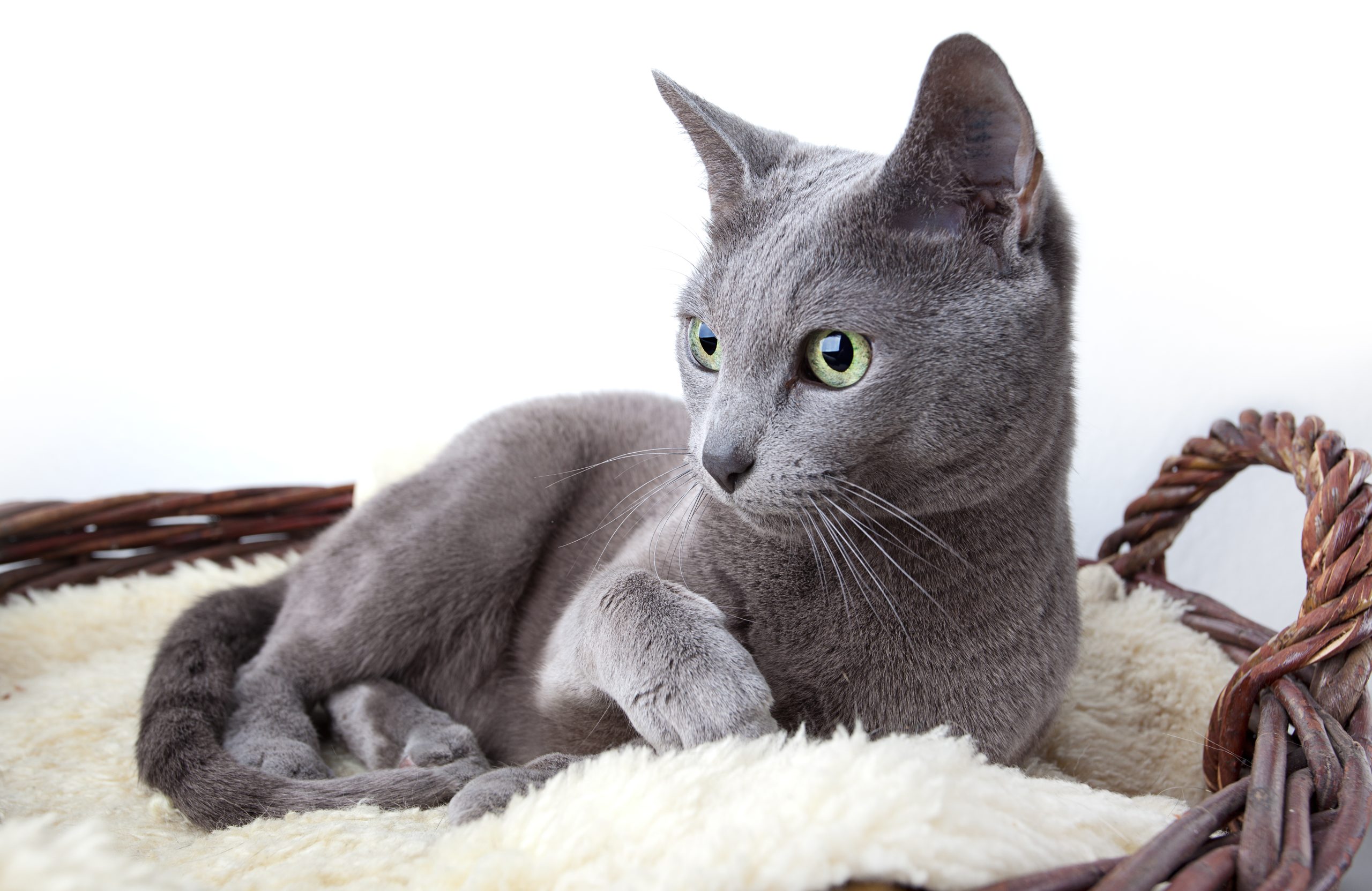
- The Thermodynamics of Companionship: Breeds with unique coats (such as the hairless Sphynx or the fine-furred Russian Blue) or immense physical scale (such as the Maine Coon) often tether themselves to human routines for thermal regulation or physical security.
- Vocal Communication: Unlike feral cats, which reserve vocalization primarily for kittenhood or aggressive territorial disputes, domesticated breeds—most notably the Siamese and Oriental Shorthair—have evolved an extensive vocabulary of chirps, meows, and trills designed specifically to converse with human "staff."
The Audit: 12 Breeds That Act As Household Supervisors
To help pet parents identify whether they are sharing their home with a casual observer or a certified feline inspector, we examine the twelve cat breeds most commonly associated with intense domestic oversight.
1. The Siamese: The Chief Executive Communicator
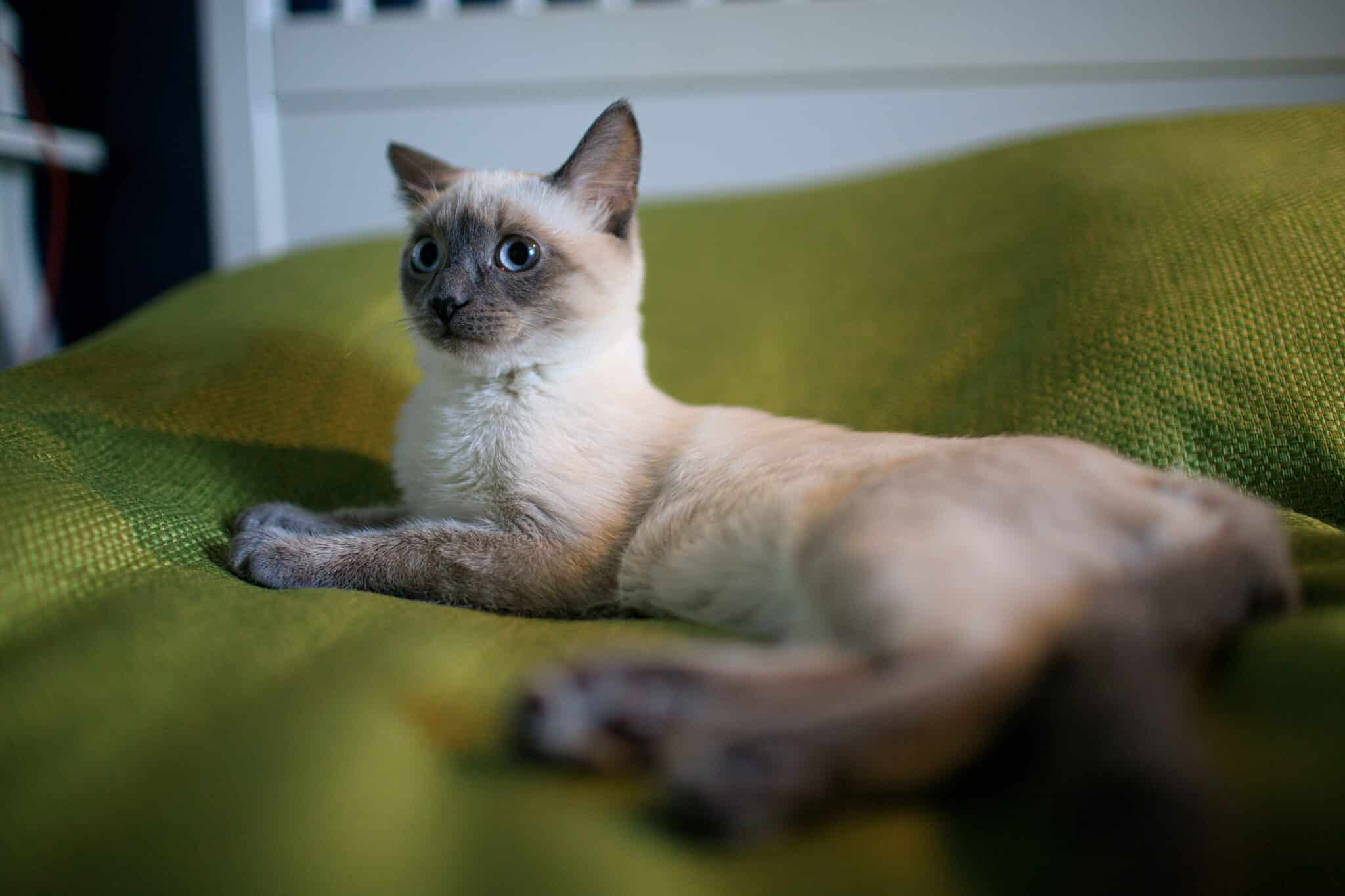
Siamese cats rarely observe household activities from a distance. Their legendary intelligence, curiosity, and famously vocal personalities make them enthusiastic, unrelenting participants in everyday routines. A Siamese will follow you between rooms, inspect kitchen counters, and offer a running commentary while you work. Because they crave intense mental stimulation, long stretches of solitude lead rapidly to boredom—and subsequent administrative interventions.
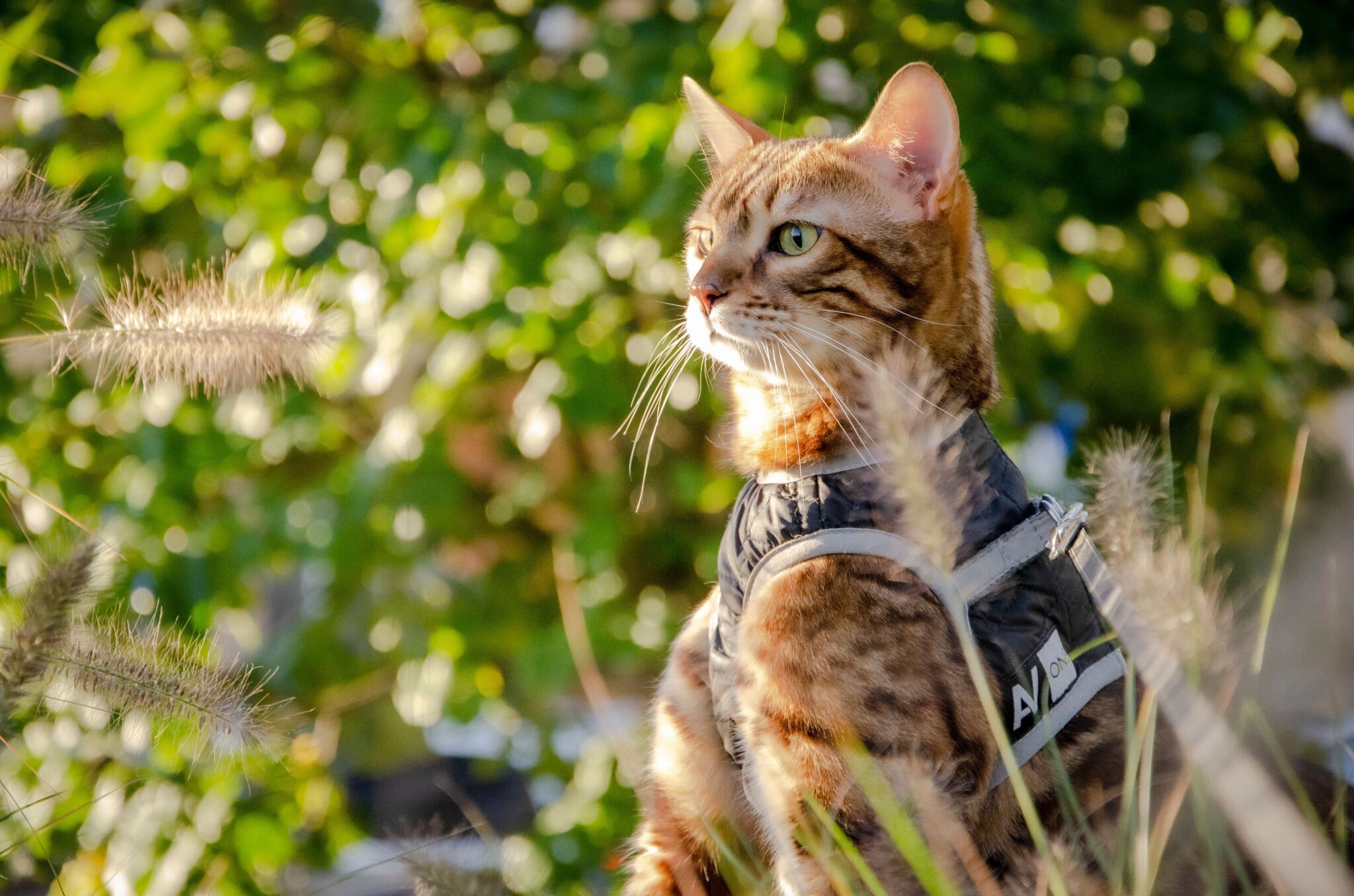
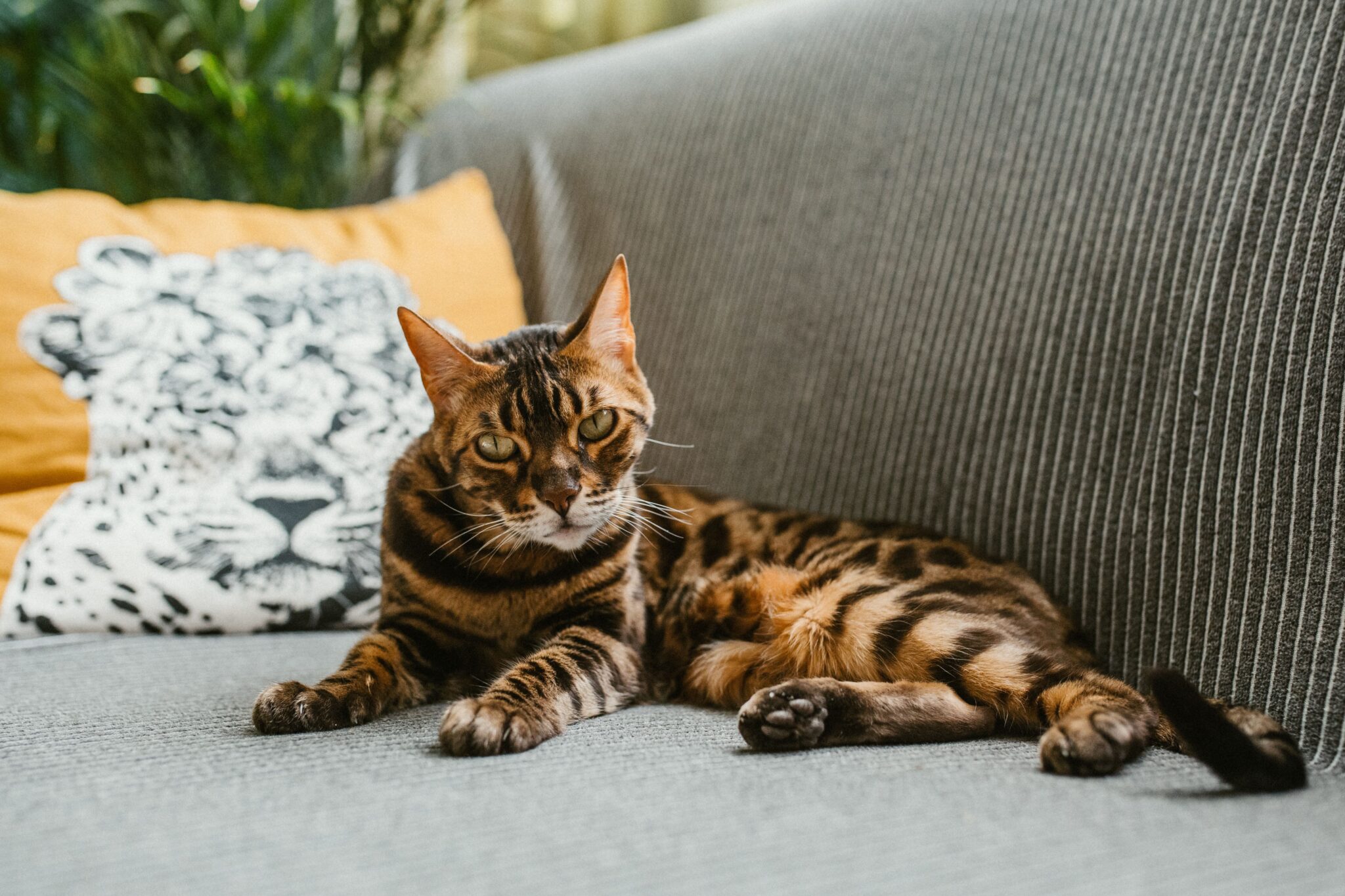
2. The Bengal: The Athletic Field Inspector
Bengals approach household management with boundless energy and intense investigative enthusiasm. Their athletic agility, problem-solving skills, and active minds turn ordinary domestic tasks into high-stakes explorations. A closed cabinet, a running faucet, or a newly delivered package immediately becomes an important inspection assignment. Without sufficient interactive play, a Bengal’s curiosity can easily lead them to investigate restricted areas.
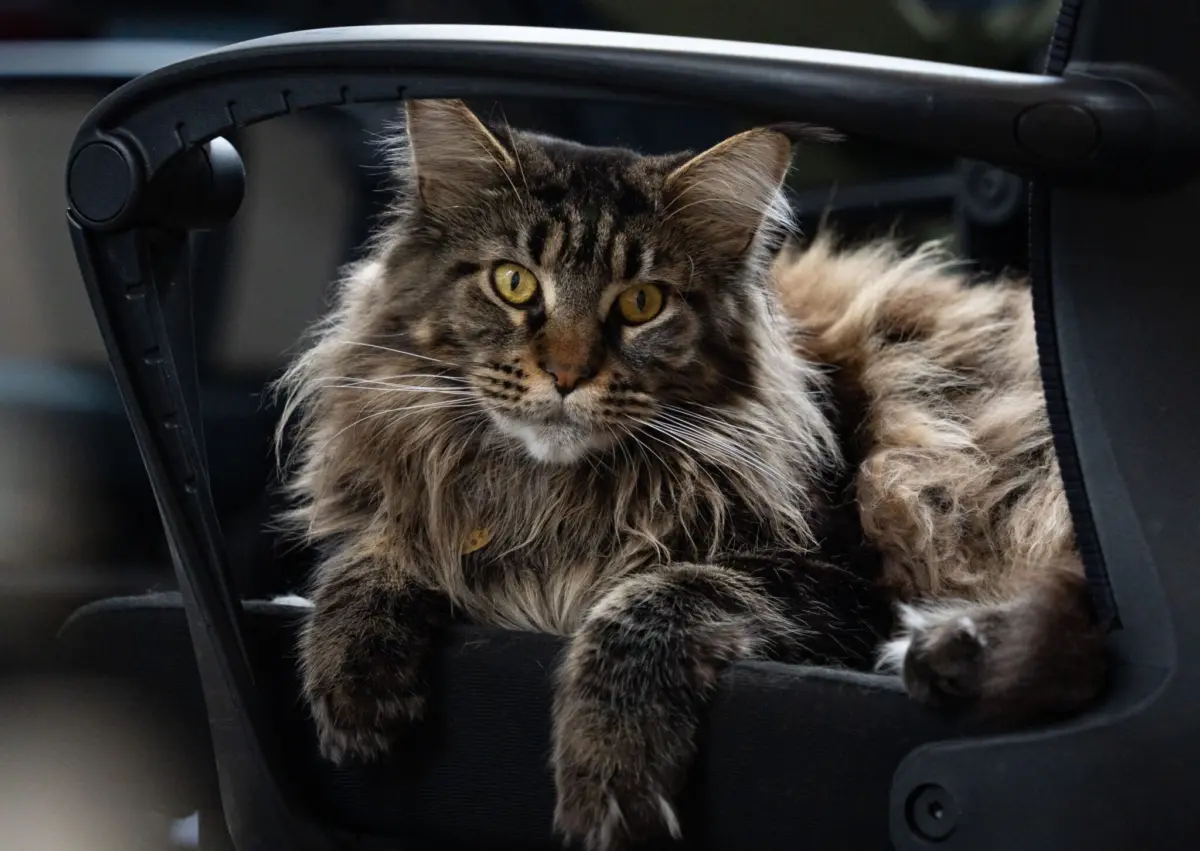
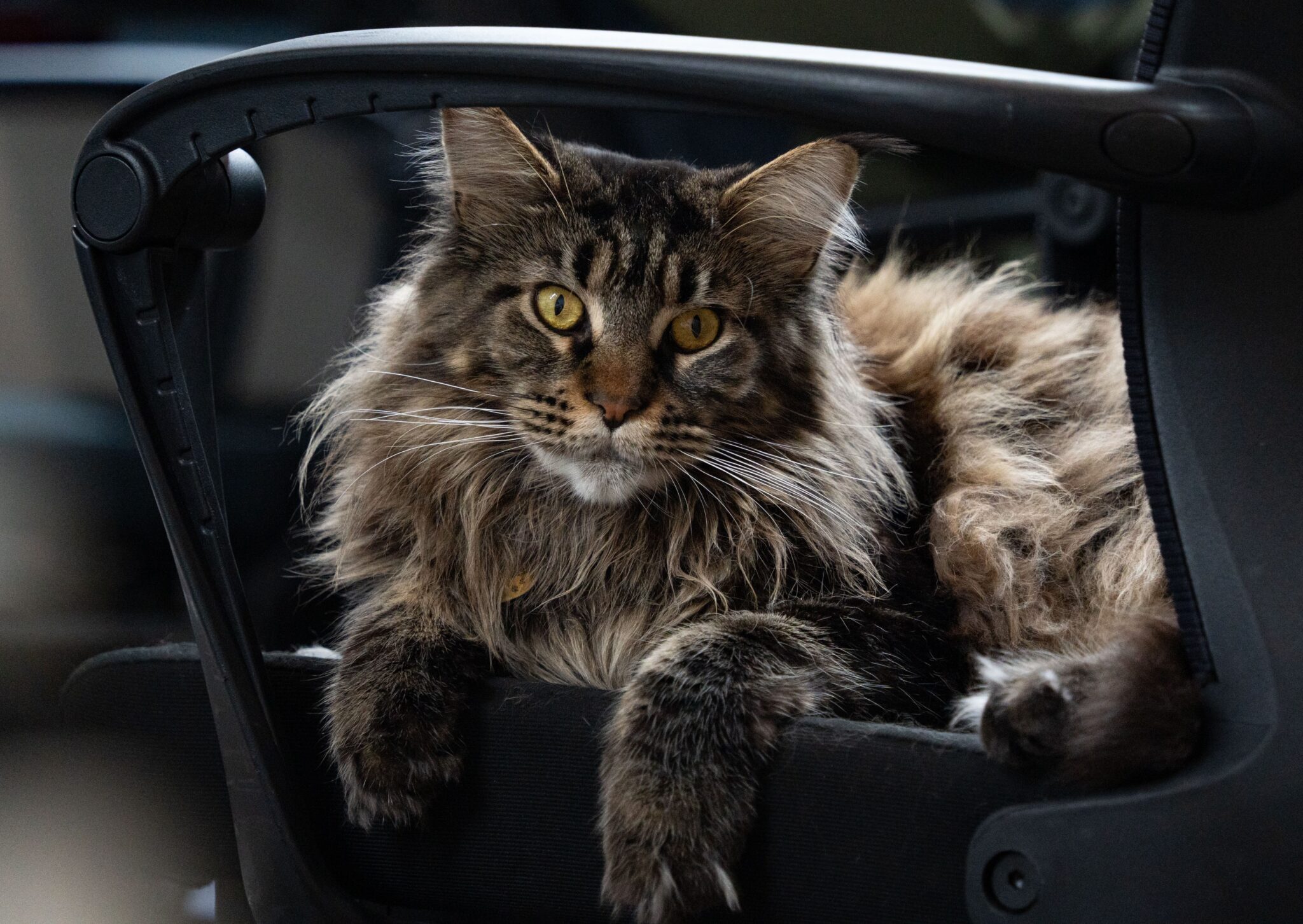
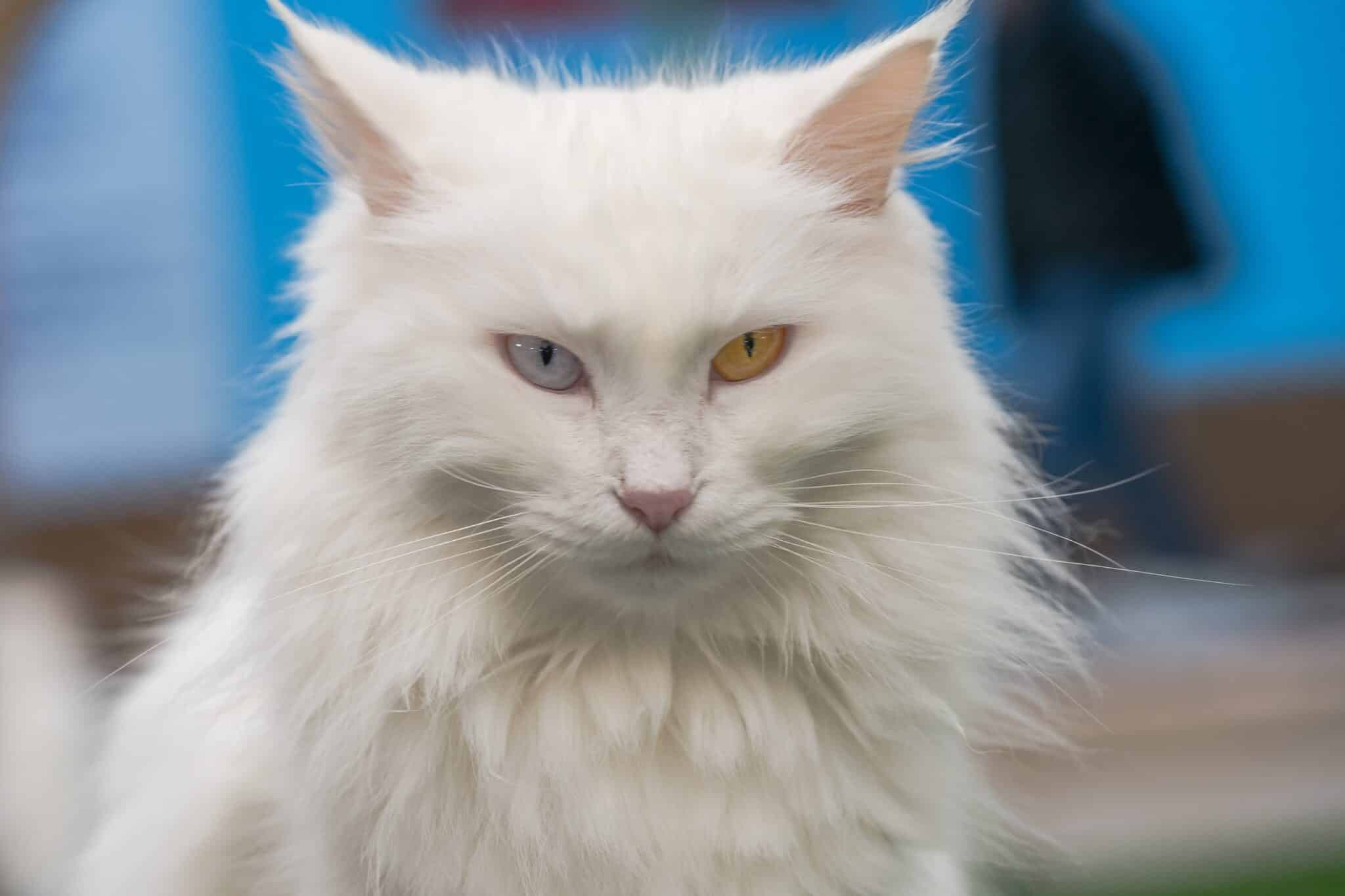
3. The Maine Coon: The Gentle Giant Supervisor
Combining impressive size with remarkably gentle personalities, Maine Coons are intensely sociable and deeply interested in their human companions. Many enjoy following people from room to room, positioning themselves nearby whenever something interesting happens. While less demanding than vocal breeds, their friendly nature makes them persistent shadows who prefer knowing the exact status of every household member.
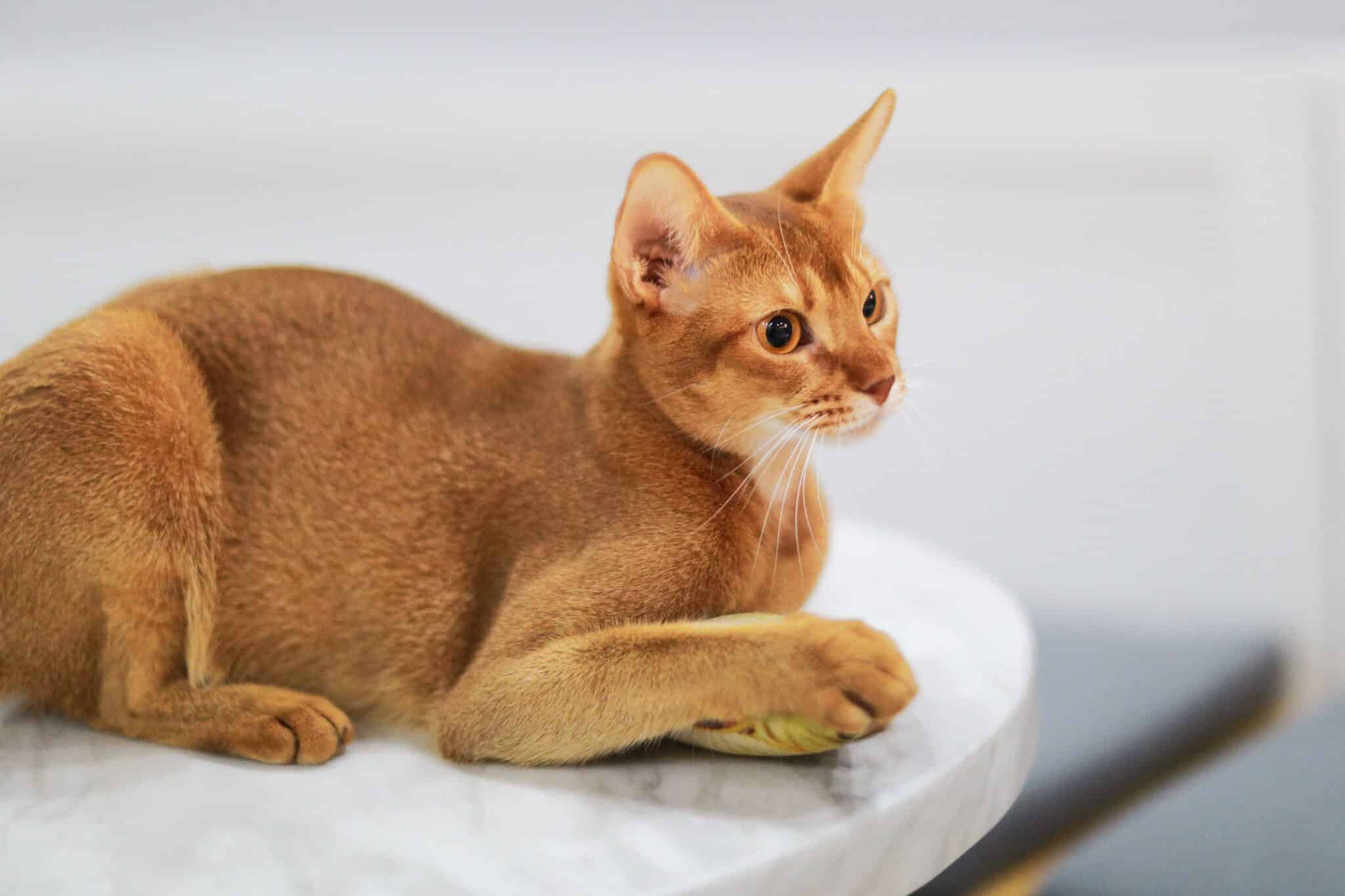
4. The Abyssinian: The High-Altitude Surveyor
Abyssinians possess the energy and curiosity of natural explorers. They excel at climbing, investigating elevated spaces, and watching activities from strategic high vantage points. Their razor-sharp intelligence ensures they immediately notice any environmental changes, from rearranged furniture to new home decor. Every room entered presents another opportunity for investigation.
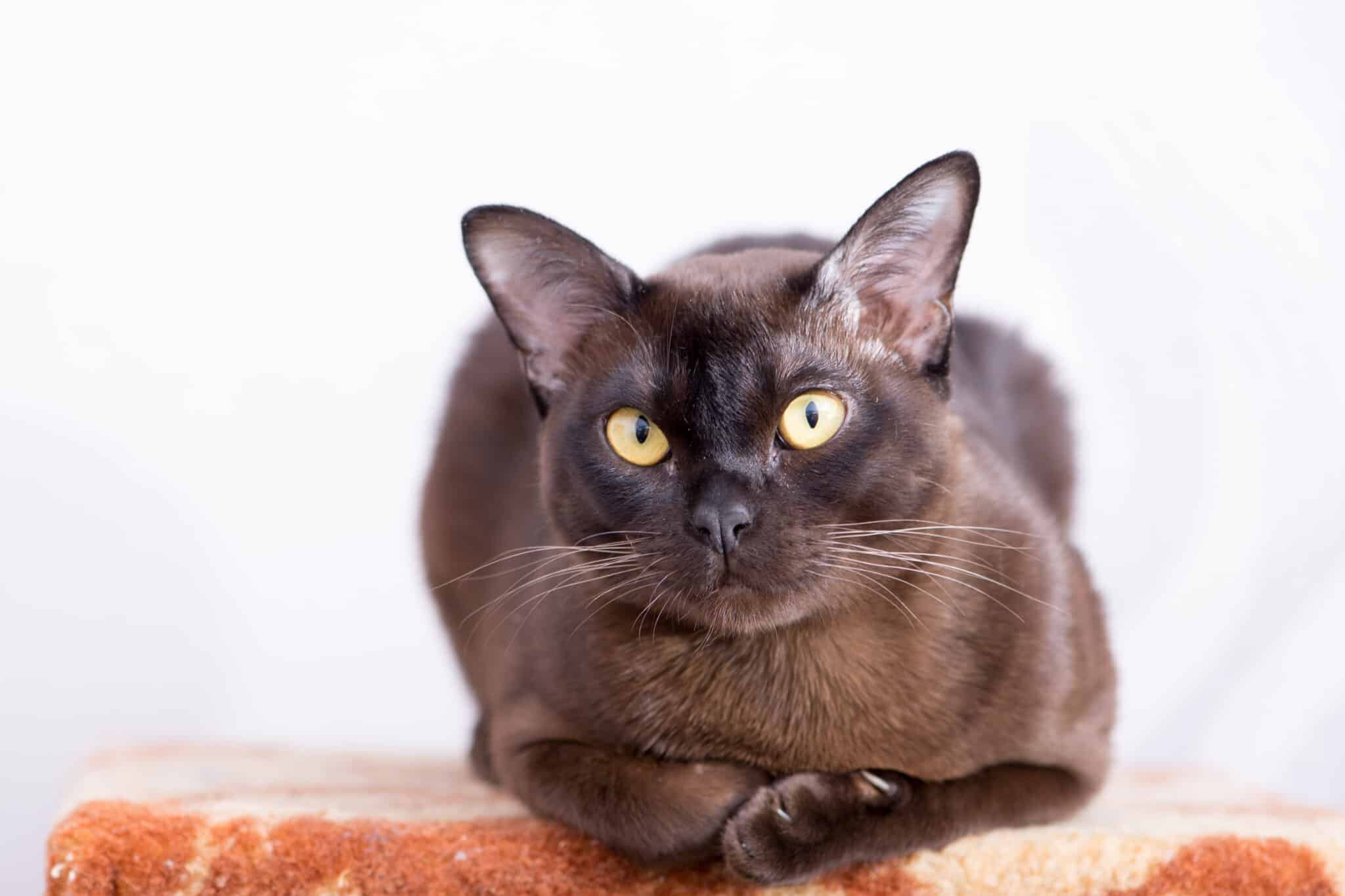
5. The Burmese: The Personal Space Abolitionist
Burmese cats are famously people-oriented, and their affectionate personalities render personal space an entirely optional household privilege. They frequently involve themselves in everything from sofa-lounging to breakfast preparation. Strongly attached to routine, they appear instantly whenever their favorite human relocates, driven by a genuine preference for constant social connection.
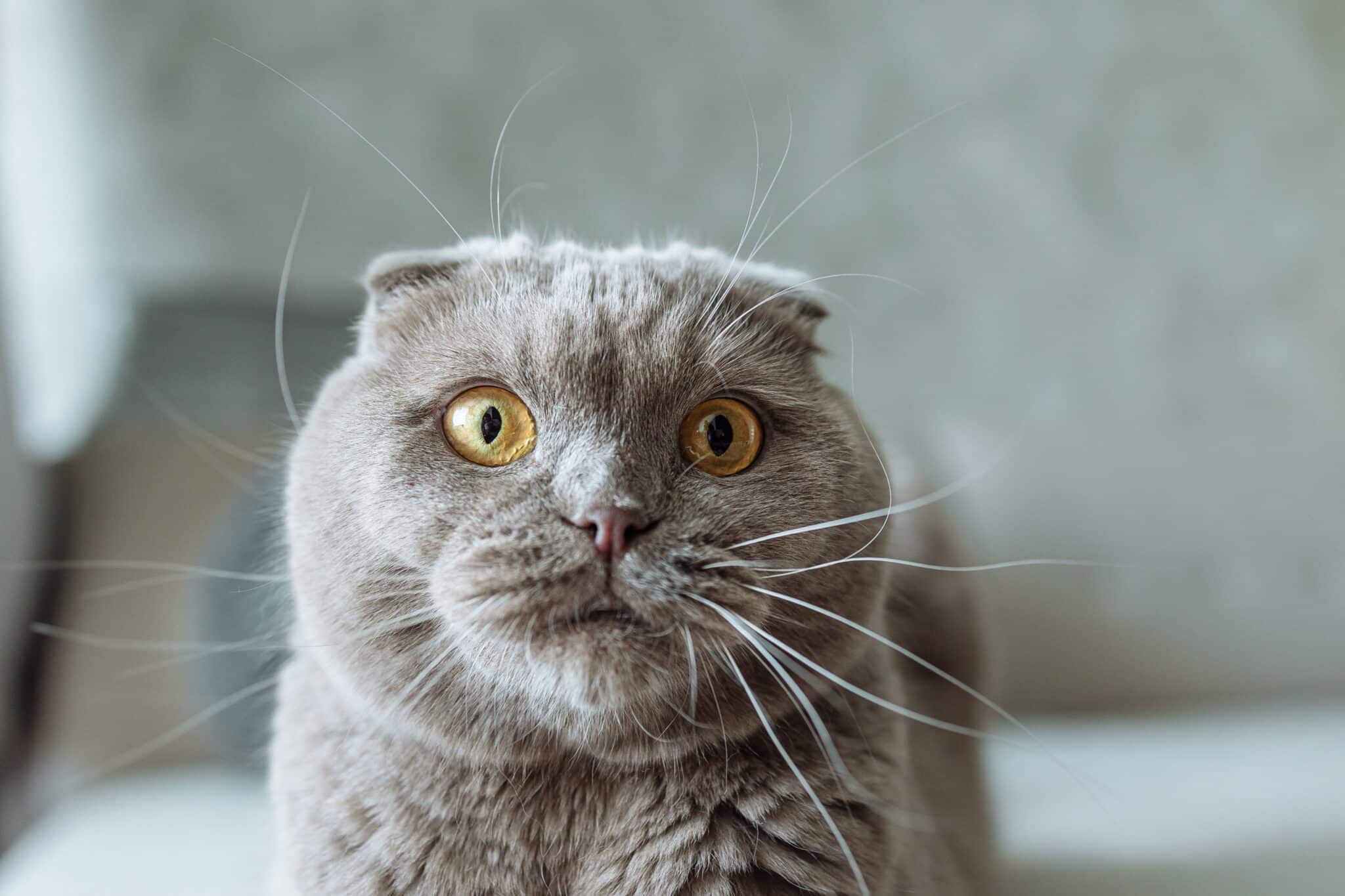
6. The Scottish Fold: The Quiet Observer
Recognizable by their folded ears and round facial features, Scottish Folds are observant and deeply interested in human company. Rather than demanding constant attention through vocalizations, many prefer quietly monitoring activities from a nearby chair or table. Their curious nature keeps them attuned to routine changes, following people from room to room simply to ensure company.
7. The Oriental Shorthair: The Vocal Auditor
Closely related to the Siamese, Oriental Shorthairs are energetic, intelligent, and social cats that rarely miss an opportunity to contribute to household affairs. They enjoy verbalizing their opinions on interrupted play sessions or extended computer work. Their strong personalities make them exceptionally convincing managers of daily life.
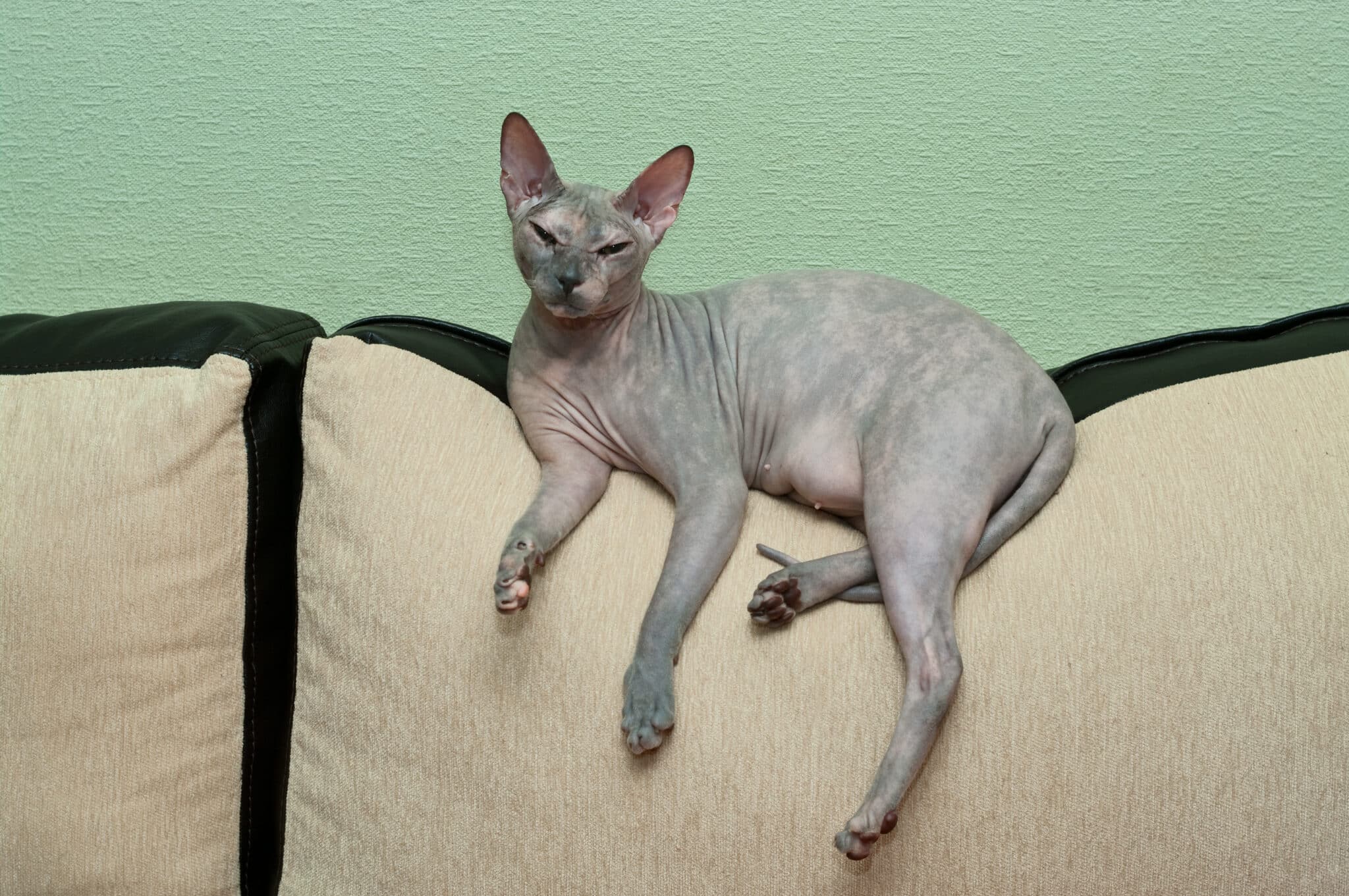
8. The Sphynx: The Warmth-Seeking Auditor
Beyond their striking hairless appearance, Sphynx cats possess outgoing, affectionate personalities. Because they lack a traditional insulating coat, they actively seek warm, comfortable spots near their humans—leading to a habit of following people around, climbing onto desks, and inspecting anything occupying human attention.
9. The Ragdoll: The Laid-Back Floor Monitor
Ragdolls are celebrated for their relaxed, affectionate temperament, but their love for human companionship makes them attentive observers. A Ragdoll will quietly supervise a work session, watch laundry folding, or wait patiently by the kitchen. Their easygoing nature means their involvement feels less demanding, yet they remain frequent visitors in every room.
10. The Turkish Van: The Aquatic Inspector
Known as the "swimming cat," Turkish Vans combine high intelligence with an unusual fascination with water. A running faucet, open bathroom door, or fresh water bowl immediately captures their attention. Confident and adventurous, they often supervise from a distance before diving headfirst into whatever activity is underway.
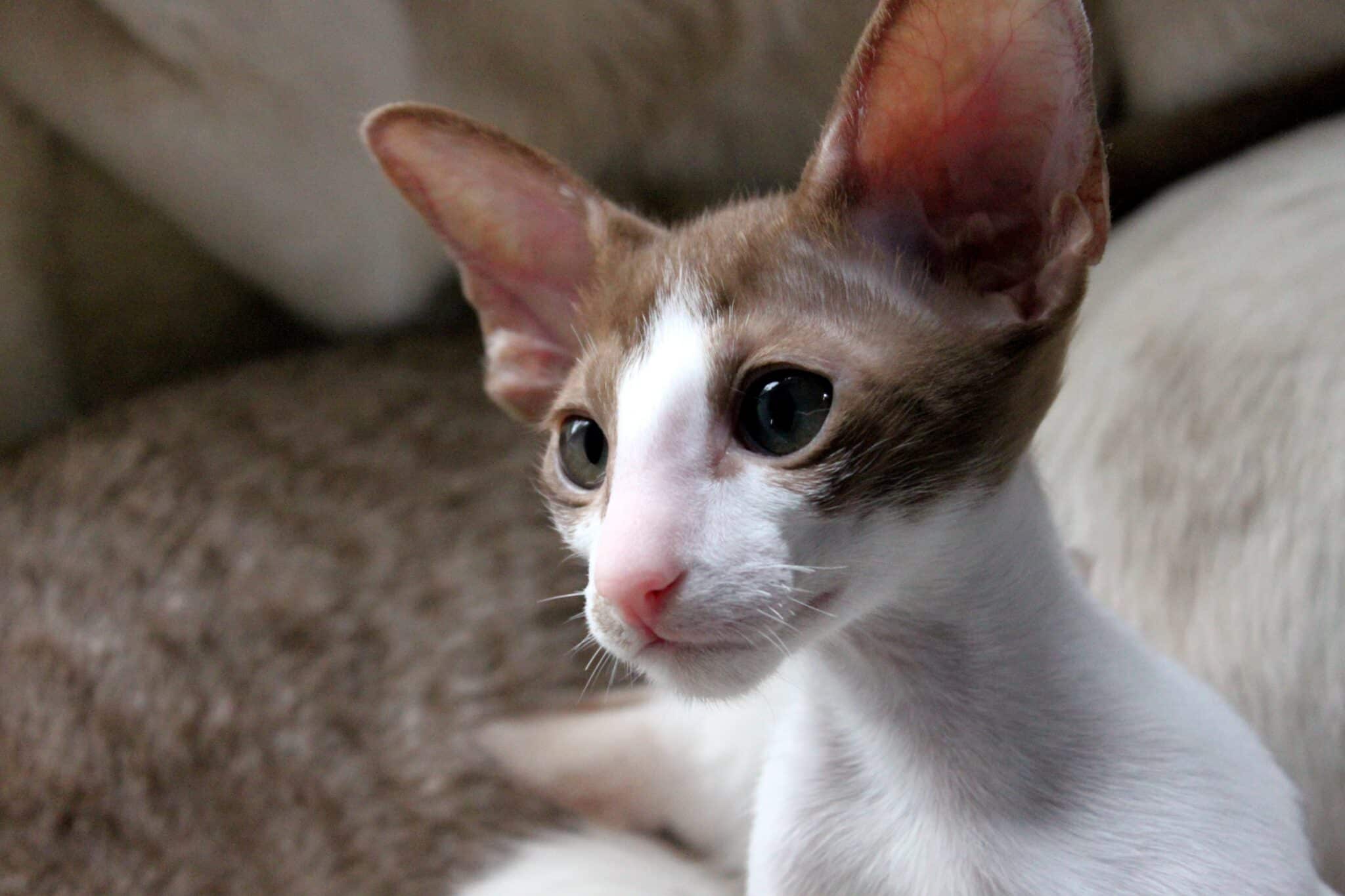
11. The Cornish Rex: The Slender Sleuth
With a slender body, long legs, and exceptional athletic abilities, the Cornish Rex treats the entire home as an obstacle course and inspection zone. They seek out high shelves and desks to gain a commanding view of the room. Their social drive ensures they appear wherever an activity looks more entertaining than their current toy.
12. The Siberian & Norwegian Forest Cat: The Woodland Auditors
Both the Siberian and the Norwegian Forest Cat bring rugged athleticism and independent sociability to the home. Equipped with dense coats and powerful climbing skills, these forest-dwelling descendants utilize high vantage points to monitor family dynamics, combining independence with a reassuring, steady presence.
Official Statements & Expert Perspectives
Animal welfare organizations and veterinary behavioral specialists increasingly emphasize the importance of accommodating these supervisory instincts rather than suppressing them.

"When a cat follows you into the kitchen, onto your desk, or insists on inspecting your grocery bags, it is not an act of defiance or annoyance," notes Dr. Elena Vance, a prominent feline behavioral researcher. "It is an expression of profound social integration. These cats view the human household as their extended social colony. To deny them access to daily operations is to create chronic psychological frustration."
Veterinary associations recommend providing vertical territory—such as sturdy cat trees, window perches, and designated "co-worker" beds near home workstations—to allow these feline managers to perform their duties safely and comfortably without disrupting human productivity.
Future Outlook: Coexisting with Your Feline Manager
As modern living spaces continue to evolve and remote work remains a permanent fixture for millions of professionals, the relationship between humans and their feline supervisors will only deepen. Understanding that a cat’s persistent staring, vocal critiques, and desk-occupying habits stem from intelligence, social connection, and natural curiosity allows owners to reframe these behaviors from interruptions into expressions of canine-level loyalty wrapped in feline independence.
Ultimately, while the household may feature a dedicated manager with whiskers, sharp claws, and an unyielding desire for oversight, humans can take solace in one immutable truth: we still hold the keys to the treat cabinet and handle the paperwork.