
Executive Overview
The landscape of pet-friendly travel has undergone an unprecedented seismic shift. For the dedicated community surrounding Dog Jaunt—affectionately known as "Dog Jaunt Nation"—the hiatus in operations mirrors the broader paralysis of the global tourism industry. Yet, as pandemic-related travel restrictions ground human globetrotters, the community’s foundational spirit remains remarkably resilient.
Following a multi-year operational blackout during which the blog’s founder orchestrated complex, cross-country relocations for both in-laws and parents to the Pacific Northwest, Dog Jaunt is officially reopening its digital doors. Ironically, just as the arduous family relocations concluded and the author prepared to resume normal publishing cadences, the emergence of a severe global health crisis brought worldwide travel to a screeching halt.
Despite the current climate of canceled flights and stay-at-home orders, this relaunch serves as a vital anchor for pet owners. The platform returns not to document immediate itineraries, but to foster community solidarity, update critical industry infrastructure—such as comprehensive airline pet policy charts—and curate stories from travelers dreaming of future adventures. This report examines the return of Dog Jaunt, the state of pet-inclusive transit logistics during a global lockdown, and the enduring psychological value of digital travel communities in times of crisis.
Detailed Chronology
To fully understand the current relaunch of Dog Jaunt, one must retrace the operational timeline that led to the platform’s temporary dormancy and subsequent revival.
The Relocation Era (2017–2019)
For the better part of three years, the inner workings of Dog Jaunt took a back seat to rigorous family logistics. The primary objective was straightforward in theory, yet extraordinarily complex in execution: safely relocating aging family members from their respective, distant homes to the vibrant, pet-friendly hub of Seattle, Washington.
These multi-stage relocations required meticulous planning, vehicular maintenance, emotional endurance, and above all, constant navigation of pet-friendly lodgings and rest stops. Because the founder was entirely consumed by these cross-country transitions, regular dispatches on the blog ceased. Faithful readers experienced an extended period of digital silence, often wondering about the well-being of the blog’s resident mascot, Chloe.
The Pandemic Paradox (Early 2020)
By early 2020, the final boxes were unpacked, the parents and in-laws were securely settled in Seattle, and the stage was set for a triumphant return to travel blogging. However, the timing coincided with the onset of a global pandemic. As international borders closed, commercial aviation plummeted, and stay-at-home mandates took effect, the prospect of recreational travel evaporated overnight.
Rather than retreating into prolonged silence, the author recognized a profound paradox: precisely when physical journeys were impossible, the psychological need for community, shared memories, and future planning was at its peak.
The Relaunch and Re-entry (April 2020)
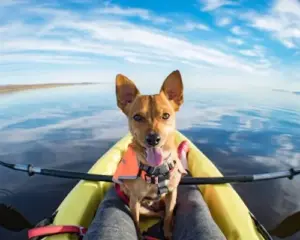
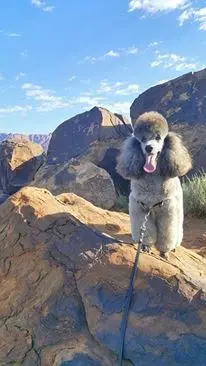
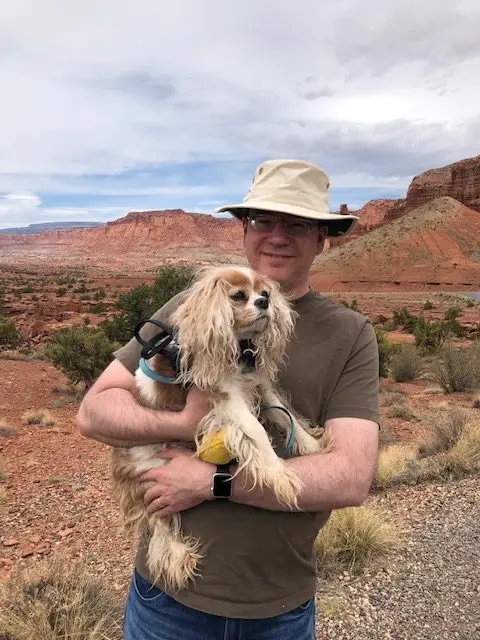
Rather than launching with tales of active itineraries, the return began with reassurance. Chloe—the intrepid canine companion who logged thousands of miles across America’s highways—was confirmed to be in excellent health. Sporting a coat slightly tinted by the rust-colored sands of the American Southwest, Chloe emerged as a symbol of endurance.
The initial phase of the relaunch focuses on foundational housekeeping. Rather than speculating on immediate travel dates, the platform has completely overhauled its industry-standard resource databases:
- U.S. Airline Pet Policies: Fully audited and brought up to date for domestic travelers.
- International In-Cabin Pet Policies: Rigorously cross-referenced with global carriers to reflect current operational statutes.
Supporting Context & Metrics
The temporary suspension of pet travel highlights a massive, highly engaged demographic of pet owners who view their animals not merely as domestic companions, but as integral family members requiring specialized transit accommodations.
The Economics and Demographics of Pet Travel
Prior to the global health crisis, the pet travel sector experienced exponential growth. According to data aggregated by the American Pet Products Association (APPA) and allied tourism boards, over 37% of pet owners travel with their animals annually—a figure that doubled over the preceding decade.
- Domestic Road Trips: Automobiles remain the primary mode of travel for pet owners, accounting for roughly 85% of all pet-inclusive trips. The logistics involve specialized safety harnesses, crate conditioning, veterinary health certificates, and pet-friendly lodging networks.
- Commercial Aviation: In-cabin pet travel represented a multi-million-dollar revenue stream for major commercial airlines, accompanied by strict regulatory frameworks governing carrier dimensions, health documentation, and breed restrictions.
Case Study: The American West Corridor
During the final cross-country relocation phase, the Dog Jaunt expedition bypassed traditional interstate pathways in favor of deep-dive exploration. Moving away from historic Route 66 prior to Gallup, New Mexico, the route shifted northward into the heart of Utah.
[East Coast Departure]
        ↓
[Route 66 Transit]
        ↓
[Gallup, NM Diversion]
        ↓
[Moab, Utah & Capitol Reef National Park]
        ↓
[Final Destination: Seattle, WA]
This route underscored the geological and infrastructural realities of traveling through the American Intermountain West. National parks such as Capitol Reef and Arches present unique challenges for pet owners: while scenic drives and exterior overlooks offer breathtaking vistas (such as Chloe’s famous coating of "Capitol Reef Red" dust), federal public lands maintain strict regulations regarding domestic animal access on hiking trails. These nuances remain critical data points for the Dog Jaunt knowledge base.
Official Statements & Community Feedback
The resilience of "Dog Jaunt Nation" has been demonstrated through an overwhelming influx of correspondence, proving that a shared passion for travel transcends physical movement.
Founder’s Perspective on Community
Reflecting on the psychological dynamics of running a niche travel blog, the author—self-identified as a textbook introvert—noted the unexpected emotional value of the platform:
"The thing I valued most about Dog Jaunt—and this is odd, coming from a textbook introvert—was the community we created together. Especially in this anxious time, it’ll be a great source of comfort to be back in touch with Dog Jaunt Nation."
This sentiment underscores a broader sociological phenomenon observed during periods of mass isolation: specialized micro-communities provide stabilizing psychological touchstones. When physical horizons shrink, virtual spaces dedicated to shared hobbies act as bridges to normalcy.
Channels of Engagement
To facilitate this community rebuilding, multiple communication channels have been re-activated:
- The Blog Comments Section: Highlighted as the permanent historical archive of the community, where discussions remain indexed and accessible.
- Direct Email Inquiries (
[email protected]): Serving as a private conduit for readers to submit personal travel anecdotes, photographs, and inquiries regarding pet-friendly itineraries. - Social Media Outlets: The Dog Jaunt Facebook page has been re-ignited to serve as a fast-paced forum for daily updates, recognizing that while social media posts naturally scroll away into the digital ether, they offer immediate, real-time connectivity.
Future Outlook
As the world looks toward post-pandemic recovery, the future of pet travel is poised for profound transformation. The insights gathered during the operational pause will directly inform the next era of Dog Jaunt.
Anticipated Trends in Pet Mobility
Industry analysts predict several key shifts in how humans and pets will traverse the globe once restrictions fully lift:
- Increased Demand for Road Travel: Families are expected to favor domestic road trips over complex international flights, increasing the reliance on pet-friendly hotels, rental properties, and national park exploration guides.
- Evolving Airline Protocols: As airlines restructure their fleets and operational procedures, pet policies are expected to face tightening scrutiny. Up-to-date tracking of carrier rules—a core competency of Dog Jaunt—will be more critical than ever for consumers.
- Heightened Focus on Animal Welfare: The psychological impact of isolation on domestic animals has heightened owner awareness regarding pet comfort, stress reduction during transit, and veterinary preparation.
Conclusion
Dog Jaunt’s return is more than just a blog revival; it is the reactivation of a vital support network for animal lovers who refuse to let geographical boundaries diminish their sense of adventure. Whether readers are currently gazing wistfully at airline policy charts from their living room couches or mapping out future road trips through the red rocks of Utah, Dog Jaunt Nation stands ready for the road ahead.