
Date: August 28, 2026
Author: Investigative Pet Health Desk
Category: Product Safety & Consumer Alerts
Executive Overview
Pet owners across the United States are being urged to check their freezers immediately following a nationwide voluntary product recall issued by Northwest Naturals. Based in Portland, Oregon, the premium raw pet food manufacturer has pulled specific lots of its frozen chicken recipes from retail shelves after routine testing by the U.S. Food and Drug Administration (FDA) revealed contamination with dangerous pathogens.
The nationwide recall, officially initiated on August 28, 2026, encompasses two distinct products: a multi-use cat food and dog protein topper, and a dedicated raw diet formulation for dogs. Laboratory findings confirmed that the products harbor strains of Salmonella and Listeria monocytogenes—bacteria that pose severe health risks not only to companion animals consuming the food, but also to human family members handling the raw ingredients, packaging, and contaminated household surfaces.
While no illnesses—human or animal—have been formally linked to the recalled lots as of the announcement date, public health officials emphasize the critical importance of immediate compliance. Raw pet diets, while growing in popularity due to their perceived nutritional benefits, require stringent handling protocols. When contamination occurs, the potential for widespread cross-contamination within domestic environments escalates dramatically. This report provides a comprehensive breakdown of the recalled items, the underlying health risks, official corporate guidance, and actionable steps for pet parents navigating this safety alert.
Detailed Chronology and Scope of the Recall
The sequence of events leading to the nationwide recall began during routine regulatory surveillance conducted by the FDA. Agency inspectors collected random product samples of raw pet food distributed by Northwest Naturals to evaluate compliance with federal pathogen standards. Subsequent microbiological testing yielded alarming results, detecting bacterial pathogens in two separate product lines.
Upon notification by federal regulators, Northwest Naturals moved swiftly to coordinate a voluntary recall. According to company disclosures submitted in conjunction with the FDA, the recall scope is tightly defined by specific manufacturing lots, yet spans nationwide distribution networks:
-
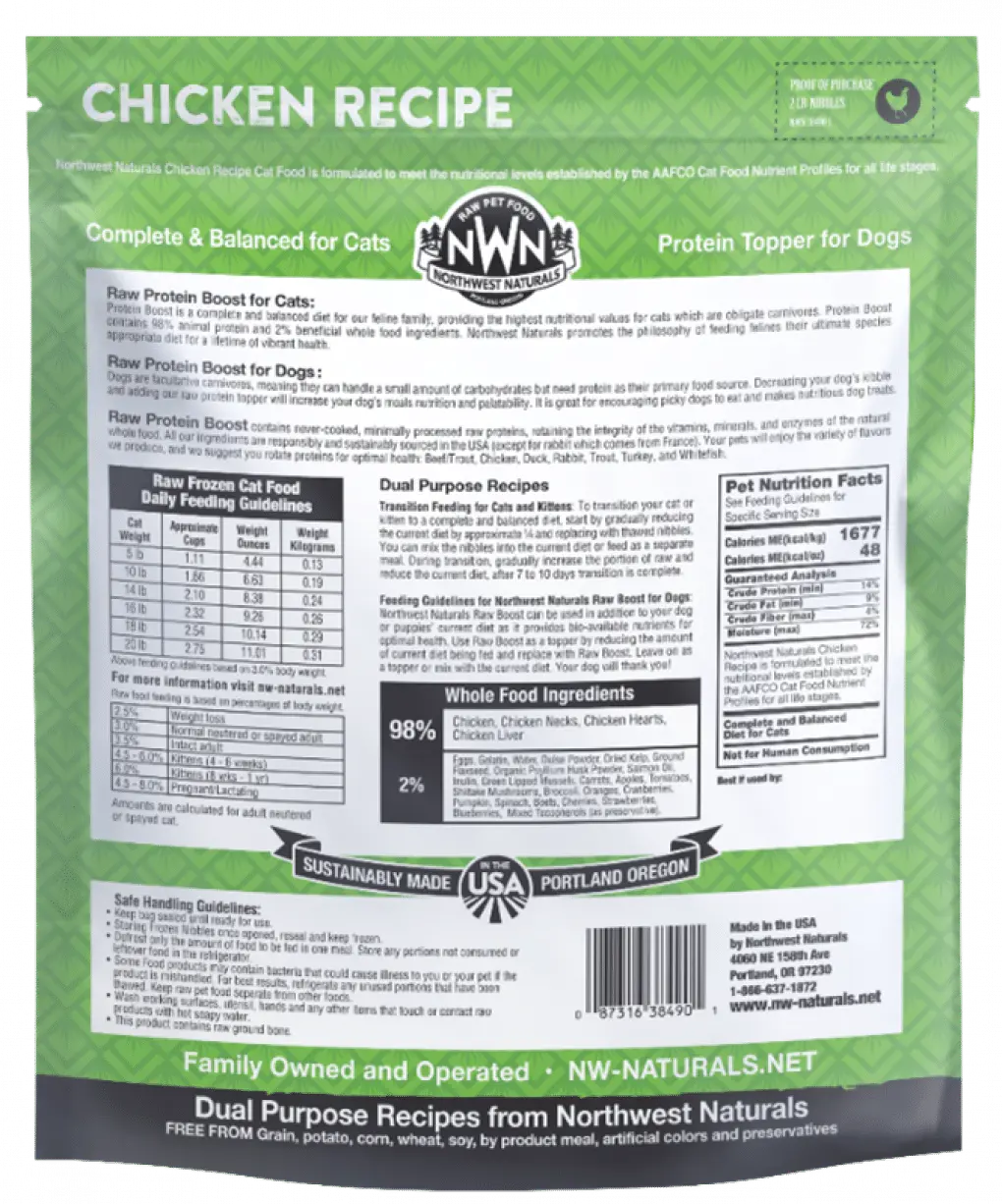
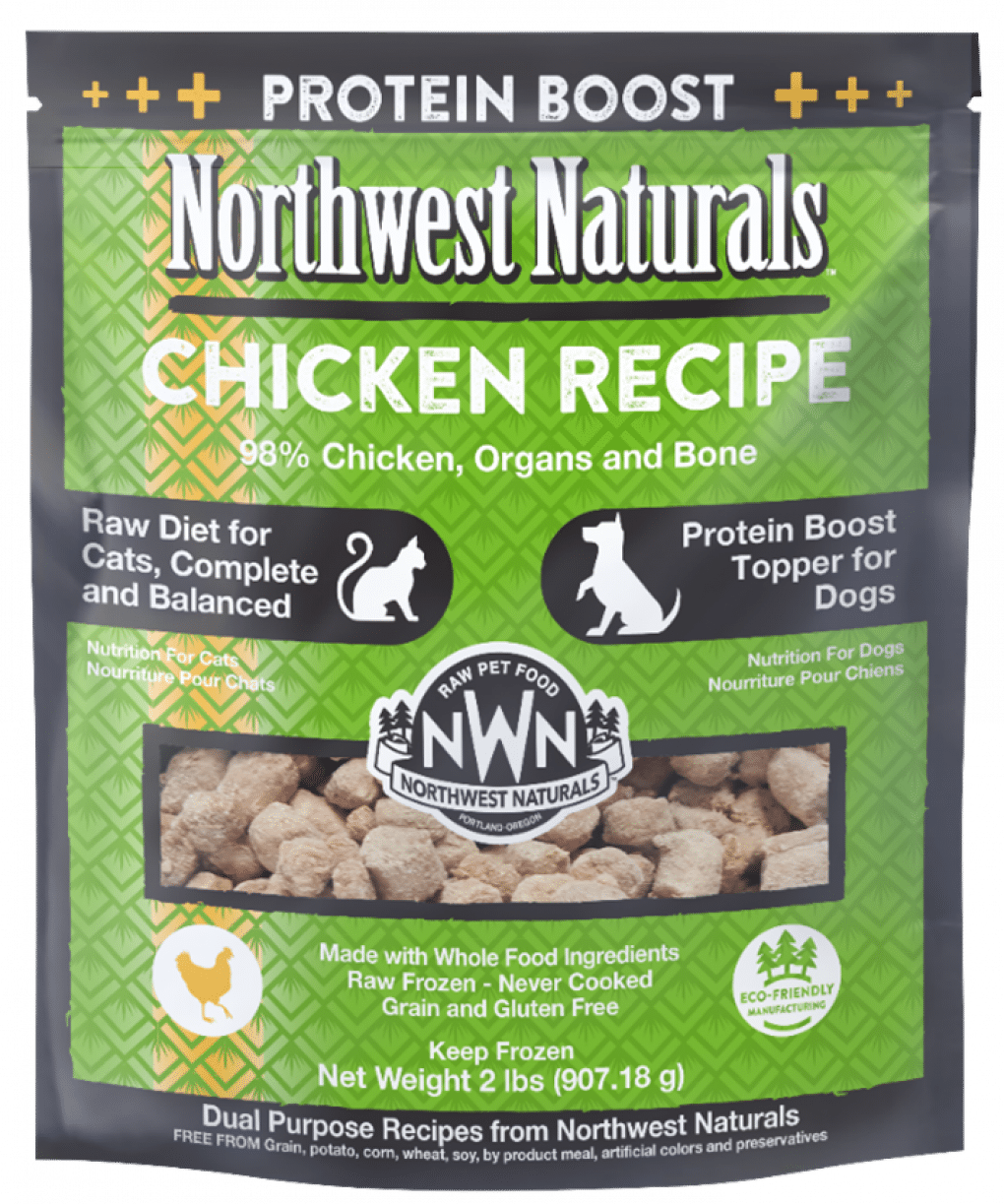
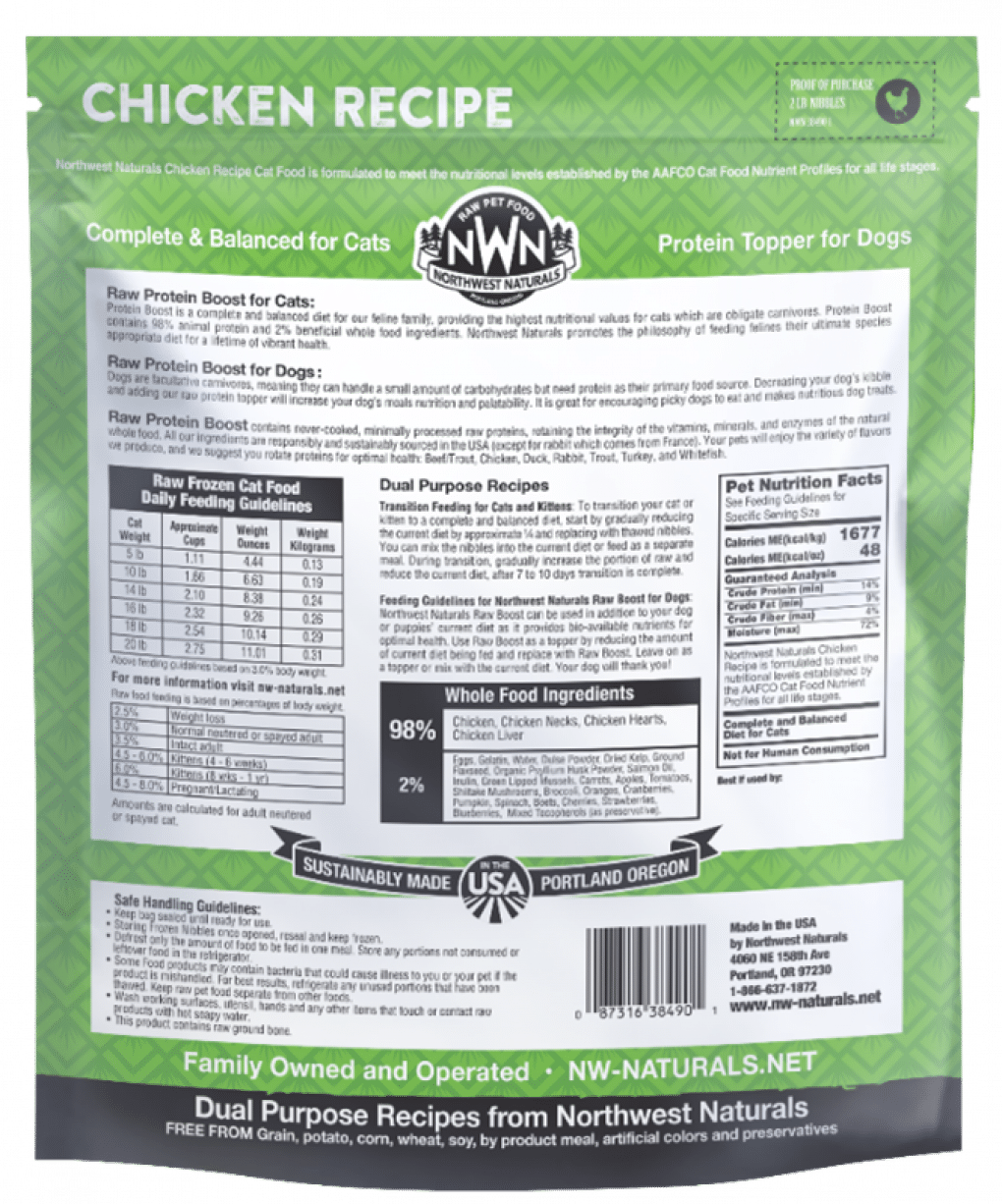
Northwest Naturals Frozen Chicken Recipe (Dual-Purpose Cat Food & Dog Protein Topper):
- Volume Recalled: 53 individual cases, totaling approximately 1,272 pounds of product.
- Contaminant Identified: Salmonella.
- Intended Use: Marketed primarily as a nutritionally complete diet for felines, but frequently utilized by dog owners as a high-protein food topper.
-
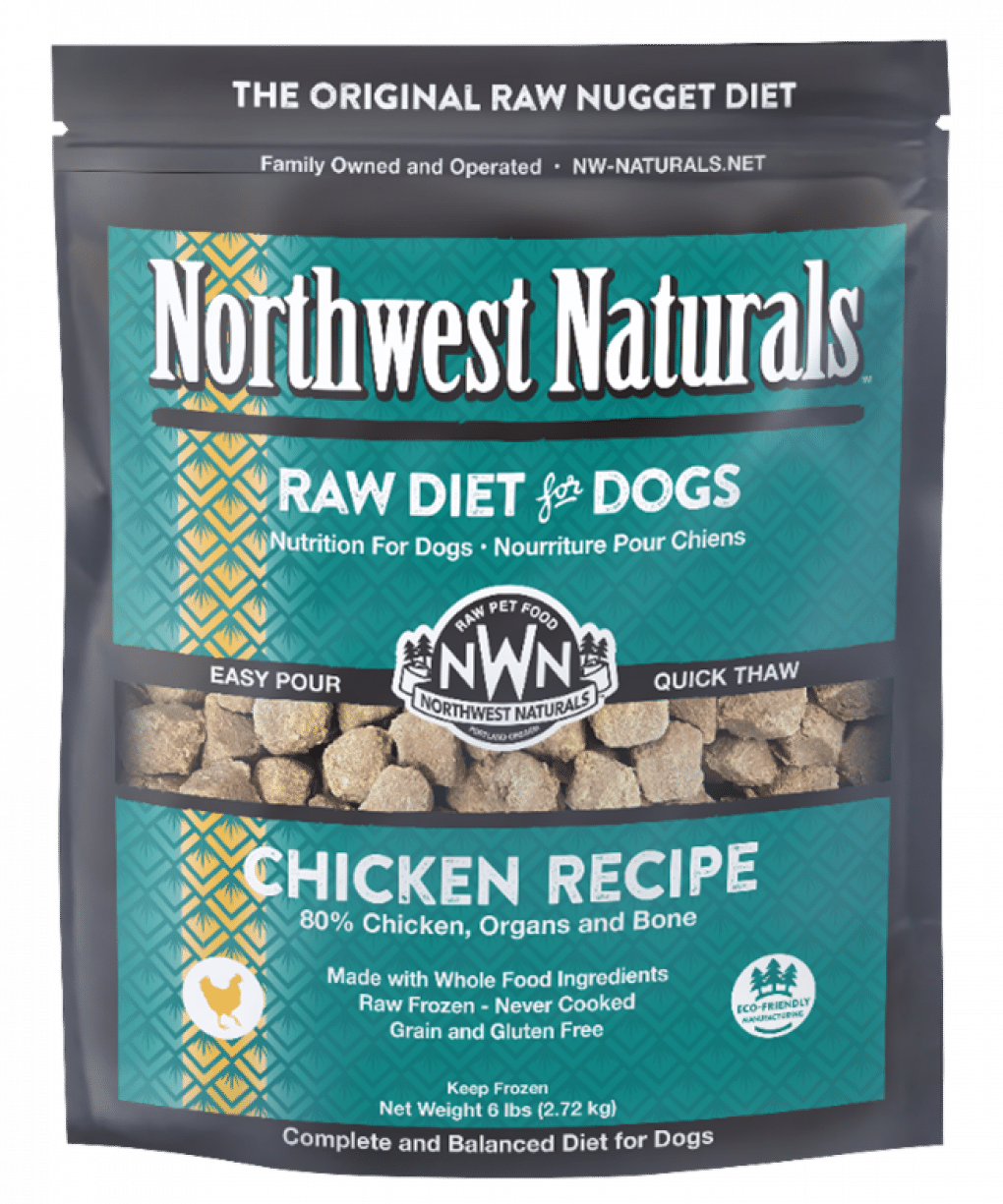
Northwest Naturals Frozen Raw Diet for Dogs Chicken Recipe:
- Volume Recalled: 19 individual cases, totaling approximately 684 pounds of product.
- Contaminant Identified: Both Salmonella and Listeria monocytogenes.
- Intended Use: Formulated as a complete and balanced raw meal for adult canines.
In total, the recall affects 72 cases and 1,956 pounds of raw chicken product. Although the tonnage may appear modest compared to mass-market kibble recalls, the concentrated nature of frozen raw distribution means these batches were shipped to specialty pet retail outlets across the United States. Because raw foods are often purchased ahead and stored in deep freezers for weeks or months, many consumers may still possess the affected packages in their homes.
Supporting Context & Metrics: The Risks of Pathogens in Raw Pet Diets
The market for raw pet food has expanded exponentially over the past decade, driven by consumer demand for species-appropriate, minimally processed diets. However, veterinary epidemiologists and food safety agencies have long cautioned that raw meat products bypass the thermal kill-step inherent in cooking and extrusion processes used for traditional kibble and canned foods.
Understanding the Pathogens
- Salmonella: A genus of rod-shaped bacteria that can colonize the gastrointestinal tracts of animals and humans. In pets, Salmonella infection (salmonellosis) manifests with symptoms such as acute lethargy, bloody or non-bloody diarrhea, fever, and vomiting. Crucially, dogs and cats can shed the bacteria in their feces and saliva without showing outward signs of illness, creating an invisible reservoir of infection within multi-pet households or homes with immunocompromised individuals, young children, or elderly residents.
- Listeria monocytogenes: A resilient, environmentally hardy bacterium capable of surviving—and even multiplying—at refrigeration and freezing temperatures. Listeria causes listeriosis, a serious infection that can severely impact vulnerable human populations. While pets can contract listeriosis, humans handling contaminated pet food are often at heightened risk of systemic infection if proper hygiene protocols are neglected.
Epidemiological Concerns in Domestic Settings
The primary danger of raw food recalls lies not only in direct ingestion by the pet, but in environmental cross-contamination. When a pet owner scoops, thaws, or serves contaminated raw chicken, microscopic droplets of bacteria can transfer to human hands, kitchen countertops, cutting boards, pet bowls, and utensils.
From there, pathogens can easily transfer to human food preparation areas or be inadvertently ingested via hand-to-mouth contact. This dual-threat dynamic is precisely why federal regulatory bodies maintain a zero-tolerance policy for Salmonella and Listeria in commercial animal feed.
Comprehensive Health Impact Analysis
The intersection of animal and human health—often studied under the umbrella of "One Health"—is vividly underscored by this incident. Below is a detailed breakdown of how these pathogens impact both species.
Clinical Signs in Companion Animals
Pets that consume food contaminated with Salmonella or Listeria may exhibit a spectrum of gastrointestinal and systemic symptoms. Pet parents should monitor their animals closely for up to two weeks following consumption of a recalled product. Key warning signs include:
- Gastrointestinal Distress: Persistent vomiting, watery diarrhea, or stools tinged with blood.
- Systemic Symptoms: High fever, profound lethargy, and generalized weakness.
- Abdominal Discomfort: Arched back, whining, restlessness, or visible pain when the belly is touched.
- Appetite Changes: Complete refusal to eat (anorexia) or a marked decrease in food intake.
Veterinary professionals emphasize that even if a pet appears healthy after eating the food, asymptomatic shedding can persist for weeks, posing a contagion risk to other household members.
Clinical Signs in Humans
Human exposure to Salmonella typically results in acute gastroenteritis. Symptoms generally begin within six hours to six days after consuming or handling contaminated material and include nausea, vomiting, painful abdominal cramps, and diarrhea that can occasionally become bloody. While most healthy adults recover fully within a week without specific medical intervention, severe dehydration or systemic spread can require hospitalization.
Exposure to Listeria monocytogenes presents an even graver medical profile, particularly for specific high-risk demographics:
- High-Risk Groups: Pregnant women, newborns, adults aged 65 and older, and individuals with compromised immune systems (such as those undergoing chemotherapy or managing chronic autoimmune conditions).
- Symptomology: Initial signs often include fever, intense headache, stiff neck, confusion, loss of balance, and muscle aches. In pregnant women, Listeria infections can lead to miscarriages, stillbirths, premature delivery, or life-threatening infections in newborns, even if the mother experiences only mild, flu-like symptoms.
Anyone—human or animal—displaying acute symptoms after handling or consuming the recalled Northwest Naturals products should seek prompt medical or veterinary evaluation.
Official Statements and Corporate Response
In compliance with federal guidelines, Northwest Naturals has outlined explicit instructions for consumers and retailers. The company’s voluntary action demonstrates cooperation with the FDA’s ongoing oversight of the raw pet food sector.
Corporate communications stress that no reports of illness have been verified to date. However, the company is treating the contamination findings with utmost seriousness. Retailers who received the affected inventory have been instructed to pull the products from display freezers immediately and isolate them for return or destruction.
Manufacturer Contact and Support Channels
Northwest Naturals has established dedicated communication lines to assist consumers seeking refunds, clarification on lot numbers, or guidance on safe disposal practices:
- Customer Service Phone Line: 1-866-637-1872
- Operating Hours: Monday through Thursday, 8:00 AM to 4:00 PM Pacific Time (PT)
- Email Support: [email protected]
Consumers are advised to have their product packaging, receipt, or store purchase details ready when contacting customer support to expedite the refund process.
What Pet Parents Should Do: Actionable Safety Protocol
If you are a pet owner who feeds raw diets, taking immediate, methodical action is essential to safeguard your household. Follow this step-by-step protocol:
1. Inspect Your Freezers Immediately
Check all frozen food stores for Northwest Naturals Frozen Chicken Recipe (cat food/dog topper) and Northwest Naturals Frozen Raw Diet for Dogs Chicken Recipe. Compare the lot numbers and packaging against official FDA release images and retailer notices.
2. Stop Feeding and Secure the Product
If you possess an affected package, stop feeding it to your pets immediately. Do not attempt to cook the food to kill the bacteria; cooking raw meat formulations at home can aerosolize pathogens and further contaminate kitchen appliances. Instead, seal the package securely in a plastic bag and discard it in a secure outdoor trash can, or return it directly to the retail point of purchase for a full refund.
3. Rigorous Decontamination of Kitchen Environments
Because raw food handlers frequently touch multiple surfaces, thorough sanitation is mandatory:
- Handwashing: Wash your hands vigorously with warm water and antibacterial soap for at least 20 seconds after handling any raw pet food, packaging, or bowls.
- Dishware & Utensils: Wash pet bowls, stainless steel spoons, measuring cups, and cutting boards in a dishwasher on a high-heat sanitation cycle, or hand-wash them in hot, soapy water followed by immersion in a diluted chlorine bleach solution (one tablespoon of bleach per gallon of water).
- Surfaces: Sanitize countertops, freezers handles, refrigerator shelves, and sinks where the raw food was stored or prepared.
4. Maintain Strict Separation Protocols
Going forward, pet owners utilizing raw diets should maintain rigorous hygiene habits:
- Keep raw pet food strictly separated from human groceries in shopping carts, refrigerators, and freezers.
- Dedicate specific utensils and sponges exclusively to pet food preparation that never cross over into human meal prep areas.
- Monitor pets closely for any signs of gastrointestinal distress over the next 14 days and consult a veterinarian immediately if symptoms arise.
Future Outlook: Industry Implications and Regulatory Scrutiny
This recall highlights the persistent challenges facing the raw pet food manufacturing sector. As consumer demand for fresh and raw diets continues to climb, regulatory agencies like the FDA maintain intense surveillance to ensure microbiological safety.
Industry analysts predict that this incident will prompt increased investments by raw pet food manufacturers in advanced pathogen-reduction technologies—such as High-Pressure Processing (HPP)—and tighter supply chain traceability protocols. For consumers, the recall serves as a sobering reminder of the vigilance required when bringing raw animal proteins into domestic living spaces. By adhering strictly to safety guidelines, maintaining pristine hygiene standards, and staying informed through official regulatory updates, pet parents can continue to provide specialized nutrition while mitigating the inherent risks associated with bacterial pathogens.